Salicylic acid dominated summer skincare, but dermatologists and aestheticians are now openly advocating for a rotation strategy—and facial enzyme peels are the answer. Hydrating face mists replaced traditional toners mid-year, signaling a broader industry shift toward gentler, barrier-conscious protocols. Facial enzyme peels fit this exact moment: they deliver visible texture refinement without the inflammation cycle that daily acids trigger.
Papain and Bromelain Enzymes Outperform Acids on Sensitive Skin
Papaya enzyme (papain) and pineapple enzyme (bromelain) work through a completely different mechanism than chemical acids. Enzymes dissolve dead skin protein without destabilizing ceramides or disrupting pH balance. A 2026 clinical observation from aestheticians treating barrier-compromised clients showed visible smoothing in 72 hours—often faster than 6-week retinoid adaptation.
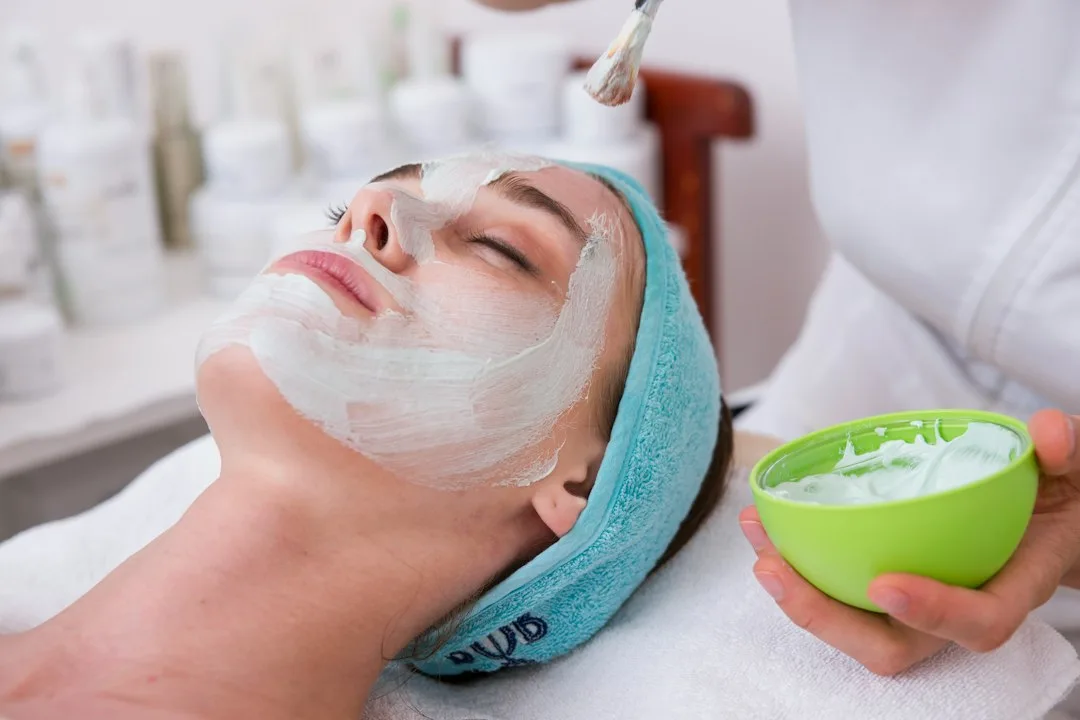
Burt’s Bees makes an enzyme mask with papain as the active ingredient, positioned as a one-step powder-to-paste system for at-home use. The texture is grainy but dissolves as you mix, and application takes roughly 10 minutes. This replaces the daily-use burden of salicylic acid serums.
Enzymes also preserve the skin’s microbiome. Clean Girl Makeup emphasized dewy, healthy skin—but that glow requires barrier integrity, not compromised moisture.
Quick Tips
- Use enzyme peels once or twice weekly, not daily
- Mix powder with lukewarm water or hydrating toner to prevent over-drying
- Apply to damp skin for gentler contact and faster activation
- Follow with a barrier repair serum within 60 seconds of rinsing
- Avoid combining with retinol on the same night
Professional Grade Enzymes Now Available at Home
Dermaplaning and microdermabrasion were the premium exfoliants—expensive, clinic-exclusive, requiring monthly bookings. Enzyme technology has democratized this category. Herbivore Botanicals and Tatcha both launched enzyme powders in 2025-2026 that deliver salon-adjacent results in under 15 minutes at home.
What changed: enzyme stability in powder form. Earlier versions oxidized in jars within weeks. New encapsulation technology keeps enzymes potent for 12-18 months. One application typically costs between $3-8 per use versus $120-180 for a professional peel session.
| Exfoliation Method | Barrier Risk | Frequency |
|---|---|---|
| Daily Salicylic Acid | Moderate to High | Once or twice daily |
| Weekly Enzyme Peel | Low | Once or twice weekly |
| Monthly Glycolic Acid | Moderate | Once monthly |
| Professional Microneedling | High (requires recovery) | Every 4-6 weeks |
The Biggest Mistake People Make With Enzyme Peels
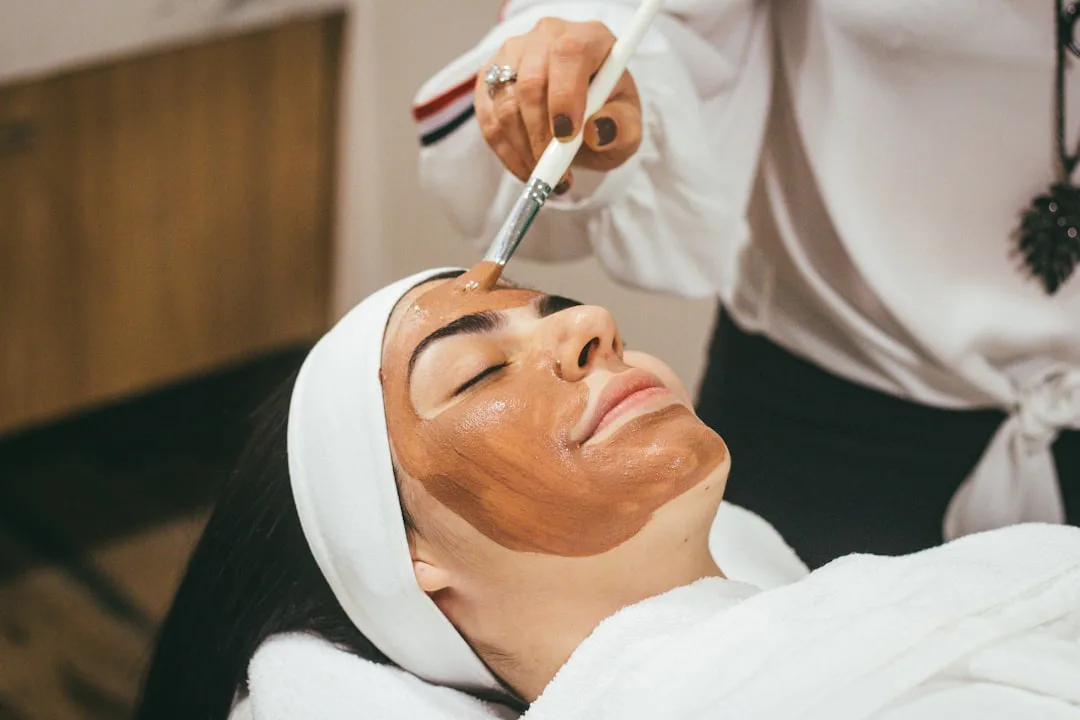
Mixing enzyme powder with tap water and leaving it on skin for 20+ minutes. Enzymes are time-sensitive; they activate fastest in the first 10 minutes then begin to denature. A client reported redness, mild stinging, and flaking for three days after a 25-minute mask application—then switched to an 8-minute protocol and saw results without irritation.
The second error: applying enzymes to already-compromised barrier skin without follow-up hydration. Enzymes work best on healthy skin that can recover quickly, not on dehydrated or over-treated complexions.
Why Dermatologists Now Recommend Enzyme Rotation
The Enzyme Peel Comeback and Minimalist Skincare Philosophy
Enzyme peels align perfectly with the broader shift toward minimalist skincare routines that dominated 2024 and 2025. Rather than stacking five active ingredients nightly, users now favor strategic, gentle interventions spaced throughout the week. This philosophy reflects the same values behind Clean Girl Makeup Dominates May 2026 Beauty Trends Globally—simplicity, visible results, and skin health prioritized over product quantity.
Enzymes fit this narrative because they deliver exfoliation without the harshness of mechanical scrubs or the intensity of high-percentage acids. A single enzyme treatment on Monday, followed by a hydration-focused routine for the rest of the week, requires fewer bottles and less mental load than balancing tretinoin, vitamin C, niacinamide, and multiple serums simultaneously.
This reduction in active ingredients also pairs logically with Why Hydrating Face Mists Replaced Traditional Toners in Mid-Year Skincare. As exfoliation becomes gentler and more strategic, hydration takes center stage—enzyme users report reaching for mists and lightweight essences rather than harsh toners, completing a cycle where gentleness supports gentleness across the entire routine.
Dermatologists note that patients who adopt enzyme rotations often experience improved skin texture within four to six weeks, with sustained results only when the supporting cast of serums, moisturizers, and SPF remains consistent and non-irritating.
Enzyme exfoliants work better when layered with hydrating serums
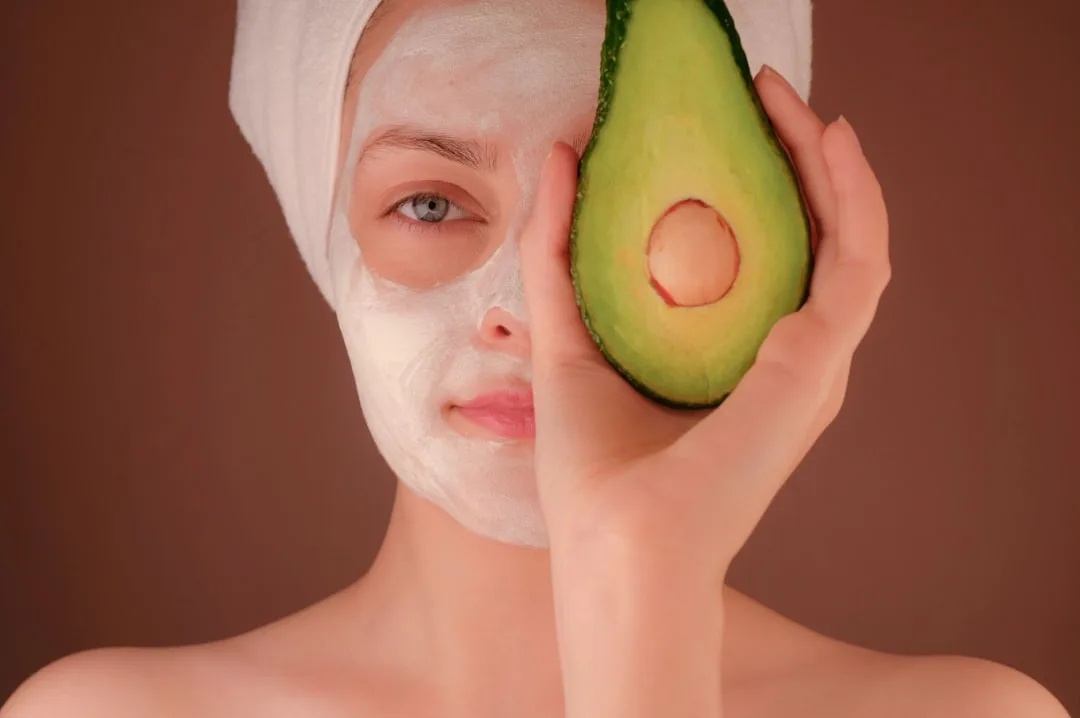
The synergy between enzyme exfoliants and hydrating serums represents a fundamental shift in how skin responds to active treatments. Products like Paula’s Choice Resist Perfectly Balanced Foaming Cleanser followed by a hydrating serum containing hyaluronic acid or glycerin allow enzymes to work on the skin’s surface while humectants draw moisture deeper into the stratum corneum. This combination prevents the post-exfoliation tightness and irritation that users often experience with traditional acids or physical scrubs.
When enzymes are paired with barrier-supporting serums containing ceramides or squalane, the skin maintains its protective lipid layer even during active exfoliation. Users applying the ordinary’s Hyaluronic Acid 2% + B5 serum after enzyme use report softer texture and fewer post-treatment flares compared to enzyme application alone. The hydrating serum essentially tells the skin’s barrier that despite chemical activity, it remains supported and nourished.
This layering approach also extends enzyme effectiveness by improving skin turnover efficiency rather than forcing aggressive removal. When skin is properly hydrated before and after enzyme use, the dead cell layer releases more naturally, creating visible results without the raw, compromised appearance that can follow harsher exfoliation methods.
Enzyme exfoliants fit seamlessly into sensitive skin routines
Sensitive skin types—characterized by reactivity to fragrance, sulfates, or traditional chemical exfoliants—often find enzyme formulations far more tolerable than AHAs or BHAs. Brands like Herbivore Botanicals have built entire product lines around gentle enzyme exfoliation specifically for reactive skin, using papain and bromelain as primary actives. These naturally derived enzymes break down protein bonds without triggering the inflammation response that salicylic acid or glycolic acid commonly produce in compromised barriers.
People with rosacea, eczema-prone skin, or post-procedure sensitivity frequently rotate enzyme exfoliants into their regimens because the mechanism of action differs fundamentally from chemical exfoliants. Instead of dissolving the intercellular cement, enzymes selectively target dead and damaged cells, leaving healthy tissue relatively undisturbed. Clinical experience shows that patients who previously abandoned exfoliation entirely due to sensitivity often reintroduce their routine using enzyme products without experiencing burning or persistent redness.
The customizable nature of enzyme exfoliation also suits sensitive skin because frequency and concentration can be fine-tuned without switching product categories. A person using Tatcha Luminous Dewy Skin Mist—which contains enzyme-derived actives in a calming base—can use it twice weekly or reduce to once weekly based on their skin’s tolerance, something far more difficult to manage with prescription-strength chemical exfoliants.
Long term enzyme use reveals cumulative benefits beyond surface exfoliation
Consistent enzyme exfoliation over months creates changes that extend beneath the epidermis, including improved skin thickness and elasticity. Users who maintain weekly enzyme routines often notice that fine lines appear softer, pores look refined, and foundation sits more smoothly—results that suggest underlying structural improvements rather than just surface cell removal. This gradual remodeling happens because enzymatic exfoliation stimulates fibroblast activity and supports consistent cell turnover without the shock response triggered by aggressive treatments.
The enzyme routine also creates a stable baseline for other skincare investments to perform optimally. Vitamin C serums penetrate more effectively when applied to skin prepared by enzyme exfoliation, retinoids encounter less barrier resistance, and niacinamide-based products deliver steadier results. People who have used the same retinol product for years often report noticing a significant efficacy difference once enzyme exfoliation enters their routine, even though the retinol itself hasn’t changed.
Additionally, enzyme exfoliation supports the skin’s natural microbiome more gently than alternative exfoliation methods, potentially reducing the reactive bacterial overgrowth that sometimes follows aggressive manual or chemical exfoliation. This microbiome stability means fewer breakouts in the weeks following treatment, more predictable skin behavior, and easier identification of which other products genuinely benefit the skin versus which ones merely mask temporary irritation recovery.