The sound of running water has become the #1 feature homeowners request when redesigning outdoor spaces in 2026. Water feature installation—whether through fountains, pondless systems, or integrated streams—now ranks in the top five home improvement categories, according to outdoor living contractors nationwide. This shift reflects a deeper wellness movement: people are investing in sensory experiences that reduce stress and create measurable sanctuary value on their own property.
Why Water Features Became the Must-Have Outdoor Investment
Three forces converged to make water feature installation mainstream. First, remote work normalized backyard use—homeowners spend twice as many daylight hours outside as they did five years ago. Second, fountain technology became affordable: pondless recirculating systems from brands like Aquascape and Atlantic Water Gardens now start at accessible price points and require zero pond digging. Third, real estate data shows homes with water features sell 5–12% faster than comparable properties without them.
The wellness component cannot be overstated. Studies in environmental psychology link water sounds to reduced cortisol and improved focus. Homeowners are no longer treating outdoor features as luxury add-ons—they’re treating them as infrastructure for mental health.
Quick Tips
- Start with a pondless fountain if you rent or want zero maintenance—water recirculates through a hidden basin
- Position water features within earshot of seating areas, not hidden in corner landscaping
- Install a dedicated outlet within 6 feet to avoid extension cord visibility and safety hazards
- Choose moving water over still pools in high-mosquito regions—standing water attracts breeding insects
- Match water feature scale to your lot: small urban yards work best with wall-mounted fountains or compact pondless systems
Water Feature Installation Methods and What They Cost
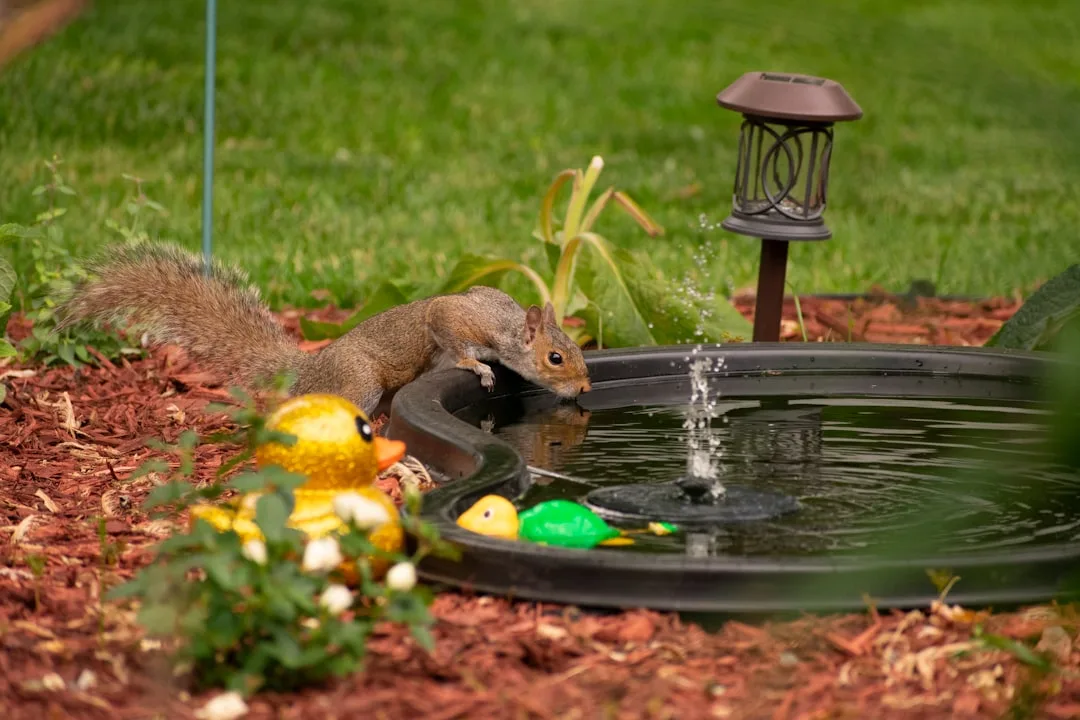
Four primary approaches dominate residential installations in 2026. Pondless recirculating fountains—units with a hidden basin—require no digging and integrate with existing patios. Self-contained fountain bowls from vendors like Campania International come pre-assembled and can be installed in one afternoon. Backyard ponds demand excavation but create habitat value and visual depth that fountains cannot match. Biofilter systems add fish and plants, turning a static pond into an ecological feature that draws wildlife.
| Water Feature Type | Installation Scope | Best For |
|---|---|---|
| Pondless Fountain | 1 day, no excavation, plug-and-play pump | Renters, small spaces, low commitment |
| Wall-Mounted Water Feature | Half day, requires outlet and drainage | Patios, tight backyards, modern aesthetics |
| Backyard Pond (6–12 ft) | 3–5 days, excavation, liner installation | Established homes, wildlife habitat goals |
| Stream or Waterfall | 5–7 days, grading, pump system, stone work | Hillside yards, dramatic focal points |
| Biofilter Ecosystem Pond | 7–10 days, filtration setup, plant integration | Fish, plants, self-sustaining water gardens |
The Most Common Water Feature Installation Mistakes
The #1 error: placing water features in shade-heavy areas to The #1 error: placing water features in shade-heavy areas to avoid maintenance, when actually sunlight supports healthy plant growth and algae control. Second most common: undersizing the pump system, which leads to weak water circulation and stagnant conditions. Third: neglecting proper drainage and grading around the feature, causing erosion or pooling that damages surrounding landscaping. Fourth: installing features without considering existing utility lines, creating costly excavation problems. Fifth: choosing materials that don’t match your home’s architectural style, resulting in features that feel disconnected from your overall design.
Avoiding these pitfalls starts with consulting a professional installer during the planning phase. They’ll assess your yard’s sun exposure, soil composition, and existing infrastructure before recommending a solution. Taking time to plan saves money on corrections later.
Seasonal Maintenance and Year-Round Care
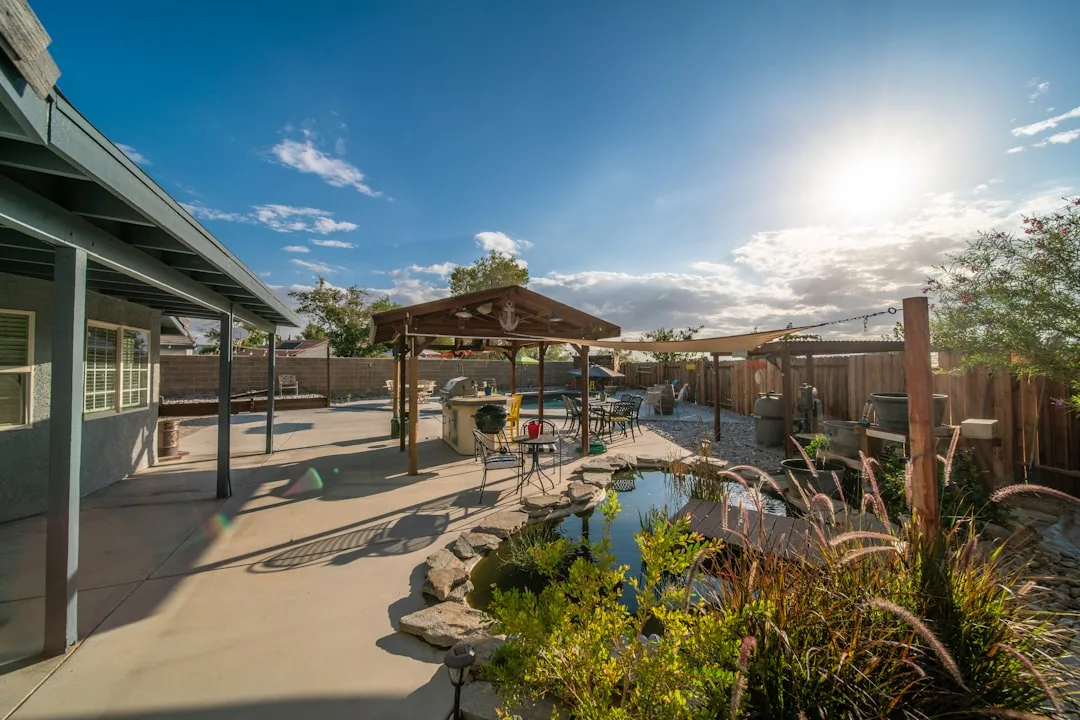
Water features require different attention levels depending on the season. Spring brings debris from winter storms—leaves, twigs, and sediment accumulate in ponds and basin features. Summer demands regular checking of water levels, as evaporation increases, and pump filters need cleaning every two to four weeks. Fall requires covering or draining certain features to prevent damage from freezing temperatures and leaf buildup. Winter maintenance varies by climate: in mild regions, a simple cover and occasional debris removal suffice; in harsh climates, draining fountains and shutting down pumps protects equipment from ice damage.
Regular upkeep also means monitoring water quality, checking pump operation, and inspecting stone or concrete for cracks. Investing in seasonal maintenance plans from landscape professionals ensures your feature remains beautiful and functional year-round. Consider this part of your broader home improvement strategy—a well-maintained water feature adds lasting value, similar to other enhancements discussed in Elevating Your Living Space Through Architectural Innovation and Home Improvement.
Enhancing Your Outdoor Space with Professional Design Integration
Water features work best when designed as part of a cohesive outdoor living plan. A skilled landscape designer considers sightlines from your patio, windows, and entryways, positioning the feature where it becomes a natural focal point. They evaluate how lighting, surrounding plantings, and hardscape elements interact with the water feature to create visual harmony. Professional integration also means sizing the feature appropriately—an oversized fountain overwhelms a small yard, while a tiny basin gets lost in a sprawling landscape.
The design process includes determining which materials and styles complement your home’s exterior. Whether your aesthetic is modern minimalist, rustic cottage, or Mediterranean inspired, water features can be customized to match. When combined with other improvement projects like new patio construction or garden beds, a professional designer ensures everything works together as one unified design. Learn more about comprehensive outdoor upgrades in Upgrade Your Home with These 3 Improvement Projects.