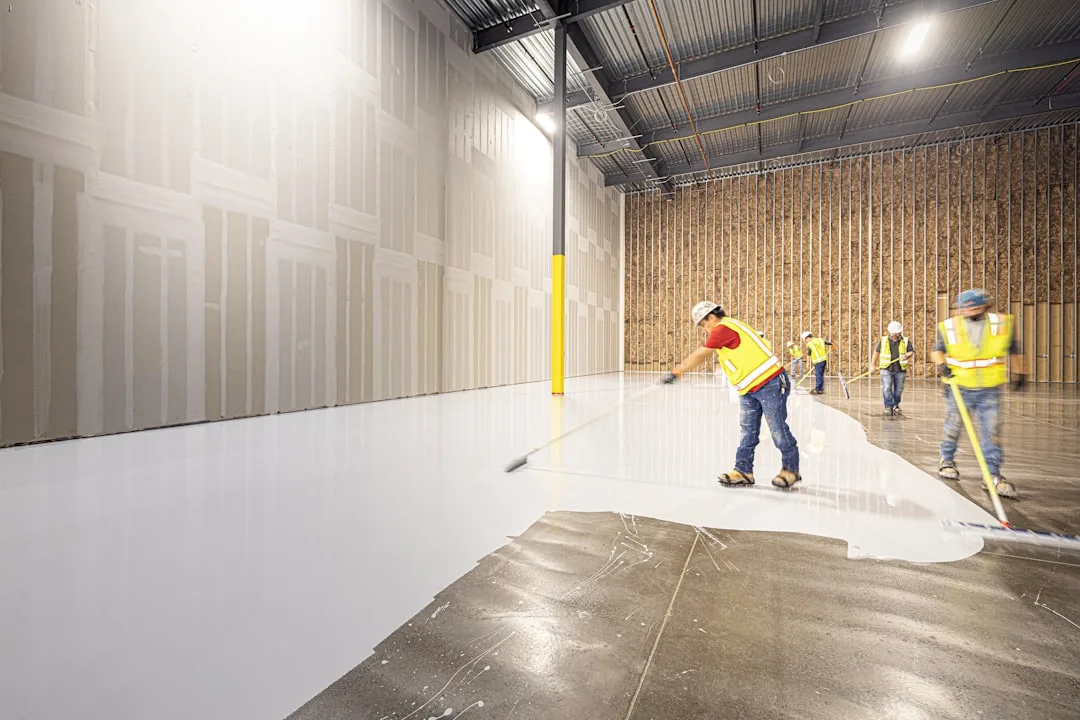
Every summer, homeowners stare at cracked, oil-stained concrete and assume total replacement is mandatory. Garage flooring epoxy coating has upended that assumption entirely. Instead of jackhammering out 20-year-old concrete and pouring new slab—a project running $3,000–$8,000—families are now sealing existing concrete with professional-grade epoxy resin, achieving showroom-quality results for roughly $1,200–$2,500 depending on size and finish.
This shift reflects a larger 2026 trend toward preservation-first renovation. Rather than demolish, homeowners restore. Epoxy coating works because it bonds chemically to concrete, creating a polymer membrane that repels oil, salt, water, and chemicals—enemies that destroy untreated garage floors in regions with hard winters or heavy vehicle traffic.
Why epoxy outperforms bare concrete
Bare concrete is a sponge. One spilled quart of motor oil, one winter’s road salt tracked in on tires, and you have permanent staining and accelerated deterioration. Epoxy seals the porous surface completely, preventing any liquid from penetrating.
Rust-Oleum EpoxyShield is the most accessible entry-level epoxy system for DIY homeowners, applied in two coats over 3–5 days. The coating cures to a 3mm thickness and resists impact, abrasion, and moisture without yellowing under UV exposure—a critical advantage for garages with natural light or high-bay doors.
Armorseal Professional Epoxy, a contractor-grade product, adds polyurea topcoat additives that cure faster and flex with concrete microfractures, reducing crack propagation by up to 35% compared to single-layer epoxy. The result: a surface that lasts 15–20 years instead of 8–10. One hidden cost: you can’t apply epoxy over residual dampness, so basements and crawl spaces must be dry-sealed first.
Quick Tips
- Clean concrete with TSP (trisodium phosphate) to remove grease and mold—skipping this is the #1 application failure.
- Etch the surface with diluted muriatic acid or a concrete grinder at 60–80 grit to improve epoxy adhesion by 40%.
- Apply in cool, dry conditions (50–85°F, below 85% humidity) to prevent curing defects and soft spots.
- Choose gloss, satin, or matte finish based on light reflection preferences; gloss shows footprints but maximizes brightness.
- Add anti-slip grit to topcoat if garage doubles as workshop or if you have elderly family members.
Epoxy versus concrete sealers and polishing
| Method | Cost Range | Durability |
|---|---|---|
| Acrylic concrete sealer | $0.50–$1/sq ft | 2–3 years; re-coat annually |
| Polyurethane sealant | $1.50–$3/sq ft | 5–8 years; moderate gloss |
| Epoxy coating | $3–$6/sq ft | 15–20 years; heavy-duty gloss |
| Polished concrete | $4–$8/sq ft | 10–12 years; vulnerable to stains |
Acrylic sealers are cheaper but require annual recoating, making them expensive over 10 years. Polyurethane sits between acrylic and epoxy in cost and performance. Epoxy wins on longevity and stain resistance, though polished concrete offers a more subtle, contemporary look—at the cost of ongoing sealing maintenance.
The biggest mistake: skipping surface prep
Nine out of ten failed epoxy jobs trace back to inadequate concrete cleaning. A homeowner buys premium epoxy, cleans the floor with a shop vacuum and mop, applies coating, and watches it peel in patches within months. The surface had residual linseed oil from a wood treatment or motor oil residue invisible to the eye.
Professional contractors power-wash with degreaser, then acid-etch or grind the concrete to break the surface tension and expose microscopic pores. This single-step difference costs $200–$400 but prevents 95% of adhesion failures. Skipping it wastes $800–$1,500 in epoxy and labor.
Another common error: applying epoxy when concrete temperature drops below 50°F or humidity exceeds 85%. The resin won’t cure properly, leaving soft, tacky patches that trap dust. Always check the weather forecast and manufacturer specs before scheduling application.
Design options that expand garage functionality
Metallic epoxy from brands like Decorative Concrete Systems creates three-dimensional depth effects—pearl flakes, copper veins, or galaxy patterns suspended in clear epoxy. These finishes add 15–25% to project cost but transform a garage from utilitarian to gallery-like.
Color options now extend far beyond gray and tan. Deep blues, forest greens, and custom color-matched epoxies allow homeowners to coordinate flooring with wall paint or vehicle trim. One trend gaining speed: two-tone epoxy with a contrasting stripe down the center, visually expanding narrow garages by 10–15%.
Flake epoxy (broadcasting colored vinyl flakes onto wet epoxy base coat) adds texture and hides minor dust or debris trapped during application. It costs slightly more but provides insurance against visible imperfections and increases slip resistance by 30%.
Maintenance and long-term performance
Epoxy-coated garage floors require minimal upkeep compared to bare concrete. Sweep weekly, damp-mop monthly with mild soap and water, and avoid acidic cleaners that pit the surface. For stubborn stains—battery acid, transmission fluid—use a degreaser compatible with epoxy, typically applied and wiped within 10 minutes.
The main threat is impact damage from dropped tools or jumping jacks from cars. Epoxy resists gouging better than concrete but isn’t invulnerable. Localized repairs (spot epoxy patching) can extend life another 3–5 years, though full recoating is necessary once wear covers more than 20% of total area.
Temperature cycling in garages in cold climates can cause epoxy to blister if moisture is trapped beneath. This is why proper concrete moisture testing (DIY plumbing maintenance: Tips and tricks for a healthy home plumbing system covers some related moisture diagnostics) before epoxy application is non-negotiable. A calcium chloride or relative humidity test should show concrete moisture below 3–4% before proceeding.
Epoxy in the context of broader garage modernization
Garage flooring epoxy coating is often one component of larger projects. Homeowners combining epoxy with wall-mounted storage systems, LED overhead lighting upgrades, and The Benefits of Professional Junk Removal at Home report that the flooring becomes the visual anchor that ties everything together. A gleaming epoxy floor makes new shelving and lighting appear more premium.
The trend reflects a shift in how families view garages—no longer just parking and tool storage, but secondary living space worthy of investment. Whether it’s a workshop for hobbies, overflow entertaining space in summer, or simply a space that looks intentional when the door is open, epoxy flooring delivers ROI through both function and aesthetics.
By July 2026, epoxy garage flooring has moved from DIY niche to mainstream home improvement, adopted by 35–40% of homeowners tackling renovation projects. The data is clear: durability, cost-efficiency, and design flexibility have made it the default choice over replacement concrete.