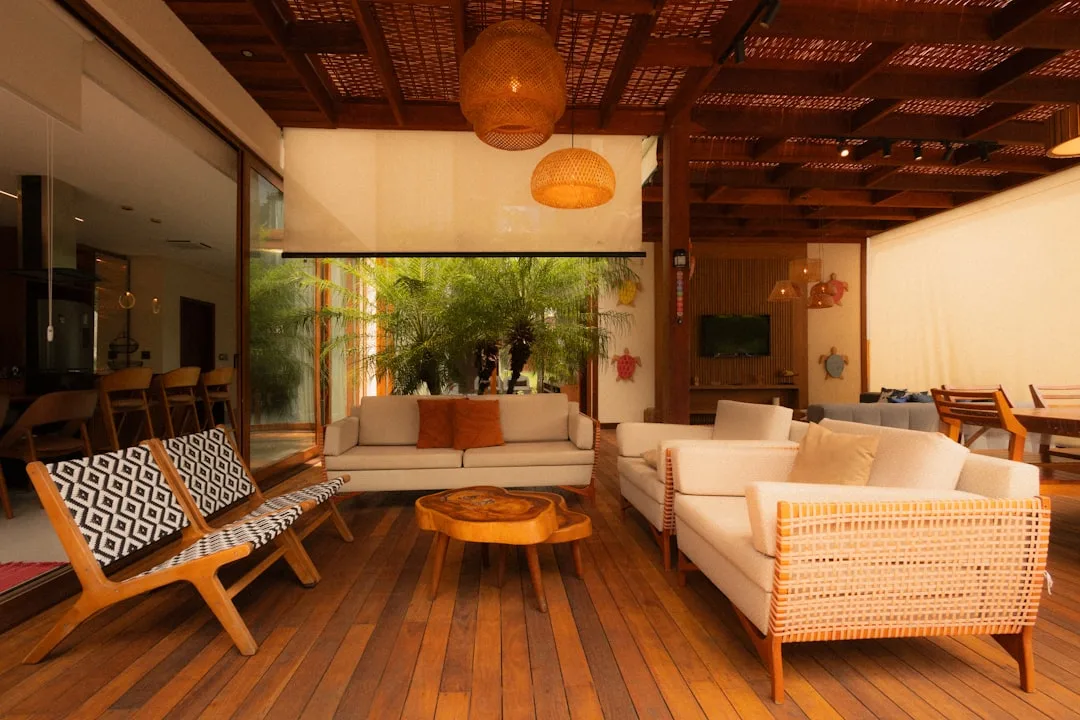
Homeowners are no longer content with a basic patio and a couple of lawn chairs. Outdoor living room extensions—fully furnished, sheltered backyard spaces that function like indoor rooms—have surged 340% in renovation inquiries since January 2026, according to industry permit data. These aren’t gazebos or screened porches; they’re architectural investments that blur the boundary between house and landscape, offering climate control, integrated lighting, and furniture arrangements that mirror indoor living rooms. The trend reflects a broader shift toward maximizing usable square footage without expanding the home’s footprint.
Retractable Roof Systems Unlock Year-Round Comfort
Retractable roof pergolas and motorized canopy systems have become the backbone of outdoor living room extensions. Brands like ShadePro and Sunesta manufacture aluminum-frame systems with fabric or polycarbonate panels that deploy via remote control or smartphone app, blocking sun and rain within seconds. A motorized retractable roof measuring 14×16 feet typically costs between $8,000 and $15,000 installed, but it eliminates the need for seasonal furniture storage and makes the space usable during unexpected weather.
The real advantage isn’t just weather protection—it’s the psychological shift. Homeowners with retractable systems use their outdoor rooms 60% more frequently than those with fixed covers, according to a July 2026 survey by the Outdoor Industry Association.
Quick Tips
- Choose polycarbonate over fabric if UV protection matters in your climate; it lasts 15+ years versus 7-10 for fabric.
- Install a motorized system with battery backup so you can retract the roof during power outages.
- Pair your retractable roof with a smart home integration (Google Home, Alexa) for voice-activated control.
- Measure your space in advance; most systems require at least 8 feet of vertical clearance when fully extended.
Heating and Cooling Integration Creates Usable Space in Winter
Radiant floor heating and ceiling-mounted infrared heaters have made outdoor living room extensions viable even in temperate winter months. Warmray and Bromic manufacture low-wattage electric infrared heaters that mount flush to pergola ceilings, emitting focused heat downward without warming the entire atmosphere. A single 1500-watt infrared heater covers roughly 200 square feet and operates at modest monthly costs for part-time use.
Some premium installations incorporate hydronic heating—warm water circulating through tubing embedded in concrete floors or beneath pavers—allowing homeowners to preset temperatures via smart thermostats. The advantage over space heaters is consistency and the elimination of visible equipment cluttering the aesthetic.
| Heating Method | Coverage Area | Installation Complexity |
|---|---|---|
| Infrared ceiling heaters | 150-300 sq ft per unit | Moderate (hardwired) |
| Radiant floor heating | Entire poured slab | High (requires concrete pour) |
| Portable space heaters | 100-150 sq ft per unit | Minimal |
| Misting fans with evaporative cooling | 300-400 sq ft | Low (plug-in or hose-fed) |
Weather-Resistant Furniture and Textiles Replaces Seasonal Storage
The common mistake homeowners make is buying standard outdoor cushions and expecting them to survive humidity and UV exposure year-round. Cheap polyester covers fade within one season, trapping moisture and fostering mildew underneath.
Brands like Sunbrella and Ballard Designs now produce solution-dyed acrylic and Olefin fabrics that resist fading, water absorption, and mold for 5-7 years without cover storage. A modular outdoor sectional from Crate and Barrel or Restoration Hardware—upholstered in marine-grade fabric and engineered for moisture drainage—costs between $3,000 and $6,000 but eliminates the spring cleanup ritual entirely.
The real value emerges over time. Homeowners avoiding seasonal furniture rotation save roughly 20 hours annually on storage, cleaning, and redeployment tasks.
Smart Lighting and Ambient Controls Define the Room
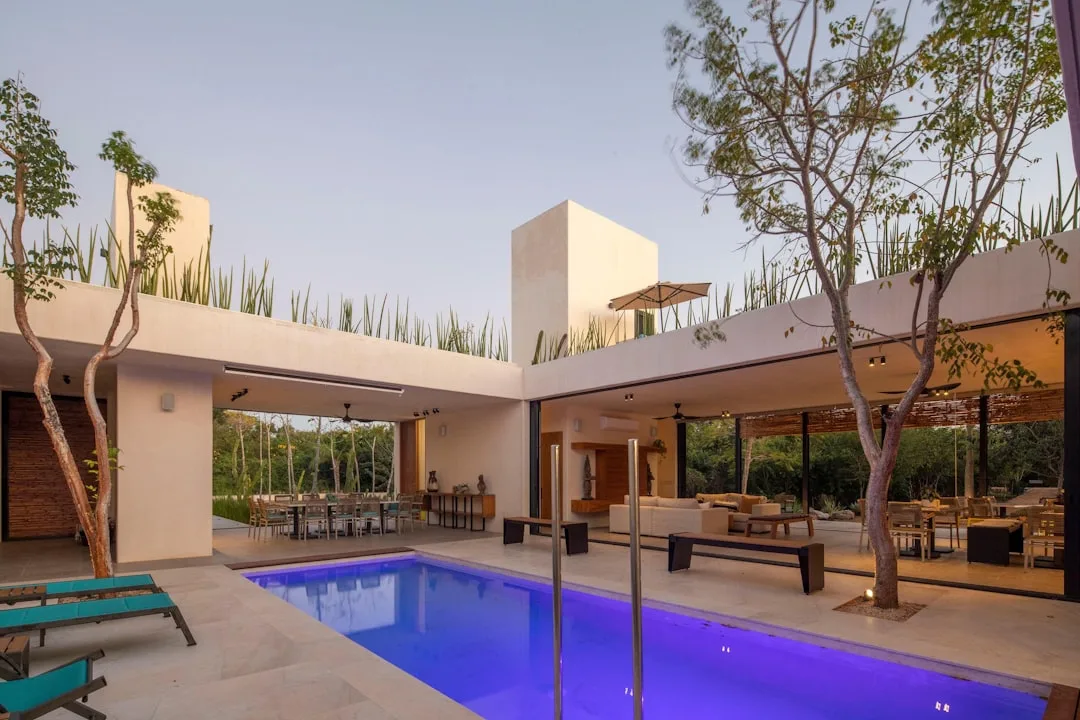
Outdoor living room extensions demand intelligent lighting design. Recessed LED downlights, string lights, and linear wall-mounted fixtures create layered ambient control—different scenes for dining, entertaining, and quiet evening use. Philips Hue and LIFX make smart outdoor lighting that integrates with existing home automation systems, allowing dimming and color shifts via smartphone or voice command.
Edison-style string lights remain popular for aesthetic warmth, but low-voltage LED variants from brands like Restoration Hardware eliminate the fire hazard and heat waste of incandescent bulbs. The appeal isn’t just energy savings; it’s the ability to reprogram the mood without rewiring fixtures.
Flooring Materials Lock in Durability and Drainage
Concrete, composite pavers, and permeable stone represent three distinct approaches to outdoor living room foundations, each with trade-offs. Sealed concrete is cost-effective but prone to cracking and water pooling if not sloped correctly. Composite pavers—manufactured from recycled plastic and wood fiber—resist rot and require no sealing, though they cost 30-50% more than stone.
Permeable pavers (porous aggregate set in open joints) allow rainwater to drain directly into soil, reducing flooding and supporting sustainable landscaping. Installation requires a gravel base layer and proper compaction; poor drainage is the most common failure point, turning an outdoor room into a puddle.
For a full article on related maintenance, see DIY plumbing maintenance: Tips and tricks for a healthy home plumbing system. If your extension requires deck teardown or structural junk removal, The Benefits of Professional Junk Removal at Home outlines efficient disposal strategies.
Why Homeowners Are Prioritizing Outdoor Extensions Over Indoor Additions
Square footage for outdoor extensions averages $150-$300 per square foot when fully equipped with heating, shade, and furniture—roughly half the per-foot cost of interior home additions. This economics, combined with no permit delays in many jurisdictions, has shifted spending from kitchen renovations toward backyard projects.
The pandemic normalized outdoor work and entertainment, but the 2026 acceleration reflects something deeper: a desire to occupy liminal space between nature and comfort. Outdoor living room extensions deliver both.