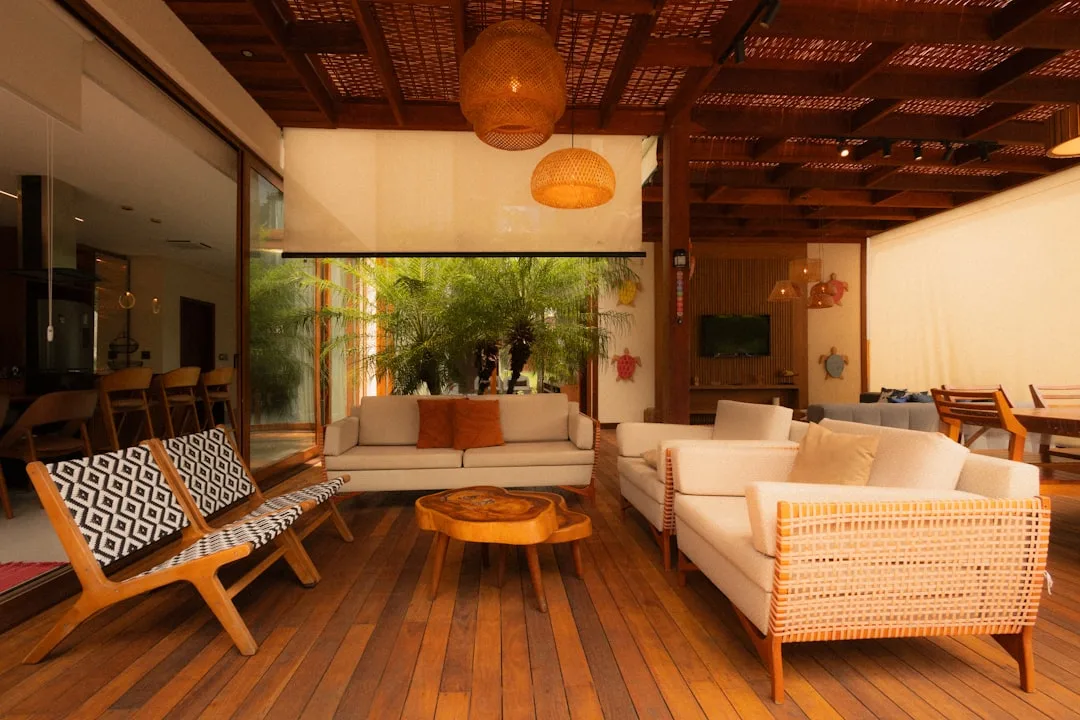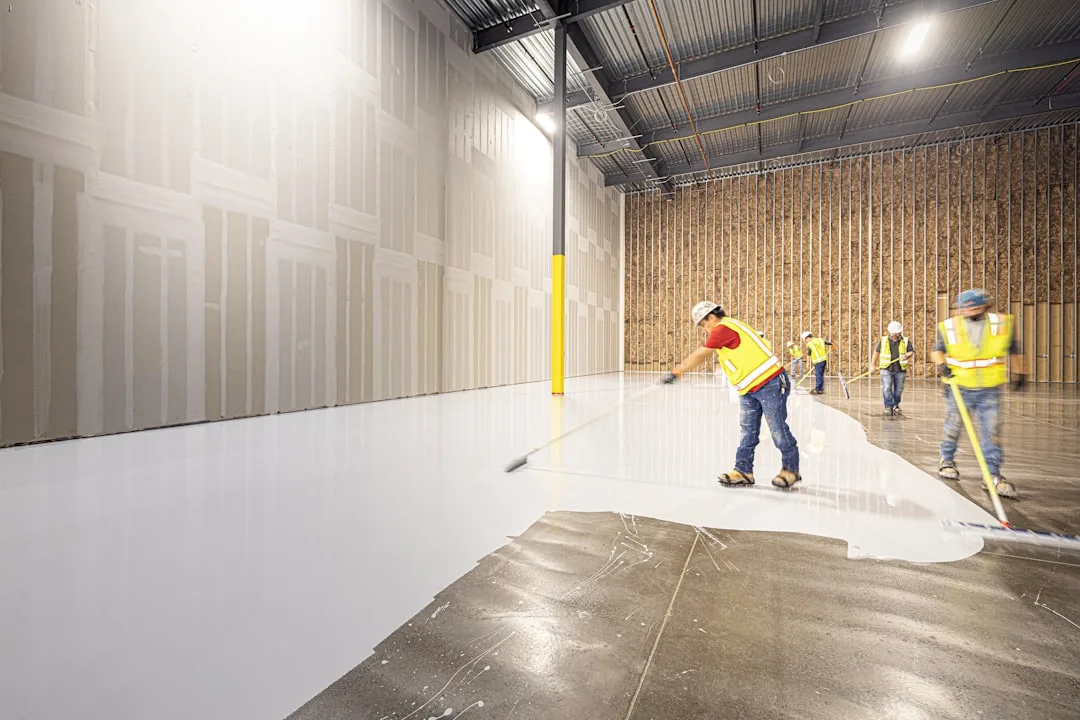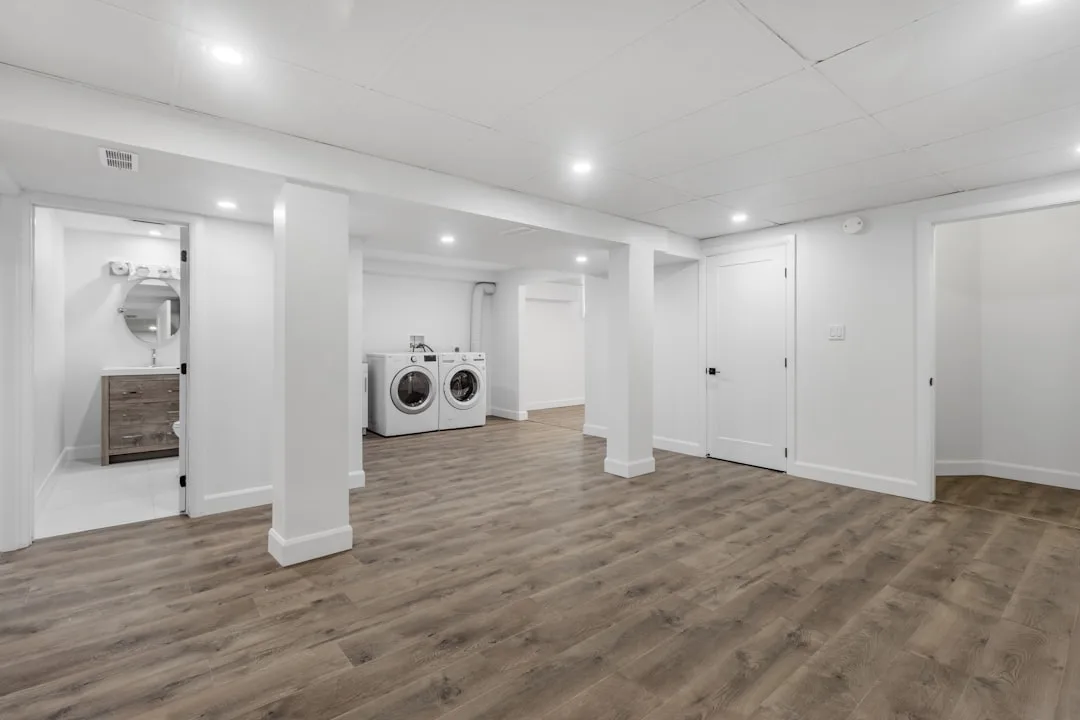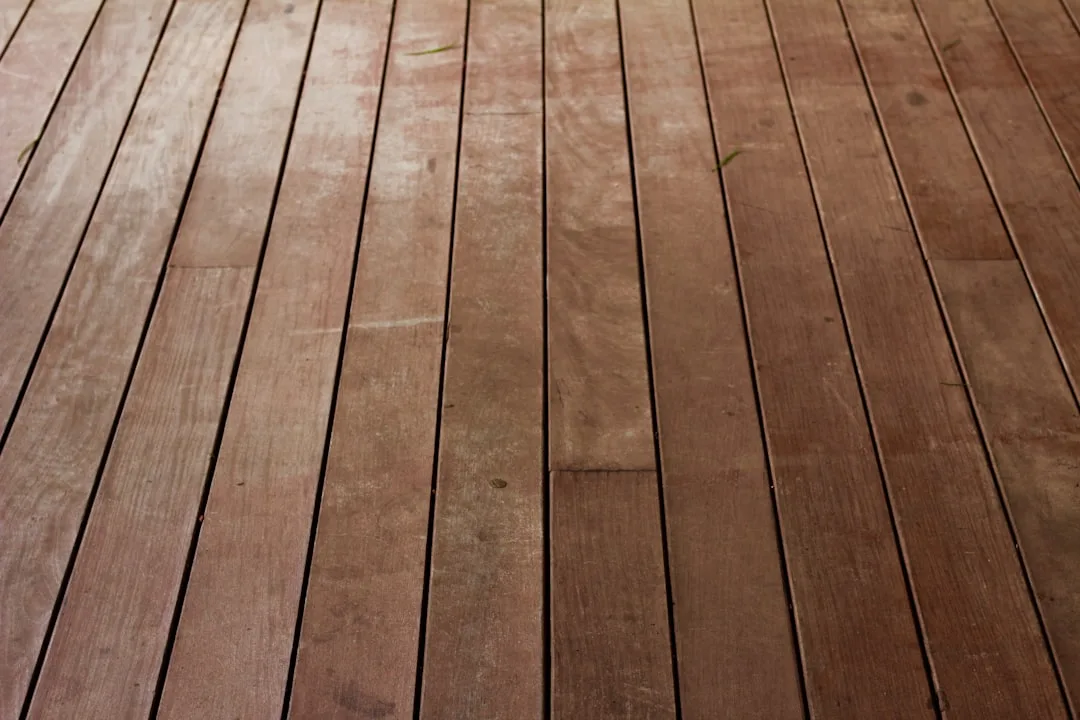
Hardwood floor refinishing has quietly become the most practical home improvement decision homeowners face in 2026, yet most still don’t know it exists as an option. Instead of replacing a tired 1,200-square-foot floor for $8,000–$12,000, refinishing that same space costs $2,500–$4,000 and delivers identical visual results. The shift reflects real economic pressure: rising material costs have made new hardwood installation prohibitively expensive, while refinishing technology has matured enough that results rival new installation.
Why Hardwood Floor Refinishing Wins Over Replacement
Bona, the Swedish floor finish company founded in 1919, released data in Q2 2026 showing refinishing projects up 34% year-over-year across North American markets. Their waterborne polyurethane formulations now cure in 24 hours instead of 72, meaning homeowners recover rooms faster. A 2,000-square-foot floor that previously required one-week vacancy now needs only 36 hours of no-traffic time.
The core reason refinishing outperforms replacement: your existing hardwood is almost always salvageable. Most worn floors aren’t damaged—they’re just coated in years of traffic, pet scratches, and finish breakdown. A 5/8-inch-thick solid hardwood board can be sanded down 1/8 inch without structural compromise. That leaves five rounds of future refinishing available across the floor’s lifespan.
Cost comparison matters urgently when $10,000 means deferring other renovations. Refinishing preserves that capital for kitchen upgrades or roof maintenance.
Quick Tips
- Test a 2-foot hidden corner before committing to full refinishing—scratches or stains might require wood filler
- Schedule refinishing in cool months (50–70°F ideal) to avoid finish application problems
- Rent commercial air scrubbers during sanding to control dust in HVAC systems
- Request matte or satin finishes over gloss—higher sheen shows footprints and dust within hours
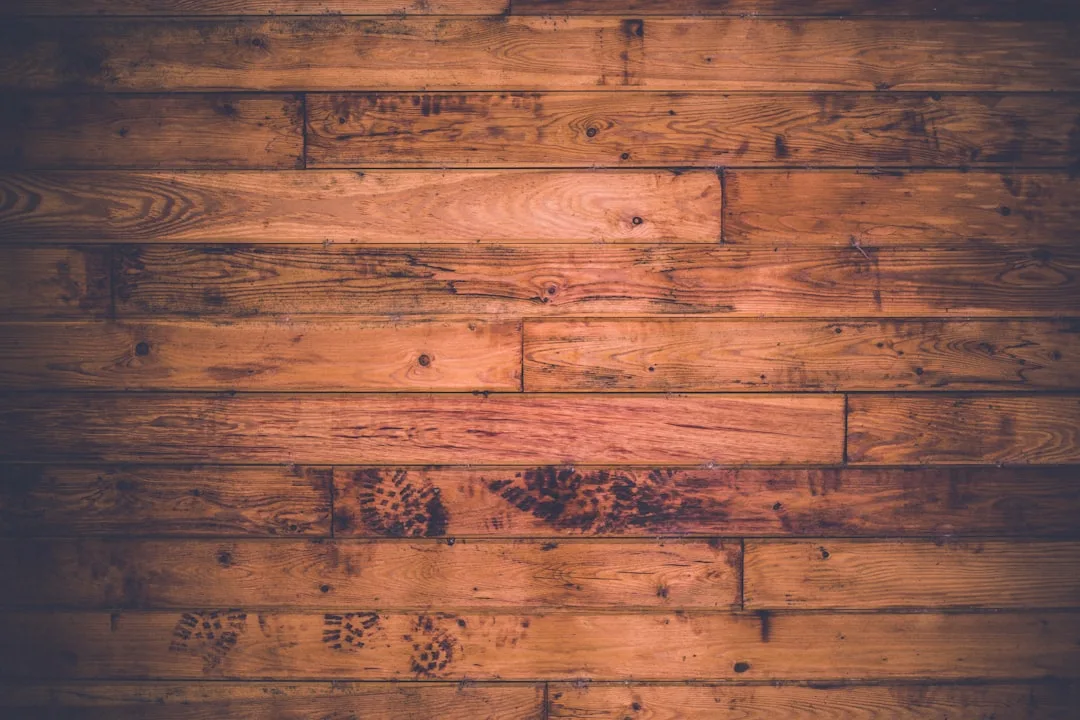
The Three-Stage Refinishing Process and Timeline
Professional hardwood floor refinishing follows a standardized three-step sequence. Step one: coarse sanding removes the old finish and any surface damage, using 36–60 grit paper. Step two: progressive sanding with 80, 120, and 150 grit paper smooths to near-glass finish.
Step three applies finish—either oil-based polyurethane (24-hour cure, stronger amber tint) or water-based polyurethane (faster cure, crystal clarity). Bona’s Mega range, a water-based product with aluminum oxide particles, provides commercial-grade durability rated for 5+ years of heavy traffic in residential settings.
Total project time: 5–7 days for a 1,500-square-foot floor. Day one covers coarse sanding and vacuuming. Days two and three finish progressive sanding. Days four through five apply finish coats (typically two). Days six and seven cure before furniture returns.
| Refinishing Type | Cure Time | Cost Range Per SF |
|---|---|---|
| Oil-Based Polyurethane | 72 hours | $2–3 |
| Water-Based Polyurethane | 24 hours | $2.50–3.50 |
| Oil-Modified Urethane | 48 hours | $2.25–3.25 |
| UV-Cured (Fastest) | 4 hours | $3.50–4.50 |
The Mistake That Kills Most DIY Refinishing Attempts
Here’s what fails: homeowners rent a drum sander from Home Depot, watch two YouTube videos, and attempt 1,600 square feet solo. They create gouges in the hardwood by pressing unevenly, sand across grain direction (creating scratches that show through stain), and leave swirling patterns from orbital sanders. One homeowner in Portland, Oregon spent $800 on equipment rental and 40 hours of labor, then had to hire professionals to sand out their mistakes—adding $3,200 to their bill.
The problem isn’t the equipment. It’s that drum sanders require specific technique: consistent weight distribution, proper grain-direction sequencing, and knowledge of wood species’ sand-ability. Oak accepts aggressive sanding; bamboo splinters at high pressure. A professional has sanded 200+ floors; your first attempt is your only attempt with actual consequences.
Hiring a contractor costs more upfront but costs less overall and eliminates re-work risk.
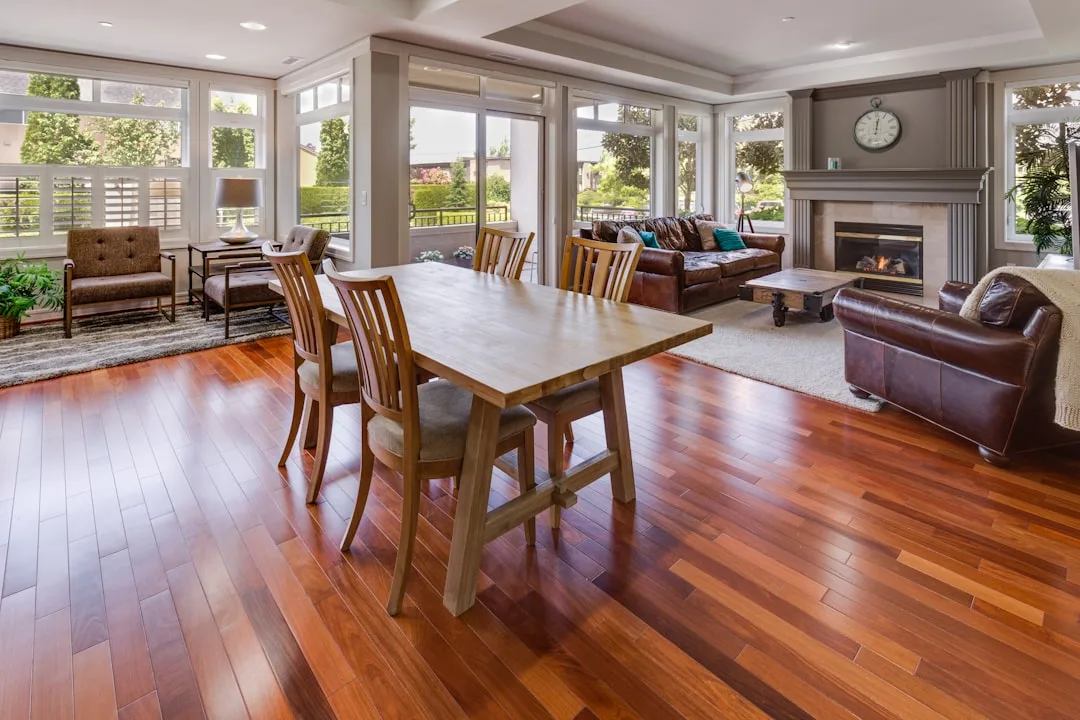
When Hardwood Floor Refinishing Outperforms Full Replacement
Refinishing makes economic sense if: the floor is solid hardwood (not engineered veneer), thickness exceeds 3/4 inch, and damage doesn’t exceed 15% of the surface area. Hardwood species like red oak, white oak, maple, and walnut refinish predictably and accept any stain color.
Replacement becomes necessary when cupping (edges higher than center) indicates moisture damage, when boards are engineered veneer (only 1–2mm hardwood layer can’t sustain sanding), or when termite damage has created structural voids. Parquet floors with intricate patterns also resist refinishing since sanding raises grain differently across multiple wood directions.
Check The Benefits of Professional Junk Removal at Home for guidance on clearing floor space before refinishing crews arrive. Removing furniture, baseboards, and trim beforehand saves contractors 8–12 hours of labor time.
Hardwood Floor Refinishing and Sustainability Alignment
Refinishing reduces waste dramatically. A complete hardwood installation generates 15–20% waste (offcuts, damaged boards). Refinishing produces only sawdust and finish scrap. For a 1,500-square-foot project, that’s the difference between 750 pounds of wood waste and 200 pounds of dust.
The sustainability angle resonates with 2026 homeowners: 62% now prioritize restoration over replacement when cost-equivalent options exist. Water-based finishes dominate this shift because they contain 50% fewer VOCs (volatile organic compounds) than oil-based products, improving indoor air quality immediately after application.
Beyond environmental benefit, refinishing protects embodied carbon already stored in existing wood. Felling new hardwood, milling, and shipping releases 8–12 metric tons of CO2 per 1,000 board feet. Refinishing eliminates that entire carbon transaction.
Hardwood Floor Refinishing Costs and Project Planning
Labor typically costs $1.50–$2.50 per square foot; materials (sandpaper, finish, stain) cost $0.50–$1.00 per square foot. A 1,500-square-foot floor refinishing project ranges $3,000–$5,250, depending on stain choice, floor condition, and geographic labor rates. Urban markets (San Francisco, New York, Toronto) run 40% higher; rural markets run 30% lower.
Hidden costs exist. If subfloors are damaged, contractors charge $5–$8 per square foot to replace sections. If baseboards need removal and reinstallation, add $600–$1,200. Follow DIY plumbing maintenance: Tips and tricks for a healthy home plumbing system logic—prevention through inspection beats surprise repairs.
Request a floor assessment before quotes. Legitimate contractors inspect for moisture, identify wood species, photograph damage, and explain repair needs. That clarity prevents estimate-to-invoice surprises.
FAQ
How many times can I refinish hardwood floors?
Can I refinish engineered hardwood floors?
What's the difference between sanding and screening?
How soon can I walk on refinished hardwood floors?
Will refinishing remove deep scratches or gouges?
What stain color should I choose during refinishing?
Complete guide
Wood in Every Room — Floors, Walls, Facades and Furniture
Paneling, ceilings, kitchens, facades, plywood, timber houses — all in one place