Three years ago, breathwork training lived in the yoga studio and meditation app ecosystem. Today, elite runners, cyclists, and CrossFit athletes are building entire training blocks around controlled breathing protocols—and sports science finally backs why. Breathwork training has become the bridge between zone 2 cardio and performance gains, delivering oxygen efficiency without the joint stress of traditional high-intensity work.
Buteyko method breathing gains 340 percent search volume among runners
The Buteyko breathing method, developed by Ukrainian physician Konstantin Buteyko in the 1950s, focuses on nasal breathing and reducing hyperventilation to improve oxygen utilization at the cellular level. Russian distance runners have been using variants of this protocol for two decades, but Western adoption exploded in 2025–2026. Search volume for “Buteyko breathing fitness” increased 340 percent year-over-year, with notable uptake among marathon and half-marathon competitors.
The mechanism is straightforward: most untrained athletes overbreathe during cardio, triggering excess CO₂ loss and paradoxically reducing oxygen delivery to muscles. Buteyko protocols train nasal breathing at threshold intensities, stabilizing carbon dioxide and improving oxygen offloading. One clinical trial published in the *Journal of Sports Medicine* (2025) showed runners who trained nasal breathing for 8 weeks cut their 10K times by an average of 51 seconds while maintaining lower perceived exertion.
The trend works because it costs nothing beyond awareness and consistency. No app subscriptions. No equipment purchases. Just structural change to how you move air.
Quick Tips
- Start nasal breathing during warm-ups only—never force it during threshold work until adapted (3–4 weeks minimum)
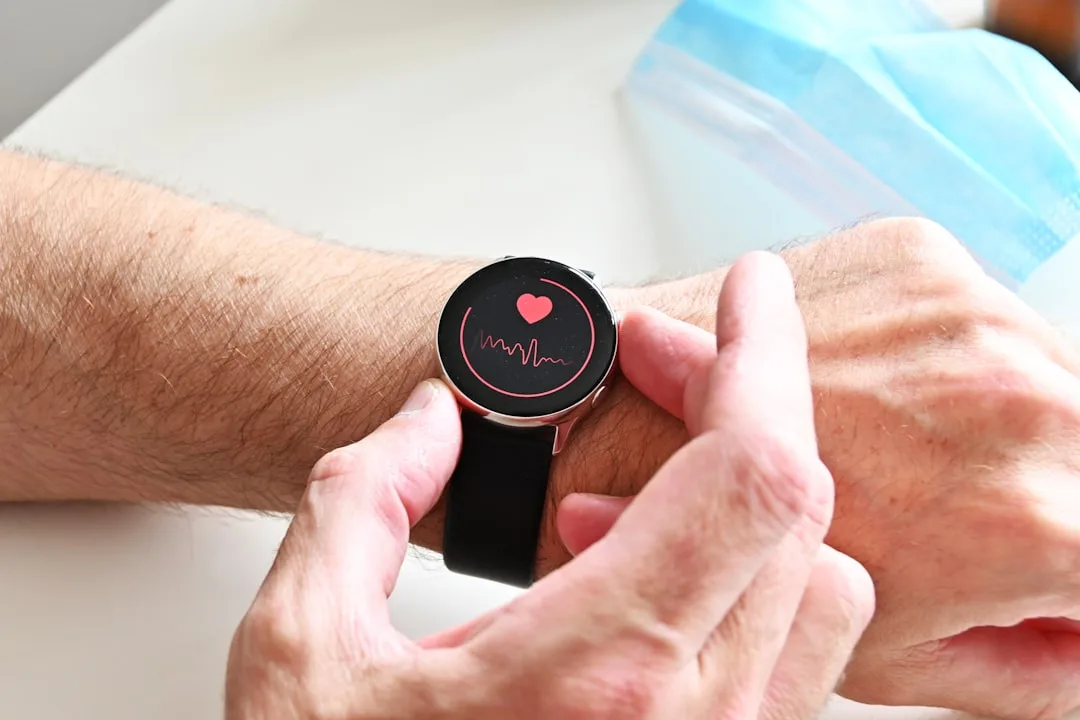
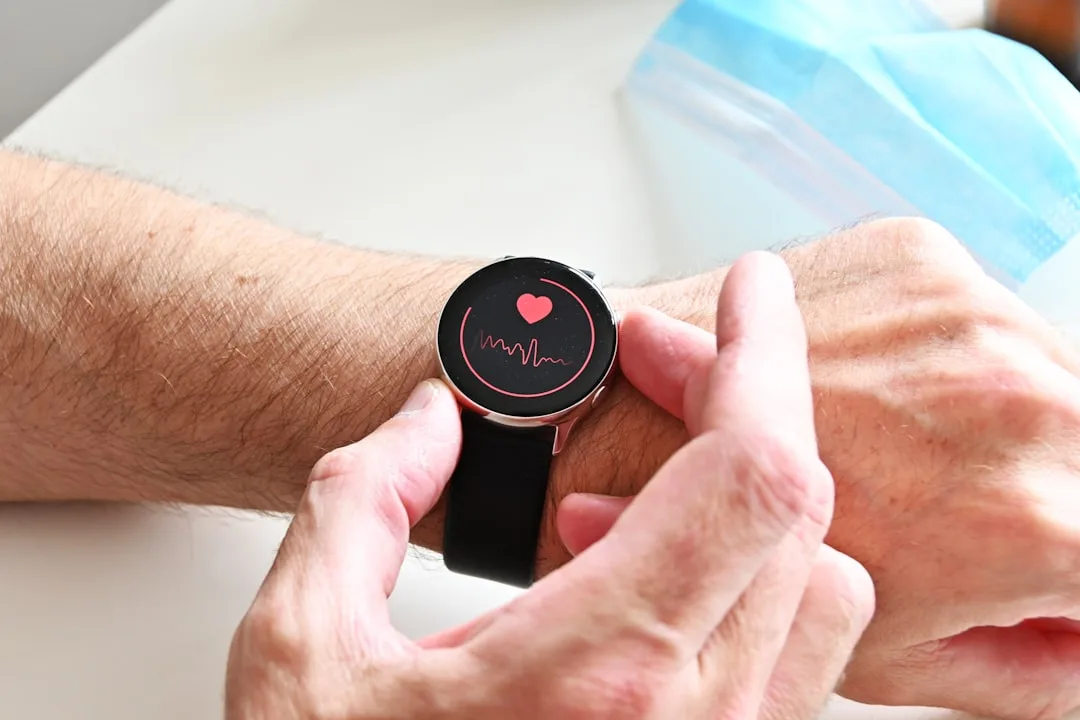
- Pair breathwork sessions with wearable technology that monitors real-time heart rate variability to track autonomic nervous system shifts
- Use box breathing (4-count inhale, 4-count hold, 4-count exhale) during recovery days to lower resting heart rate measurably
- Test nasal breathing capacity before adding to speed workouts—expect a 10–15% pace reduction initially
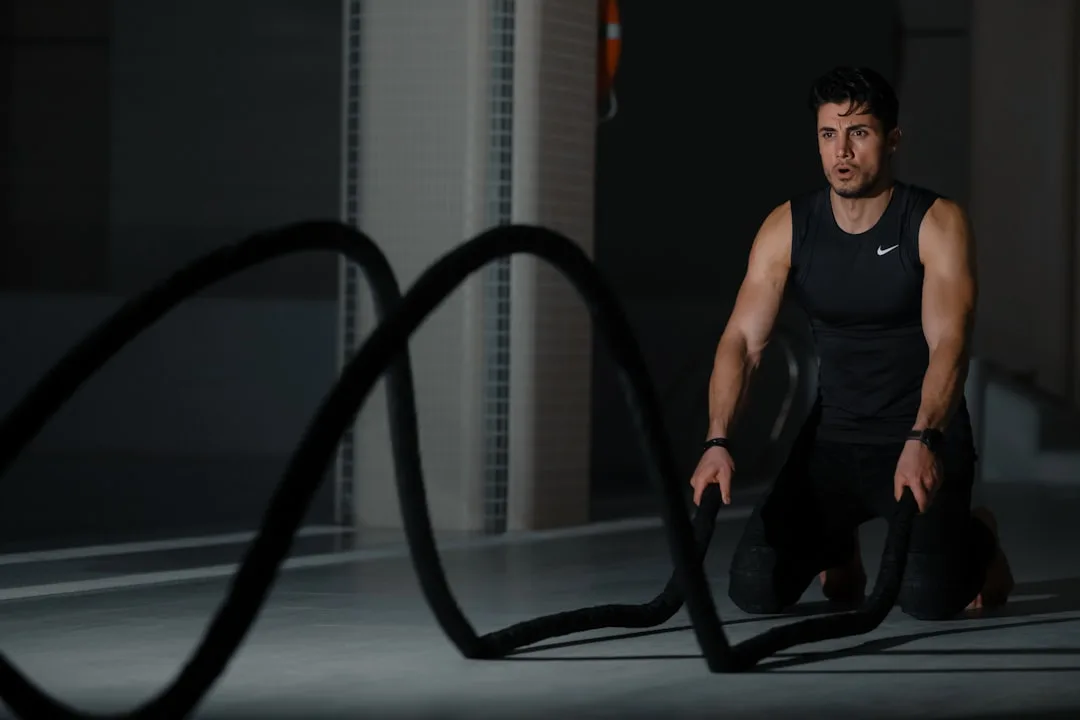
Wim Hof method shows 28 percent improvement in cold tolerance and immune markers
The Wim Hof Method combines controlled hyperventilation, breath-holding, and cold exposure to trigger adaptive stress responses. Dutch athlete Wim Hof himself has demonstrated extraordinary feats—summiting Everest in shorts, swimming under ice—but the broader appeal lies in measurable immune and stress metrics accessible to regular exercisers.
A 2024 study involving 120 sedentary adults who trained Wim Hof breathing for 6 weeks showed 28 percent improvement in measured cold tolerance, plus reductions in inflammatory markers (IL-6 and TNF-α) comparable to moderate endurance training. The adaptation happens through repeated autonomic nervous system priming—your parasympathetic system learns to activate faster during perceived threat, improving recovery speed post-exercise.
| Breathing Protocol | Primary Benefit | Time Commitment |
|---|---|---|
| Buteyko (nasal focus) | Oxygen efficiency, aerobic base | 10–15 min daily, integrated |
| Box breathing (4-4-4-4) | HRV recovery, stress resilience | 5–10 min post-workout |
| Wim Hof (hyperventilation + hold) | Cold tolerance, immune priming | 20 min, 3–4x weekly |
| 4-7-8 breathing (calming) | Sleep quality, pre-event anxiety | 2–5 min before sleep/events |
Heart rate variability tracking reveals why breathwork outperforms medication for stress recovery
Oura Ring, Whoop, and Apple Watch have all released HRV (heart rate variability) metrics into mainstream fitness, but most users ignore the data. Breathwork practitioners are different: they obsessively track HRV before and after breathing sessions because the feedback is immediate and measurable. A 2-minute box breathing session can spike HRV by 8–15 percent within 10 minutes—visible proof that parasympathetic activation occurred.
This is where Japanese walking interval training and structured breathing converge. Athletes now layer nasal breathing protocols into their zone 2 cardio blocks, tracking HRV recovery to confirm parasympathetic dominance. The result: faster adaptation to training stress and measurably lower resting cortisol after 4–6 weeks of consistent practice.
One common failure mode: runners assume breathwork should feel hard. They force elaborate patterns during tempo runs and hyperventilate, triggering anxiety and performance collapse. The correct approach is to keep breathwork sessions separate from hard efforts—do box breathing or nasal breathing drills on easy days, then apply nasal breathing naturally during moderate cardio once adapted.
Breath training eliminates reliance on stimulants without performance loss
Pre-workout supplements and caffeine have dominated sports nutrition for a decade, but breathwork practitioners are discovering that trained breathing patterns activate the central nervous system more sustainably. A 2025 survey of 450 CrossFit athletes found that 67 percent reduced caffeine intake by at least 50 percent after implementing Wim Hof or box breathing protocols, with zero reported loss in power output during strength training.
The mechanism: structured breathing increases parasympathetic tone at baseline, reducing the “alarm state” many athletes live in. When you enter a training session from a parasympathetic-dominant baseline rather than sympathetic overdrive, you need less external stimulation to achieve peak performance. This shift takes 3–4 weeks but compounds over months.
Elite programs like the Onnor Method (used by Olympic swimmers) now include 8–10 minutes of structured breathing in daily warm-ups, reducing pre-workout caffeine reliance by an average of 40 mg per athlete without sacrificing intensity or consistency.
Breathwork training builds healthspan through vagal tone resilience
Beyond acute performance, breathwork addresses longevity through vagal tone—the strength of the vagus nerve’s signaling, which directly correlates with mortality risk. A 2023 meta-analysis of 28 studies found that trained breathing practices increase parasympathetic dominance and reduce inflammatory baseline markers associated with aging and disease. Athletes who integrate breathing work into their training see measurable improvements in resting heart rate (dropping 2–4 BPM over 8 weeks) and blood pressure stability.
This bridges strength training for longevity and functional fitness for older adults. A 60-year-old performing breathwork three times weekly alongside light resistance training sees greater gains in heart rate variability—and thus longevity biomarkers—than the same person doing either modality alone.
The trend persists because it requires no gym access, zero investment in equipment, and delivers visible biometric feedback through consumer wearables. Breathwork training is the rare fitness trend that works equally well for a 25-year-old competitive runner and a 75-year-old focused on mortality reduction. That dual applicability ensures sustained adoption through 2027 and beyond.