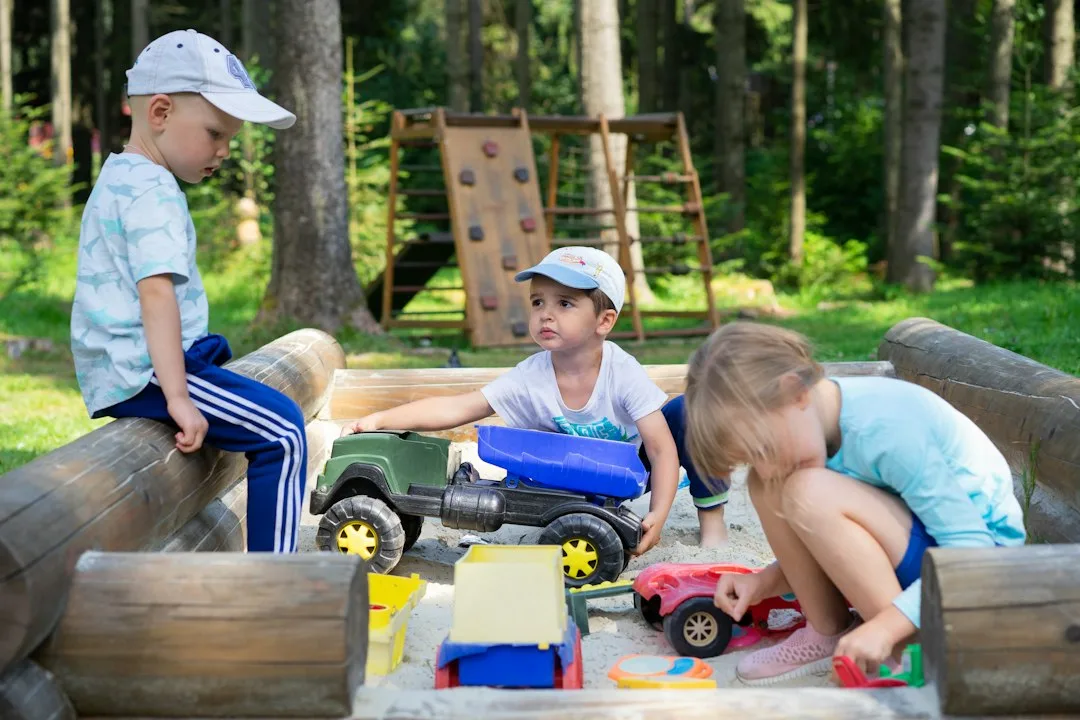
The Psychology Behind Intentional Parental Engagement
Modern child development experts have observed that children thrive when parents demonstrate consistent, purposeful attention rather than merely being physically present. This shift reflects a deeper understanding of attachment theory and how responsive caregiving shapes a child’s emotional resilience. Parents who practice hands-on presence create secure environments where children feel valued and heard, fostering healthy self-esteem from early childhood through adolescence.
The intentional approach differs markedly from helicopter parenting, which often stems from parental anxiety rather than genuine connection. Hands-on presence emphasizes quality interactions—listening without judgment, participating in activities together, and acknowledging a child’s emotional needs. This framework allows children to develop independence while maintaining a secure emotional anchor with their caregivers.
Practical Strategies for Busy Parents
Implementing hands-on parenting doesn’t require abandoning work responsibilities or restructuring an entire daily routine. Instead, parents are finding success through designated connection times—even 15 to 20 minutes of undivided attention per day can substantially improve parent-child relationships. Setting boundaries around distractions during these periods sends a powerful message that a child’s presence matters.
Creating rituals around everyday activities has become particularly effective. Family meals, bedtime routines, and morning check-ins serve as natural windows for engagement. Parents are also reconlaiming the value of unstructured play, where children lead activities and parents follow their curiosity rather than directing outcomes. This approach builds trust and encourages creative problem-solving skills without imposing adult expectations.

Screen Time Boundaries and Digital Presence
As families navigate an increasingly digital landscape, hands-on parenting includes thoughtful management of screen exposure. Rather than imposing blanket restrictions, intentional parents are establishing clear guidelines that reflect family values. Screen Time Limits for Children 2026 — Why Chronometric Parenting Replaces Unrestricted Digital Access explores how structured digital boundaries actually enhance rather than diminish parent-child connection by protecting time for face-to-face interaction.
The focus has shifted from viewing screens as entertainment replacements to considering them as tools that families manage together. Parents are modeling healthy digital habits by reducing their own device dependency during family time, demonstrating that presence is a practiced skill rather than an assumption.
Co-Parenting Communication in Separated Families
For families navigating separation or co-parenting arrangements, hands-on engagement requires intentional communication between caregivers. Both parents benefit from coordinating their approaches to parental involvement, ensuring consistency across households. Why Co-parenting Communication Tools Build Stronger Separated Family Networks examines how structured dialogue between parents ultimately strengthens a child’s sense of security and belonging.
Modern co-parenting frameworks emphasize that children need substantive, engaged time with both parents rather than quantity-based custody arrangements alone. Parents who maintain open communication about their child’s needs, interests, and emotional wellbeing create continuity that transcends household boundaries. This collaborative approach reduces conflict and demonstrates to children that parental commitment persists regardless of relationship changes.
Long-Term Benefits of Intentional Parenting Presence
Research in developmental psychology indicates that children who experience consistent parental presence develop stronger emotional regulation skills, demonstrate greater academic engagement, and build healthier peer relationships. The investment of time and attention during formative years creates a foundation that extends into adolescence and adulthood, influencing how individuals approach their own relationships and parenting choices.
Parents practicing hands-on engagement also report reduced stress and greater satisfaction in their parental role. When focus shifts from managing behavior problems to building genuine connection, the entire family dynamic transforms. Children feel secure expressing themselves, parents develop deeper insight into their child’s inner world, and family relationships become sources of genuine joy rather than sources of constant negotiation and conflict.

Creating structured routines that maximize quality interactions
Effective parental engagement doesn’t require abandoning daily schedules or operating in constant chaos. Rather, strategic routines create predictable windows where meaningful connection flourishes naturally. Establishing a consistent dinner table practice where devices stay in another room transforms an ordinary meal into a genuine conversation space where children feel heard and valued.
Weekend traditions offer another powerful framework for hands-on engagement. Whether it’s a Saturday morning farmers market visit, a Sunday afternoon cooking project, or a weekly hike, these recurring activities become anchors in family life. A family that chooses to prepare Sunday dinner together—with a child assigned to wash vegetables, another to measure ingredients, and a parent guiding the overall process—builds competence, belonging, and accumulated positive memories simultaneously.
The key lies in removing distractions during these designated times. When a parent puts their phone away during homework help sessions or turns off the television during family game night, children recognize they hold genuine priority. This consistency teaches children that they matter not as an afterthought to a parent’s busier life, but as central to their parent’s actual values and time allocation.
Developing observation skills to understand your child's unique needs
Hands-on parenting requires learning to read subtle cues that reveal what your child actually needs rather than assuming based on age or circumstance. A child who suddenly resists soccer practice they previously enjoyed might be experiencing social anxiety with teammates, craving a different type of physical activity, or needing reassurance about their athletic ability. A parent who sits in the stands and watches closely—noticing the friend groups, the moments of hesitation, the genuine smiles—gathers intelligence that informs better conversations and decisions.
Notice how your child’s energy shifts throughout the day and what activities genuinely engage versus merely occupy them. Some children flourish with building projects like LEGO construction sets or model kits because the focused activity creates a natural context for talking. Others open up during physical activities—a walk around the neighborhood, a bike ride, or shooting hoops—where side-by-side positioning feels less intense than face-to-face conversation.
This observational attentiveness extends to recognizing your child’s learning style. A parent might notice their child struggles with written math assignments but demonstrates strong number sense when helping track a family budget or calculating costs at the grocery store. These observations guide how you help them study, which tutoring approach might work, and how to frame challenges in ways that align with their strengths.
Building resilience through collaborative problem solving
When children encounter obstacles—academic struggles, friendship conflicts, or disappointment in activities—hands-on parenting reframes these moments as development opportunities rather than crises to solve immediately. A child frustrated with a broken bicycle chain learns more from working alongside a parent to research the repair process than from a parent simply taking it to a shop.
Collaborative problem solving demonstrates that challenges are normal and manageable with patience and effort. You might say, “That friendship situation sounds really difficult. Let’s think through some possible approaches,” and then actually brainstorm together rather than delivering a solution. This approach builds your child’s confidence in their own ability to navigate complexity, teaching them that they contain internal resources to manage life’s inevitable difficulties.
The conversations that happen during these problem-solving moments also strengthen parent-child connection in ways that structured “quality time” sometimes misses. Your child learns you believe in their capability, that you’re willing to spend time on their concerns, and that you trust their input in decisions affecting them. This combination creates the emotional security that enables healthy risk-taking, honest communication, and genuine confidence.