Why Peer Conflict Resolution Skills Build Resilient Independent Children

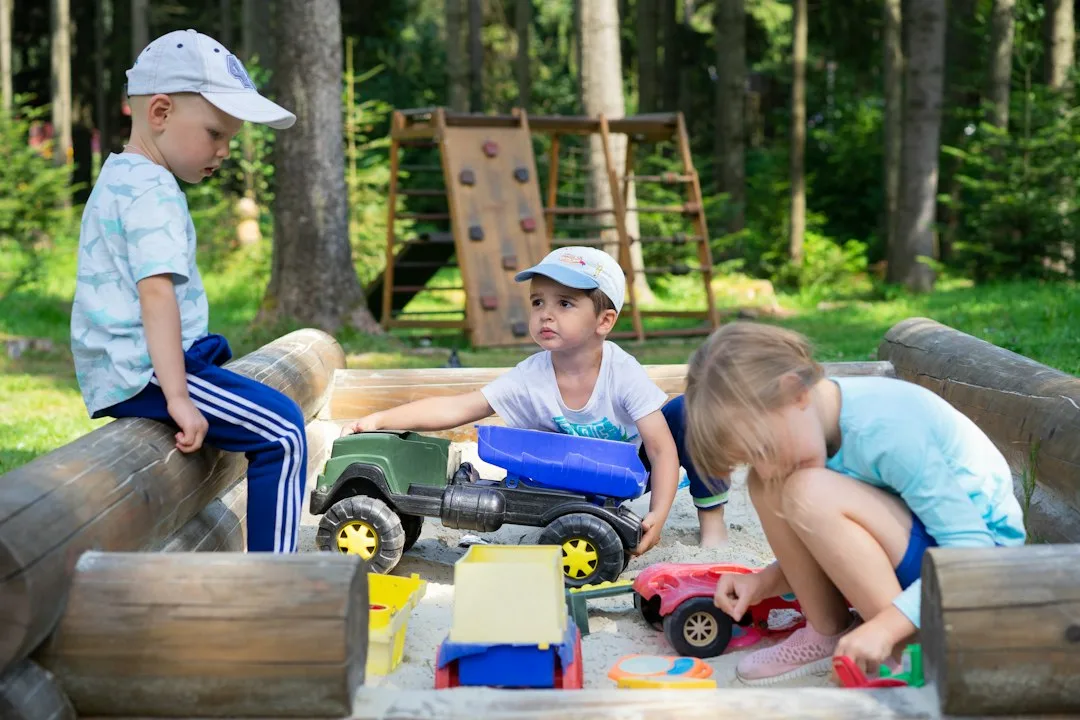
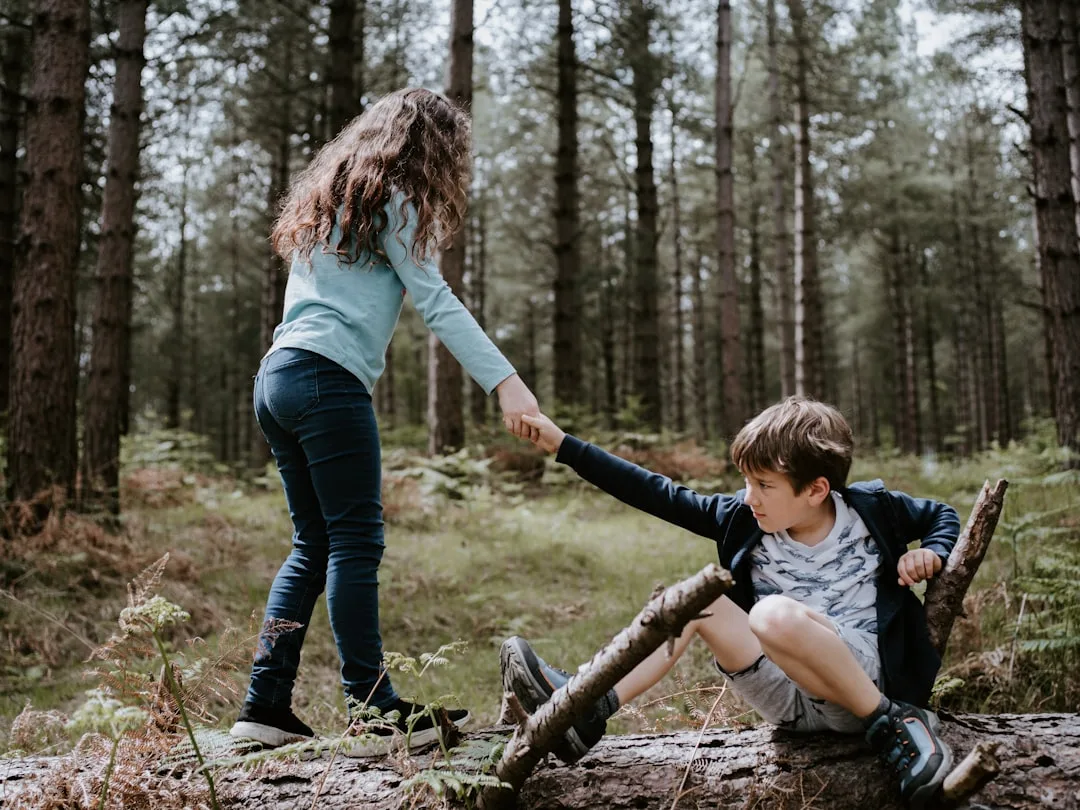
Two children sitting and talking through a disagreement together peacefully

Most parents jump in to solve peer conflicts, robbing children of the chance to develop actual negotiation skills. Teaching kids to handle disagreements themselves builds independence and emotional confidence that shapes their entire social future.

Afterschool routine structure transforms how children manage homework and independence

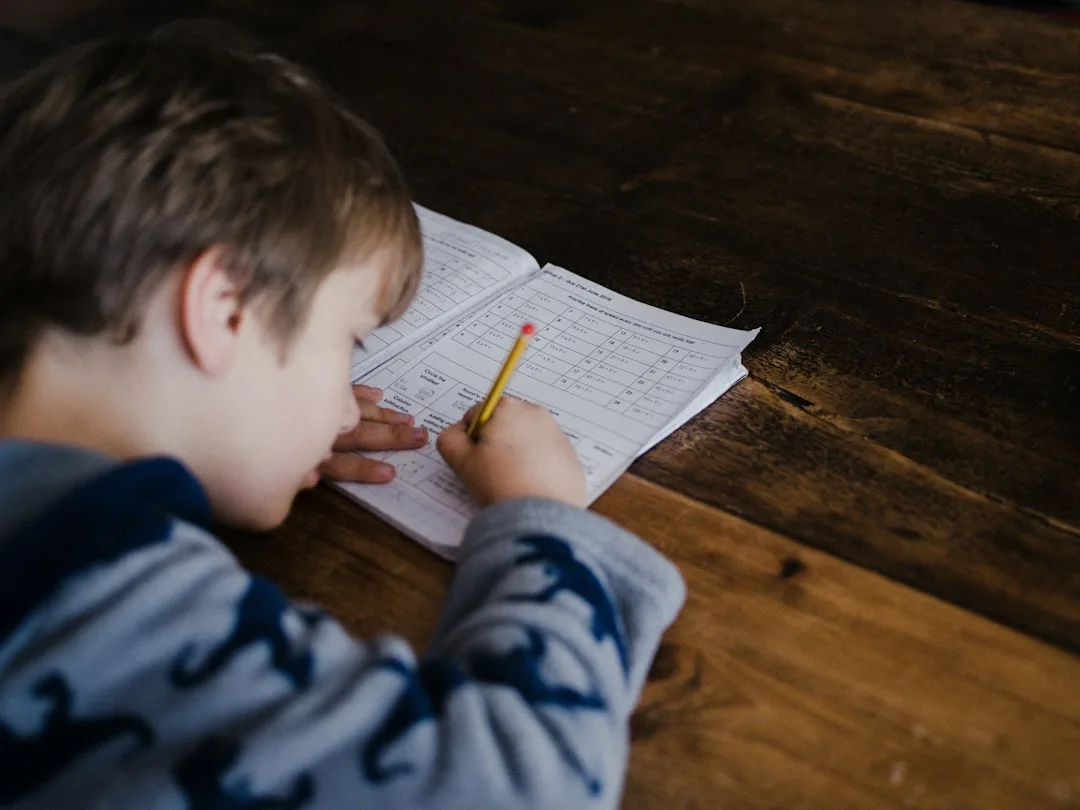
Child at desk with organized school supplies, clock, and snack during afterschool routine structure

Structured afterschool routines aren’t about rigid schedules—they’re about creating predictable transitions that let children’s brains shift from social mode to learning mode. When parents design physical and temporal anchors around the 3 p.m. arrival window, homework completion time shrinks and sibling conflict drops measurably.

Why Hands-On Parenting Presence Transforms Children’s Confidence and Resilience

Parent and child engaged together in hands-on activity building confidence

Hands-on parenting presence—where parents actively engage in children’s daily lives without hovering—is reshaping how families build emotional resilience. This shift away from remote monitoring toward intentional presence creates children who solve problems independently and trust their own judgment.

Why Authoritative Parenting Presence Builds Confident Independent Children

Parent and child having thoughtful conversation demonstrating authoritative parenting presence

Authoritative parenting presence—the balance of warmth and firm boundaries—is reshaping how families build independent, confident children in 2026. Unlike permissiveness or harsh control, this approach grounds children in real-world decision-making and emotional resilience.

Why nature connection parenting builds emotionally grounded children

child playing barefoot in grass with emotional grounding nature connection

Nature connection parenting has emerged as the counterweight to digital-first childhoods, offering children tangible nervous system regulation through soil contact, water immersion, and open-sky play. Families who embed this into weekly routines report measurable shifts in emotional resilience and behavioral stability.

Why Family Meal Routines Build Stronger Bonds and Healthier Kids

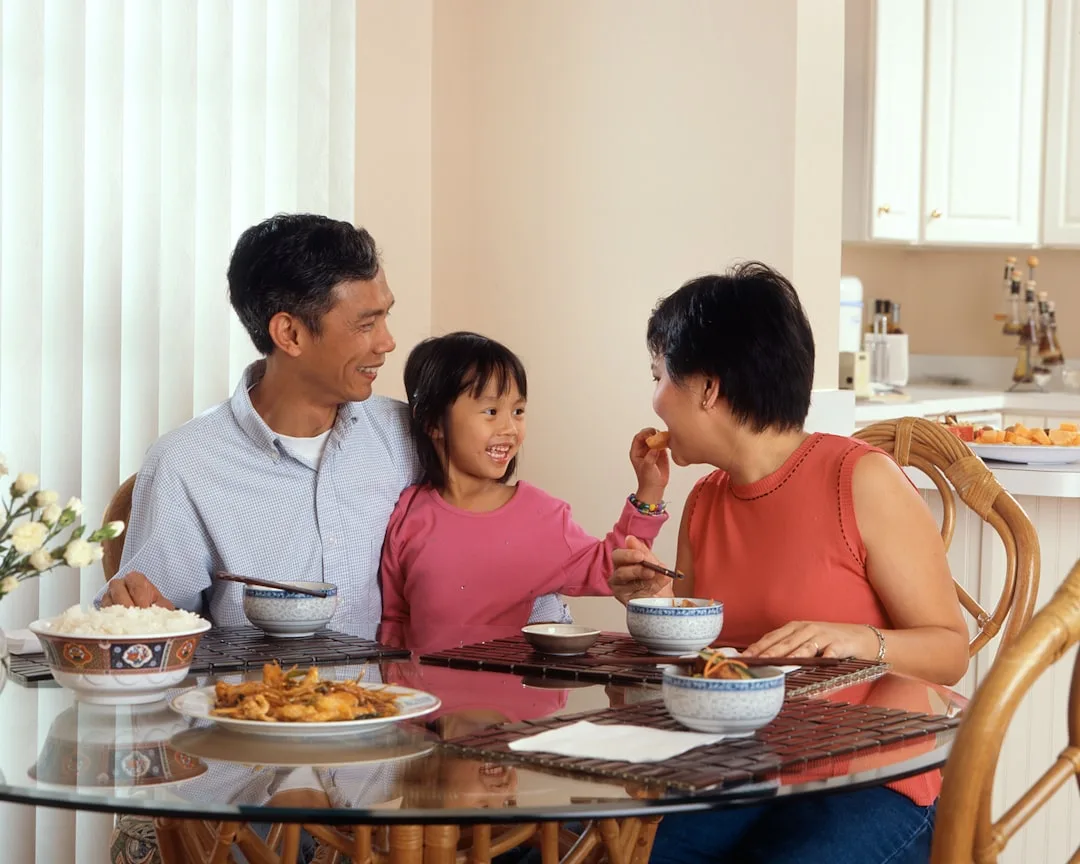
Multi-generational family sharing meal at wooden table with natural lighting and conversation

Family meal routines are reclaiming dinner tables across 2026 as parents discover that eating together—without screens—builds emotional resilience, improves academic focus, and creates the one predictable anchor point families desperately need. Here’s why this trend matters and how to start.

Why Mindful Screen Time Routines Reshape Family Connection in 2026

Parents and children eating dinner together without phones or screens present

Mindful screen time routines are reshaping how families interact with devices—moving beyond simple time limits to intentional, values-driven practices. Parents in 2026 are adopting structured approaches that teach children *why* screens matter, not just *when* to use them.

Why Co-parenting Communication Tools Build Stronger Separated Family Networks

Two parents reviewing co-parenting communication tools on tablet managing shared custody

Separated parents are moving beyond text chains and emergency phone calls to dedicated co-parenting platforms that eliminate miscommunication, track shared expenses, and create a neutral space for logistical decisions. These tools reshape how split families operate by replacing fragmented messaging with centralized, documented coordination.

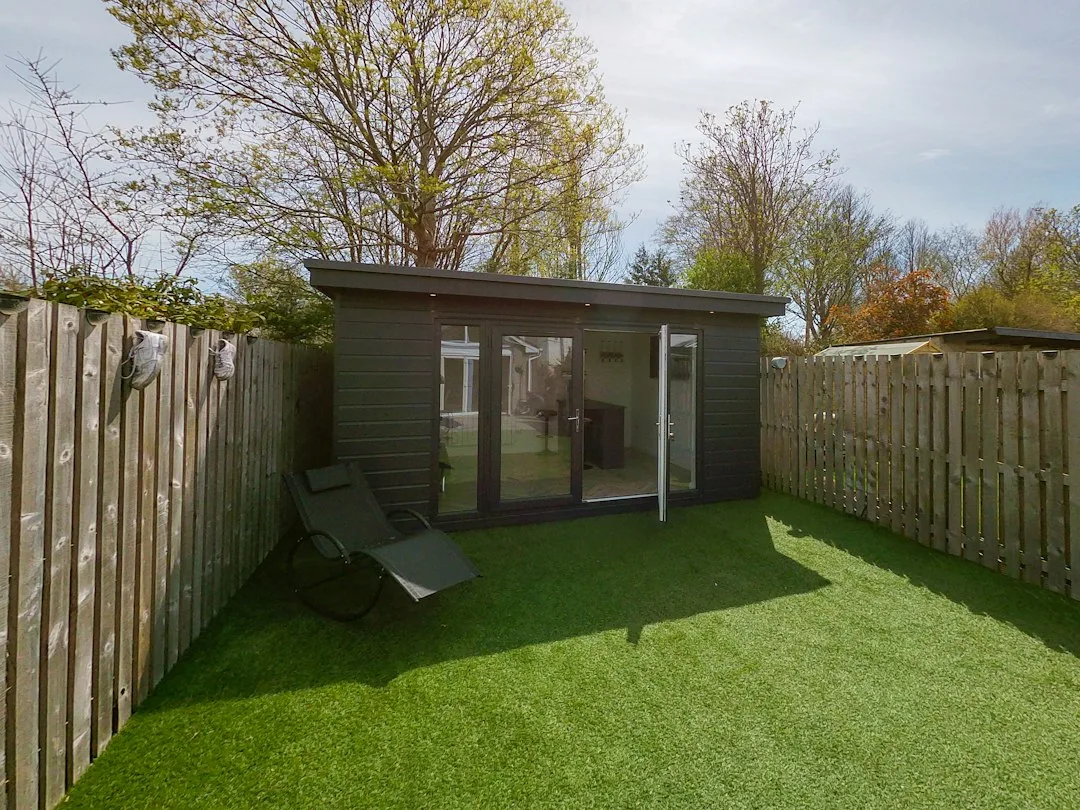
Outdoor learning spaces for children reshape family routines and development

Families are moving structured learning outside, building dedicated garden classrooms and nature-based activity zones that keep children engaged without screens. These outdoor learning spaces combine educational play with family time, reshaping how homes support childhood development.