Why Parent Recovery Breaks Are Becoming a Family Planning Habit

Families are scheduling short parent recovery breaks the way they schedule school pickups. Here is why the habit is spreading and how to make it work during a busy week.
333k+ Lifestyle & Design Ideas

Families are scheduling short parent recovery breaks the way they schedule school pickups. Here is why the habit is spreading and how to make it work during a busy week.

Bell-to-bell phone rules keep devices out of reach during the school day, which moves the screen fight to home. Families who set matching evening limits and clear device settings see far fewer nightly arguments.

A weekly allowance system for kids teaches saving, choosing, and waiting through repeated practice. Three jars, clear chore rules, and a steady amount do more than any money lecture.
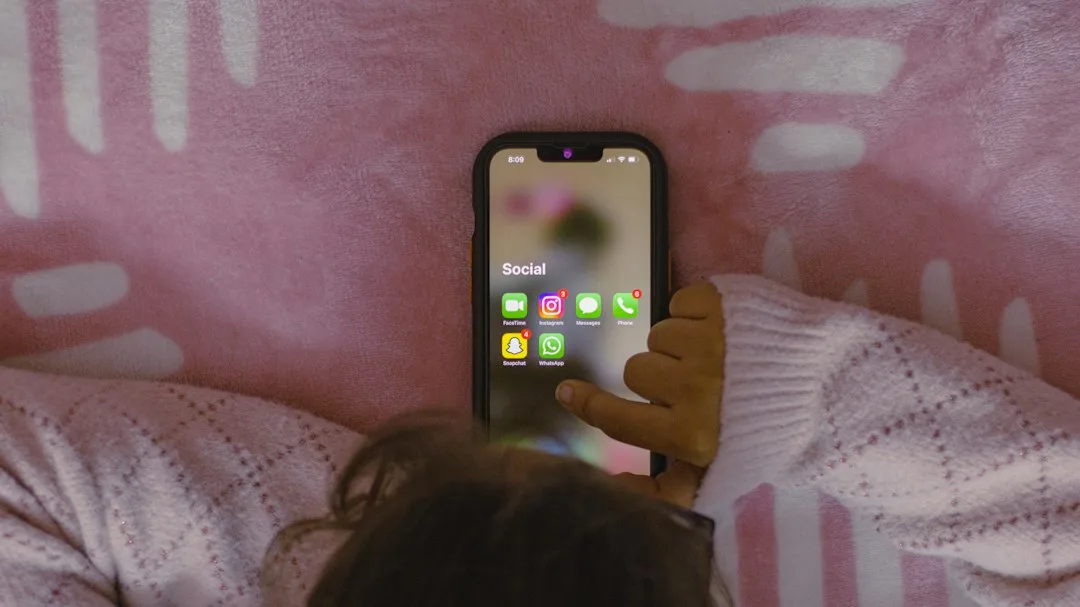
Digital consent for children means giving kids genuine choice over their data and online presence, not just passive permission-slips. Parents are now treating childhood privacy as a negotiated right rather than an automatic parental prerogative.

Bedtime resistance isn’t defiance—it’s a dysregulated nervous system signaling overwhelm. Parents who shift from power struggles to co-regulation build children who sleep soundly and families who reclaim evening peace.
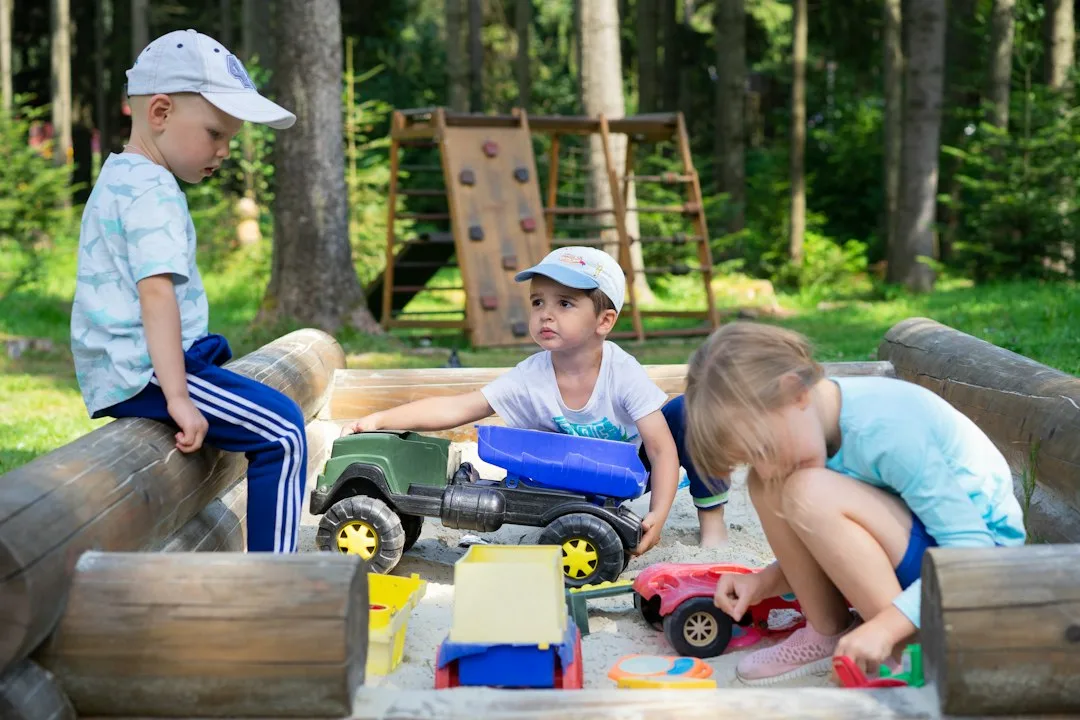
Sibling jealousy is not a behavior problem—it’s a signal that a child’s need for individual recognition has been overlooked. When managed with intentional presence and structure, jealousy becomes the foundation for secure attachment and lifelong sibling loyalty.

Most parents jump in to solve peer conflicts, robbing children of the chance to develop actual negotiation skills. Teaching kids to handle disagreements themselves builds independence and emotional confidence that shapes their entire social future.
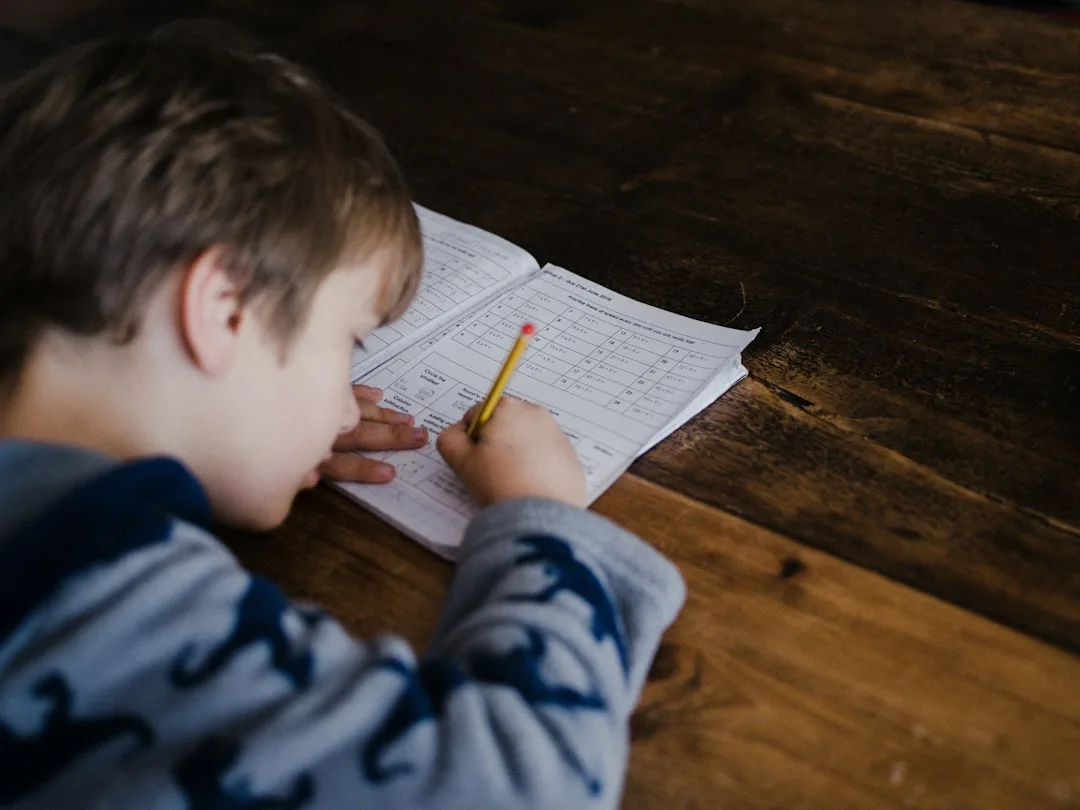
Structured afterschool routines aren’t about rigid schedules—they’re about creating predictable transitions that let children’s brains shift from social mode to learning mode. When parents design physical and temporal anchors around the 3 p.m. arrival window, homework completion time shrinks and sibling conflict drops measurably.

Hands-on parenting presence—where parents actively engage in children’s daily lives without hovering—is reshaping how families build emotional resilience. This shift away from remote monitoring toward intentional presence creates children who solve problems independently and trust their own judgment.

Authoritative parenting presence—the balance of warmth and firm boundaries—is reshaping how families build independent, confident children in 2026. Unlike permissiveness or harsh control, this approach grounds children in real-world decision-making and emotional resilience.

The quiet parenting approach replaces reactive yelling with calm, intentional responses that help children process emotions and develop genuine self-control. Parents report stronger family bonds and fewer behavioral escalations within weeks.
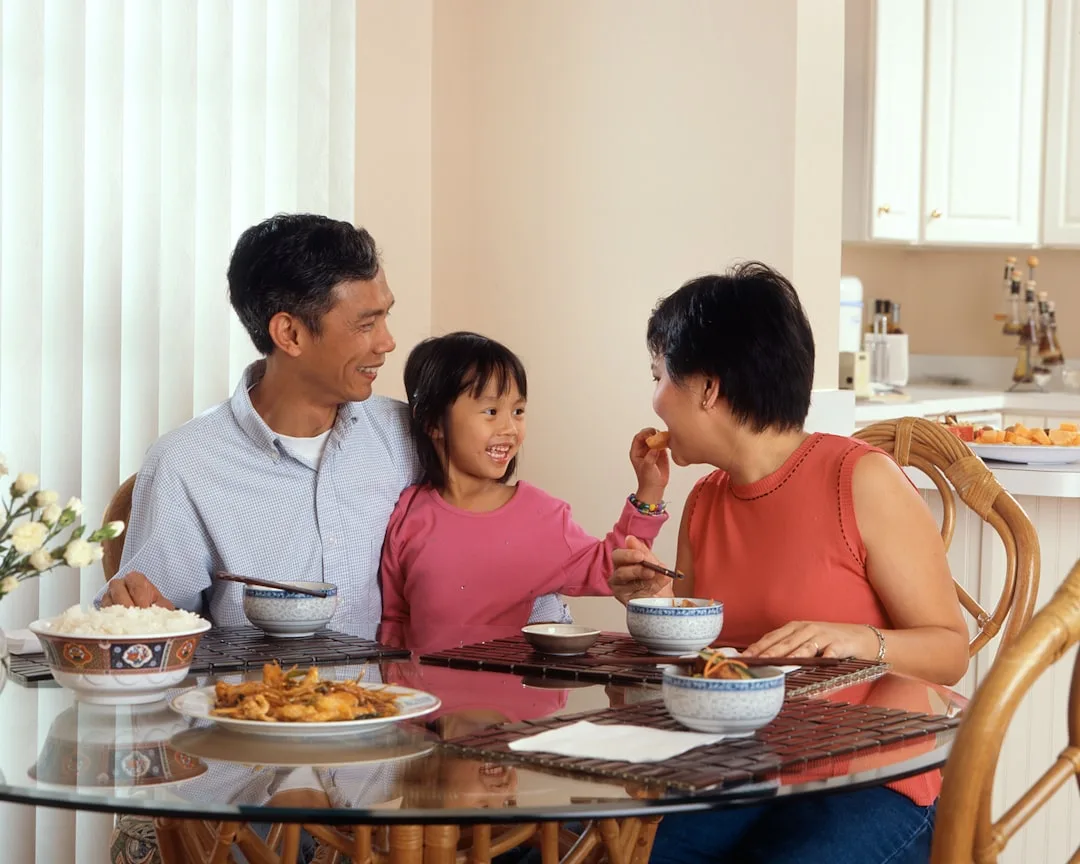
Family meal routines are reclaiming dinner tables across 2026 as parents discover that eating together—without screens—builds emotional resilience, improves academic focus, and creates the one predictable anchor point families desperately need. Here’s why this trend matters and how to start.

Brain-based parenting strategies use neuroscience to help children manage emotions before they escalate. These evidence-grounded techniques are reshaping how parents respond during meltdowns and high-stress moments.