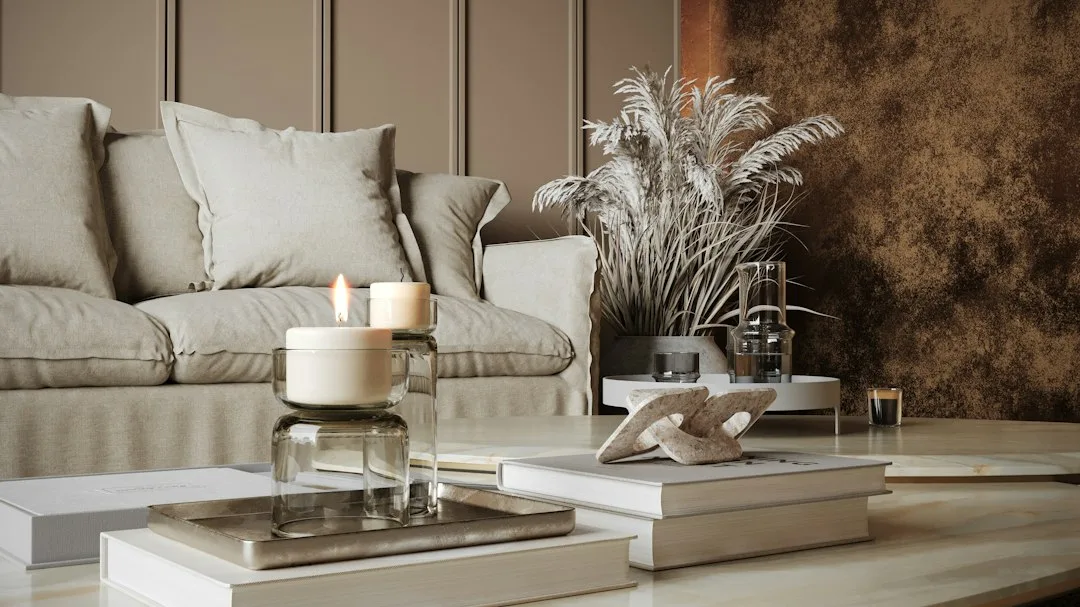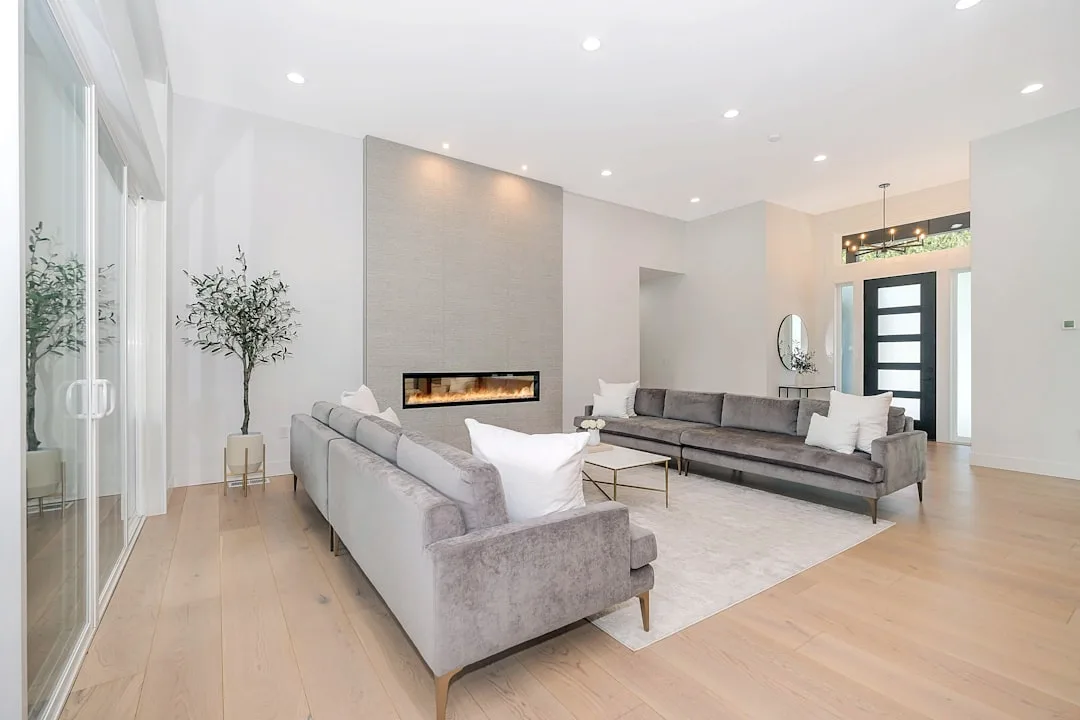
Venetian plaster wall finishes are reclaiming interior design in September 2026, replacing the flat-paint monotony that has dominated residential spaces for the past decade. This technique—rooted in 15th-century Venice—creates surfaces that absorb and reflect light through layered, burnished coats of lime-based plaster mixed with marble dust or other fine aggregates. The result is a wall that shifts in appearance throughout the day, revealing depth that painted drywall simply cannot match.
Luxury builders across Europe and North America are specifying Venetian plaster in high-end residential projects, particularly in bedrooms, living rooms, and powder rooms where subdued, textured surfaces elevate perceived craftsmanship. The resurgence stems from a broader exhaustion with flat minimalism and a renewed appetite for surfaces with soul and history embedded in their material composition.
Why Venetian Plaster Outperforms Standard Wall Paint
Venetian plaster achieves what flat emulsion cannot: a finish that breathes, adapts to humidity, and reveals new character as light angles change through windows. Standard interior paint sits on the surface; Venetian plaster becomes part of the wall substrate itself, bonding chemically with the base layer.
The Farrow & Ball Heritage Range, a UK manufacturer known for traditional finishes, released three new colorways designed explicitly for Venetian plaster application in spring 2026—Arsenic, Calluna, and Blackened—signaling mainstream acceptance of the technique among heritage-conscious designers. Each colorway requires three to five plaster coats, each troweled at a specific angle to build visual complexity. A single feature wall typically requires 16 to 20 hours of skilled labor, which is why pricing ranges from £800 to £2,500 per wall depending on size and regional labor costs.
The durability argument is equally compelling. Venetian plaster resists cracking better than painted drywall in rooms with temperature or humidity fluctuations—bathrooms, kitchens, and basements where moisture content shifts seasonally. This eliminates the need for costly repainting every 5 to 7 years.
Quick Tips
- Apply Venetian plaster only to walls in good structural condition—repair cracks and seal moisture before beginning.
- Hire an artisan with verifiable portfolio work; Venetian plaster requires muscle memory and timing that DIY tutorials cannot teach.
- Start with a single accent wall (8 feet × 10 feet) to understand light interaction before committing to multiple rooms.
- Choose warm tones (ochre, cream, taupe) for north-facing walls; cool tones (greige, sage) for south-facing walls with direct sun exposure.
- Allow 7 days full curing time before moving furniture back into the space.
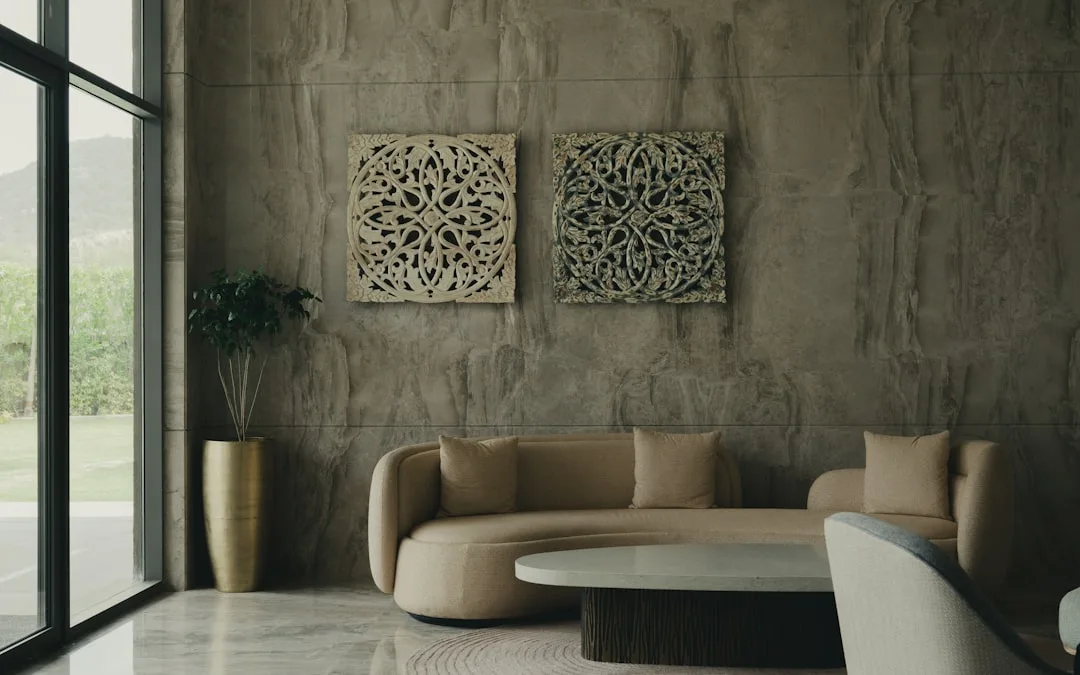
The Luminous Depth Venetian Plaster Creates in Compact Spaces
Small bedrooms and apartments benefit disproportionately from Venetian plaster because the light-reflective properties visually expand the footprint. Italian designer Paola Navone specified Venetian plaster in a 120-square-meter Milan apartment renovation (completed August 2026) where the primary bedroom measured only 3.5 meters × 4 meters. The burnished plaster finish in warm greige made the space feel 30 percent larger than its actual dimensions—a perceptual shift that paint cannot achieve.
The technique works because the microsurface variations scatter and absorb light rather than bounce it uniformly back (as glossy paint does). This creates micro-shadows that add dimensionality without the visual noise of a patterned wallcovering. The effect is particularly pronounced in rooms with north-facing windows, where natural light is diffuse rather than direct.
| Wall Finish | Light Reflection | Durability (Years) |
|---|---|---|
| Flat Latex Paint | Minimal, uniform | 5–7 |
| Satin Acrylic Paint | Moderate, glossy | 6–8 |
| Venetian Plaster | High, diffused | 20+ |
| Lime Plaster (Unpolished) | Low, matte | 25+ |
The #1 Mistake: Applying Venetian Plaster Over Unprepared Surfaces
The most common failure occurs when homeowners or inexperienced contractors attempt to apply Venetian plaster directly over painted drywall, wallpaper, or unprimed surfaces. The plaster will not adhere properly and will flake or crack within weeks, wasting material and labor investment.
A 2024 case study from a London renovation firm documented a 280-square-foot master bedroom where Venetian plaster was applied over existing eggshell paint without primer. Within 14 days, the plaster began separating from the wall in 12-inch sections, particularly near the window where temperature fluctuations were highest. The entire wall required scraping, sanding, and reapplication—doubling the project cost from £1,200 to £2,400.
The correct approach: sand all existing paint to bare drywall, seal with a quality primer-sealer, apply a lime-based primer coat specific to Venetian plaster, then execute the decorative plaster coats. This adds 2 days to the timeline but eliminates adhesion failure entirely.
Material Composition and Why It Matters for Your Space
Venetian plaster is not a single product but a category defined by its binding agent (lime or gypsum), mineral aggregate (marble dust, limestone, mica), and pigment. The aggregate size determines texture—fine dust creates velvet-smooth finishes, while coarser particles yield pronounced dimensionality.
Polycell, a British heritage brand established in 1930, produces both lime-based and gypsum-based Venetian plasters. The lime variants (Polycell Venetian Lime Plaster Series) breathe and absorb moisture, making them ideal for period properties or bathrooms. Gypsum variants cure faster (48 hours vs. 7 days) and suit contemporary homes where rapid project turnaround is essential.
Color selection directly impacts perceived depth. Neutral bases—warm greige, soft ochre, putty, taupe—reveal the plaster’s natural texture and light interaction. Bold colors (deep charcoal, terracotta, sage) flatten the surface visually because color dominates perception over tactile subtlety. If color is desired, select muted, earthy tones that allow light variation to remain visible.
How to Integrate Venetian Plaster Into Existing Room Designs
Venetian plaster works best as a single accent wall, typically positioned behind a bed, sofa, or within an architectural alcove. This anchors the room visually without overwhelming the space with texture. When combined with Japandi bedroom design for zen interiors, the muted, light-reflecting qualities reinforce minimalist calm and natural material authenticity.
Pair Venetian plaster with simple furnishings to avoid visual chaos. Curved furniture (mid-century modern sofas, organic side tables) complements the soft dimensionality without competing for attention. Metal accents—brass picture frames, steel shelving—create subtle contrast that enhances the plaster’s light-catching properties.
Lighting design becomes critical. Directional wall sconces positioned 60 inches from the floor and angled at 45 degrees graze the plaster surface, emphasizing texture and depth. Ambient overhead lighting should be warm-toned (2700K color temperature) to avoid harsh shadows that diminish the finish’s sophistication.
For those building or renovating from foundation, designing with a purpose means selecting Venetian plaster for high-traffic spaces where visual impact justifies the material investment. Bedrooms, home offices, and primary bathrooms deliver the strongest ROI because occupants spend concentrated time in these rooms, allowing the finish’s character to fully register.
Venetian Plaster's Resurgence in September 2026 Interior Trends
Three concurrent forces have revived Venetian plaster in 2026: exhaustion with flat minimalism, renewed interest in artisan materials with verifiable labor embedded in their creation, and the rise of millennial and Gen-Z homeowners prioritizing authenticity over trend-cycle efficiency. Venetian plaster cannot be mass-produced; each wall is unique, requiring skilled hands and material sensitivity.
Interior designers working on residential projects in the $500,000-plus range now specify Venetian plaster as a standard feature, particularly in Scandinavian, Mediterranean, and contemporary-minimal design schemes. This signals institutional acceptance—what began as a heritage revival is now mainstream luxury practice.
The long-term appeal lies in permanence. Unlike paint that peels, wallpaper that dates, or fabric wall coverings that accumulate dust, Venetian plaster simply deepens with age. After 10 years, a burnished wall develops a patina that mirrors the passage of time, something modern interiors desperately need in an era of disposability.