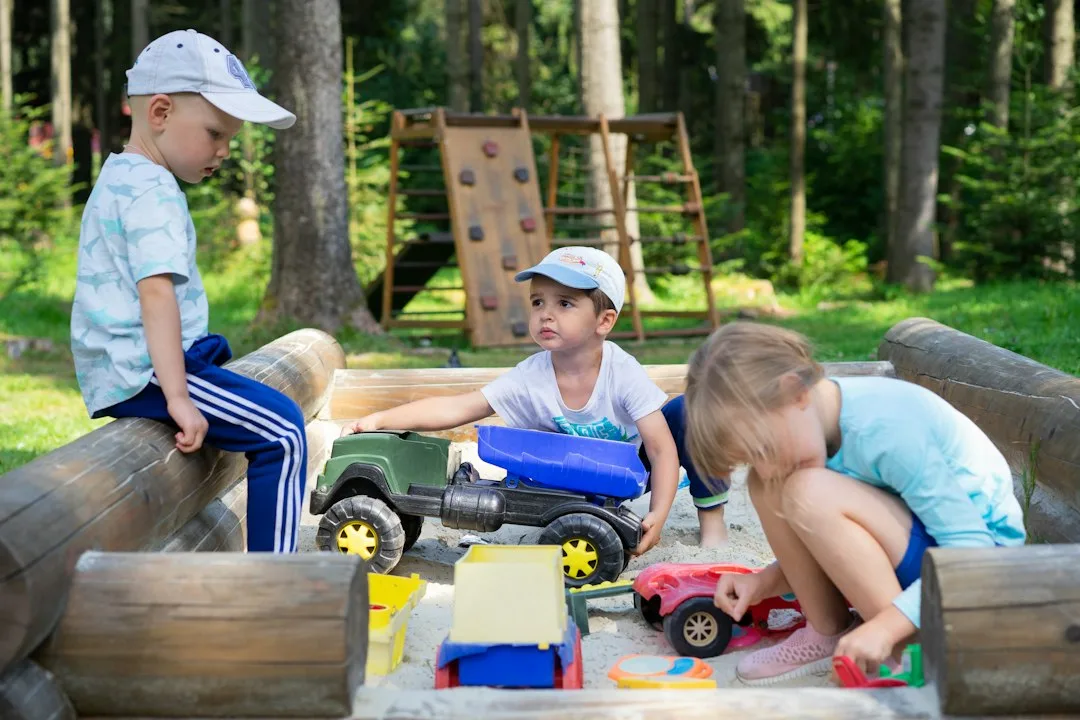
Every parent recognizes the moment: two children arguing over a toy, a seating arrangement, or who got picked first. The instinct to step in and solve it feels urgent, protective, natural. Yet peer conflict resolution skills are one of the most underestimated catalysts for building children who can actually function independently and calmly under social pressure.
When kids learn to navigate disagreements with peers on their own—without immediate parental rescue—they develop the ability to regulate their nervous system in real time. This is not the same as sibling conflict, which happens in a family safety net where unconditional love is already present. Peer conflicts carry real social stakes.
According to research from the American Psychological Association, children who practice negotiation and compromise with peers show measurably higher emotional regulation by age 10 and greater resilience in adolescence. The shift toward teaching conflict resolution directly, rather than managing it for them, has accelerated since 2024.
Coach Curiosity Over Correction
Create Space for Independent Problem Solving
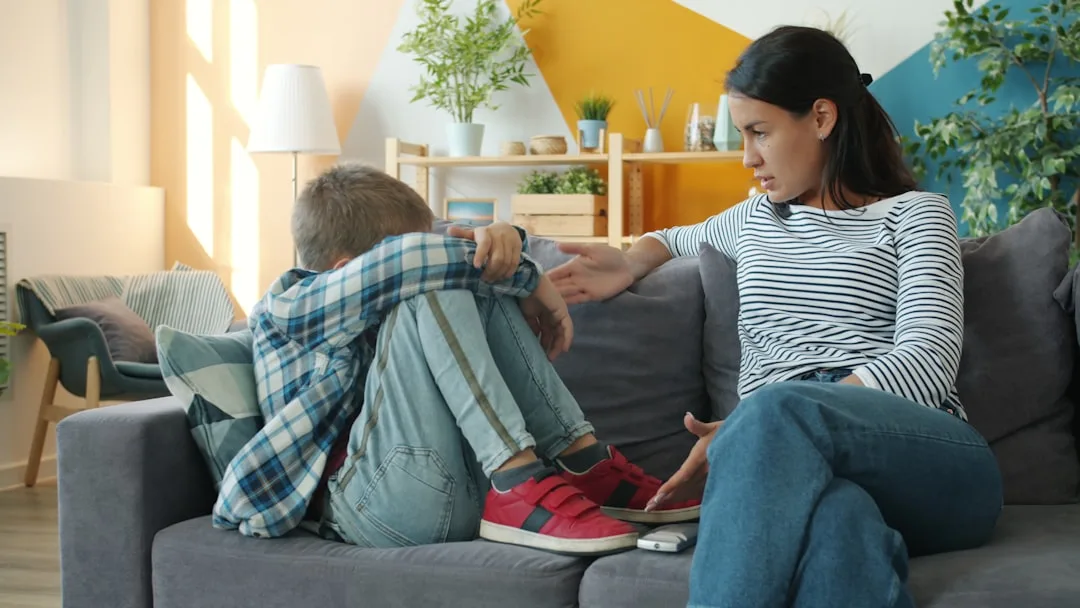
The instinct to solve every problem for your child has historically been framed as good parenting. Modern research suggests the opposite. When children are given time and minimal guidance to work through frustrations—whether it’s a lost toy, a friendship tension, or an academic setback—they build neural pathways associated with agency and resourcefulness.
This doesn’t mean abandonment. It means staying present while resisting the urge to provide immediate solutions. A parent might say, “That sounds frustrating. What have you already tried?” rather than launching into fixes. The difference is subtle but neurologically significant. Children whose parents consistently redirect them toward their own problem-solving capabilities develop stronger executive function and are less likely to experience learned helplessness.
The timeline matters here. Young children (ages 4-7) need more scaffolding and guidance. By ages 8-10, children can handle progressively longer periods of productive struggle. Teenagers benefit enormously from having major problems—friend conflicts, academic challenges, social anxiety—remain their responsibility to navigate, with parental support available but not automatic.
Normalize Discomfort as Part of Growth
One of the most significant shifts in intentional parenting is reframing discomfort. For decades, parental protection was measured by how much pain or difficulty a child avoided. The modern understanding is different: growth lives in discomfort. When children experience boredom, disappointment, social rejection, or the natural consequences of poor choices, they’re not being harmed—they’re being educated.
This applies across contexts. A child who doesn’t make the sports team experiences real sadness. That sadness, when processed with a parent who listens without immediately offering reassurance or solutions, becomes emotionally metabolized. It no longer lingers as shame or learned avoidance. Instead, it becomes data: they learned something about effort, resilience, or what they actually want versus what they thought they should want.
The role of the intentional parent in these moments is witness, not fixer. Saying “This is hard, and I’m here” is fundamentally different from “Don’t worry, I’ll make it better” or “You didn’t really want that anyway.” The first teaches that difficulty is normal and survivable. The second teaches that feelings should be avoided or minimized.

Balance Independence with Digital Responsibility
Intentional parenting in the contemporary era requires explicit frameworks around digital life. Unlike peer conflict or social disappointment, screen time and digital access involve infrastructure decisions that children cannot make alone. Screen Time Limits for Children 2026 — Why Chronometric Parenting Replaces Unrestricted Digital Access outlines how setting clear, consistent boundaries around when and how children access devices actually supports their independence rather than restricting it.
The key distinction is between restriction and structure. A child given unlimited device access is not autonomous—they’re managed by algorithmic design and peer pressure. A child with clear limits, understood and discussed beforehand, develops the ability to self-regulate. They learn that some boundaries are non-negotiable (parents set these) while others become negotiable as they demonstrate responsibility.
This becomes especially relevant during adolescence, when peer pressure and social comparison through digital platforms peak. An intentional parent communicates not just the rules but the reasoning: “We limit your screen time not to punish you, but because studies show that excessive social media correlates with sleep disruption and anxiety. You’ll have more independence with this foundation in place.”
Strengthen Co-parenting Consistency Across Households
For families where children move between two households—whether due to separation, co-parenting arrangements, or extended family involvement—intentional parenting requires alignment between caregivers. Inconsistency doesn’t create flexibility or choice for children; it creates confusion and emotional labor as they adjust to different rule systems.
Why Co-parenting Communication Tools Build Stronger Separated Family Networks addresses how separated families can implement intentional parenting frameworks across both homes. The shared goal isn’t that both parents parent identically, but that they agree on core values: emotional regulation matters more than perfect behavior; independence is encouraged within clear boundaries; and consequences are logical rather than punitive.
When co-parents communicate regularly about a child’s development, they can notice patterns (anxiety spiking in one home but not the other; resistance to a particular rule appearing in both places) and address root causes rather than symptoms. This collaborative approach teaches children that adults can disagree respectfully and still work toward shared goals—a form of modeling that serves them well in future relationships and workplaces.