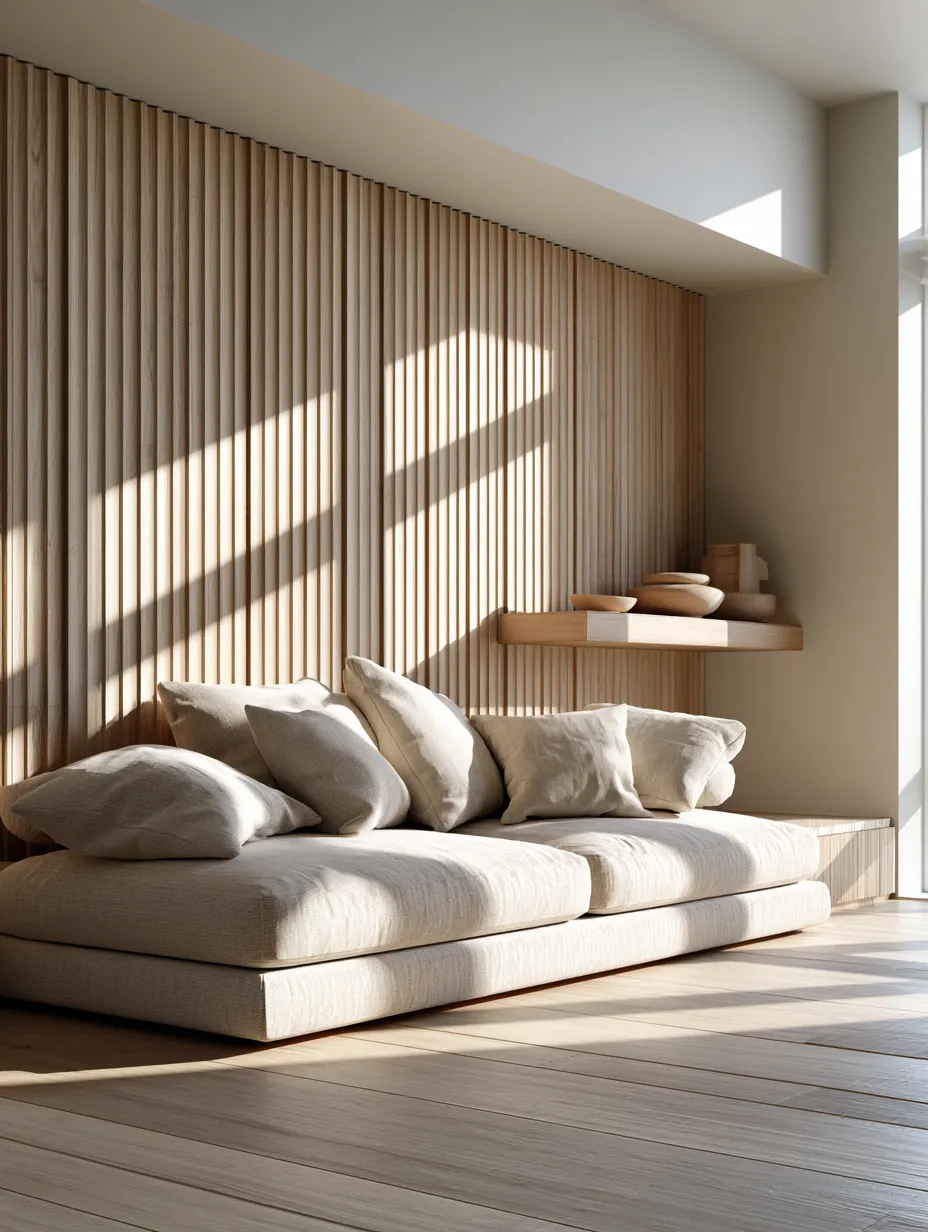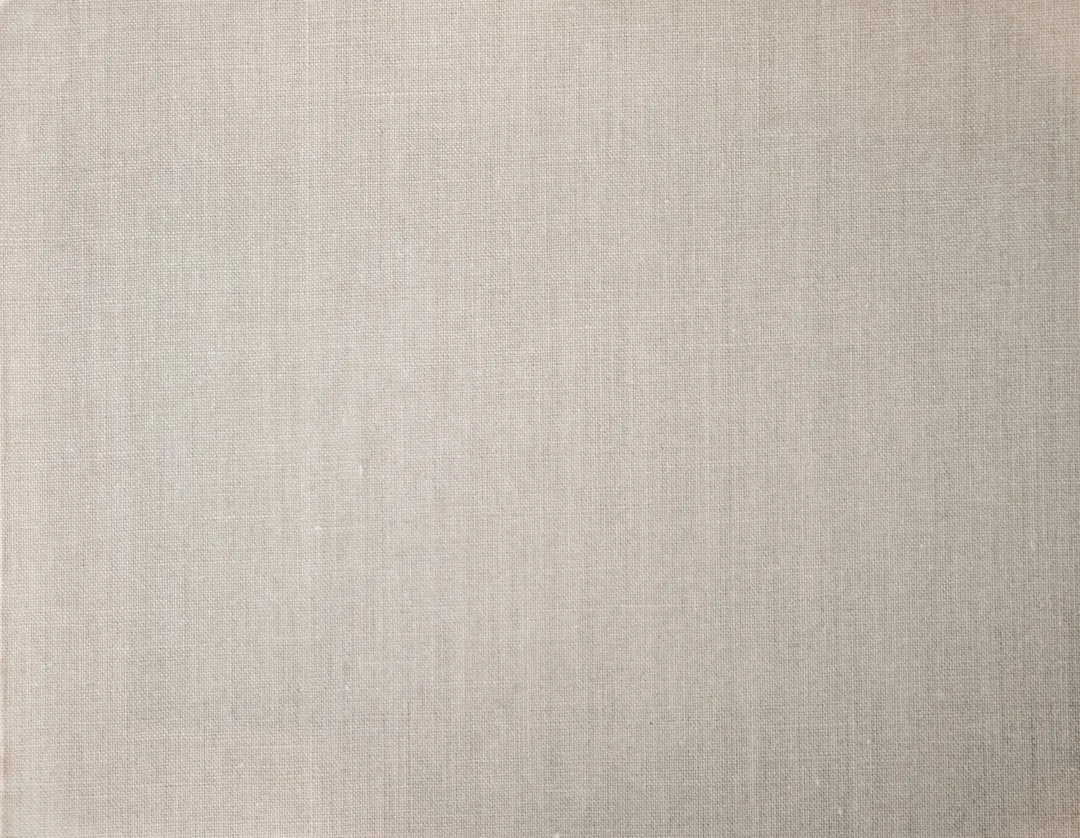
Walk into a room clad in flat painted drywall, then enter one wrapped in Japanese linen wall panels. The difference isn’t subtle—one feels like a box, the other like a living surface. Japanese linen panels, also called matto or kabe-ire in traditional terminology, are woven natural fiber sheets that adhere directly to walls, replacing both conventional wallpaper and bare drywall with tactile depth that absorbs and scatters light in ways smooth finishes cannot.
This trend exploded in mid-2026 because homeowners finally tired of the flattening effect of minimalism. Concrete, plaster, and monochromatic paint created visual silence; Japanese linen creates visual rhythm without pattern chaos. The panels are trending specifically because they bridge the gap between Japandi simplicity and Japandi bedroom design for zen interiors, offering texture that feels intentional rather than unfinished.
Where Japanese Linen Panels Originate and Why They Matter Now
Japanese textile manufacturers have produced linen cladding for decades, but domestic adoption accelerated when Restoration Hardware and Design Within Reach began stocking premium versions in 2025. The panels originate from small-scale mills in Ehime Prefecture, where flax is hand-loomed using traditional techniques, then finished with a subtle starch sizing that gives them a structured hang without stiffness. What changed in 2026 is price accessibility—Japanese linen panels that cost $180 to $220 per panel in 2024 now range from $95 to $145 per 4×8 panel, bringing them into range for mid-market renovations rather than luxury-only budgets.
The panels matter now because they satisfy two opposing desires simultaneously: texture without pattern, and minimalism without coldness. A living room painted one flat white color feels sterile. That same room wrapped in Japanese linen panels on two walls—at roughly $475 to $725 per wall, installed—suddenly has dimension without visual noise. The weave catches light differently at every hour, meaning the room never looks static.
Quick Tips
- Install panels in bedrooms and living rooms to absorb sound while adding texture—two benefits, one application.
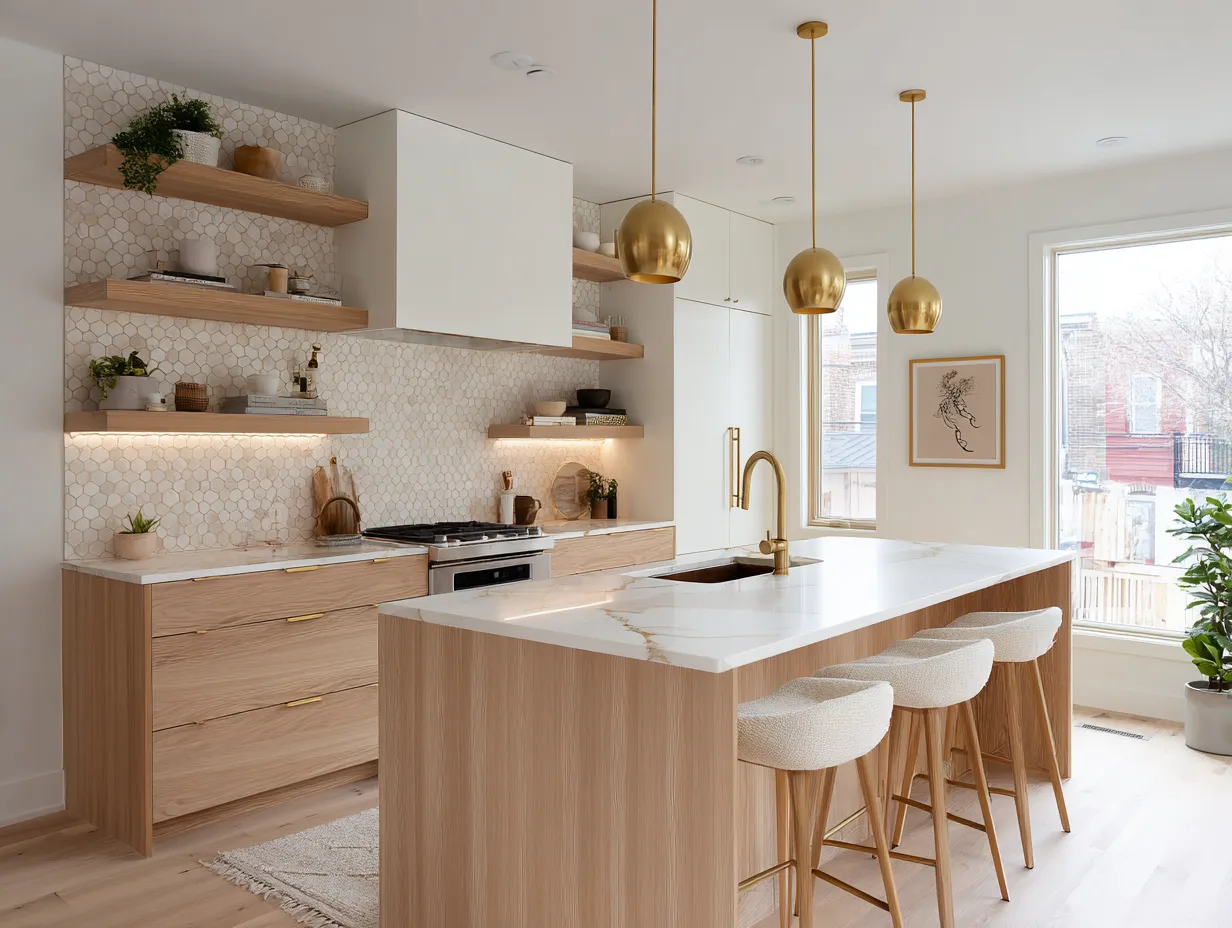
- Pair with warm wood shelving to prevent the space from feeling austere or museum-like.
- Use neutral linen on main walls, reserve pattern for accent walls only—linen panels are textural enough without competing prints.
- Expect installation costs of $40 to $60 per panel; adhesive quality matters more than panel brand.
- Dust monthly with a soft brush—linen collects debris like any textile surface, so commitment to maintenance is real.
How Installation and Placement Transform Room Proportions
Japanese linen panels aren’t wallpaper that an amateur can paste in an afternoon. Each 4×8 panel must be adhered flush to prepared walls using specialty matte adhesive—typically Drywall contact cement rated for textiles—and then smoothed from top to bottom in one continuous motion to avoid air bubbles that trap moisture. The installation itself costs $40 to $60 per panel in labor, meaning a 12×15 bedroom wall (approximately two panels) runs $90 to $180 in labor alone before materials.
Where panels transform proportion is through strategic placement. A bedroom with two facing linen walls and two painted walls makes the painted walls recede psychologically, making the room feel wider. A living room with linen on three walls and glass on one (say, a window wall) makes the glass feel more expansive—the linen absorbs light, so the lit window becomes the focal point. Avoid the common mistake of covering all four walls; that creates a cave effect, defeating the purpose of adding visual interest.
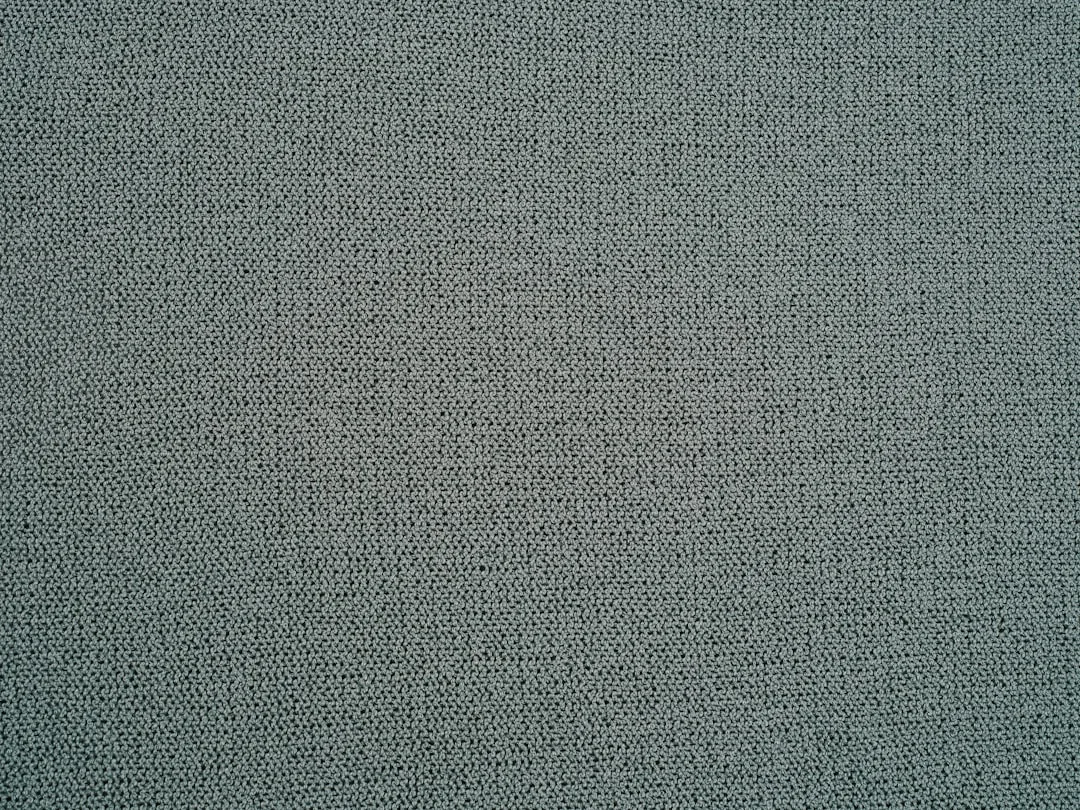
Why Linen Panels Fail and How to Prevent Moisture Damage
The #1 failure point is moisture accumulation behind panels in bathrooms or kitchens without proper ventilation. Unlike wallpaper, which is vapor-permeable, linen panels can trap humidity against drywall, creating conditions for mold growth within six months. One homeowner in Portland installed Kinfolk Textiles linen panels in a master bathroom without adding an exhaust fan—within five months, dark spots appeared behind the panels where mold had colonized the wall substrate.
Prevention is non-negotiable: install panels only in climate-controlled rooms or use them strategically (one accent wall in a kitchen, never surrounding the sink). If using in a bathroom, upgrade to a commercial-grade exhaust fan rated for 150+ CFM (cubic feet per minute), running it during and 30 minutes after every shower. Never install directly over existing drywall damage; panels will only accelerate deterioration. Use a moisture barrier primer (Kilz or Zinsser brand, roughly $35 per gallon) under the adhesive to protect against long-term humidity.
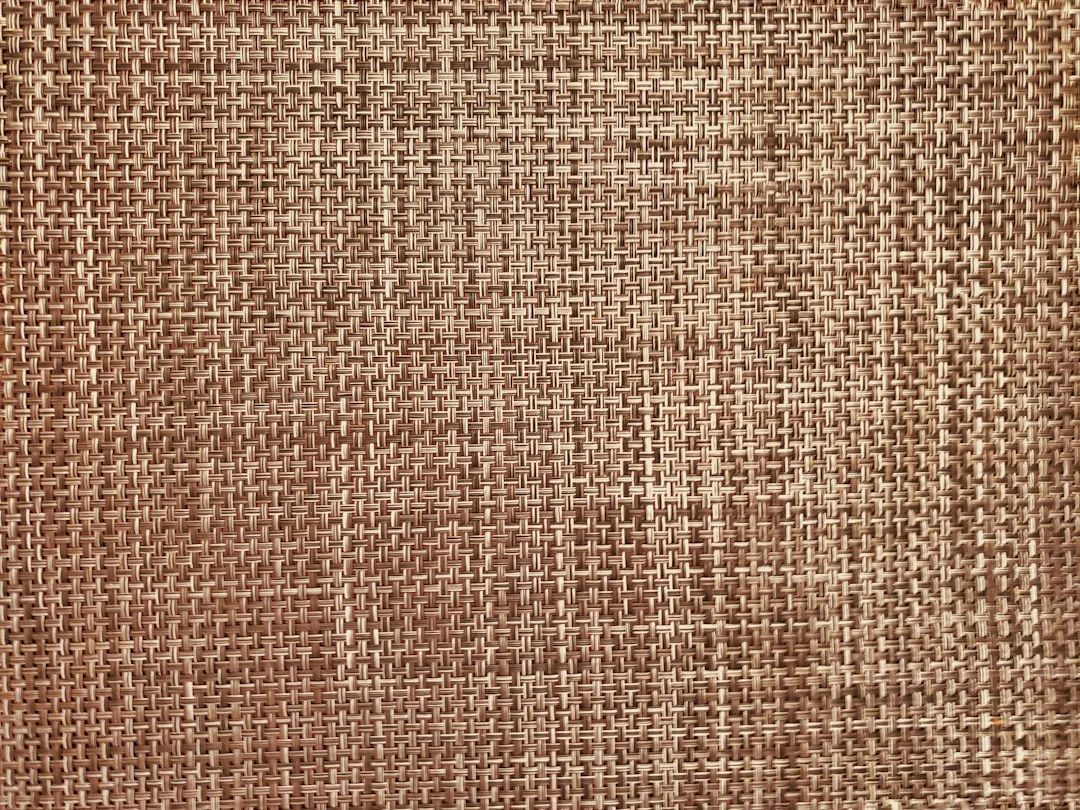
Styling Japanese Linen Panels With Complementary Materials and Colors
Pairing linen panels with the wrong materials ruins the aesthetic they’re designed to create. Matte linen next to high-gloss lacquer furniture feels jarring. Instead, combine panels with warm wood (walnut, white oak, natural pine at $800 to $2,400 for a 6-foot console), matte ceramic vessels, and linen upholstery on seating—the textures echo each other, reinforcing calm rather than competing visually.
Color coordination matters as much as material matching. Natural undyed linen (cream-to-warm-beige range) pairs with warm greys, soft taupe, and soft black accents. Do not pair neutral linen panels with bright white—the contrast makes the panels look dingy by comparison. Instead, use warm white primer paint on adjacent walls or concrete floors to create visual continuity. See 16 inspiring log home interiors you need to see for examples of how linen complements natural wood in Scandinavian design philosophy.
Lighting interacts with linen differently than flat paint. Soft overhead light (2700K warm white, not 4000K cool white) illuminates weave texture without creating harsh shadows. Directional task lighting—wall sconces flanking a mirror or desk—skims across the linen surface, emphasizing depth. Avoid recessed lighting directly above linen panels; it flattens them back into looking like flat walls, negating the entire investment in texture.
Japanese Linen Versus Fluted Wood and Acoustic Panels
Homeowners often confuse Japanese linen with fluted wood panels (which run $120 to $240 per 3×8 panel and create linear visual rhythm) or acoustic wall panels designed purely for sound dampening. The key difference: linen panels add tactile texture and subtle movement through weave variation, but don’t reduce sound transmission significantly. Acoustic panels reduce reverberation by 40 to 60 percent; linen panels reduce it by roughly 15 to 20 percent. If sound absorption is your primary goal, acoustic panels outperform linen.
Fluted wood creates architectural rhythm through repetitive grooves; linen creates organic, almost imperceptible variation through fiber weave. Wood costs more upfront ($120 to $240 per panel) but requires zero maintenance. Linen costs less but demands dusting every four to six weeks to prevent dust accumulation that dullifies the weave. Choose linen for tactile warmth and subtle sophistication; choose fluted wood if you prefer structured architectural drama.
Japanese linen wall panels represent the evolution of minimalism from flat sterility into textured quietness. They cost less than fluted wood, perform better than bare plaster, and create depth without pattern—precisely what 2026 homeowners are finally demanding.