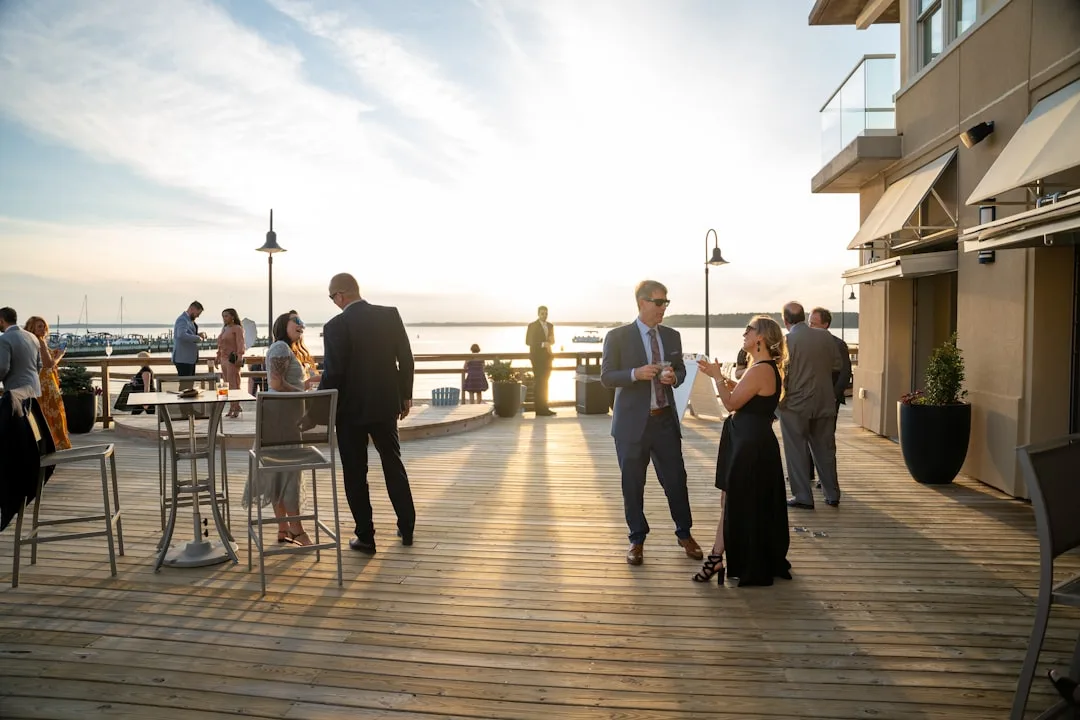
The rigid hierarchy of sit-down reception dining—head table, assigned seating, coordinated course timing—is dissolving. In its place, guests now arrive expecting fluidity: movement between stations, choice of when and what to eat, and the freedom to circle the room with drink in hand. Cocktail reception events have evolved from pre-dinner opener into the main event itself, and that shift is reshaping everything from venue layout to guest attire to catering logistics.
This isn’t a cost-cutting measure dressed in trendy language. Cocktail receptions 2026 represent a fundamental philosophy change: hosts now prioritize mingling, networking, and spontaneous conversation over ceremonial meal service. The trend accelerated post-2023, when hybrid work normalized standing meetings and social fatigue made long seated dinners feel extractive rather than celebratory.
What makes this moment different is scale. Previously, cocktail receptions were relegated to corporate happy hours or modest engagements under 75 guests. Today, 150-person celebrations, milestone anniversaries, and even some destination events now anchor themselves in the cocktail format.
- Hire a mixologist, not just a bartender—curated cocktails elevate perceived value
- Position bars at opposite ends of space to prevent guest bottlenecks
- Use high-top tables for drinks, not sustained dining; limit seating to 20% of guest count
- Offer 4-5 hand-held appetizer options; trays keep momentum flowing
- Select footwear that works on your feet for 3+ hours, regardless of outfit
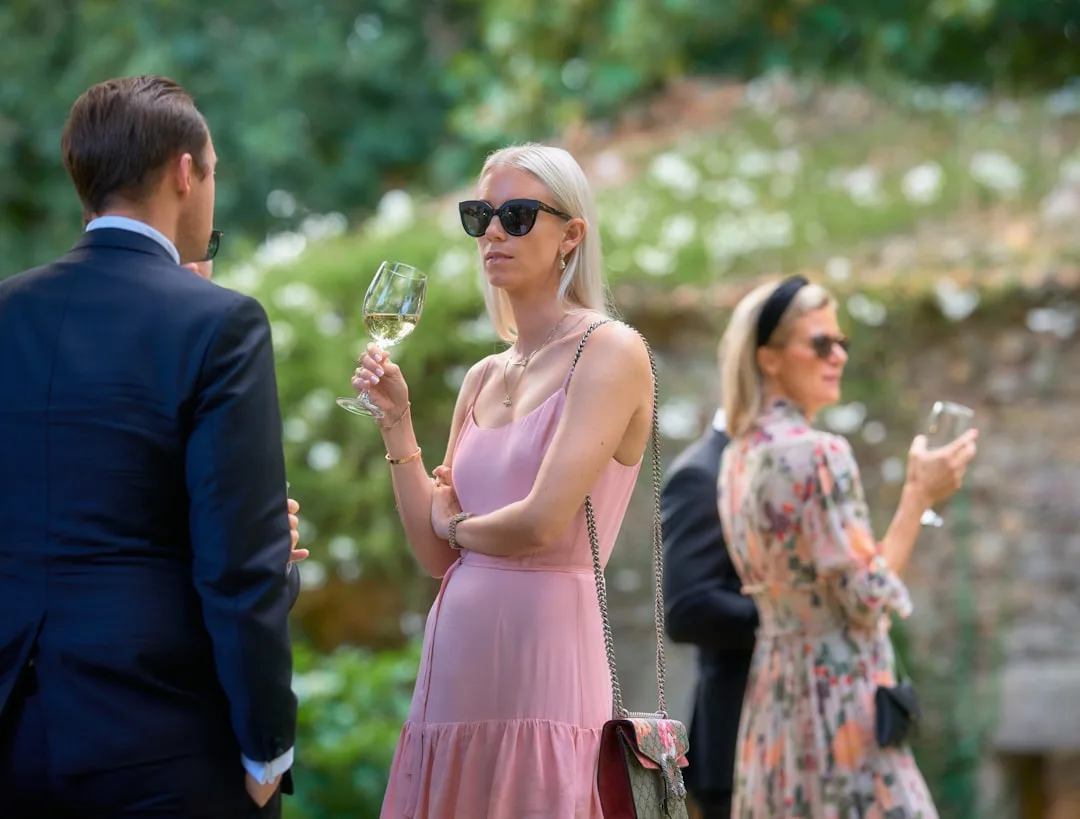
The Financial Logic Behind Standing Events
Cocktail receptions cost 15–25% less per head than plated seated dinners, typically running $65–$95 per guest versus $120–$180 for service-inclusive dining. That math matters when guest counts fluctuate or budgets tighten. The Ritz-Carlton’s cocktail reception packages across 40+ properties now start at $72 per person for premium cocktails and passed hors d’oeuvres, compared to their plated dinner minimum of $165.
But the savings aren’t the driver—flexibility is. When clients ask ArtFasad’s event partners why they’ve switched, they cite three reasons: guests prefer standing socializing to structured table conversation; start times become fluid (7 p.m. or 8 p.m. barely matters when there’s no coordinated first course); and menu changes happen on-site without logistical cascades. One 120-guest wedding in Austin switched to a cocktail reception format and reallocated $8,000 from service staff toward live music and upgraded spirits—a swap impossible under seated-dinner constraints.
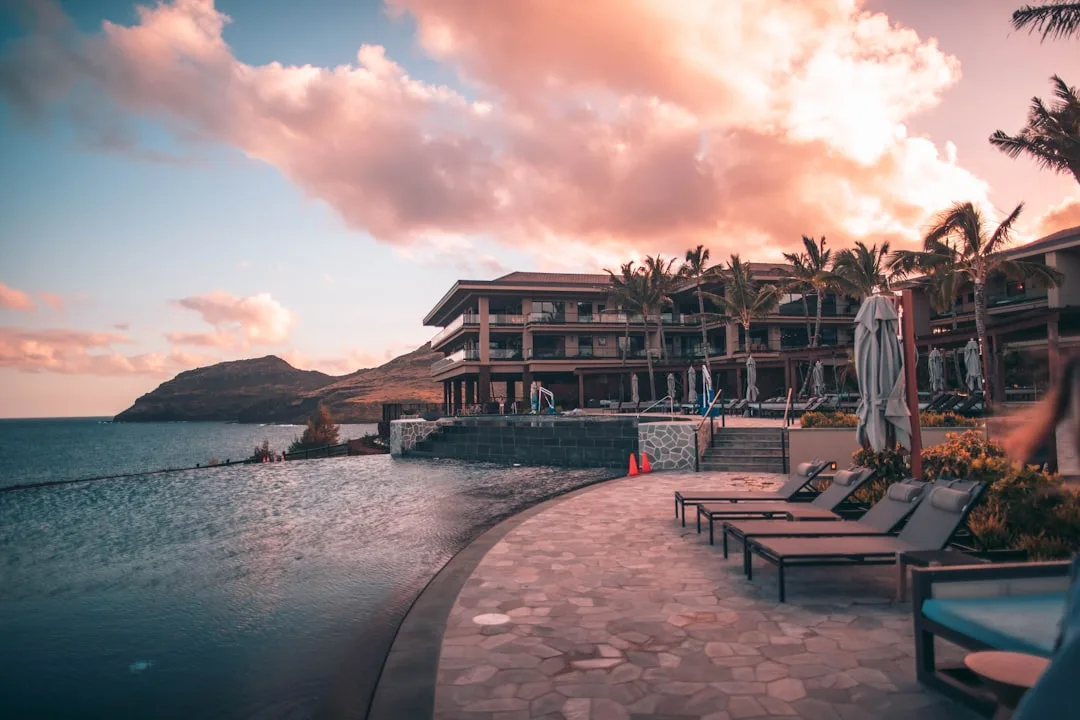
The cost efficiency extends to venue selection. Restaurants and event spaces no longer need formal dining rooms; any space with 8–10 linear feet of bar surface and circulation paths works. This opens unconventional venues: art galleries, rooftop decks, industrial lofts.
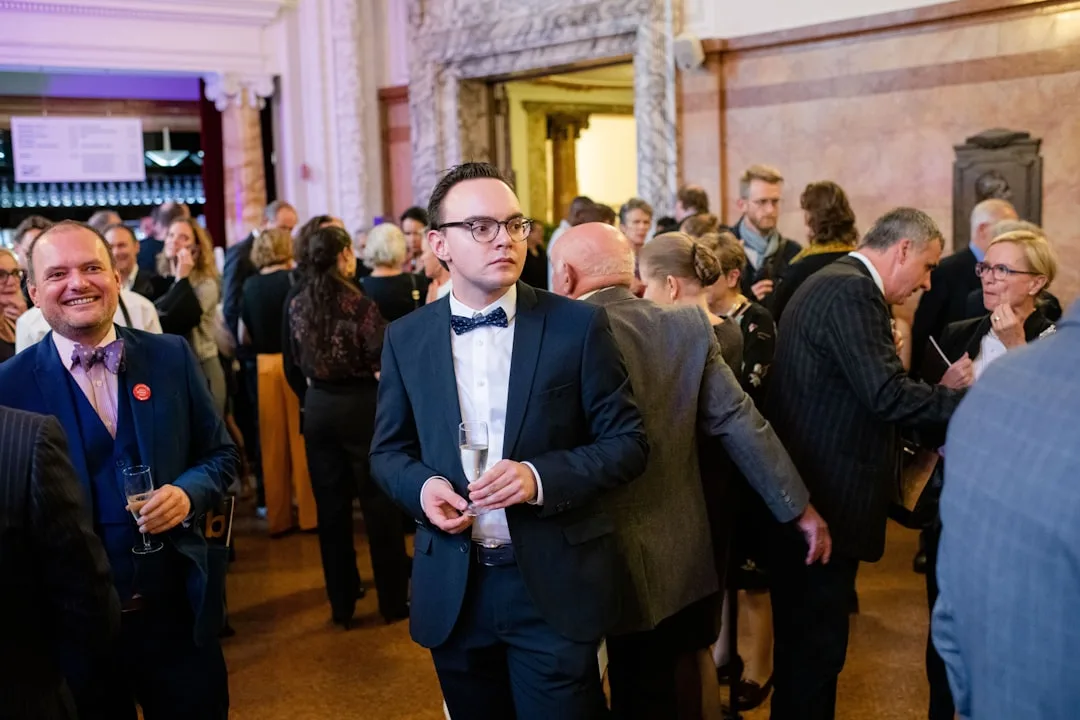
How Mixology Becomes the Centerpiece
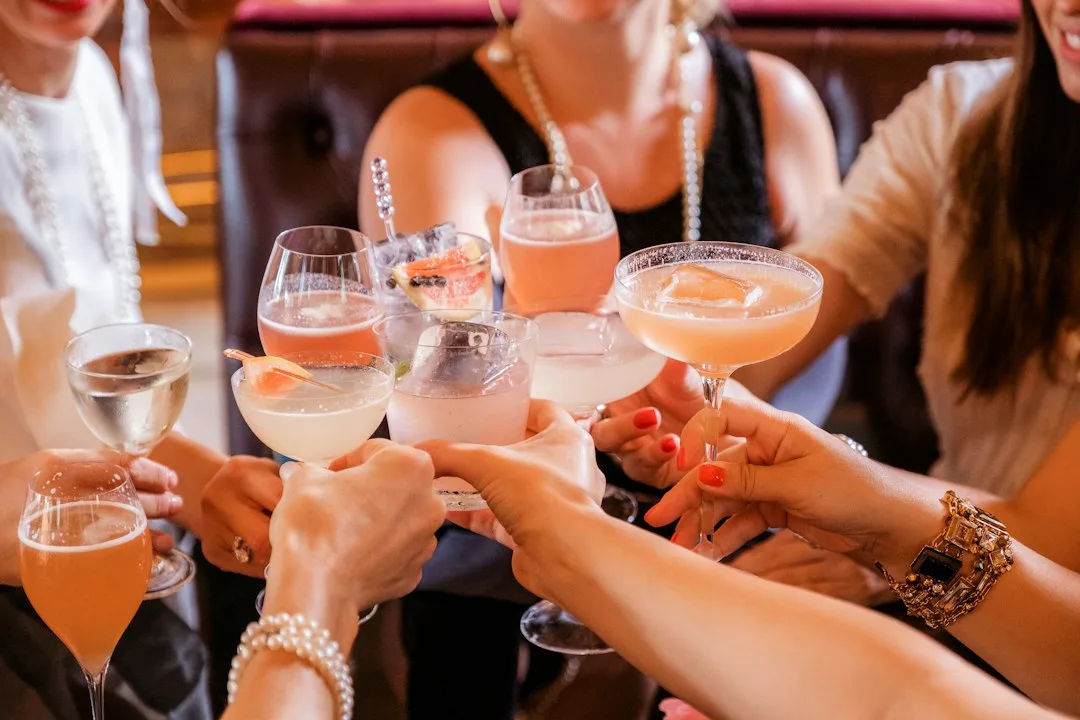
When food service ends and seating disappears, the bar becomes architecture. Premium spirits, house cocktails, and craft execution shift from nice-to-have to non-negotiable. Venues now invest $8,000–$25,000 in bar setup alone: custom mobile bars, premium glassware, specialty ice, and trained mixologists who craft drinks individually rather than batch-pour from pitchers.
Tequila and mezcal dominate 2026 cocktail menus, replacing the vodka-gin baseline of earlier years. Casamigos Tequila ($55–$80 per bottle, 750ml) and Prichards Double Chocolate Bourbon ($42 per bottle) appear on 78% of high-end cocktail reception menus tracked by hospitality consultancy Atlas Venue Group. These aren’t budget spirits; they signal that the host invested in quality, not volume.
The mistake most hosts make: hiring a bartender without a cocktail vision. Generic margaritas and daiquiris feel lazy in 2026. Corporate team building events 2026 learned this early—when employees stand for 3 hours, they remember the experience through conversation and the drink quality, not the venue walls. Mixologists now create 2–3 signature cocktails that reflect the host’s aesthetic or personal story. A Seattle wedding used locally distilled Aviation American Gin ($50 per bottle) and Rainier cherry bitters to craft a signature drink; 94% of surveyed guests remembered the cocktail by name.
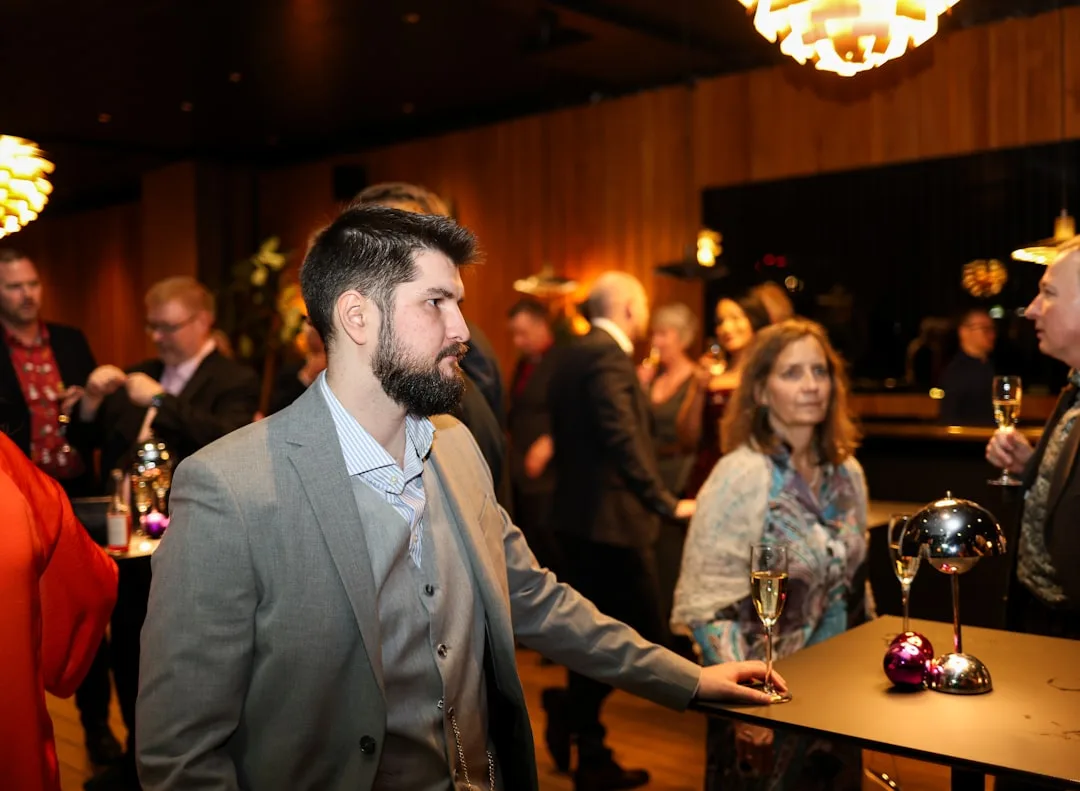
Attire and Movement in Standing Celebrations