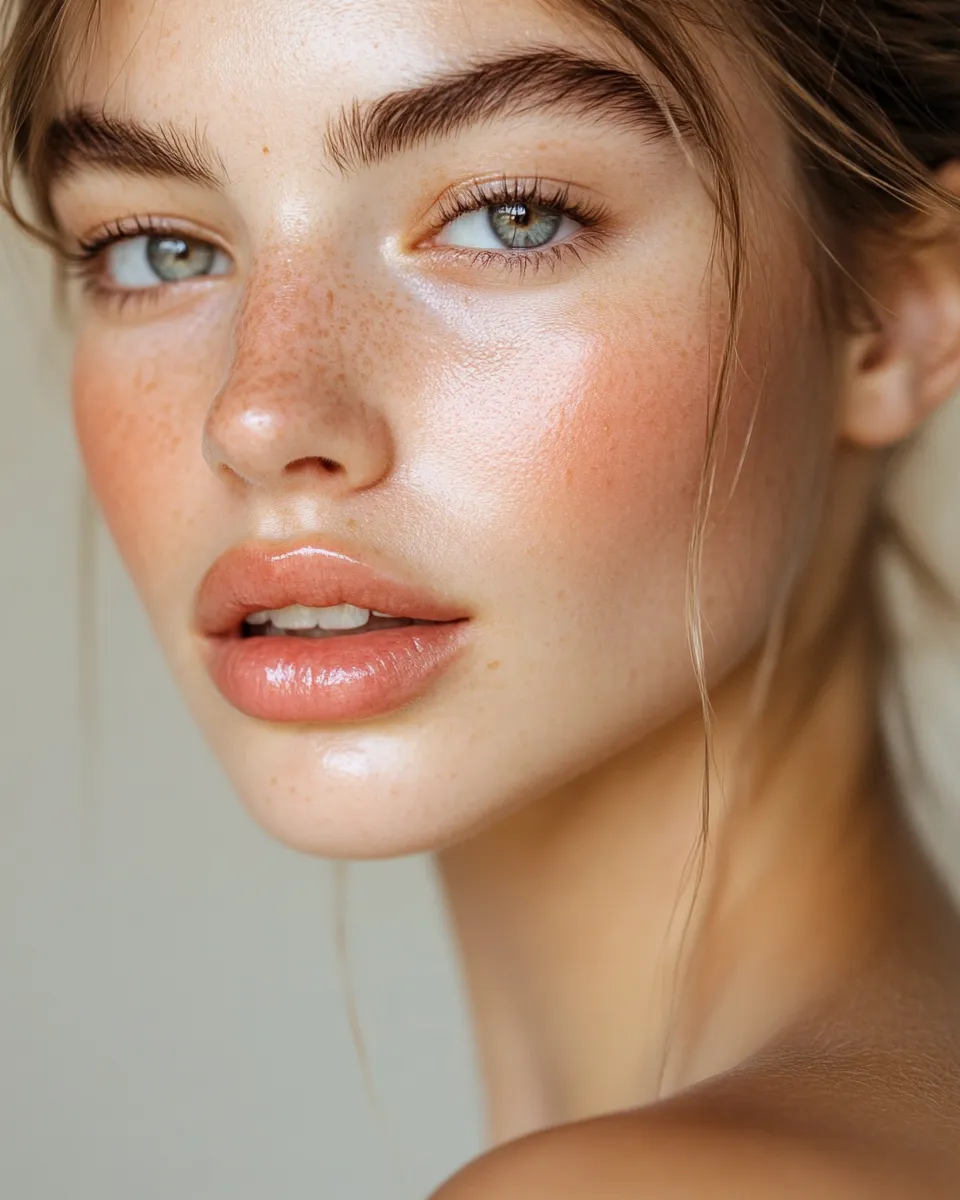
Jelly blush layering is redefining how makeup artists and everyday consumers approach flush color this summer. Unlike the single-powder-layer approach that dominated 2024 and 2025, jelly blush layering stacks 3–4 lightweight, gel-based products to create dimensional color that reads deeper, more natural, and lasts 12–14 hours without fading or separation. The shift from powder to gel isn’t just about texture—it’s about how pigments sit on skin and interact with light.
This technique emerged from K-beauty and pro-artist communities in Seoul and Tokyo during spring 2026, where makeup artists noticed gel pigments adhered better to prepped, hydrated skin than traditional loose or pressed powders. By June, the trend spread across TikTok and Instagram, with over 847 million views on “jelly blush” content by early August.
Here’s why it’s trending now: skin-care-first beauty culture has primed skin to be more hydrated and plumped than ever before. Clean Girl Makeup Dominates May 2026 Beauty Trends Globally established a baseline of dewy, moisture-rich skin, and powder formulas simply don’t sit well on hydrated surfaces—they slip, separate, or look patchy within hours. Jelly blush grips that moisture and locks in.
How Gel-Based Pigments Outperform Powder Formulas
Gel and jelly blush products contain water-soluble polymers and film-forming agents that create a flexible, breathable layer on skin. Brands like Flower Beauty’s Jelly Blush (a gel-cream hybrid with a cooling applicator) and Rare Beauty’s Liquid Blush (a fluid concentrate marketed as “weightless pigment”) pioneered consumer access to this texture.
The science matters here. Powder particles sit on top of skin; gel pigments partially absorb into the upper epidermis and set via water evaporation and polymer bonding. This means the color doesn’t migrate, doesn’t separate from foundation, and doesn’t oxidize into an orange cast over 4–6 hours.
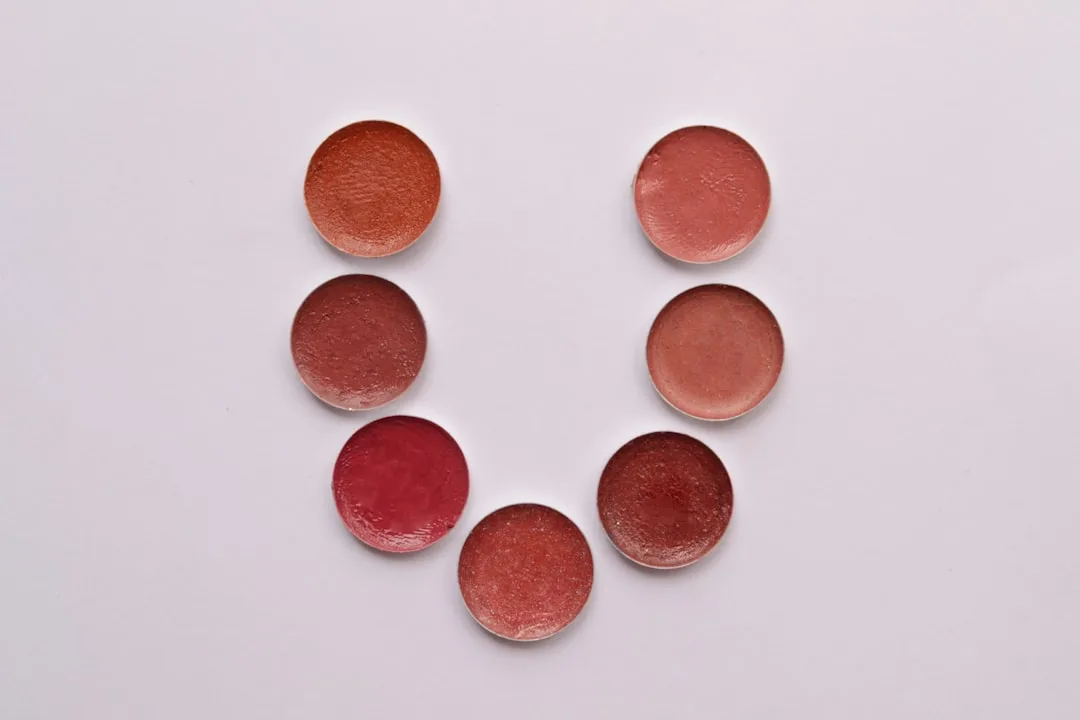
A professional makeup artist using Bobbi Brown’s Pot Rouge (a gel-cream blush with a mineral-oil base) can layer three shades—a pale pink, a medium coral, and a deeper mauve—and the colors blend optically on skin rather than sitting as distinct rings. That’s the dimensional effect everyone wants.
Quick Tips
- Start with a hydrating primer or Why Hydrating Face Mists Replaced Traditional Toners in Mid-Year Skincare to prepare skin for gel adhesion.
- Use a damp beauty sponge or fluffy brush to press (not swipe) each jelly layer into skin for seamless blending.
- Layer from lightest to deepest shade; stop after 3–4 products to avoid muddy color.
- Set lightly with a translucent powder only on the apples of cheeks; avoid the temples to maintain dimension.
- Reapply one layer of jelly blush mid-day on the apples for a refresh without looking heavy.
The Three-Layer Jelly Blush Method
Professional makeup artists recommend this exact stacking order: base layer (lightest shade), mid-tone layer (most-flattering shade), depth layer (2–3 shades deeper). Each layer should cover 60–70% of the previous layer’s footprint to create a gradient rather than distinct rings.
Layer one: A sheer, pale pink gel blush applied to the center of cheekbones with a damp sponge. This primes the area and reflects light.
Layer two: A mid-tone jelly blush in peach, coral, or rosy nude applied slightly higher and broader than the first layer. This is your main color and should be the most opaque.
Layer three: A deeper shade (berry, mauve, or brick) applied to the outer apple and hollows of cheeks. This creates depth and definition without harsh edges.
The fourth optional layer is a tiny touch of highlighter or champagne jelly at the highest point of the cheekbone for luminosity.
| Product Type | Wear Time | Best For Jelly Layering |
|---|---|---|
| Gel-cream blush | 12–14 hours | Dimensional base layers; grips hydrated skin |
| Liquid blush concentrate | 14–16 hours | Pigment density; mix with primer for custom shades |
| Jelly pot blush | 10–12 hours | Easy blending; cooling applicator reduces inflammation |
| Powder blush | 6–8 hours | Not recommended as base; slides on hydrated skin |
| Tinted lip-to-cheek | 8–10 hours | Accent layer only; too sheer for primary dimension |
Why Most People Get Jelly Blush Layering Wrong
The #1 mistake: applying too much product on the first layer, then stacking more on top. This creates a heavy, wet-looking patch that migrates toward temples and looks patchy by hour four.
A concrete example: applying a full swipe of jelly blush with a standard brush, then adding a second and third layer without waiting 10–15 seconds between applications. The layers don’t set, they pool together, and within an hour the color clusters in one area while the rest of the cheek looks bare.
The fix: use a damp sponge, press product in with a stippling motion (straight up and down), and wait for 15 seconds between layers. This lets each layer set via polymer bonding and water evaporation, creating a true dimensional effect.
Another error: using warm-toned jelly blushes on cool-toned skin, expecting the layering technique to neutralize the mismatch. Jelly blush is transparent enough that undertone clashes show immediately. Test each shade against your jawline in natural light before layering.
Jelly Blush Brands Leading the Trend
Rare Beauty’s Soft Pinch Liquid Blush (available in 16 shades from berry to nude) is the volume leader; their gel formula uses glycerin and silicone to ensure 14+ hour wear. The brand released a “Layering Guide” in June 2026 with specific shade combinations for different skin tones, which accelerated adoption among professionals.
Bobbi Brown’s Pot Rouge remains the artist favorite because the cream-gel texture blends seamlessly without streaking. Makeup artists use three pots of different shades to create custom dimension on editorial and bridal shoots.
Flower Beauty’s Jelly Blush offers a cooling applicator wand that reduces puffiness while you apply, making it popular for early-morning touchups. The formula contains aloe and centella asiatica, addressing the trend toward skincare-integrated makeup.
Merit Beauty’s Flush Balm (a newer entry, launched early 2026) uses a jelly base with pearl pigments, resulting in a flush that catches light subtly. Professional makeup artists use this as the second or third layer specifically for luminosity without shimmer.
How Skin Prep Changes Everything for Jelly Layering
Jelly blush requires skin to be primed with hydrating products and a lightweight primer. Silicone-based primers create too slick a surface; water-based or hybrid primers allow the gel to grip while maintaining slip for blending.
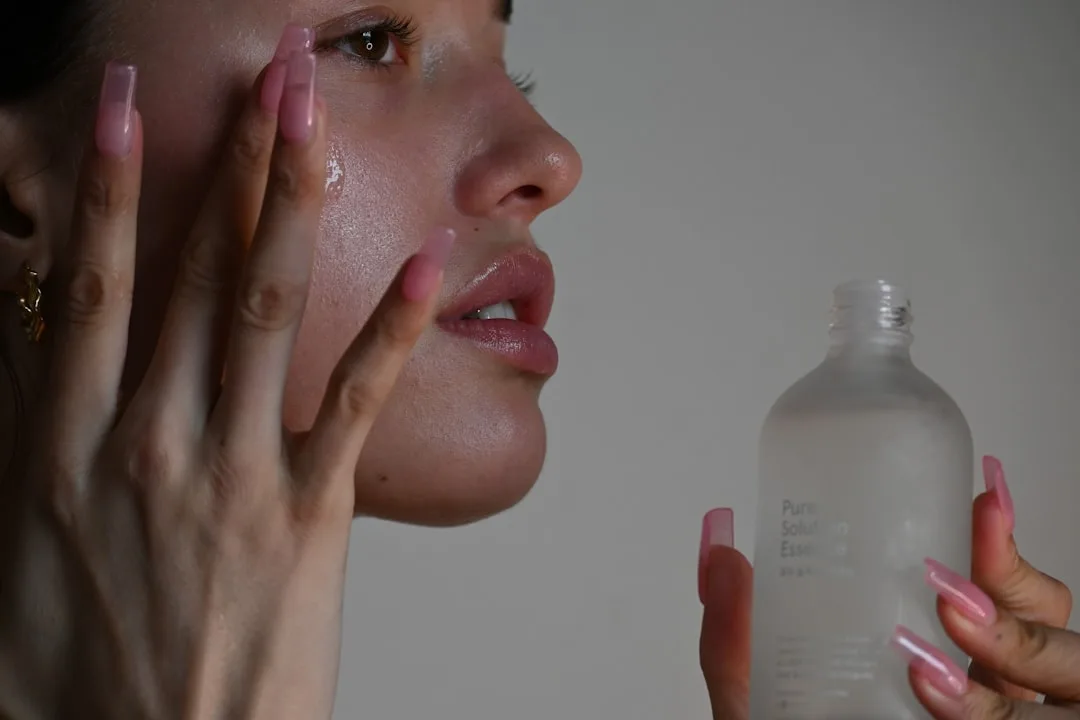
Apply a hydrating toner or essence first, then a lightweight hydrating primer in a thin layer across cheekbones. Wait 60 seconds for the primer to set before applying the first jelly blush layer.
Dehydrated skin will cause jelly blush to sit on the surface and separate. This is why the shift to jelly blush aligns so perfectly with 2026’s focus on skin health and pre-makeup hydration.
For oily skin, use a water-based primer and a mattifying setting spray after all layers are applied. The jelly formula won’t slip on oily skin the way powder does, but a light mist locks everything in place without adding weight.
Why Jelly Blush Layering Outlasts Powder This Season
Longevity and dimensional finish are the core reasons professionals are switching entirely. A powder blush applied once lasts 6–8 hours and can oxidize, while jelly blush layered correctly lasts 12–14 hours and deepens rather than shifts color.
The technique also suits every skin tone because jelly blush doesn’t sit in fine lines or emphasized pores the way powder does. It creates a glassy, skin-like finish that feels part of the complexion rather than applied on top of it.
This is the evolution of the glazed, glass-skin aesthetic that dominated early 2026. Jelly blush layering is the flush version of that philosophy: building color depth through transparent, skin-mimicking products rather than opaque pigment.
Tools for Choosing and Layering Your Jelly Blush
These resources help you check what’s in a formula before you buy, match shades to your skin tone, and follow a step-by-step layering approach at the mirror.
How do I check whether the gel ingredients in a jelly blush are safe for my skin?
Which Soft Pinch Liquid Blush shades work for layering, and how do I apply them without over-saturating the skin?
Is there a visual, step-by-step guide that shows how to layer a powder blush and a cream blush together for dimension?