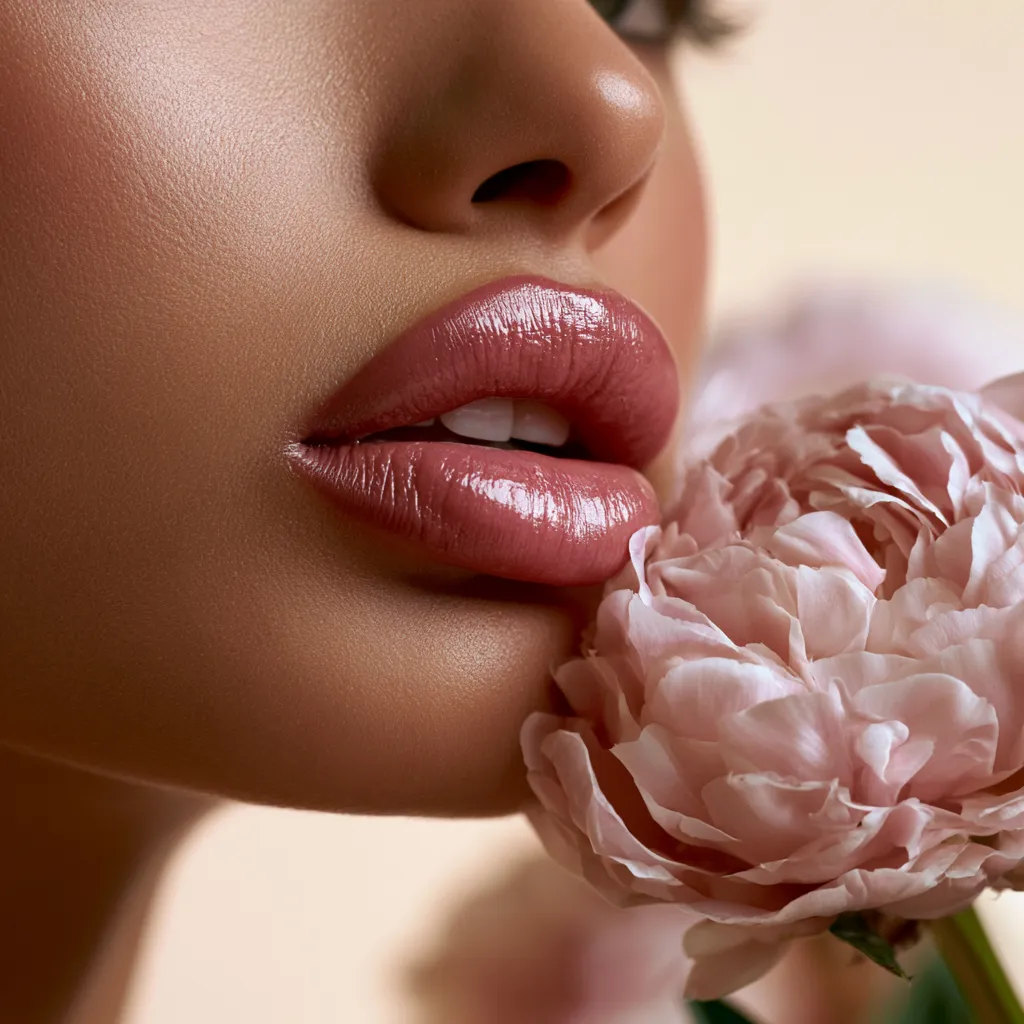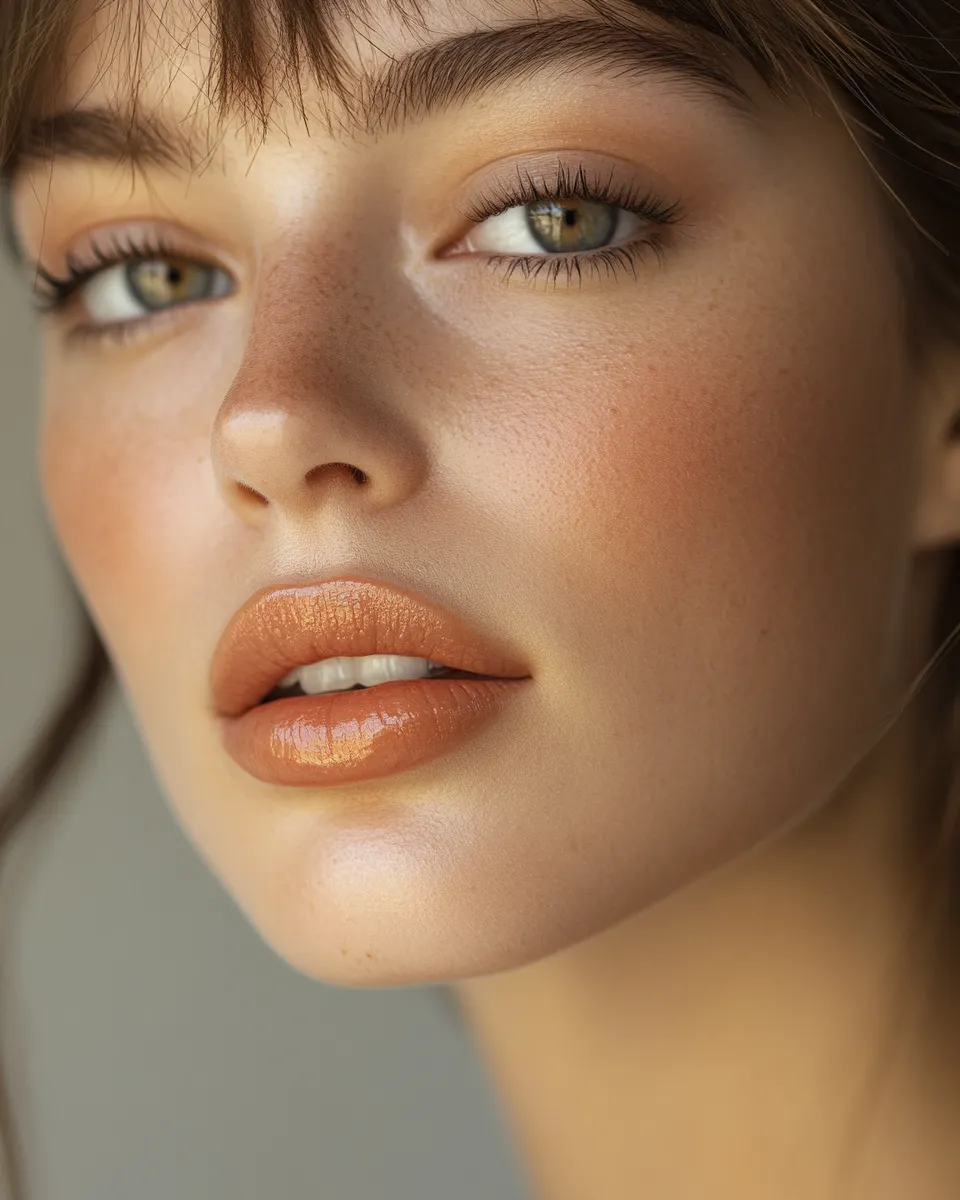
Lip stain layering is no longer a backstage secret—it’s how professional makeup artists are achieving color that lasts through lunch, dinner, and beyond. Unlike the blurred lip trend or clean girl makeup dominates May 2026 beauty trends globally, lip stain layering focuses on dimensional, transfer-resistant pigment that builds over multiple hours of wear. The technique works by stacking a long-wear base stain beneath a sheer or tinted topcoat, creating both saturation and visual depth that a single product cannot achieve.
Why Lip Stain Layering Outperforms Traditional Lipstick
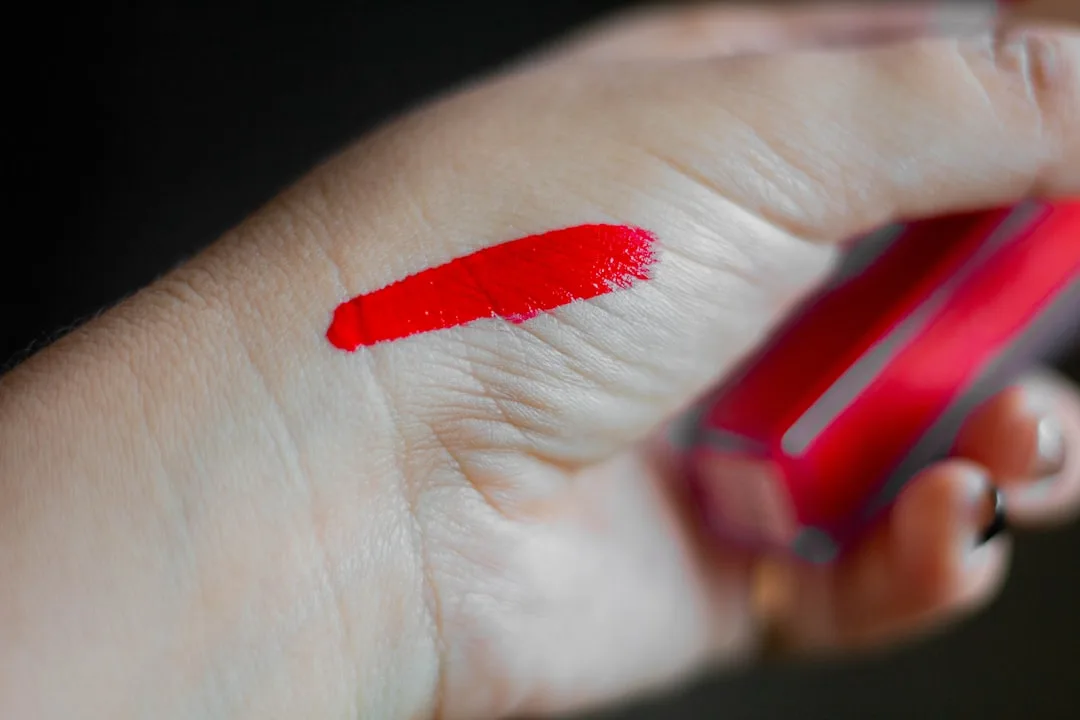
Maybelline SuperStay Matte Ink Liquid Lipstick, a long-wear formula with a precise applicator tip, has become the standard base layer in this technique. Applied directly to bare lips, it sets in under 60 seconds and bonds to the lip surface without sliding or feathering. The key difference: traditional lipsticks sit on top of lips, while stains absorb into the lip texture itself.
This absorption matters because it means color stays put even through eating, drinking, and speaking. When you layer a gloss or tinted balm over this base, you’re not just adding shine—you’re creating a sealed system. The stain cannot migrate because it’s already locked into the lip tissue.
Beauty editors have reported 8 to 10 hours of visible color retention with this method, compared to 4 to 6 hours with conventional lipstick alone. That’s a 50 to 60 percent increase in longevity.
Quick Tips
- Apply stain to clean, dry lips—any residual balm will cause patchiness and uneven color.
- Let the stain cure for exactly one minute before applying any topcoat to prevent dragging.
- Choose a topcoat in the same color family as your base stain for seamless depth, not contrast.
- Blot with a tissue between layers if you want a matte finish; skip blotting for maximum glossy impact.
- Reapply only the topcoat during the day—the stain base rarely needs touch-ups.
The Two-Step Product Combination That Works
Step one: Choose a liquid lip stain with proven staying power. Brands like NYX Lip Lingerie Push Up or NARS Powermatte Lip Pigment offer highly pigmented bases that dry to a transfer-resistant finish. These come in cream, matte, or satin formulas, each affecting the final look.
Step two: Select a topcoat that complements your base stain’s undertone. Glossy topcoats (like Fenty Beauty Gloss Bomb or MAC Lipglass) add shine and soften matte bases. Tinted balms create a more natural, blurred effect over darker stains.
| Step | Product Type | Wear Time |
|---|---|---|
| Base Layer | Liquid stain (matte or cream) | 8-10 hours |
| Topcoat Layer | Gloss, tinted balm, or lip oil | 3-5 hours (refresh as needed) |
| Combined Effect | Stain base + luminous topcoat | Up to 12 hours with reapplication |
| Best For | All-day wear, special events, travel | No touch-ups needed for 8+ hours |
The Biggest Mistake: Layering Incompatible Textures
Here’s what derails most first-time attempts: applying a thick, emollient balm over a liquid stain before it fully sets. If you apply a heavy cream balm within 45 seconds of stain application, the balm’s oils will reactivate the stain and cause it to slip sideways, creating an uneven border and muddy color.
A real example: A makeup artist at a bridal trial applied MAC Fix+ spray over a freshly applied liquid stain, then immediately added a lip gloss. Within two hours, the stain had migrated outward by nearly a millimeter on the upper lip, and the gloss had separated into tiny beads. The fix required complete removal and reapplication—a 15-minute delay.
The lesson: patience. Wait the full 60 seconds, then apply your topcoat. Incompatible textures (oil-based gloss over water-based stain, for instance) create separation and feathering.
Color Depth Through Strategic Shade Selection
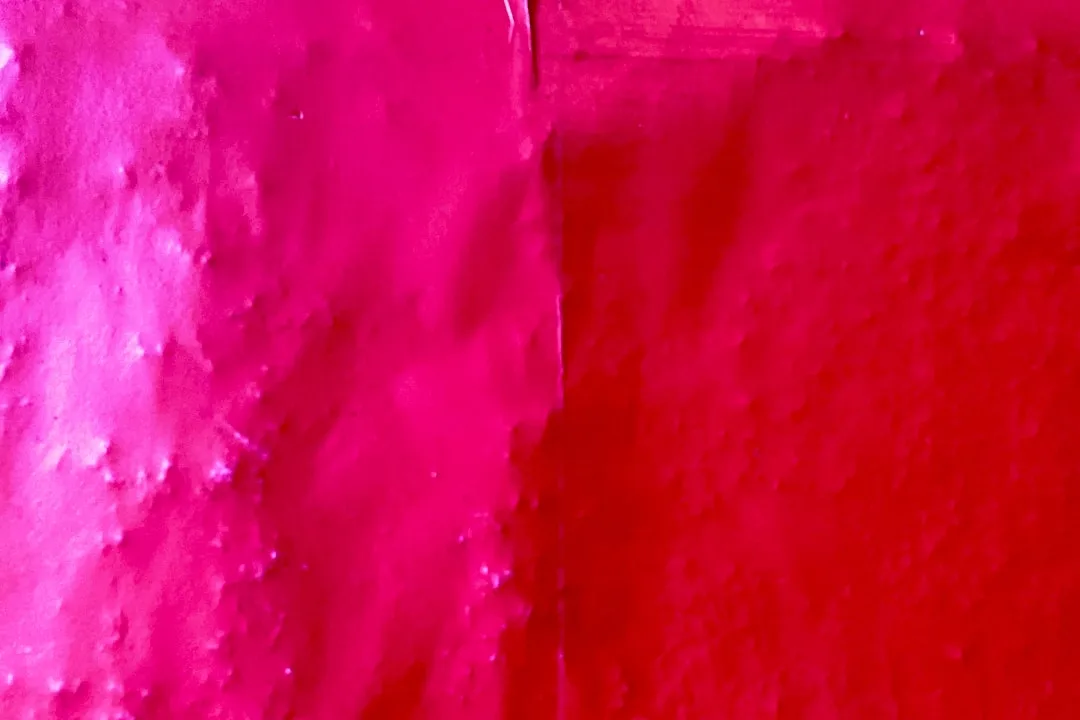
The second reason lip stain layering is trending is the dimensional color it creates. A deep burgundy stain topped with a sheer peachy gloss, for example, builds a color that appears warm in natural light and jewel-toned indoors. This dimensional quality mimics the aesthetic of expensive, custom-blended lipsticks without the custom price tag.
Tom Ford Beauty Lip Color Matte and Charlotte Tilbury Red Carpet Red are popular because their formulas accept topcoat layering without pilling or balling up. The pigment density allows sheer topcoats to show through rather than obscure the base color.
Professionals also use this technique to correct lip tone mismatch. If your natural lip tone is very pale, a stain base ensures the final color reads true, while a topcoat alone would appear washed out or patchy.
How Lip Stain Layering Fits Into Modern Makeup Trends
Unlike why hydrating face mists replaced traditional toners in mid-year skincare, lip stain layering is about control and longevity, not hydration. It bridges the gap between minimal makeup and bold color statements. You can wear a barely-there base stain with just a clear topcoat for natural days, or layer a jewel-tone stain with glossy topcoat for evenings.
This flexibility has made it the go-to technique for makeup artists working with multiple clients in a single day. One set of core stains and topcoats covers dozens of looks without requiring an extensive product inventory.
Summer 2026 specifically favors warm-toned stains (terracotta, rust, warm mauve) layered with sheer or shimmer topcoats. The trend moves away from stark matte lip monotone and toward the textured, lived-in quality that current beauty photography celebrates.
Building Your Lip Stain Layering Routine
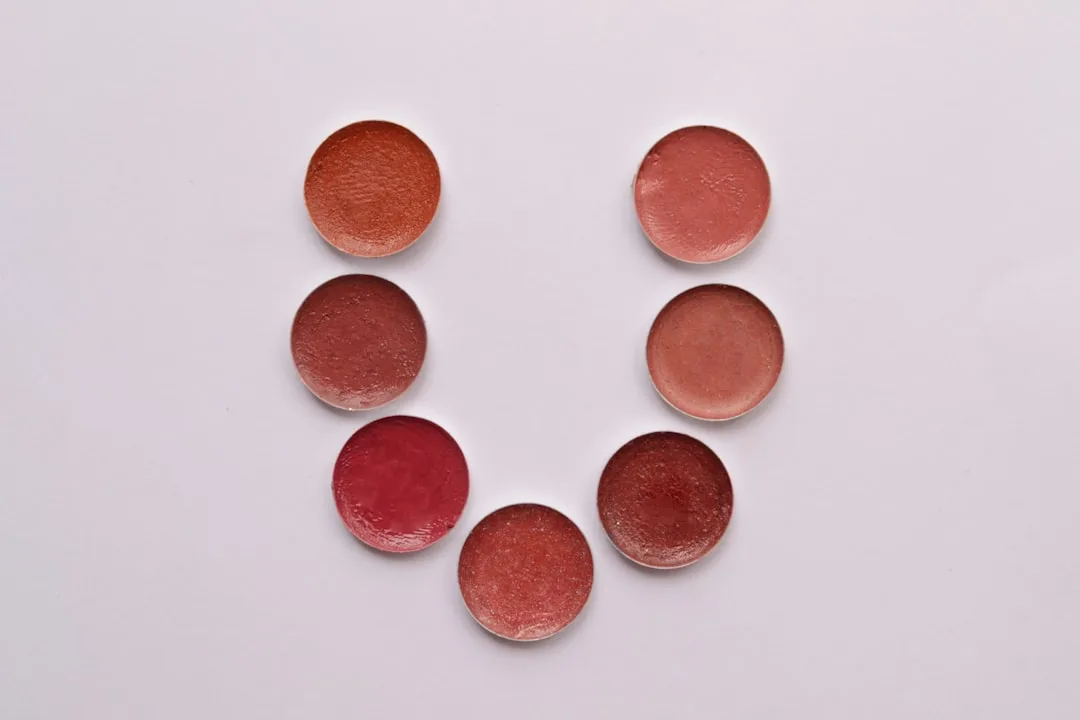
Start with two core base stains in neutral and bold tones. Add three topcoats: one clear gloss, one tinted balm, and one shimmer finish. This seven-product collection covers 30+ combinations without overwhelming your makeup bag.
Practice the timing—stain application, 60-second wait, topcoat application—until it becomes automatic. Most professionals can complete the entire two-step process in under three minutes. Speed comes only after you understand why each step matters.
The investment in quality formulas pays dividends in professional results and the confidence that comes from lips that stay put. Once you commit to the technique, you’ll notice why it’s become the fastest-growing segment in long-wear lip product sales.
Practical Resources for Lip Stain Layering
These tools help you prep your lips correctly, choose the right stain shade for your skin tone, and apply the topcoat layer like a pro — the three steps that determine how well the technique actually works.
Which ingredients in my lip products should I avoid before applying a stain?
How do I pick a stain shade that actually works with my skin tone and undertone?
What’s the right order to apply gloss over a lip stain, and which formula should I reach for?