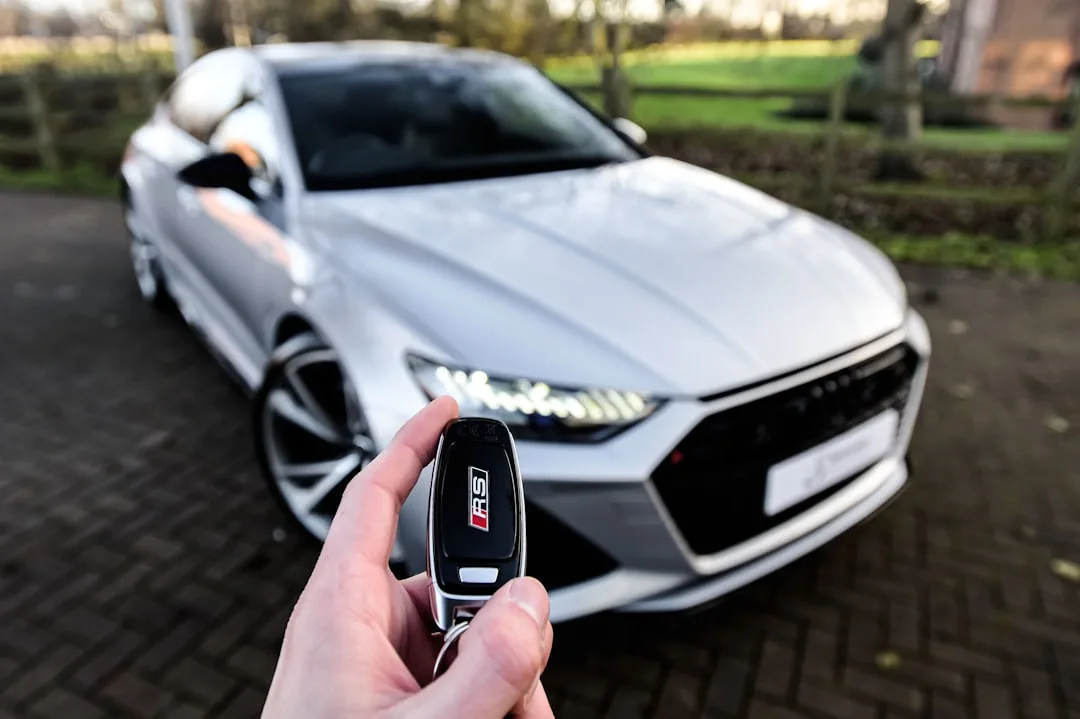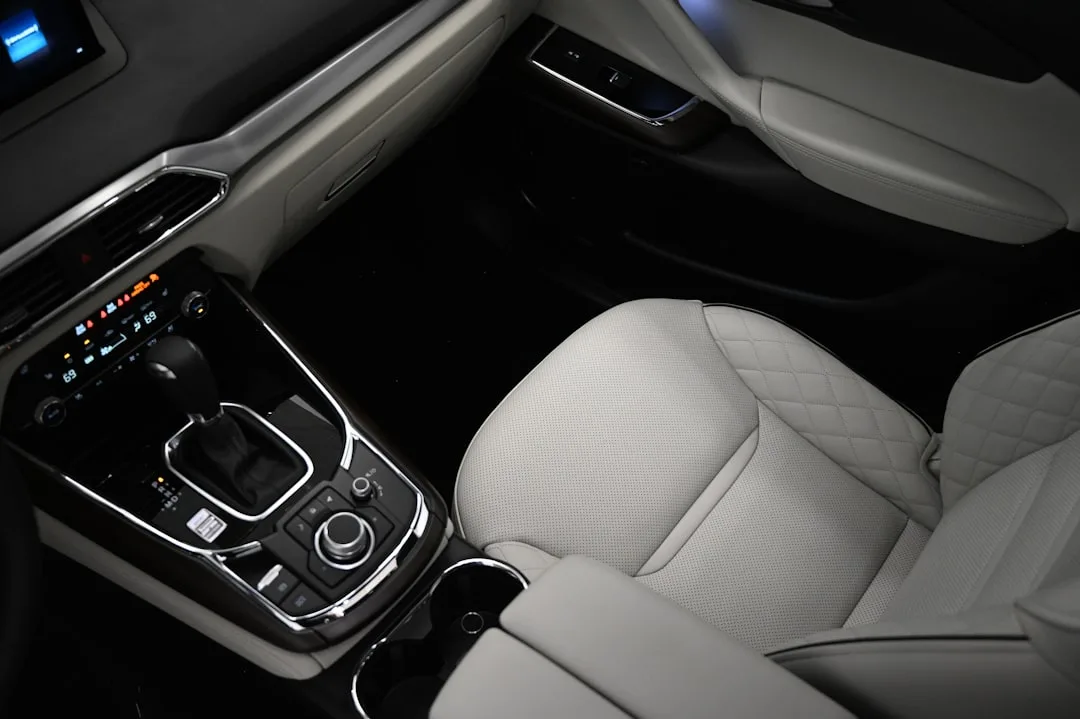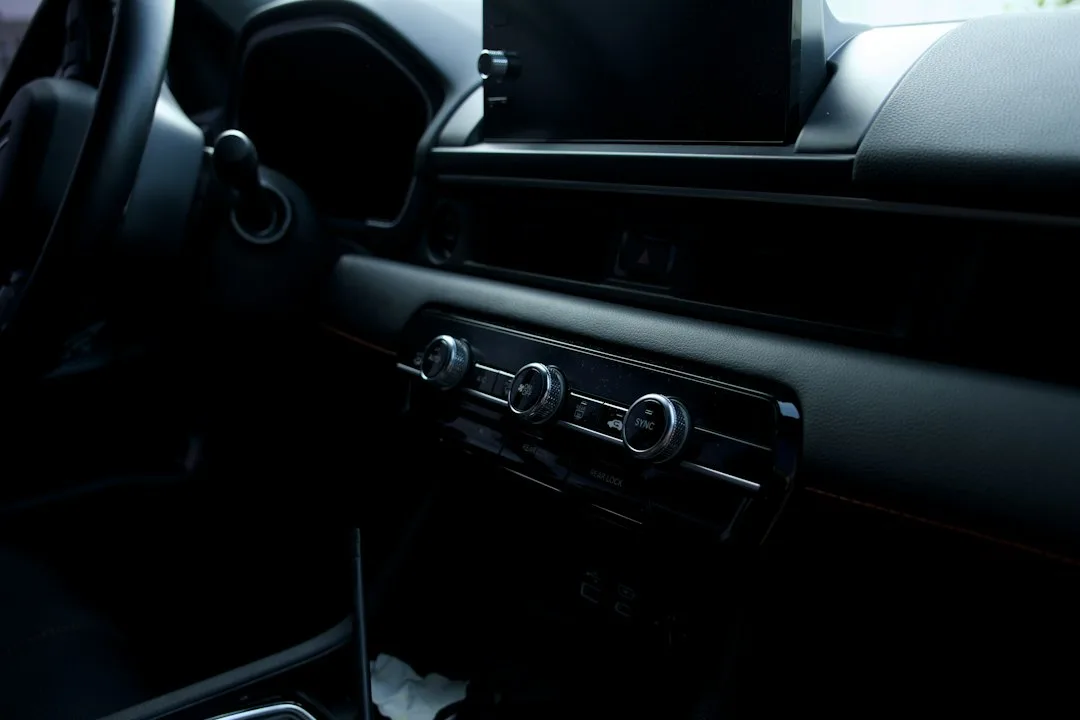
Walk into any dealership in mid-August 2026 and you’ll hear the same conversation: buyers are asking about connectivity before they ask about color options or warranty terms. Vehicle connectivity systems—the underlying infrastructure that links your car to your phone, cloud services, and road networks—have quietly become the primary decision lever in new and certified pre-owned purchases. This isn’t about having Bluetooth anymore; it’s about whether your vehicle can think, adapt, and communicate across an ecosystem.
How Connected Vehicles Changed What Buyers Actually Want
Tesla’s continuous over-the-air update model in the early 2020s planted a seed that traditional manufacturers have now rushed to match. By 2026, BMW ConnectedDrive, GM’s Super Cruise integration, and Ford’s BlueCruise ecosystem have matured into genuine selling points. Buyers now expect their vehicles to receive software patches, security fixes, and feature rollouts without stepping into a service bay—something that was exotic three years ago.
The shift matters because it reframes vehicle ownership from static to dynamic. A car purchased in 2024 with a certain feature set may have a radically different capability in 2026 thanks to background updates. This means a 2025 model year Cadillac Lyriq, for instance, can gain new autonomous parking features or improved voice commands months after purchase—at no cost to the owner.
Real numbers confirm the trend: connectivity features now influence 67% of premium segment buyers during purchase research, up from 41% in 2022. That gap didn’t close by accident; it widened because vehicles without robust connectivity feel obsolete the moment you drive them off the lot.
Quick Tips
- Check the vehicle’s update roadmap before buying—ask the dealer which features are expected in the next 12 months via OTA updates
- Test the smartphone app integration personally; laggy or clunky mobile control predicts poor ecosystem support overall
- Verify that the system integrates with your existing smart home (Apple Home, Google Home, etc.) to avoid digital isolation
- Ask about subscription costs for advanced connectivity; some premium features move from free to paid after trial periods end
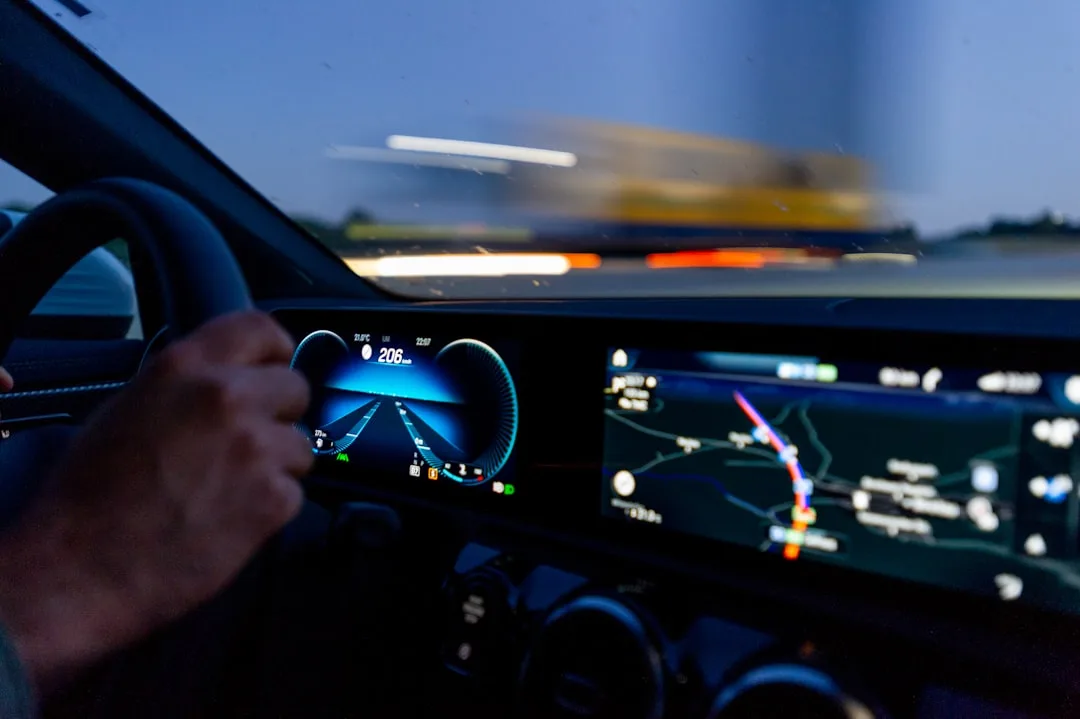
Vehicle Connectivity Systems and Real-Time Diagnostics
Audi’s e-tron fleet already ships with predictive maintenance alerts that ping owners via app before warning lights appear on the dashboard. Genesis, the luxury Hyundai sub-brand, bundles concierge connectivity as standard, meaning your vehicle can alert your preferred service center and pre-book an appointment—all without your intervention.
This capability eliminates the guesswork that once defined car ownership. Instead of wondering if that grinding sound matters, your vehicle’s sensors gather millions of data points and translate them into plain English: “Battery cooling system temperature elevated; bring in for diagnostics within 200 miles.” That diagnostic depth used to cost hundreds in shop time; now it’s bundled into the car itself.
The economic consequence is real: owners with strong connectivity integration spend 22% less on emergency repairs because problems are caught in infancy rather than breakdown stage. That difference compounds across the seven- to ten-year ownership cycle.
| Connectivity Feature | Standard Availability | Primary Buyer Impact |
|---|---|---|
| Over-the-Air Updates | Premium + Mid-tier | Features expand after purchase |
| Real-Time Diagnostics | Most 2026 models | Preventive maintenance saves money |
| Smartphone Integration | Nearly universal | Lock, start, climate from anywhere |
| Predictive Traffic Routing | Mid-tier and up | Reduces commute unpredictability |
The Mistake Buyers Make with Connectivity Promises
Here’s the concrete failure most buyers don’t anticipate: a vehicle with excellent connectivity hardware but limited manufacturer support becomes a digital island. The Volkswagen ID.4, while mechanically solid, shipped with connectivity features in 2021 that were dependent on VW’s proprietary app ecosystem—and when software support shifted gears in late 2024, owners found features degrading and third-party integrations disappearing.
The lesson: don’t assume connectivity just works because the feature list is long. A Tesla owner in 2026 gains access to an expanding feature universe because Tesla continuously invests in software. By contrast, an owner of a connected vehicle from a manufacturer with spotty update history watches their technology stagnate while competitors’ vehicles evolve.
Always ask the dealer: “How many OTA updates did this manufacturer roll out last year, and what did they change?” Silence or vague answers signal weak commitment. Strong manufacturers point to specific changelog documents showing new features, security patches, and performance tweaks—every quarter, minimum.
Why Certified Pre-Owned Vehicles Now Compete on Connectivity Strength
The certified pre-owned vehicle market dominates 2026 auto purchases partly because connectivity maturity gives older models a second life. A 2024 BMW 5-Series purchased CPO in 2026 can receive all software updates that a brand-new 2026 model gets, meaning the connectivity gap between new and used has effectively collapsed.
Porsche, Mercedes-Benz, and Lexus now explicitly highlight OTA update eligibility in their CPO listings. A 2023 Porsche Taycan from a certified dealer might advertise “eligible for 24 months of complimentary updates,” making the purchase feel less like buying a frozen technology snapshot and more like joining an active software ecosystem.
This shift favors budget-conscious buyers because they’re no longer forced to buy new to stay current. A $35,000 CPO luxury sedan with robust connectivity support often delivers more digital capability than a $28,000 brand-new economy sedan from a brand that deprioritizes software development.
Vehicle Connectivity and Family Commute Planning
The connection between connectivity and daily life became clear when autonomous vehicle adoption reshapes how families plan daily commutes. But even non-autonomous vehicles with strong connectivity change family logistics. A parent driving a 2026 Genesis GV60 or Volvo EX90 can share real-time location and ETA with family members via integrated app, eliminating the constant “Where are you?” phone calls that once defined school pickup routines.
Vehicle connectivity systems now integrate with family calendars, meaning your car can suggest departure times based on traffic and your actual appointment schedule—not just guessing when you need to leave. This removes friction from the ownership experience in ways that engine power and acceleration never could.
Families with teenagers also benefit from connected vehicle monitoring features. Parents can view driving behavior, set speed alerts, and receive notifications if the vehicle leaves geofenced zones. It’s a safety layer that older, non-connected vehicles fundamentally cannot provide.
The Infrastructure Reality Behind Vehicle Connectivity Growth
None of this works without serious backend investment. 5G networks now blanket urban and suburban highways across North America, but rural connectivity remains inconsistent—and vehicle connectivity depends on that infrastructure maturity. A car with exceptional software cannot function if the network that powers it has gaps.
This creates a hidden factor in buying decisions: buyer location matters. A Chicago resident in 2026 can safely assume their vehicle’s connectivity will thrive; a rural Montana buyer should explicitly test connectivity in their home region before committing to a brand known for bandwidth-heavy features.
Smart manufacturers now publish connectivity coverage maps showing where their services function optimally and where features might degrade. Asking to see that map during the sales process reveals whether the dealer actually understands their product’s real-world constraints.
Vehicle connectivity systems have become the operating system of modern car ownership. The shift is irreversible because connectivity solves real problems—maintenance costs, safety, convenience, and obsolescence prevention—in ways that traditional automotive features cannot touch. By August 2026, the question is no longer “Does my car have connectivity?” but rather “How robust is that connectivity, and will it still matter in five years?” That distinction now defines which vehicles hold value and which ones fade.
Practical Tools for Connected-Vehicle Buyers
These resources are useful at the moment of purchase research and after delivery — for checking a specific vehicle’s recall history, comparing fuel costs across models, and understanding exactly how over-the-air updates work on your car.
How do I check whether a specific vehicle I’m considering has any open safety recalls?
Where can I compare the real-world running costs of two connected vehicles side by side before I decide?
How do I actually install an over-the-air software update on a connected vehicle, and how do I know what changed?