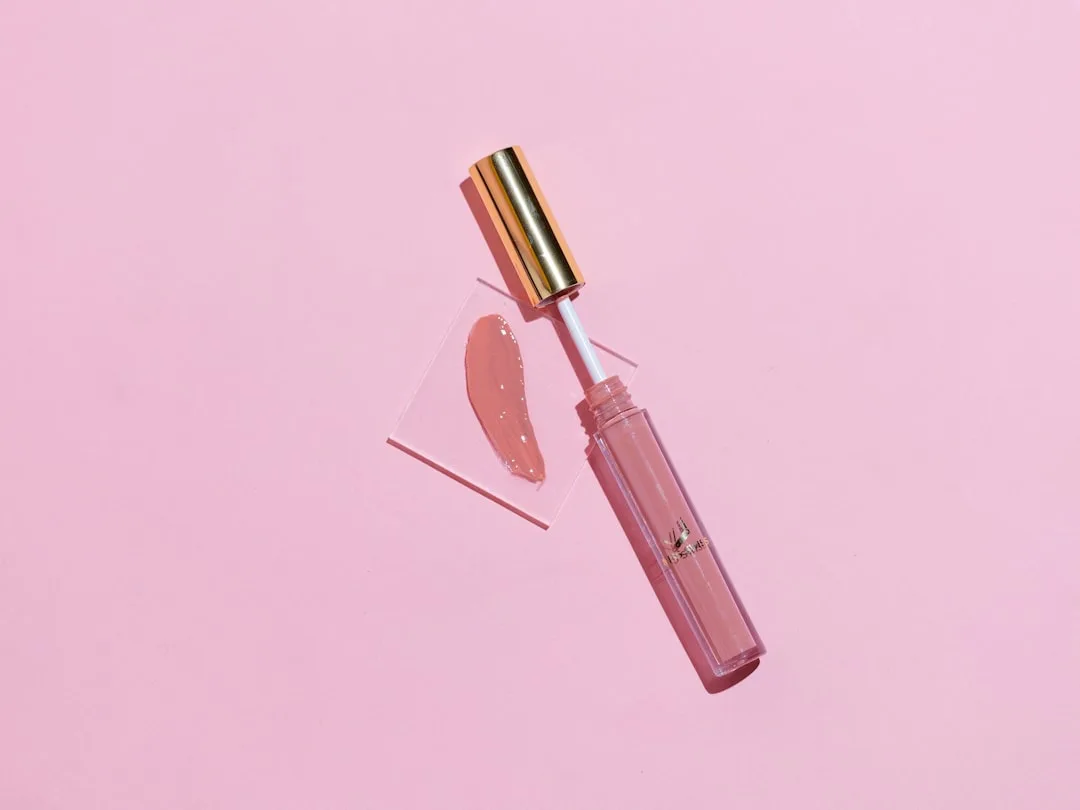
A single lip product used to be enough. Not anymore. Lip tint stain layering—the practice of applying multiple tint formulas in deliberate sequence—has become the standard technique professional makeup artists use to build color that actually stays put and looks rich. This isn’t about randomly stacking products; it’s a chemistry-based system that uses water-based tints to prime, cream stains to anchor, and glosses to seal, creating depth that single-product application cannot achieve.
The shift happened quietly over the past year as influencers and beauty editors noticed that layered application outperformed every standalone lip product on the market. Dermatologists have backed this up: when you layer tints with different formulations, the pigments sit at different depths in the lip’s surface, creating visual dimension and preventing the flat, one-note appearance that plagues traditional lipsticks and stains.
Why Water-Based Tints Start the Sequence
Brands like Rare Beauty and Glossier have leaned hard into water-based lip tints as category leaders, and for a technical reason: these formulas are thin enough to be absorbed partially by the lip, creating a base layer that doesn’t move. Water-based tints contain less oil than cream products, which means they adhere directly to dead skin cells and don’t migrate or feather as the day progresses.
Cream and Gel Overlays Lock in Color Intensity
Once your water-based tint foundation has set, the next phase involves layering a cream or gel product to intensify depth and prevent fading. These thicker formulations sit on top of the tint rather than merging with it, creating a seal that extends wear time significantly. Cream lipsticks and gel tints contain more emollients, which means they provide slip and blendability while also forming a protective barrier against eating, drinking, and talking throughout the day.
Apply your cream or gel product using a lip brush for precision, working from the center outward. The combination of the water-based base with a cream overlay creates what makeup artists refer to as a “locked” finish—the water-based layer prevents feathering while the cream layer prevents fading. This dual-layer approach is particularly effective for those working toward a Clean Girl Makeup Dominates May 2026 Beauty Trends Globally aesthetic, which emphasizes long-wearing, natural-looking color.
Powder Setting Extends Wear Without Drying
The final critical step in modern lip layering involves a whisper-light application of lip powder or translucent setting powder. This counterintuitive technique—adding powder to lips—actually prevents migration and extends longevity by absorbing excess oils that can cause color to shift or smudge. The powder doesn’t dry out lips when applied correctly; instead, it creates microscopic texture that grips both the cream layer and the water-based base underneath.
Use a damp lip brush or a specialized lip powder applicator to apply just enough product to create a matte or satin finish, depending on your preference. The moisture on the brush prevents the powder from absorbing all moisture from your lips. Many beauty professionals now recommend this step as essential for anyone wearing color through a full workday or evening event.
Hydration Rituals Preserve Lip Health Between Applications
Layering multiple lip products requires a counterbalancing commitment to lip care, since the build-up of pigments and setting products can stress delicate lip skin. Professional makeup artists emphasize that the foundation for successful layering starts the night before, with a dedicated lip hydration routine that mirrors your facial skincare approach. Just as Why Hydrating Face Mists Replaced Traditional Toners in Mid-Year Skincare refreshes complexion throughout the day, lips need consistent moisture replenishment to remain supple.
Before bed, apply a rich lip balm or overnight lip mask to repair the barrier. In the morning, exfoliate gently with a soft toothbrush or lip scrub to remove any flaking, then apply a hydrating primer before your tint-and-cream routine. This preparation ensures that each layer of color sits smoothly without clinging to dry patches. The visual result is more professional and polished, with better color payoff and less patchy appearance.
Customizing Layers for Different Skin Tones and Undertones
The beauty of layered lip application lies in its flexibility across diverse complexions. Water-based tints in warm coral or berry tones can be combined with cool-toned cream overlays to create nuanced, personalized shades that don’t exist in any single product. Conversely, someone with cool undertones might layer a rose-based tint with a mauve cream for added dimension and depth. The chemistry of color mixing happens on the lip itself, allowing for infinite customization without the commitment of purchasing dozens of single-use products.
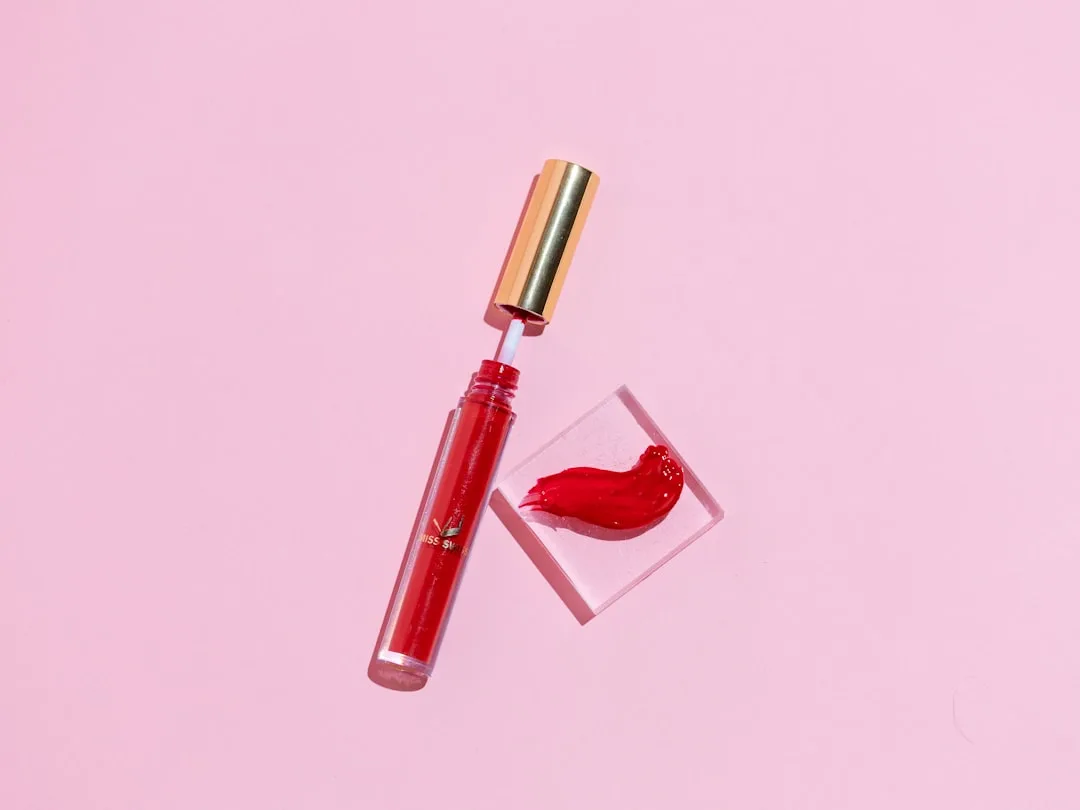
Start by identifying your natural lip undertone—whether warm, cool, or neutral—and select your base tint accordingly. The overlay cream should either complement or strategically contrast with the base to achieve your desired final shade. This layering approach also means lighter skin tones can build intensity gradually, while deeper skin tones can achieve vibrant payoff with less product overall. Testing combinations on swatches or your inner wrist before committing to full application helps refine your personal lip layering formula.