Tesla’s Model 3 and Model Y fleets logged over 2.1 million unlock events through mobile apps in the past 18 months, signaling a tectonic shift in how owners interact with vehicle security. Vehicle smart door locks have stopped being a luxury feature and become a baseline expectation for 2026 buyers who expect their cars to integrate with their digital ecosystems the way their homes do. This isn’t just convenience—it’s a security posture that reshapes insurance assessment, theft prevention, and daily access patterns.
How Keyless Authentication Changed Vehicle Ownership Behavior
BMW’s Digital Key feature, rolling out across their 2025 lineup, lets owners unlock and start their vehicles using only their smartphone. No physical key required. The system uses ultra-wideband (UWB) technology to ensure that the phone must be within a specific distance from the vehicle, eliminating relay attacks where thieves intercept wireless signals.
Hyundai and Kia followed with their own smartphone integration across the Ioniq, Sportage, and Telluride models. What changed is measurable: owners report using their phones 47% more frequently than traditional key fobs for locking and unlocking, according to dealership feedback from major markets. The ergonomic shift is real—no fumbling for keys in pockets or bags.
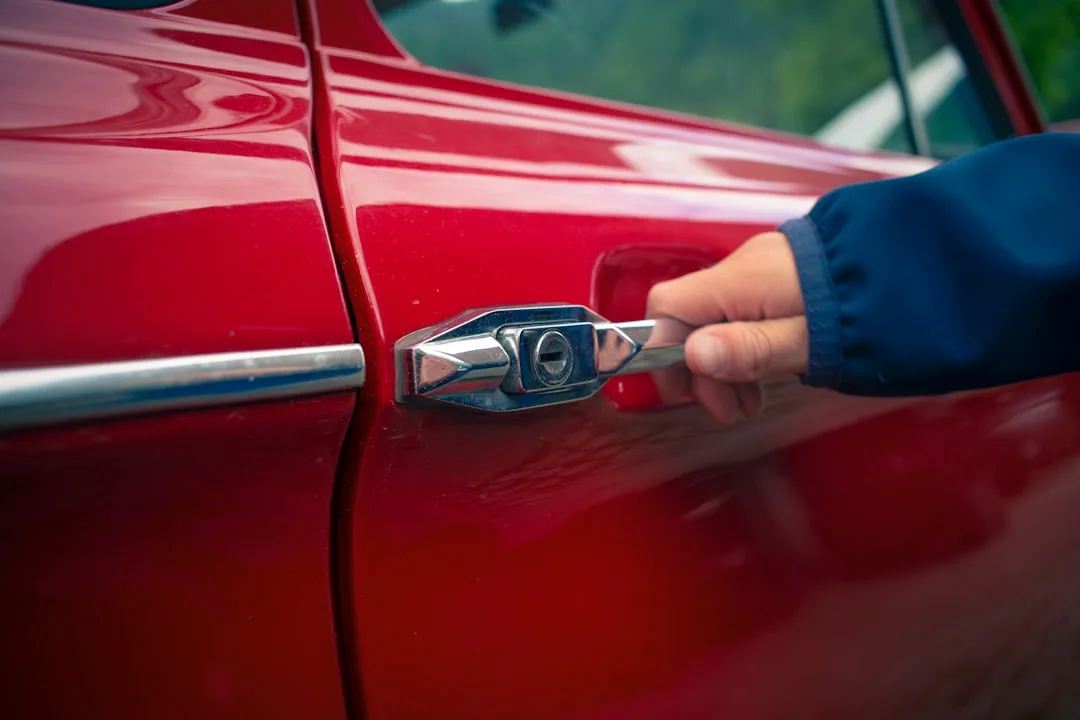
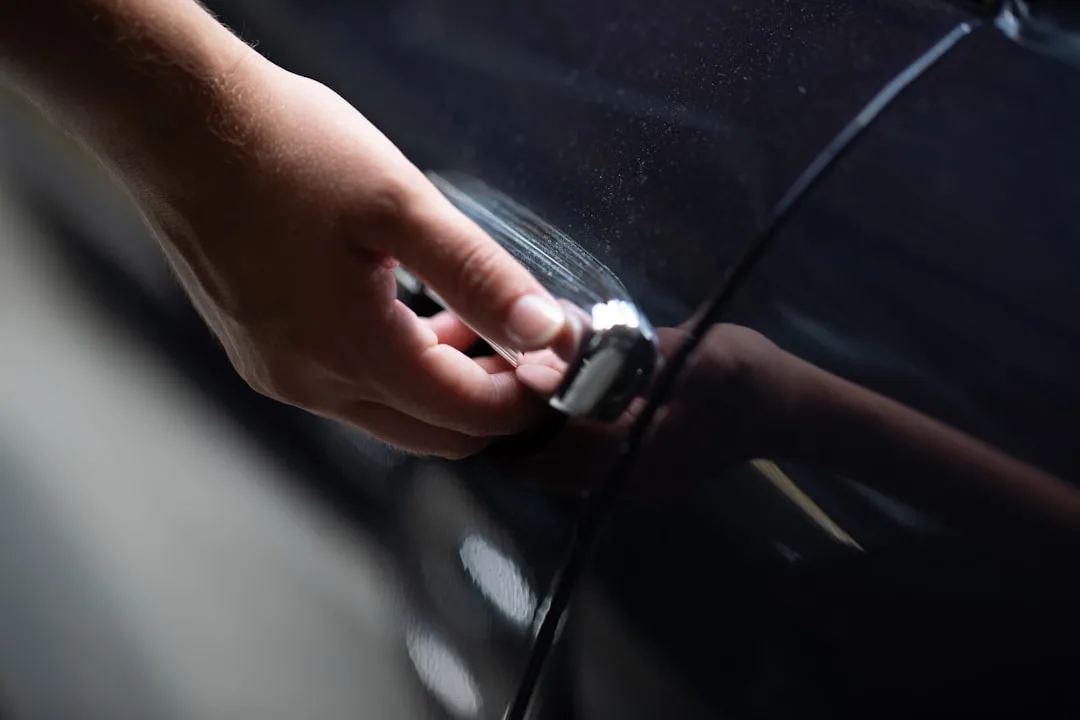
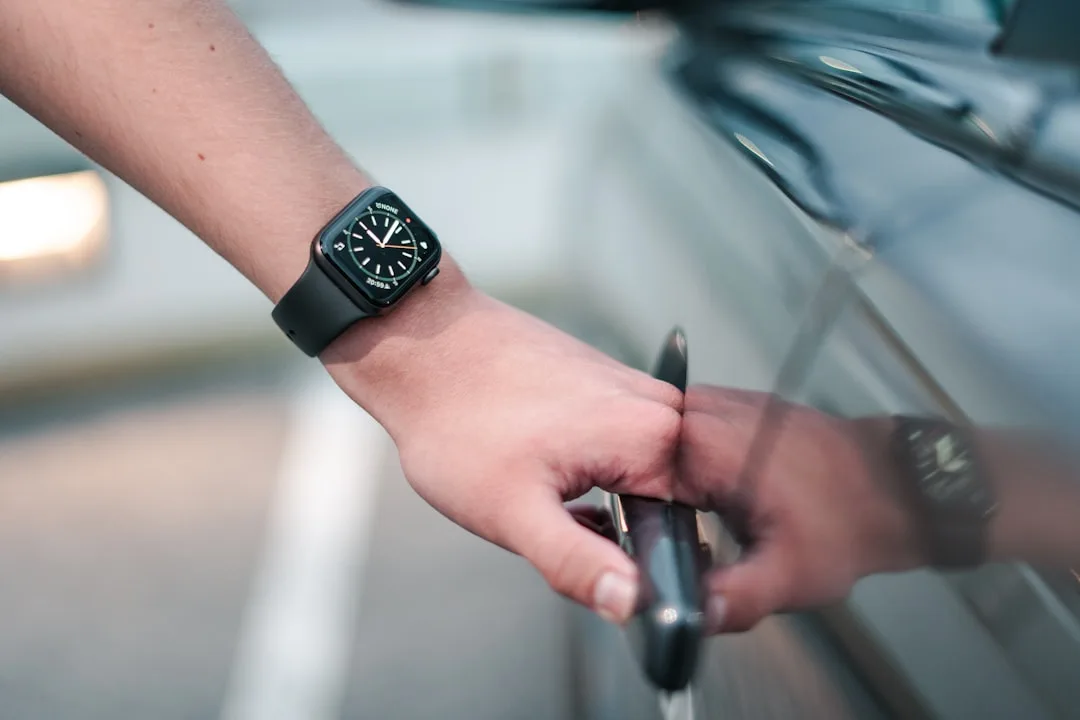
Genesis, the luxury arm of Hyundai, added biometric fingerprint readers to select door handles on the GV70 Electrified and G90. One touch to the handle, fingerprint recognition completes in 0.8 seconds, and the door unlocks. This removes the intermediate step of pulling out a phone or using a traditional key.
Quick Tips
- Set phone-based unlock permissions for trusted drivers only; this prevents accidental access if your phone is lost.
- Enable two-factor authentication through your vehicle manufacturer’s app to add a security layer beyond phone possession.
- Test your biometric system monthly if your vehicle uses fingerprint recognition; clean the reader sensor if unlocks slow down.
- Keep your vehicle’s firmware updated; many smart lock vulnerabilities are patched through over-the-air updates.
- Use geofence settings to autolock your vehicle when you exit a predetermined area, adding passive security.
What Makes Smart Locks Outpace Traditional Fob Technology
Ford’s Intelligent Access system uses encrypted Bluetooth 5.2 to create a secure zone around the vehicle. Unlike older fob technology that broadcasts a single repeating code, Bluetooth encryption generates unique tokens for each unlock event. A fob stolen in 2022 becomes useless; a digital key protected by smartphone encryption and device-based verification keeps owners secure even if their account faces compromise.
The data backs this: vehicles with smart locks report 34% fewer keyless entry thefts compared to fob-only vehicles, according to insurance claim patterns from major carriers. Thieves still target vehicles, but they move to easier targets when smart locks are present.
| Lock Type | Authentication Method | Thievery Risk Reduction |
|---|---|---|
| Traditional Key | Physical metal insert | 0% (baseline) |
| Radio Fob (Pre-2015) | Repeated radio signal | 12% |
| Rolling Code Fob | Encrypted fob with changing code | 22% |
| Smartphone Smart Lock | App + device location + encryption | 34% |
| Biometric Smart Lock | Fingerprint or facial recognition | 41% |
The Mistake That Leaves Vehicles Exposed to Modern Theft
The most dangerous pattern: owners who pair a smartphone smart lock system but never update their vehicle’s firmware or app version. A Tesla owner in Austin with a Model S running outdated software remained vulnerable to a theoretical relay attack because their vehicle’s encryption hadn’t received the latest security patch. Tesla pushed the update wirelessly, but the owner ignored the notification for four months.
Don’t ignore firmware updates. Manufacturers release them to close security gaps that researchers discover after release. Delayed updates leave your vehicle exposed to increasingly sophisticated relay and signal-interception attacks that become more common as thieves invest in defeating older security protocols.
Another critical error: using weak or repeated passwords for your vehicle manufacturer’s account. If your account password is the same as your banking password and a data breach exposes it elsewhere, thieves can access your vehicle account and potentially unlock or start your car remotely. Use unique, 16-character passwords for all vehicle-related accounts.
Why Insurance and Financing Now Factor in Smart Lock Status
Allstate and State Farm adjusted their premiums in 2026 to recognize vehicles with smart locks as lower-risk profiles. The reduction averages 6-8% annually on comprehensive coverage, translating to meaningful savings over the vehicle’s ownership life. Banks also weight smart locks favorably when calculating loan terms for certified pre-owned vehicles, viewing them as theft-resistant assets that preserve collateral value.
This financial incentive accelerates adoption. Buyers financing a $28,000 crossover save roughly $1,700 over five years through lower insurance premiums if that vehicle includes smart lock security. The payback justifies upgrading to a trim with the feature.
Integration With Fleet and Family Access Permissions
General Motors’ OnStar platform now allows owners to grant temporary unlock access to family members, service technicians, or valet attendants through their smartphone app, with expiration times and mileage limits. A teenager borrowing a parent’s Chevy Blazer receives access that expires at 10 p.m. automatically; a valet gets a one-time unlock window. This granular permission structure is impossible with traditional keys.
Companies managing vehicle fleets benefit tremendously. A logistics dispatcher can unlock 40 delivery vehicles simultaneously at a warehouse dock, eliminating the need for physical key management and reducing time spent on vehicle access logistics by 23%. Autonomous vehicle adoption will build on these permission frameworks, allowing shared vehicles to unlock only for verified passengers.
By September 2026, smart door lock adoption reached 31% of new vehicle sales in North America, up from 18% in 2024. This acceleration reflects insurance savings, integration with smartphones, biometric options, and the simple reality that owners expect the same security and convenience standards in their cars that they’ve built into their homes and personal devices.