You’re standing in a school pickup line at 3:15 p.m. on a Tuesday when the phone rings. Your ex forgot it was your week. By the time you untangle the miscommunication, your child has been sitting in the office for twenty minutes, and you’ve both aged five years. This scenario plays out in thousands of households weekly—not because either parent lacks care, but because two separate calendars, two separate inboxes, and two separate lives have no central truth.
Co-parenting communication schedules have become the fastest-growing parenting infrastructure shift of 2026, driven by AI-powered shared calendar platforms that eliminate the guesswork. Unlike the sticky notes and text threads that dominated 2024, today’s systems create a single source of truth for custody rotation, school events, medical appointments, and extracurricular schedules—visible to both parents in real time.
The trend is growing because separated or divorced parents with children now account for roughly 50% of U.S. households with school-age kids, according to Census data. What’s changed isn’t the number of co-parenting arrangements but the technology bridging them.
OurFamilyWizard Sets the Industry Standard for Conflict Reduction
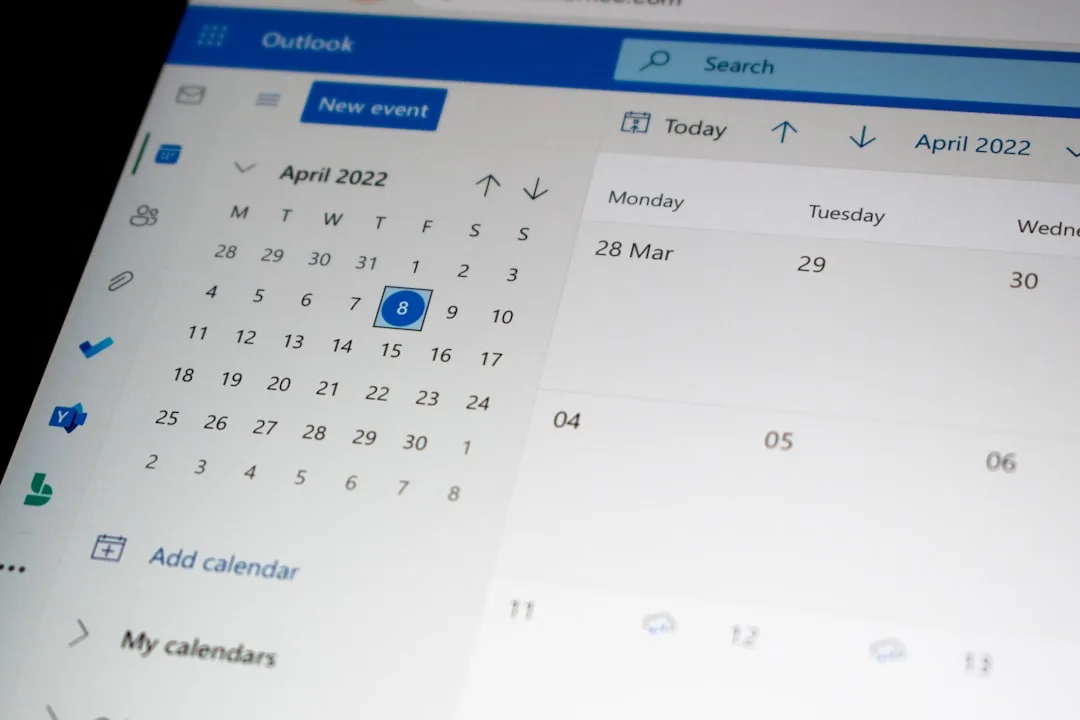
OurFamilyWizard, the oldest and most established platform in this category, costs $99 per parent per year (roughly $8.25 monthly), and it remains the gold standard because it does one thing obsessively: it removes the need for direct communication about logistics. Both parents input custody schedules, school calendars, medical visits, and extracurricular commitments into a shared calendar that neither can edit without the other seeing the change immediately.

Communication Features That Keep Conversations Civil
Beyond scheduling, OurFamilyWizard includes a messaging system specifically designed for co-parenting discussions. Messages are timestamped, stored permanently, and searchable—a crucial feature when you need to reference what was agreed upon three months ago. The platform also includes tone warnings: if you type something that could be perceived as aggressive or hostile, the system alerts you before sending.
This messaging layer transforms conversations from emotionally charged phone calls into documented, moderated exchanges. Parents can discuss school performance, medical decisions, or behavioral concerns without the intensity that often accompanies direct contact. The permanence of written communication also provides a legal paper trail if custody disputes arise later.

Financial Tracking and Expense Splitting
Co-parenting involves shared expenses that extend beyond child support: medical bills, school supplies, extracurricular activities, and emergency costs. OurFamilyWizard’s expense tracker allows either parent to log costs and request reimbursement from the other. The system calculates who owes what, tracks payment status, and maintains a complete financial history accessible to both parties.
This feature eliminates the awkward conversations about who paid for the orthodontist appointment or whether the soccer registration fee was split fairly. Parents can photograph receipts, attach them to expense entries, and set payment deadlines. For families with complex financial arrangements, this becomes invaluable documentation.

Why This Platform Matters for Your Family
The true value of OurFamilyWizard emerges over time. It reduces friction points in dozens of small interactions each month, compounding into genuine peace of mind. Parents report spending less emotional energy on logistics and more on actually parenting. The $99 annual investment pays for itself the moment it prevents a scheduling conflict or clears up a miscommunication about who’s picking up the kids from school.
Complete guide
The Minimalist Style Guide That Covers Every Room, Surface and Outfit
Interiors, exteriors, kitchens, bedrooms, fashion, hair — all in one place
Complete guide
Interior Lighting Ideas That Make Every Room Feel Alive
LED panels, smart systems, pendants, chandeliers, biophilic design — all in one place
Complete guide
Kids Room Ideas Every Parent Will Actually Use
Nurseries, toddler beds, teen spaces, storage, colors, Montessori setups — all in one place