
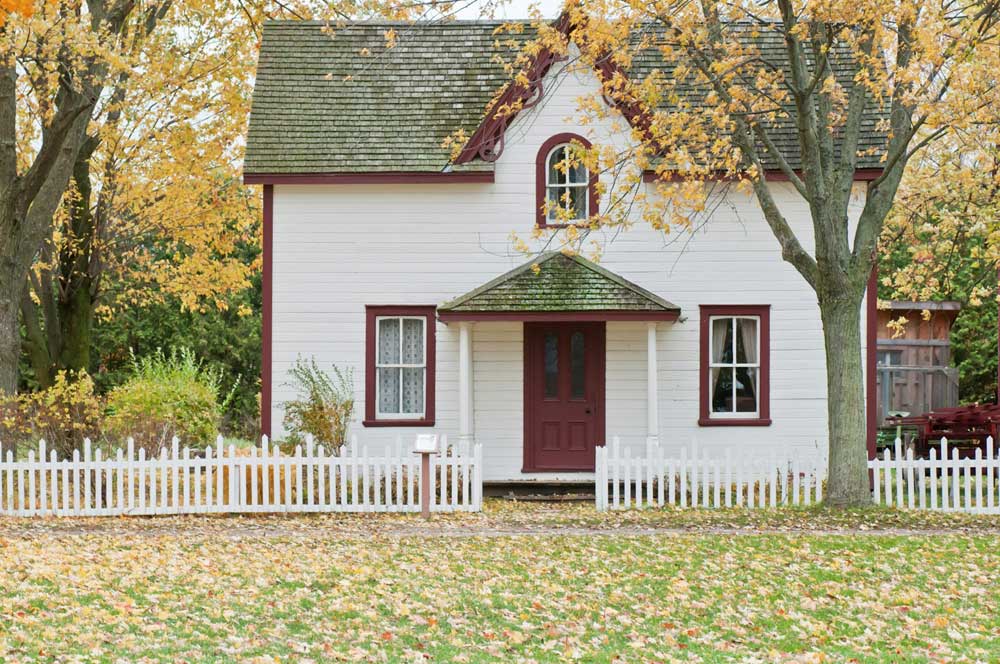
Many homeowners are proud of how beautiful their homes look, but they don’t know that certain home features protect the structure from everyday wear, moisture, and weather. When these features are maintained, they keep your home looking stronger and lovely for years. Here are some of the overlooked features that protect the appearance of your home.
Gutters and Drainage Systems
Many homeowners only discuss their gutters and drainage systems when something goes wrong with them. However, without these systems, it becomes difficult for water to flow away from your home. A clogged or damaged gutter can lead to problems like overflowing water and stains on your exterior walls.
You can prevent this by cleaning your gutters regularly and removing leaves or debris that can block water flow. You should also inspect downspouts to ensure water is directed away from your home’s foundation.
Foundation Grading
Proper grading prevents rainwater from collecting around your foundation. When water pools near your house, it can lead to stains, soil erosion, and even moisture damage that eventually damages exterior walls.
You can prevent this by checking your yard every time there is heavy rainfall. If water is constantly pooling near your home’s foundation, enlist the services of a professional to properly grade the ground around your home.
The Roof
Your roof doesn’t have to be damaged for problems to arise. Just a few missing shingles is all it takes for rain to begin entering the house. Slight discoloration or moss growth can make the entire home look neglected. Regular inspections help you catch minor issues before they become costly repairs. We recommend hiring a professional roofing company under a trusted holding company to assess your roof and address any concerns.
The roof flashing is usually installed around your vents, roof valleys, skylights, and chimneys. Its job is to direct rainwater away from those joints where leaks tend to occur. When your flashing becomes damaged, rusted, or loose, rainwater can seep into your roof and walls. The result is usually stains, mold growth, and peeling paint. To prevent this, ensure you regularly inspect the flashing.
Landscaping
A tree in your lawn that gets overgrown can pose serious issues to your house. If the tree is too close, it can drop debris on your roof and clog the gutters. Growing roots can also crack your underground plumbing, walkways, and driveways. Overhanging branches during storms can break off and cause significant structural damage to your roof, windows, and siding. Regular trimming and pruning by a certified arborist can keep your trees healthy while protecting your property from unnecessary damage. This is why experts always advise that you plant trees a bit farther from your building.
Exterior Caulking and Seals
Caulking or seals around your window or door are placed there to prevent water, dust, and insects from entering your home. When they get damaged, and a gap appears, it can lead to moisture stains on your walls if left unchecked.
To prevent this from happening, always inspect exterior caulking and seals every year. If you notice any is cracked or worn out, replacing them will keep your home looking great for years to come.
Siding and Exterior Walls
Your home’s siding acts as a protective barrier against rain, wind, and sunlight. If it is not well taken care of, dirt, algae, and mildew can build up on the surface over time, making your home appear older than it actually is.
It’s important that you clean siding and exterior walls regularly. You should also repair any loose or damaged panels. This will preserve your home’s appearance and also prevent moisture from affecting the structure.
Proper Ventilation
Without proper ventilation, your home will begin to trap heat and moisture, especially in your attic. When there’s no way for the heat and moisture to escape, issues such as mold growth quickly become a concern.
To ensure proper ventilation in your home, keep your attic vents clear and ensure your home has adequate airflow. Be sure to inspect vents for blockages regularly to help reduce heat and moisture buildup.
Endnote
Improvements such as painting and adding new décor are not the only way to keep your home appearance looking nice. You also need to pay attention to protective features like gutters, roofing, ventilation, exterior seals, and landscaping. When these features are well-maintained, they’ll protect your home’s appearance and value.
You Might Also Like



Related Topics