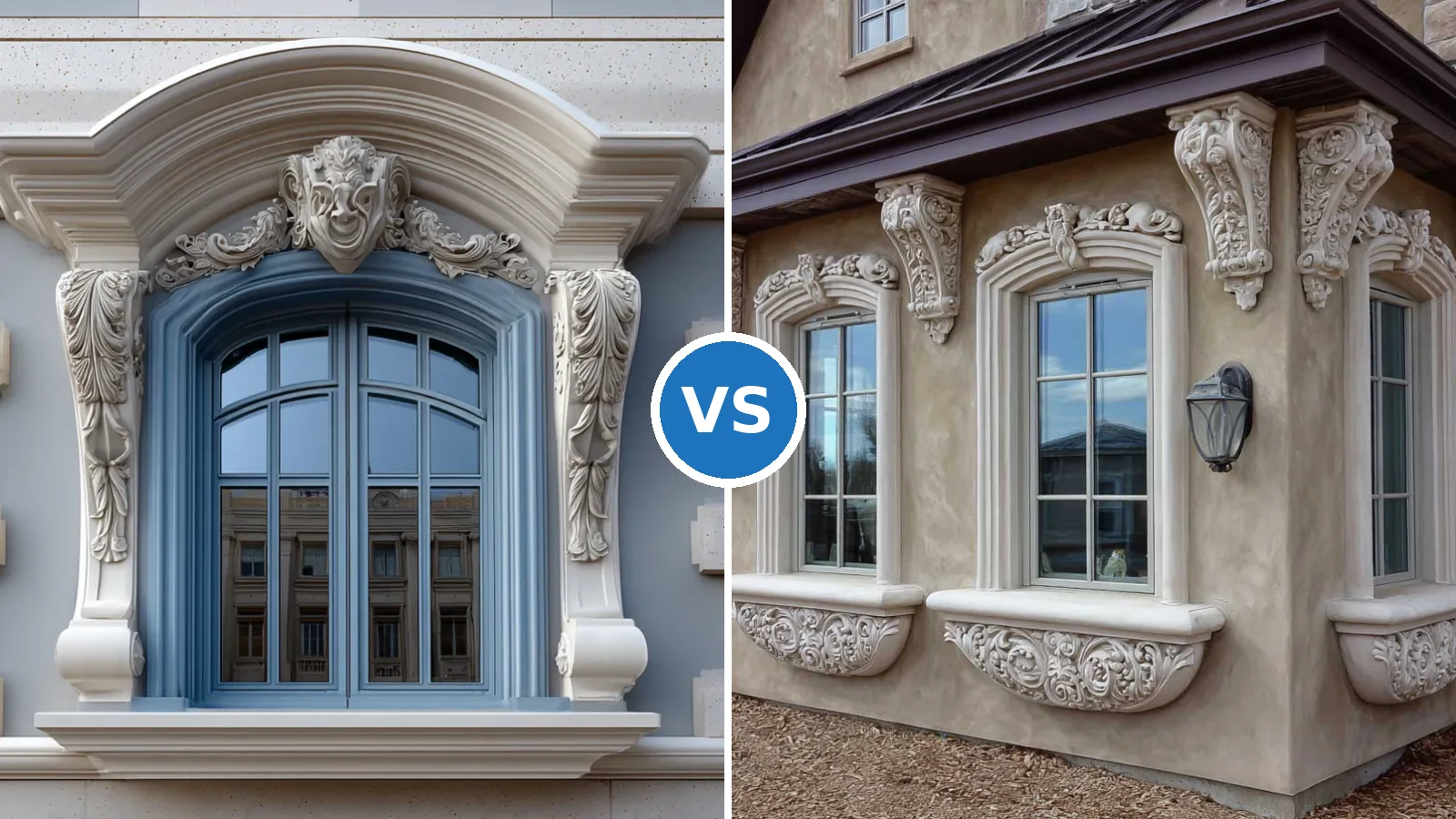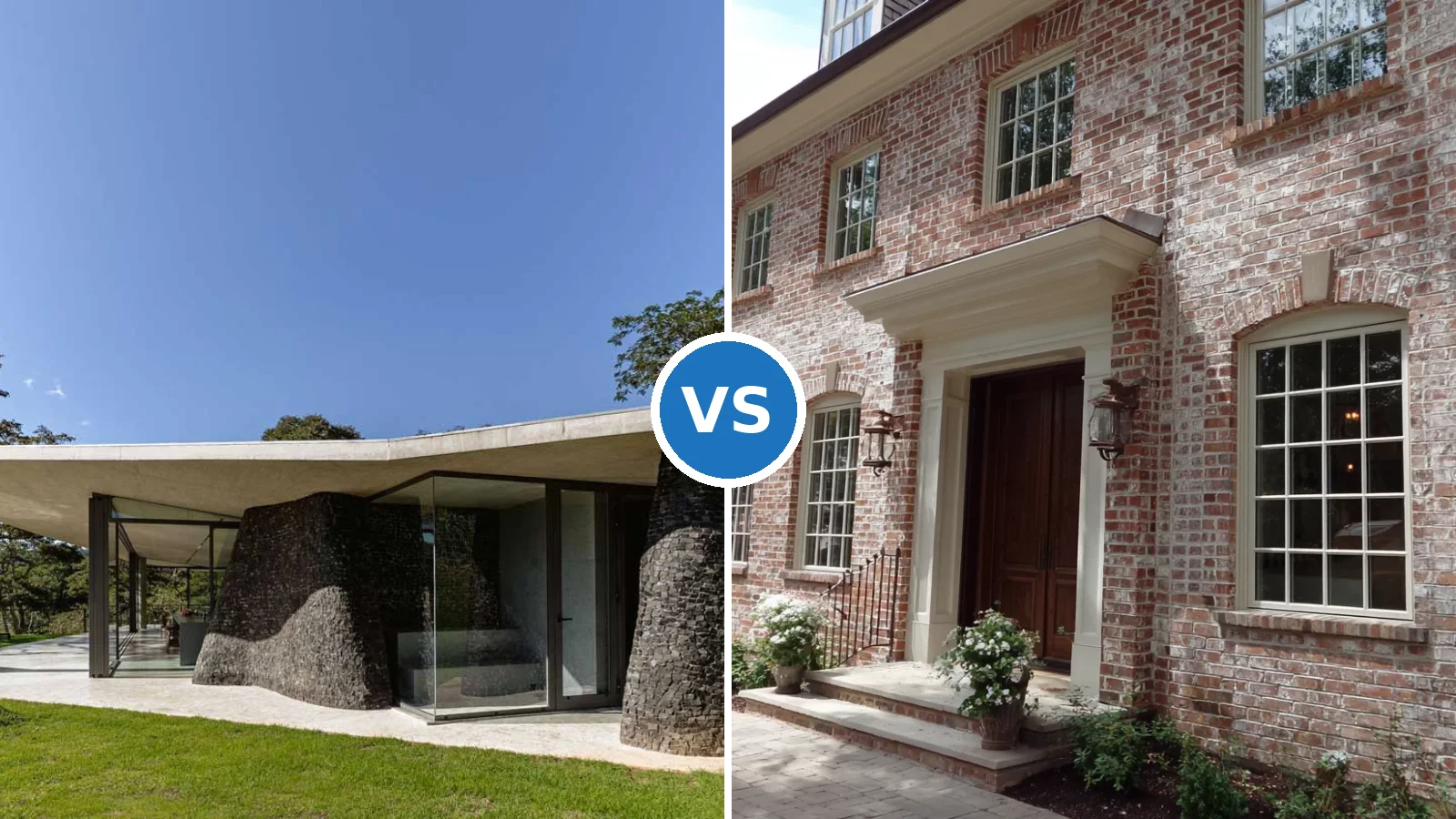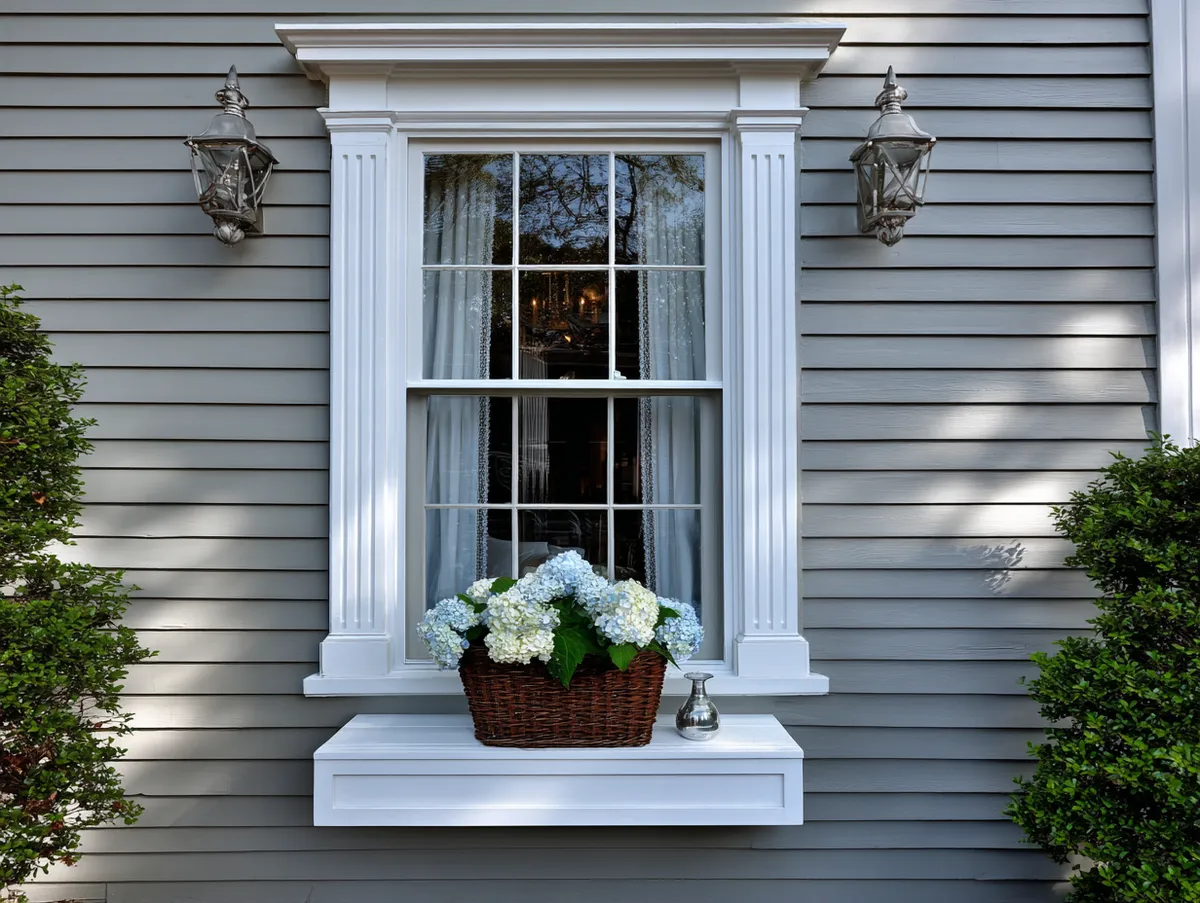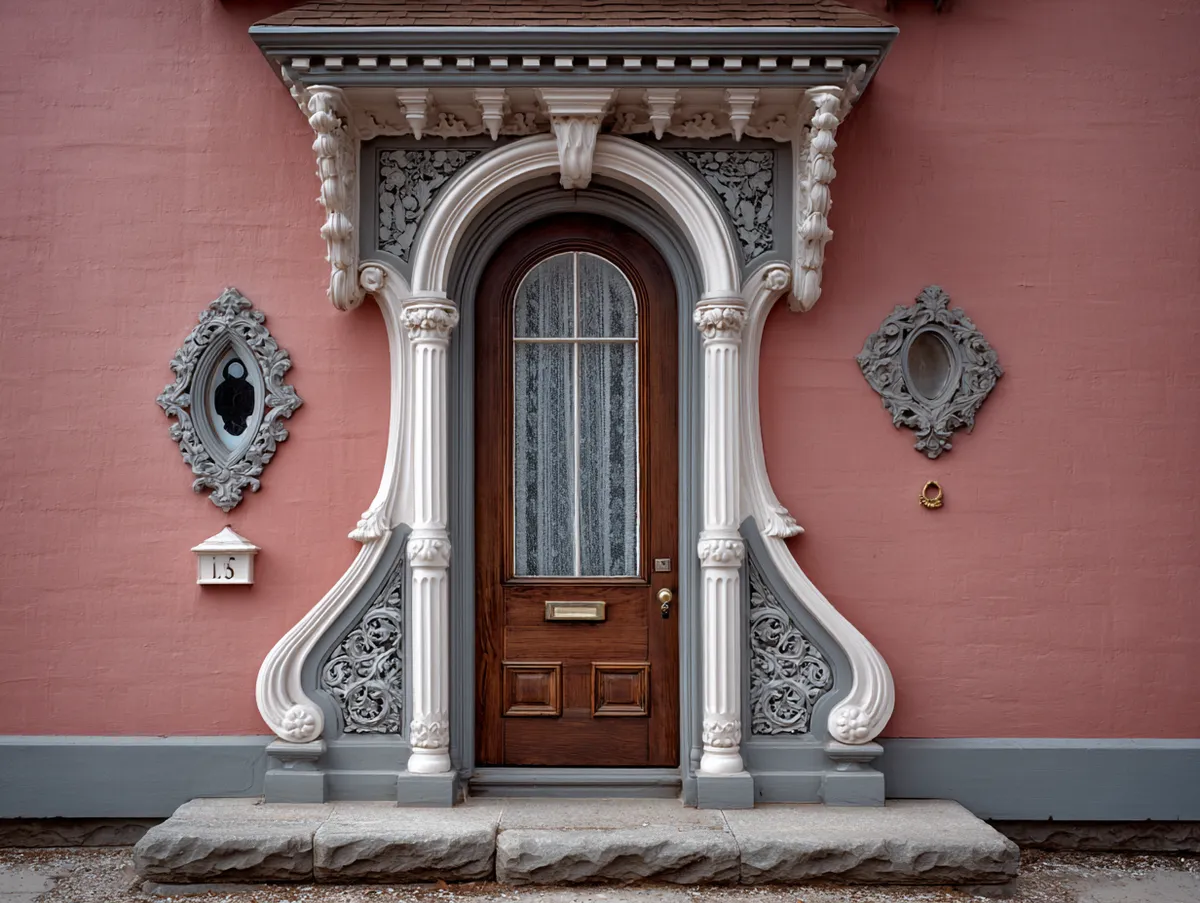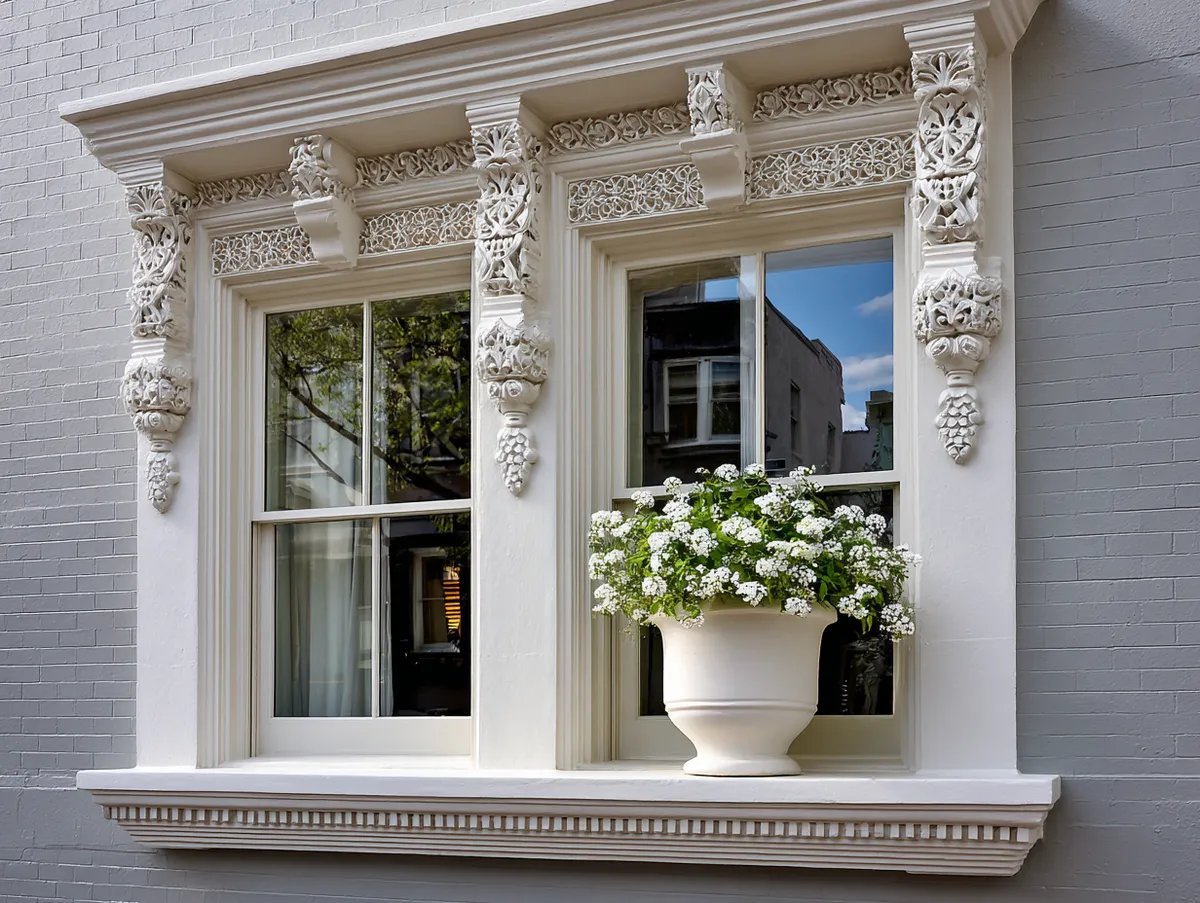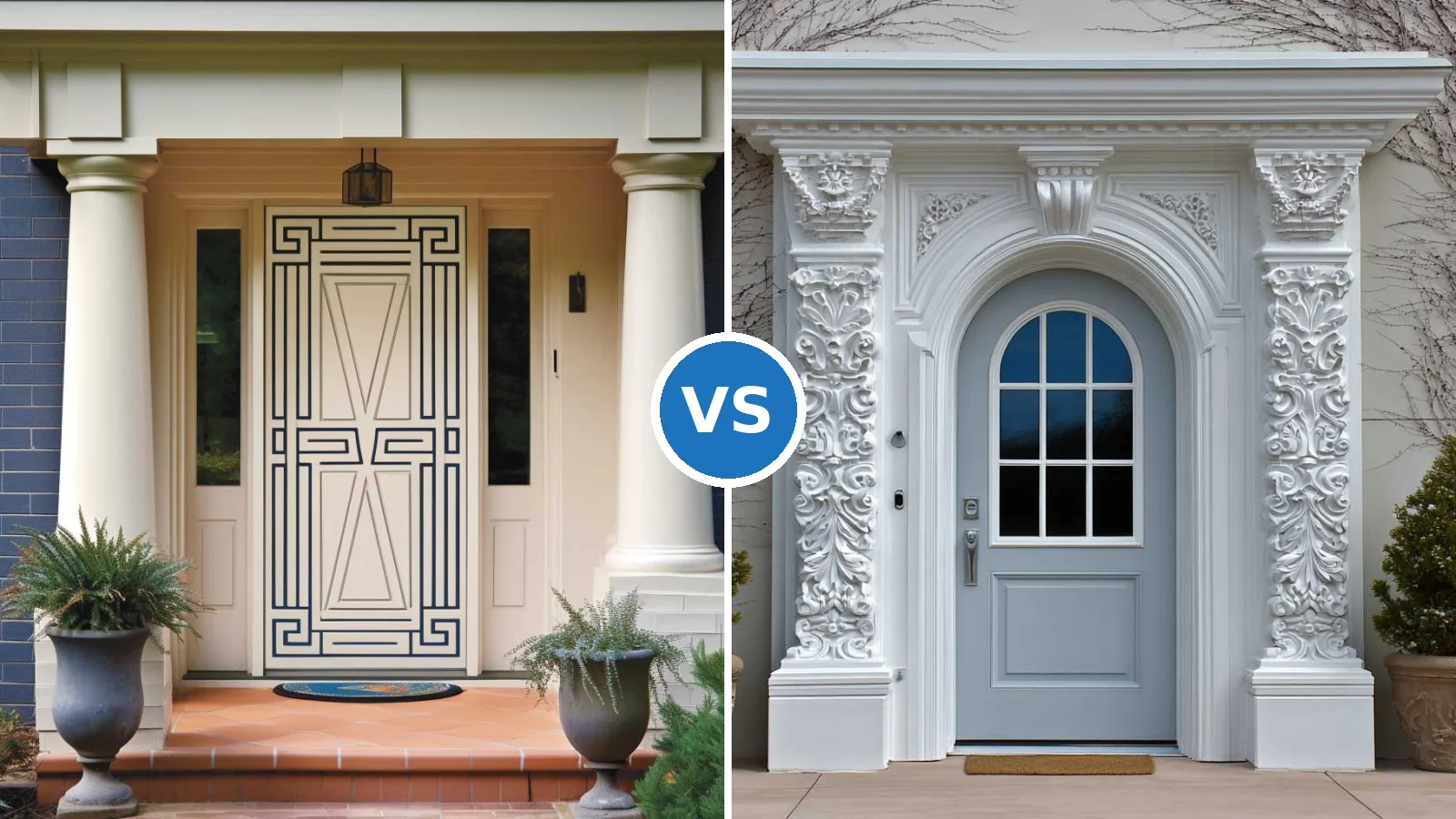
The real decision in any trim vs molding comparison is how much you want your front door to stand out and how much hands-on work you can manage. Door header trim frames the opening with real materials and traditional detail. Header trim suits owners who want a crafted frame in a recognizable style, while molding suits owners who want to test shapes on screen first.

What each option actually is
Door header trim is the decorative band that surrounds the entry, often with brackets, corbels or tile. Our door header trim ideas roundup covers cottage, Art Deco, minimalist, Mediterranean and Craftsman versions. Each one pairs a style with a material choice.
Front door molding works differently. The AI-suggested front door molding approach builds a computer-generated 3D model first. You can adjust size, shape and aesthetics before the design is made by CNC machines or manual labor.
Quick Verdict
- Choose door header trim if you want a recognizable traditional style built from real materials by a craftsperson.
- Choose front door molding if you want to preview shapes and depth on screen before anything is cut.
- Choose door header trim if low upkeep and weather resistance matter most to you.
- Choose front door molding if your facade is flat and you want angled profiles to create shadow.

Trim vs molding head to head on what matters
| Criteria | Door header trim | Front door molding |
|---|---|---|
| Style range | Cottage, Art Deco, minimalist, Mediterranean and Craftsman | Geometric, classical and modern shapes generated per design |
| Customizing before build | Shaped through a designer or craftsperson | Adjusted as a 3D model for size, shape and aesthetics |
| Durability and weather | Brass, stainless steel, polished wood and composite options | Depends on the material chosen after fabrication |
| Low maintenance | Metal, glass and composite options are named for low upkeep | Not called out as a strength in the source |
| Depth on a flat facade | Brackets and corbels add some dimension | Deep recesses and sharp angles create light and shadow |
| Cost level | Driven by material and handwork | Pitched as saving time and money, still driven by material |
Style range and durability favor door header trim, since it already covers several recognizable looks. Planning favors front door molding, because the design can be tested digitally first. Cost is a tie, because the material you choose drives the bill for both.

Where door header trim pulls ahead
Door header trim wins on range of style. Cottage brackets, Art Deco sunbursts, Mediterranean tile and Craftsman corbels each give the entry a clear personality. If your house already has a strong architectural voice, a matching trim can reinforce it.
It also wins on durability and care. The source points to brass, stainless steel and polished wood, along with metal, glass and composite options that stay low maintenance. A homeowner with an exposed entry can start from those materials.
Reclaimed or sustainably sourced timber appeals to buyers who care about materials. That choice shapes the look as much as the upkeep.


Where front door molding pulls ahead
Front door molding wins on planning. The 3D model lets you adjust size, shape and aesthetics before anything is built. Design tools can also offer real-time feedback on the final look, so you see the result before committing.
It also wins on depth for a flat facade. Deep recesses and sharp angular profiles throw light and shadow across a plain wall. That adds structure without a full renovation.
The source frames this as taking the guesswork out of trim design. That is most useful for owners who know the shape they want but not the detail.


The mistake that costs people most later
A common mistake is picking a design from a screen and treating the material as an afterthought. Imagine a modern house with a flat facade where an owner chooses an angular molding for its shadow, then builds it in a finish that does not suit the weather. The look works on the model, but the surface struggles outdoors.
The fix is simple. Lock the material and exposure first, then choose the profile that suits that material. A deep molding and a rustic wood trim are not interchangeable choices.

Final verdict on who should choose which
Choose door header trim if your home has a clear traditional style, you want low-upkeep materials, and you prefer a craftsperson shaping the detail. It is the stronger pick for cottage, Craftsman and Mediterranean homes.
Choose front door molding if your facade is flat or modern, you want to test shapes and depth on screen, and you are comfortable planning around a digital model. It suits owners who want a tailored look more than a heritage style.
Neither wins on cost, because material and handwork drive the price for both. Start with your facade and your weather, and let those answers point you to one side.