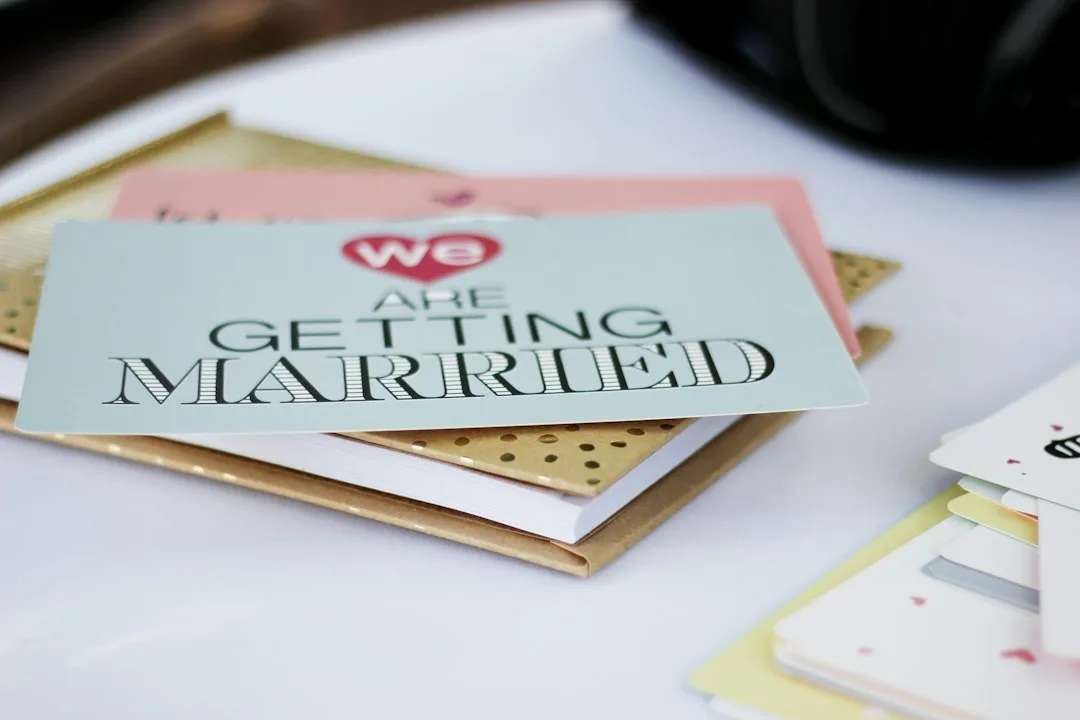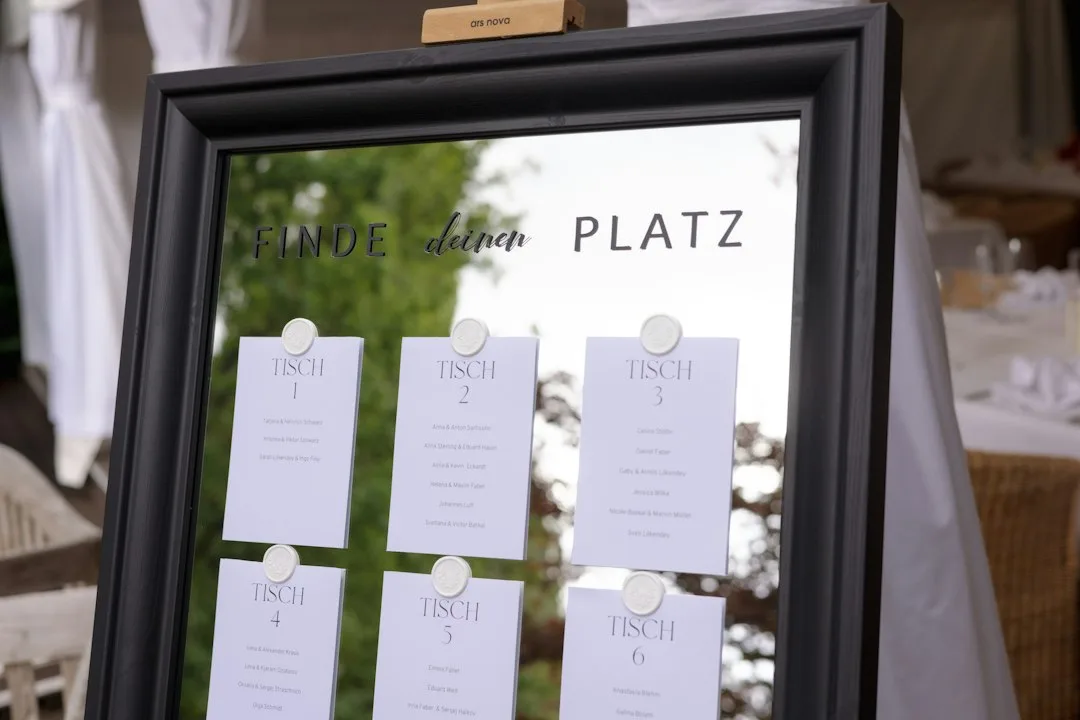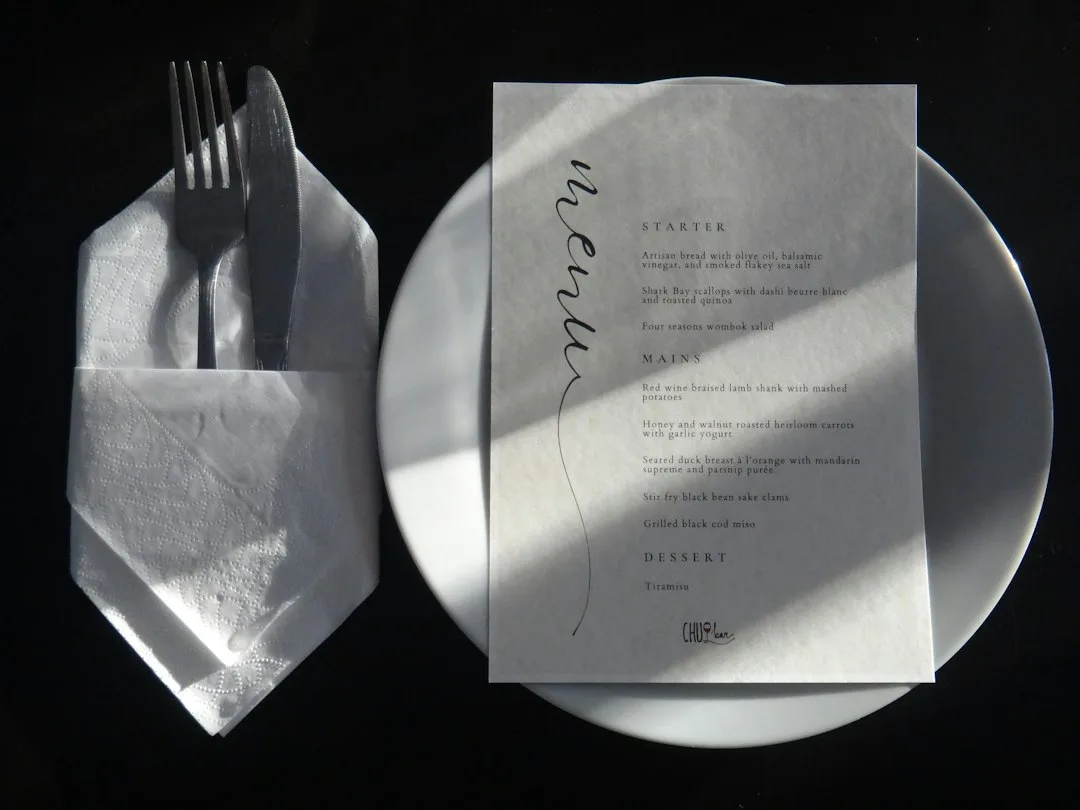
Wedding menus have transformed from logistical necessities into intimate keepsakes that shape how guests remember your celebration. Personalized wedding menu design—where each card reflects guest dietary needs, names, or personal touches—now ranks among the top details couples invest in first. This shift matters because menus sit at the table’s heart, seen repeatedly during the meal, creating multiple moments for connection rather than a single glance.
How Artisan Paper Stock Elevates Menu Storytelling
Crane & Company, a legacy stationer since 1801, has reported a 34% surge in custom menu orders for 2026 celebrations compared to 2024, with most couples requesting textured or handmade paper bases. Couples pair 100-lb cardstock with finishes like linen weave, deckle edge, or laid texture—materials that signal intention and craftsmanship the moment guests touch them. The shift from flat cardstock to tactile surfaces costs roughly 15-25% more per menu but eliminates the need for separate printed favors, offsetting overall budget spend.
Minted, the online design platform, now offers personalized menu templates where guests see their own names printed at table placements. This creates a psychological anchor—seeing your name transforms a generic dining experience into something curated specifically for you. Couples report higher engagement with custom menu designs across Instagram stories and post-event photo sharing.
Quick Tips
- Include guest dietary preferences directly on the menu (vegetarian course, nut-free dessert) so servers know accommodations before arrival
- Add a personal message or couple quote above the meal courses—this becomes a conversation starter at every seat
- Order samples 8-10 weeks before the wedding to test finishes and confirm color reproduction accuracy
- Use QR codes linking to playlists, wedding website details, or honeymoon fund information instead of dense text blocks
- Consider menu cards that fold into place card holders, combining two stationery needs into one design
Personalized Wedding Menu Design Shifts From Generic to Specific
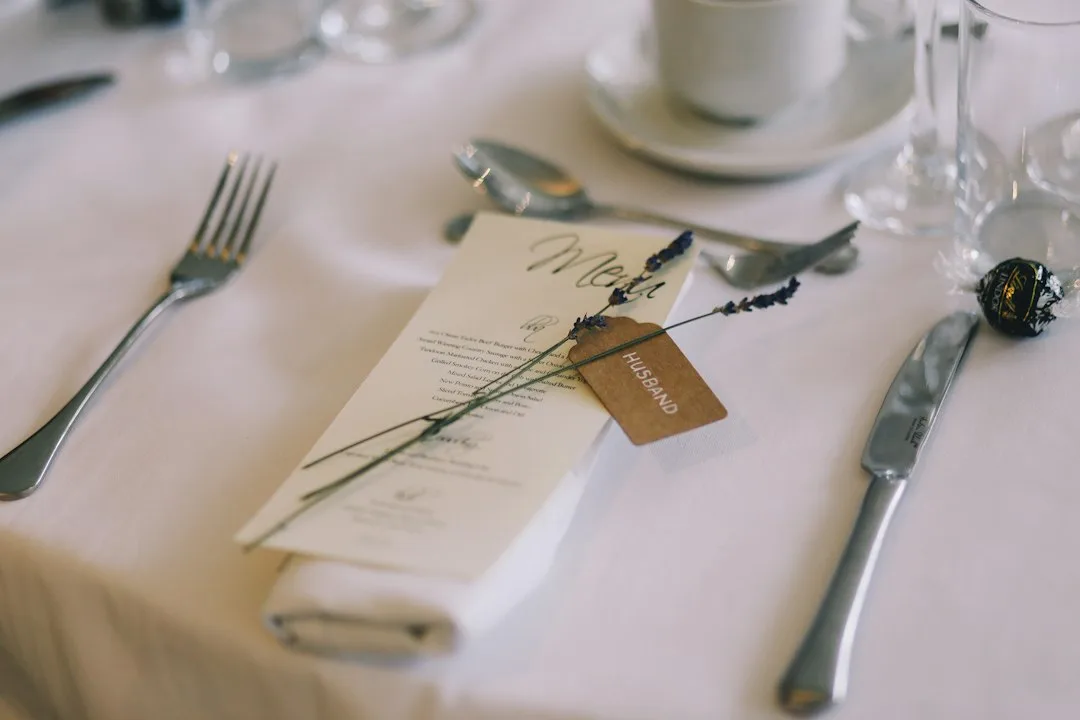
Color Psychology and Font Pairing in Menu Card Design
The visual presentation of your menu cards influences how guests perceive the meal before they taste it. Color choices should align with your wedding theme while ensuring readability in varying lighting conditions. Soft metallics like rose gold and champagne have gained popularity because they photograph well and feel luxury-adjacent without requiring premium paper stocks.
Font pairing matters equally—combining a decorative serif for headings with a clean sans-serif for course descriptions prevents the card from feeling cluttered. Modern couples increasingly pair elegant scripts with geometric typefaces to create visual hierarchy. Test your chosen font combinations at the actual size and paper finish you plan to use, as serif elegance can disappear on glossy finishes while matte papers enhance legibility of lighter ink colors.
Seasonal and Local Ingredient Highlighting on Menus
Featuring locally-sourced or seasonal ingredients on your menu cards tells a story about your wedding values. Rather than simply listing “chicken breast,” specify the farm or region: “heritage chicken from Valley Rise Farm” or “late-summer corn bisque.” This practice gives guests insight into your planning choices and provides natural conversation points during the meal.
The design space allocated to ingredient sourcing has expanded on modern menus. Some couples dedicate a small section of the card to highlight 2-3 key local purveyors, creating mini brand moments for favored vendors. This approach aligns well with 3+ Boho Wedding Decor Trends You’ll Love aesthetic, which prioritizes natural, locally-rooted design elements and sustainability messaging.
Menu Card Formats Beyond the Traditional Flat Design
Unconventional menu formats have moved beyond novelty into standard practice. Rolled menus tied with twine, accordian-fold cards that fit in napkins, and three-dimensional die-cut shapes all elevate the unboxing moment when guests discover their table settings. Each format carries different printing costs and production timelines, so ordering these design variations 10-12 weeks ahead prevents last-minute compromises.
Modern minimalist weddings often embrace Wedding Party Decorations with Elegant Minimalism principles through menu card design—selecting single-fold cards with generous white space rather than multi-page booklets. This restraint in design reflects contemporary sophistication and reduces paper waste while maintaining visual impact on the table.
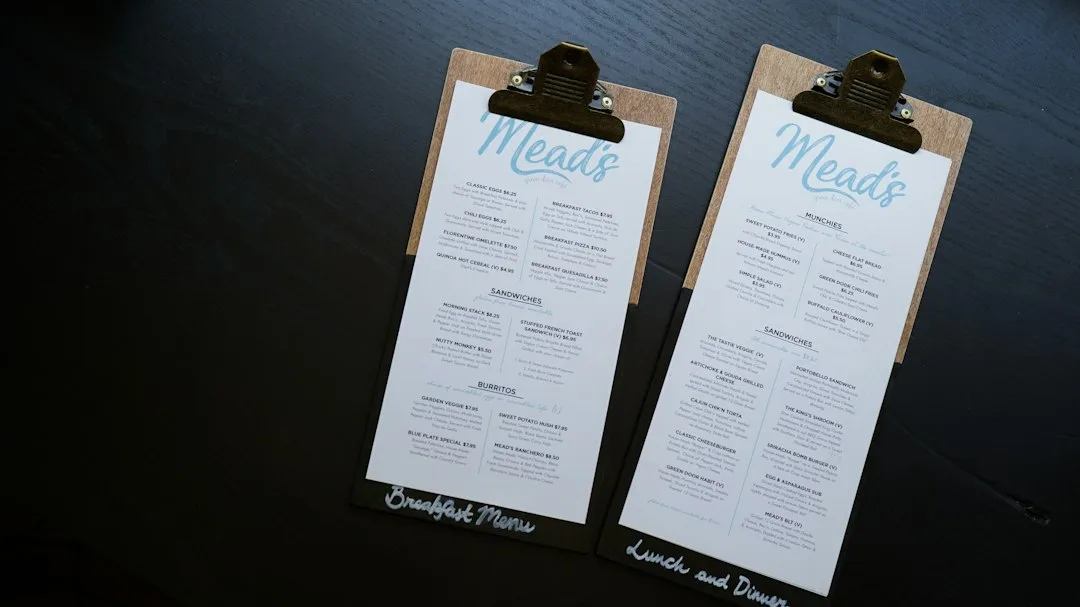
Sustainable paper options that define luxury
Eco-conscious couples increasingly select papers like Mohawk Fine Papers’ Via line or Neenah CLASSIC Crest, which combine premium texture with environmental certifications. These FSC-certified options feel substantial and elegant while reducing the couple’s ecological footprint, allowing guests to appreciate the tactile quality of natural fiber content and subtle watermarks.
Seed paper inserts embedded within menu cards represent another innovative sustainable choice—guests can plant the cardstock after the wedding and grow native wildflowers or herbs. This extends the wedding’s memory beyond the reception, creating a lasting connection between the celebration and environmental stewardship that resonates with guests who share these values.
Handmade papers from suppliers like Legion Paper or local artisanal papermakers add personality through visible fiber inclusions and deckle edges that cannot be replicated by mass production. The slight irregularities in these papers signal genuine craftsmanship and distinguish a wedding’s paper goods from standard commercial printing.
Calligraphy and hand lettering techniques for personalization
Professional calligraphers like those trained in pointed pen or brush lettering styles create menu cards that function as individual artwork for each guest when names are incorporated into the design. Couples working with calligraphers typically budget 6-8 weeks for completion, particularly when names must be hand-lettered for 75 or more guests, making early planning essential.
Modern hybrid approaches combine digital calligraphy fonts printed by specialty vendors with small hand-lettered elements, such as guest names or a quote in actual ink applied by the calligrapher. This balanced method reduces production costs while maintaining the authentic handmade aesthetic that elevates menu cards beyond basic stationery.
Metallic inks—including gold, copper, rose gold, and silver—applied by hand or through specialty printing techniques catch light during the reception and create visual depth on the menu cards. These inks pair beautifully with dark cardstock colors like charcoal, navy, or black, providing sophisticated contrast that photographs well in both natural light and professional reception photography.