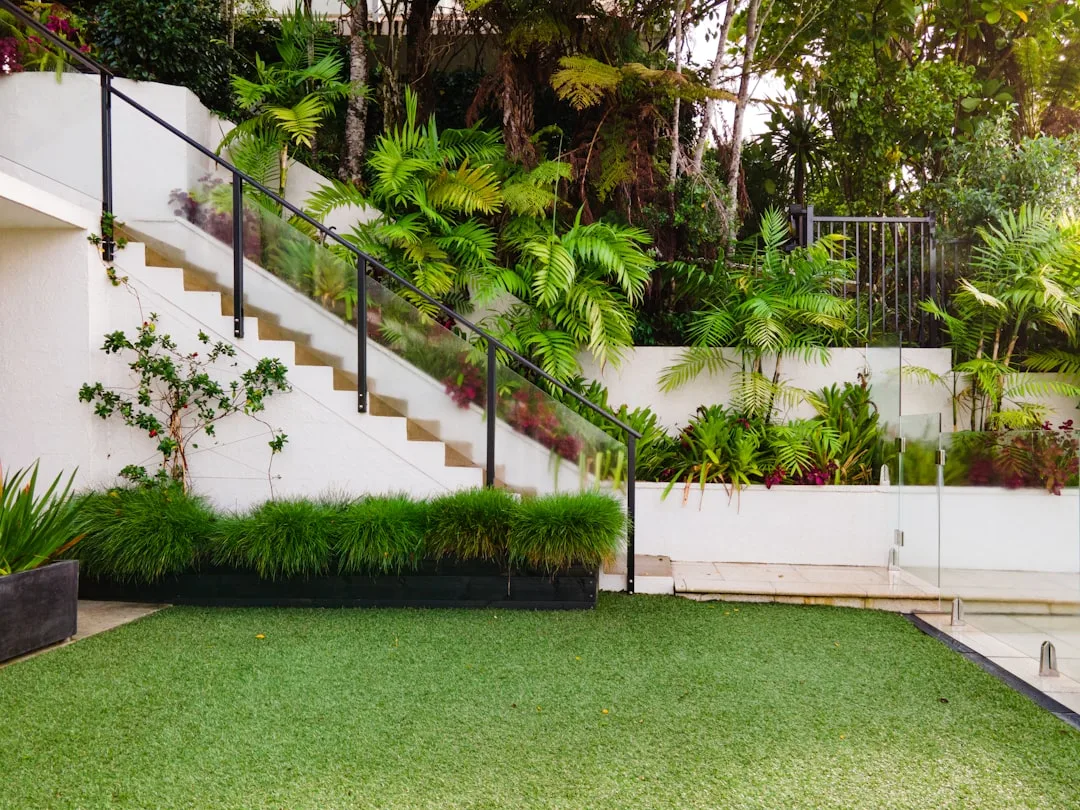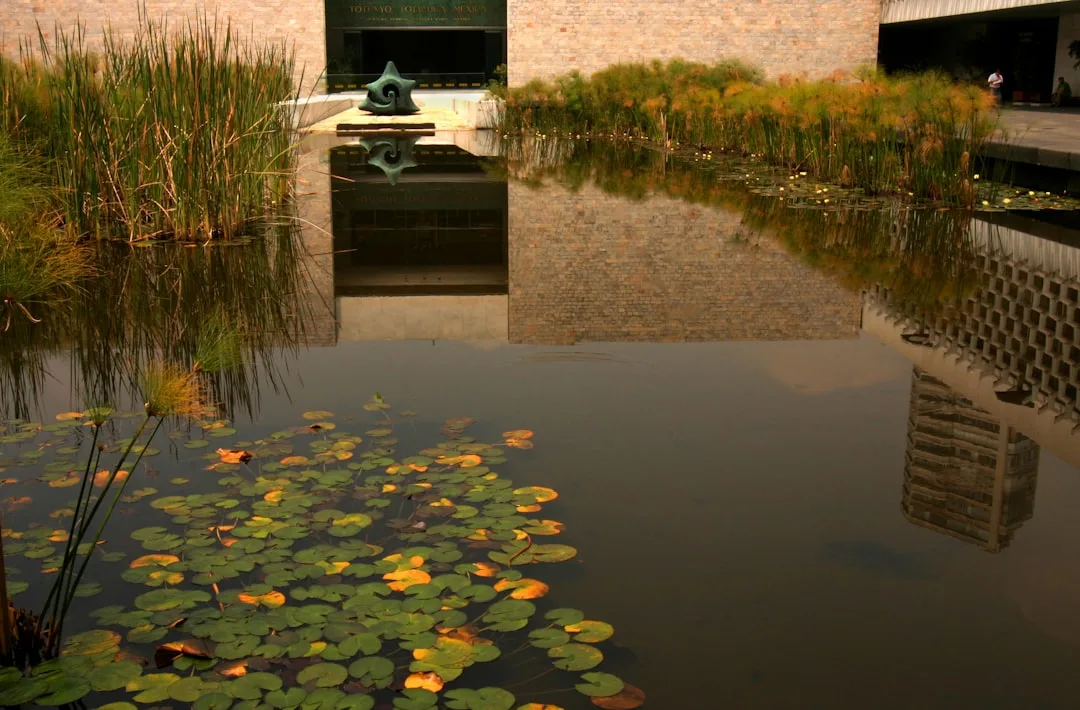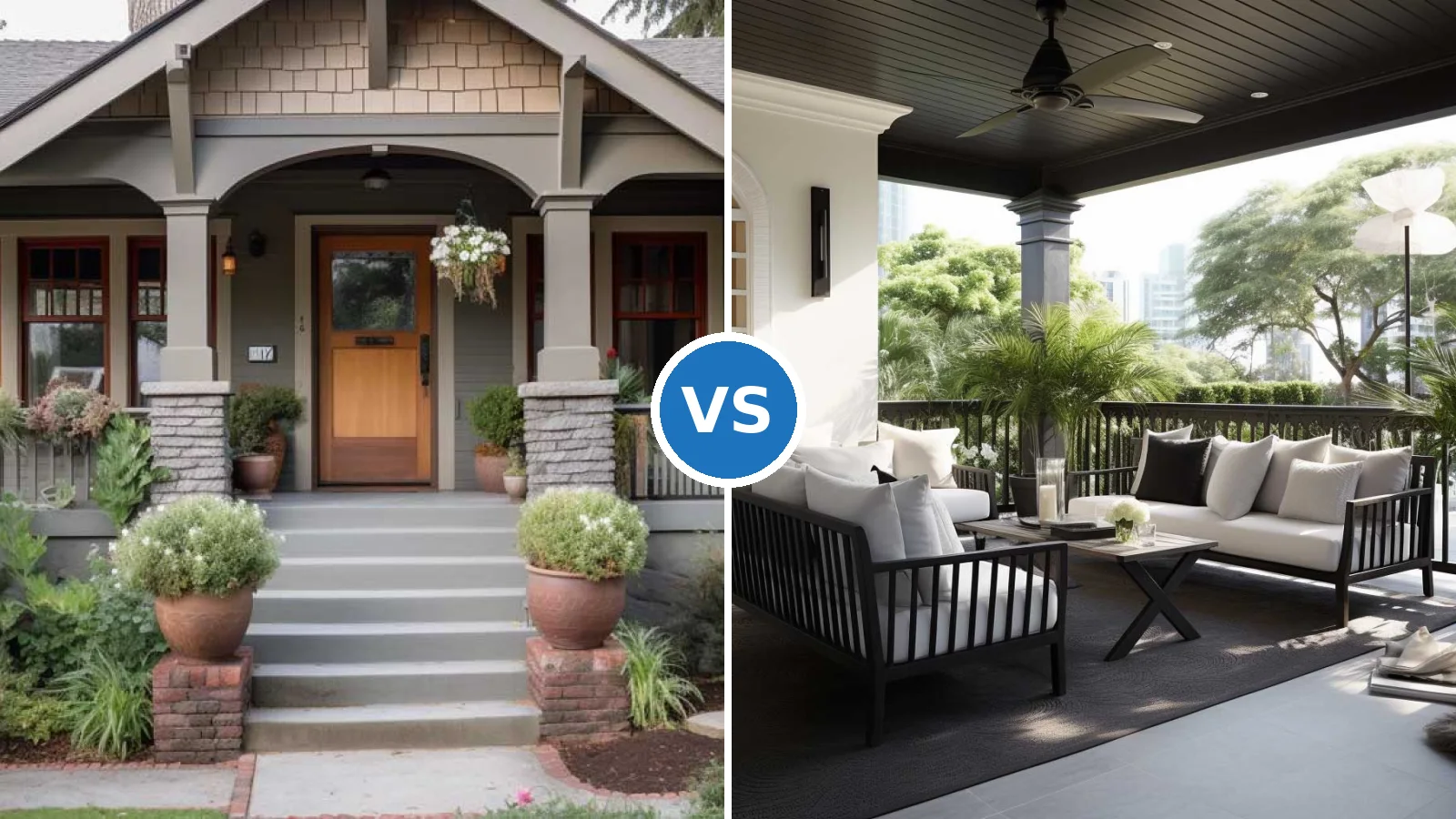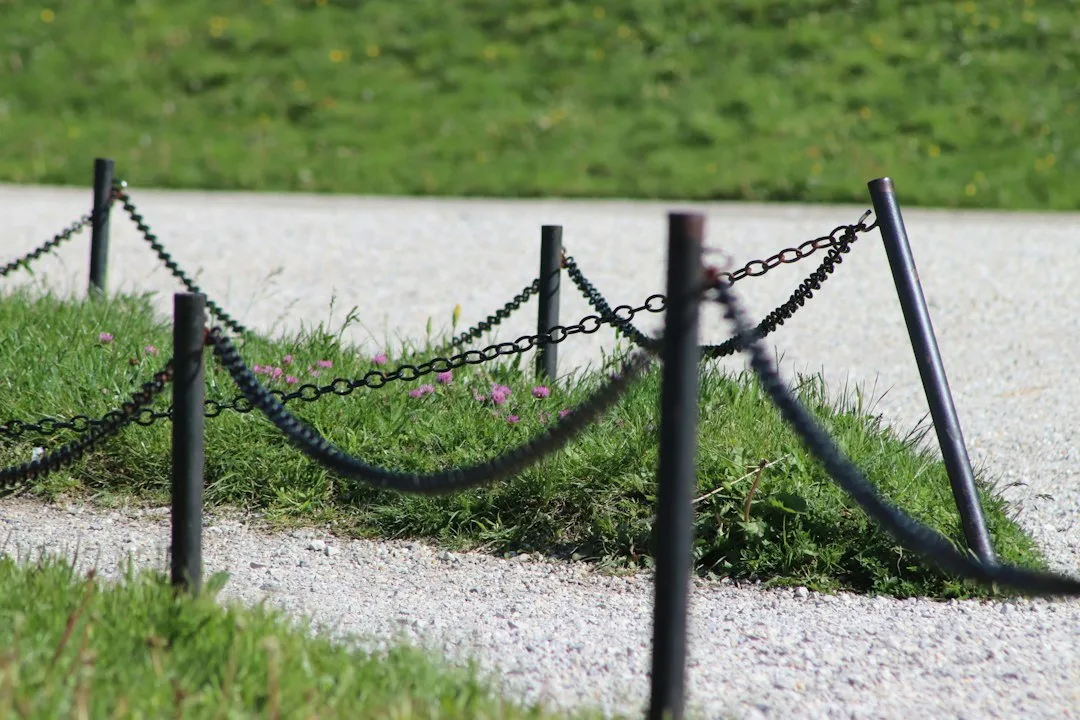
Your patio’s hidden identity lives at its edges. Outdoor yard edging has stopped being an afterthought—soil creep, root invasion, and blurred sightlines are now solved by homeowners who understand that a crisply defined perimeter isn’t decoration; it’s the spine of every landscape that lasts. The trend accelerated through 2025 and into September 2026 because weathered softscaping looks dated, while a sharp boundary line reads intentional and complete.
Corten Steel Edging Rewrites the Rust Narrative
Corten steel has abandoned its industrial-warehouse identity and walked straight into residential patios. Brands like Advan, specializing in weathering-steel landscape borders, offer 1/16-inch-thick panels that rust intentionally—the oxidation halts after 2–3 seasons, locking in a deep rust-orange that photographs like a design statement. Installation costs run higher upfront than plastic, but they last 20+ years without cracking, fading, or warping.
The reason this metal leads is pure physics: it expands and contracts predictably, so soil stays put during freeze-thaw cycles. No bulging, no collapse. Concrete patio courtyards paired with Corten borders create contrast that anchors contemporary outdoor living spaces.
Quick Tips
- Install Corten steel 4–6 inches deep to contain soil and mulch without visible creep
- Pair rolled steel with native plant borders to soften industrial edges
- Use composite edging along patio perimeters directly touching foot traffic—lower maintenance
- Avoid plastic edging in freeze-thaw climates; it cracks within 3–5 years
Composite Edging Durability Versus Wood Alternatives
Composite landscape edging—recycled plastic and wood fiber—emerged as the anti-maintenance answer. Brands like Trex Enhance offer curved sections in brown and black, rated for 30-year lifespan. Unlike pressure-treated wood, composites don’t rot, splinter, or invite termites.
Here’s the real-world math: wood edging ($0.50 per linear foot) requires replacement every 5–7 years due to rot at the soil line, staining, and insects. Composite ($1.80–2.50 per linear foot) stays color-stable and never needs sanding or sealing. That’s a $400–600 replacement bill eliminated every five years on a 200-foot perimeter.
| Material | Lifespan | Maintenance |
|---|---|---|
| Corten Steel | 20–30 years | None after oxidation |
| Composite Polymer | 25–30 years | Annual rinse only |
| Recycled Plastic | 15–20 years | Fading under UV |
| Pressure-Treated Wood | 5–10 years | Stain, seal, replace |
| Aluminum | 20+ years | Occasional wash |
The Biggest Mistake: Undersizing Edging Depth
Professional Installation Versus DIY Methods
The difference between professional landscape contractors and DIY installation often comes down to substrate preparation and compaction. Professional crews spend 40 percent of their time preparing the base layer—removing soil, adding landscape fabric, and compacting gravel to prevent settling. DIY installations frequently skip these steps, leading to sunken or tilted edging within months.
Professional teams also understand drainage dynamics that most homeowners overlook. They angle the ground slightly away from garden beds and ensure water doesn’t pool against the edging material. This prevents rot in wood edging and frost heave in winter climates. If you’re tackling edging yourself, invest in a hand tamper and take time to test your slope with water.
Edging Selection for Specific Landscape Styles
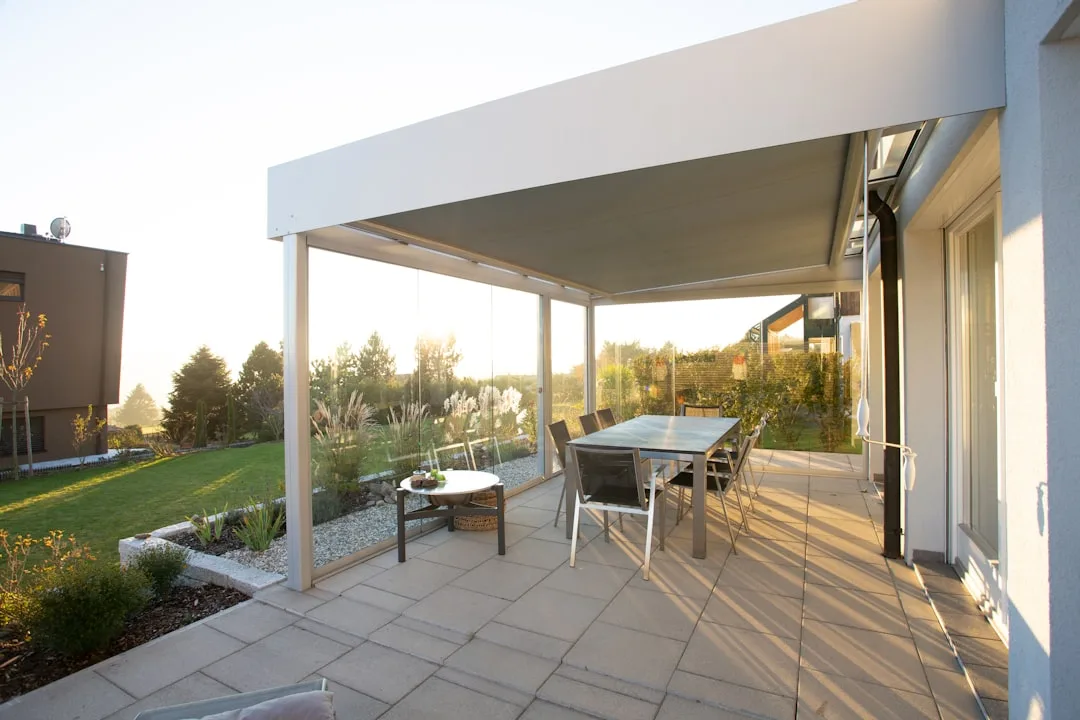
Modern minimalist landscapes benefit from clean aluminum or steel edging that creates sharp lines between planting areas and hardscaping. These materials complement contemporary home designs, like those featured in a Concrete House Idea With Patio Style Courtyard, where geometric precision defines the aesthetic.
Traditional cottage gardens and naturalistic landscapes call for softer materials like stacked stone, log borders, or curved composite edging. Rustic brick edging works beautifully in established neighborhoods and pairs well with perennial beds. For Mediterranean or Spanish-style properties, terracotta edging or hand-laid stone creates authentic character. Consider how your edging choice will age—some materials develop patina that enhances older landscapes, while others fade or deteriorate visibly over time.
Long Term Maintenance Planning and Replacement Timelines
Edging doesn’t last forever, and factoring replacement into your landscape budget prevents panic when degradation becomes visible. Composite materials typically outlast wood by 10–15 years but cost 30–50 percent more upfront. Steel edging can rust despite powder coating, especially in coastal regions or areas with high moisture. Plastic alternatives avoid rust and rot but may crack in freeze-thaw cycles or become brittle under intense sun exposure.
Create a landscape maintenance calendar that includes annual edging inspections, cleaning, and preventive treatments. Document what materials you installed where, along with installation dates. This record helps you budget for replacement cycles and understand which edging types performed best in your specific climate and soil conditions. Properties with diverse plantings—like a Beautiful Single Story House with Patio Yard—may benefit from mixed edging materials suited to different garden zones, each with its own replacement timeline.
Installation timing and seasonal considerations
The best time to install landscape edging depends on your climate zone and soil conditions. In most temperate regions, spring and fall offer ideal conditions—soil moisture is adequate but not saturated, temperatures moderate plant stress during installation, and you have time before extreme seasonal weather arrives. Summer installation risks heat stress on plants near the edging line, while winter installation in freeze-thaw zones can cause frost heave that displaces newly set materials before they fully settle.
If you’re installing metal edging like steel or aluminum, spring is optimal because the ground is workable but not frozen. Concrete or stone edging benefits from installation in fall when cooler temperatures help the ground settle evenly around the base. For plastic or rubber products, avoid installation during temperature extremes—materials are more flexible in moderate weather, making them easier to position and secure properly along curves and slopes.
Document your installation date in a landscape maintenance calendar so you know exactly how long each edging type has performed in your climate. This historical record becomes invaluable when planning renovations or deciding whether to replicate successful choices in new garden areas.
Integrating edging with irrigation and drainage systems
Landscape edging serves a practical function beyond aesthetics—it creates a barrier that helps direct water flow and protects irrigation lines from damage during maintenance. When edging sits directly against soil that receives regular watering, proper drainage becomes critical to prevent edging material degradation and soil erosion. Metal edging can develop rust spots where water constantly pools at the base, while plastic edging may promote fungal growth if moisture is trapped between the material and surrounding soil.
Drip irrigation lines and soaker hoses should be installed slightly behind the edging line rather than directly underneath it, preventing the edging from pinching or damaging the lines during seasonal ground movement. If you’re using permeable edging materials like woven landscape fabric backed by wood, water drains through naturally. Solid materials like composite boards or vinyl require drainage considerations—slightly sloping the ground away from the edging base encourages water to run toward planted areas rather than pooling against the barrier.
In areas with persistent drainage problems, consider raised bed edging paired with landscape fabric underneath to separate the garden soil from underlying clay or compacted earth. This approach, common in kitchen gardens and ornamental beds, improves both drainage and root development while making the edging more visible as a design feature. The combination of proper edging materials and thoughtful irrigation placement reduces maintenance headaches and extends the life of your landscape boundaries.
Edging repair and selective replacement strategies
Rather than replacing an entire edging system when damage occurs, assess whether localized repair makes financial and practical sense. If a metal edging strip develops rust in a small section, that segment can often be removed and replaced without affecting the entire installation. Wood edging typically fails first at corners and curves where stress concentrates—sometimes replacing just those junction points with metal corner brackets or reinforced sections extends the overall lifespan by years.
For plastic or rubber edging, cracks from freeze-thaw cycles often originate at attachment points where inflexibility is greatest. Replacing cracked sections and upgrading attachment hardware to allow more movement can prevent the same failure pattern from recurring. Some landscape professionals prefer replacing plastic edging in 6- to 8-foot sections rather than continuous runs, allowing for expansion and contraction while making future repairs more manageable.
Keep extra materials on hand if your original edging type is still available from the manufacturer—matching color and profile becomes significantly easier if you can compare against stored samples. If your chosen edging material has been discontinued, document its specifications (height, thickness, color, material composition) so you can source compatible alternatives from different manufacturers if selective replacement becomes necessary years later.