Why Late Night Wedding Snacks Became the Reception Finale
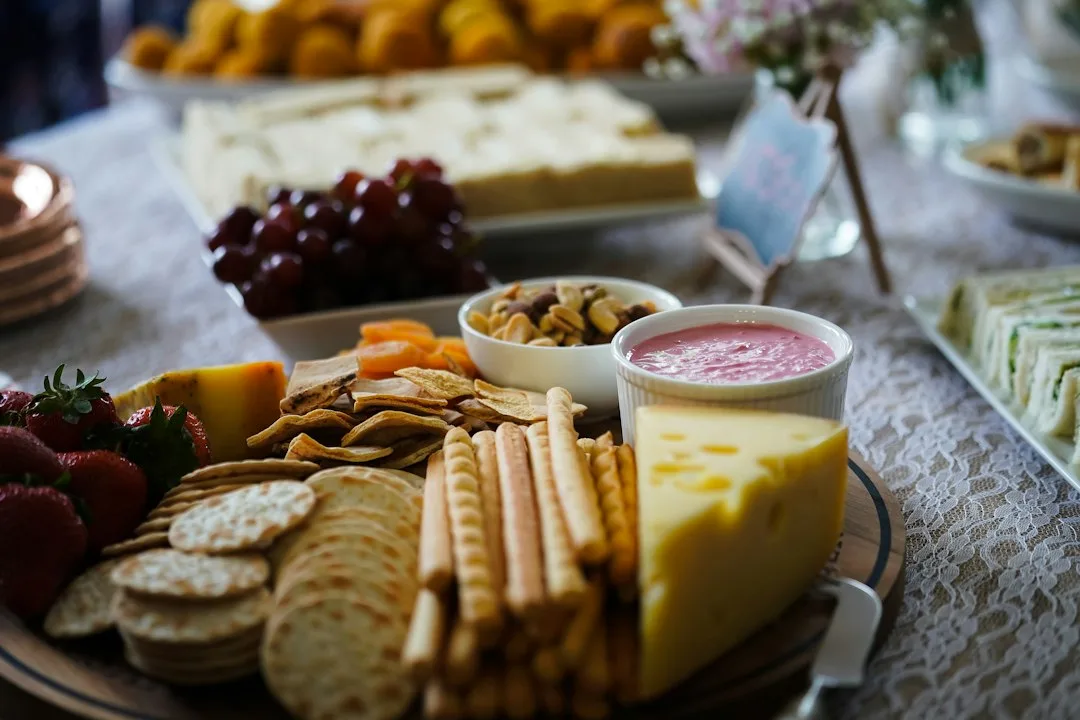
Couples are adding a second round of food around 10:30 p.m., and guests are talking about it for weeks. Here is how to time, choose and present a late snack that works.
333k+ Lifestyle & Design Ideas

Couples are adding a second round of food around 10:30 p.m., and guests are talking about it for weeks. Here is how to time, choose and present a late snack that works.
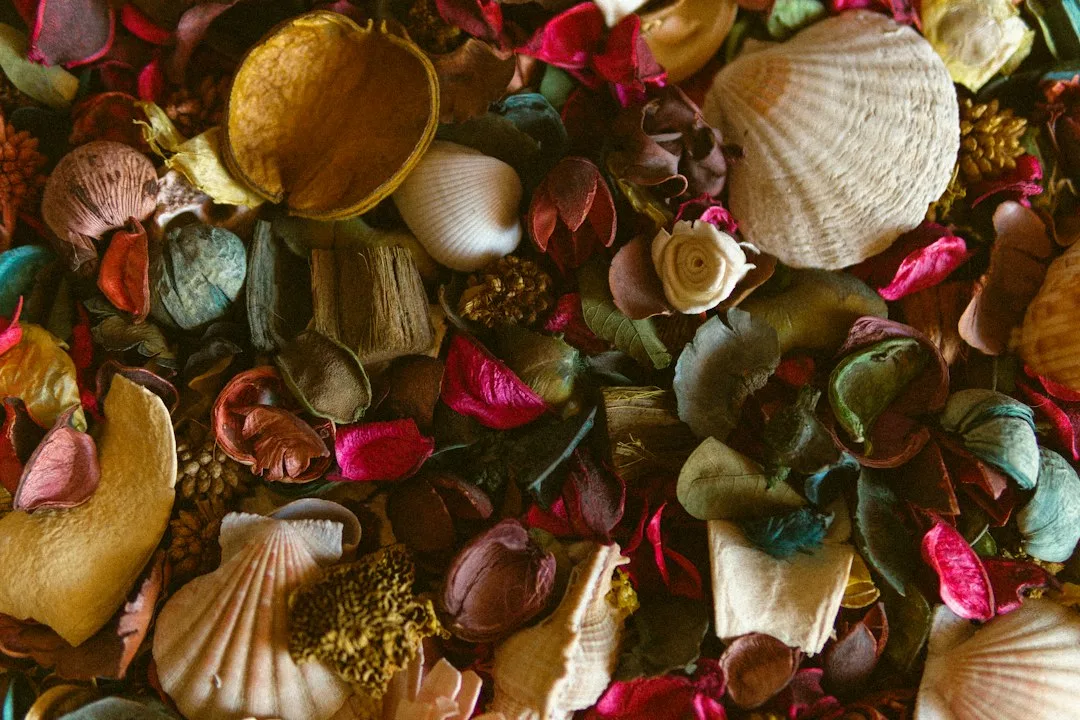
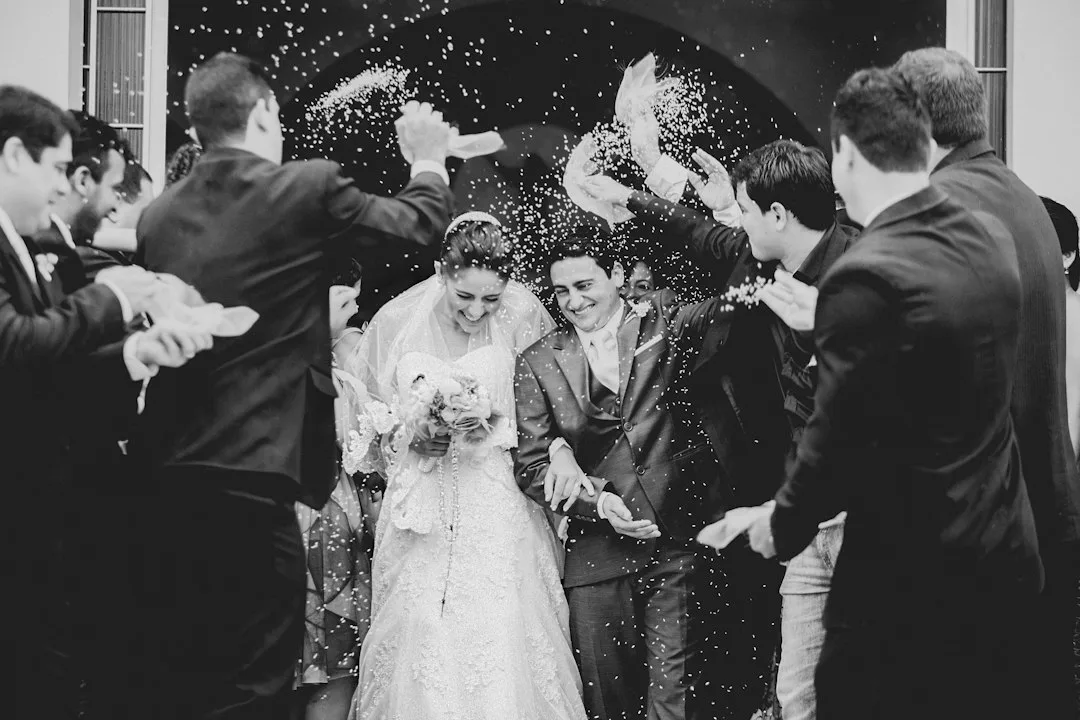
Rice and paper confetti are losing ground at ceremony exits. Couples now choose dried petals, bubbles, and pressed botanicals because they photograph well and leave almost nothing behind.
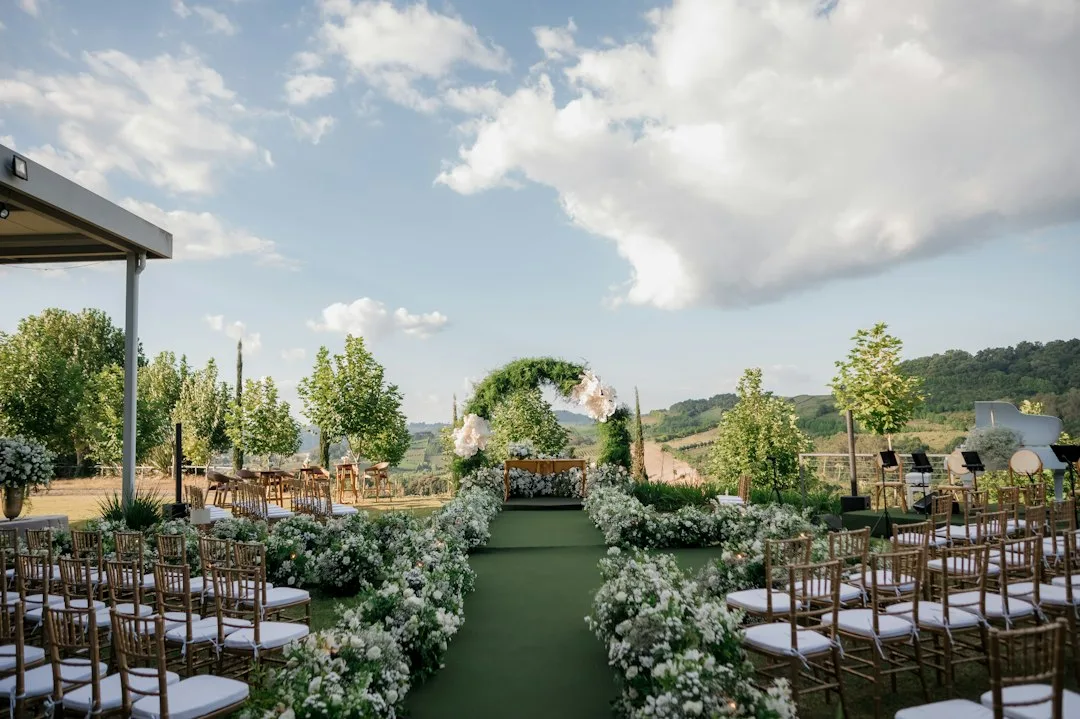
Wedding aisle runners have quietly replaced petal trails at outdoor and indoor ceremonies alike. Here is why couples are switching and how to choose the right width, length and material.
Wedding ceremony processional music is no longer about default classical arrangements—couples are curating personalized audio identities that reflect their relationship dynamics and set ceremonial intention. Strategic music layering, tempo coordination with pacing, and acoustic venue matching now define high-impact entries.
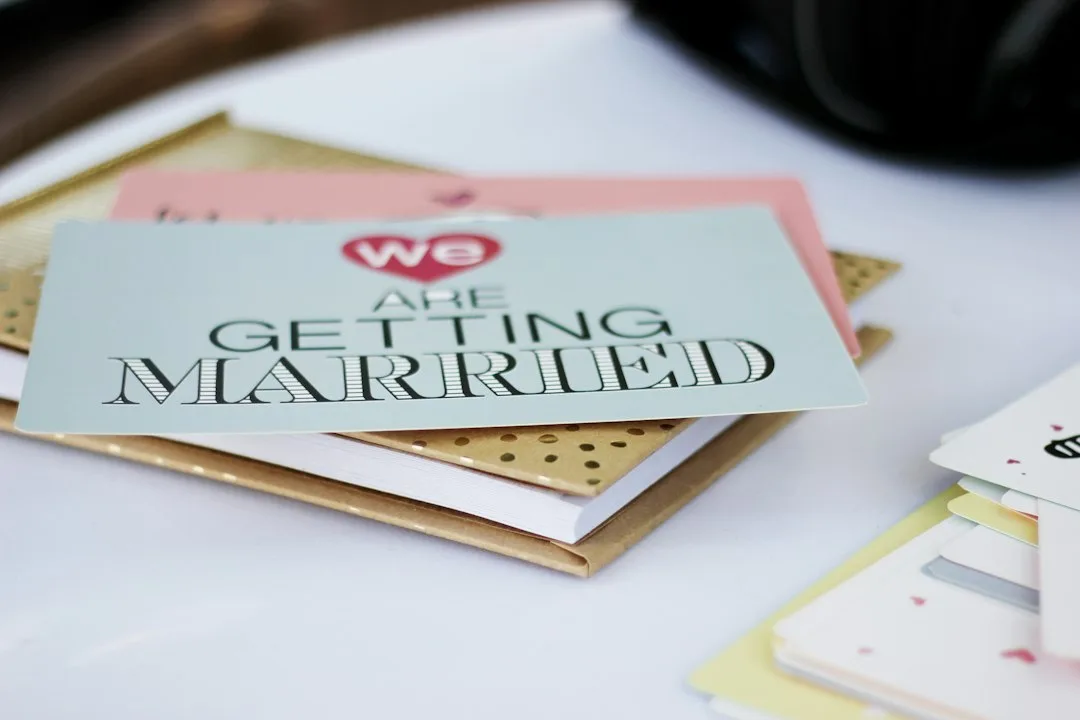
Couples are abandoning fixed gift registries for flexible alternatives that reflect modern life—from curated experiences to meaningful charitable contributions. These options eliminate unwanted duplicates, reduce waste, and strengthen guest connection.
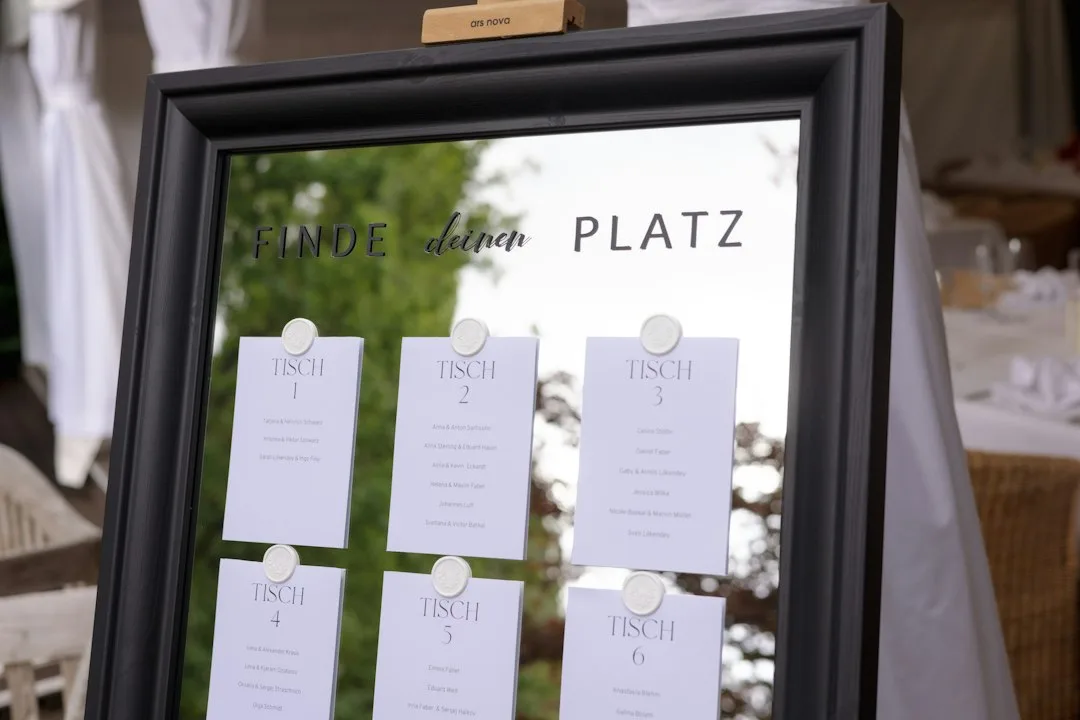
Wedding seating charts have evolved from rigid formal rules into thoughtful comfort-first arrangements. Couples now use interactive layouts, dietary cards, and social mapping to ensure every guest feels genuinely welcomed.
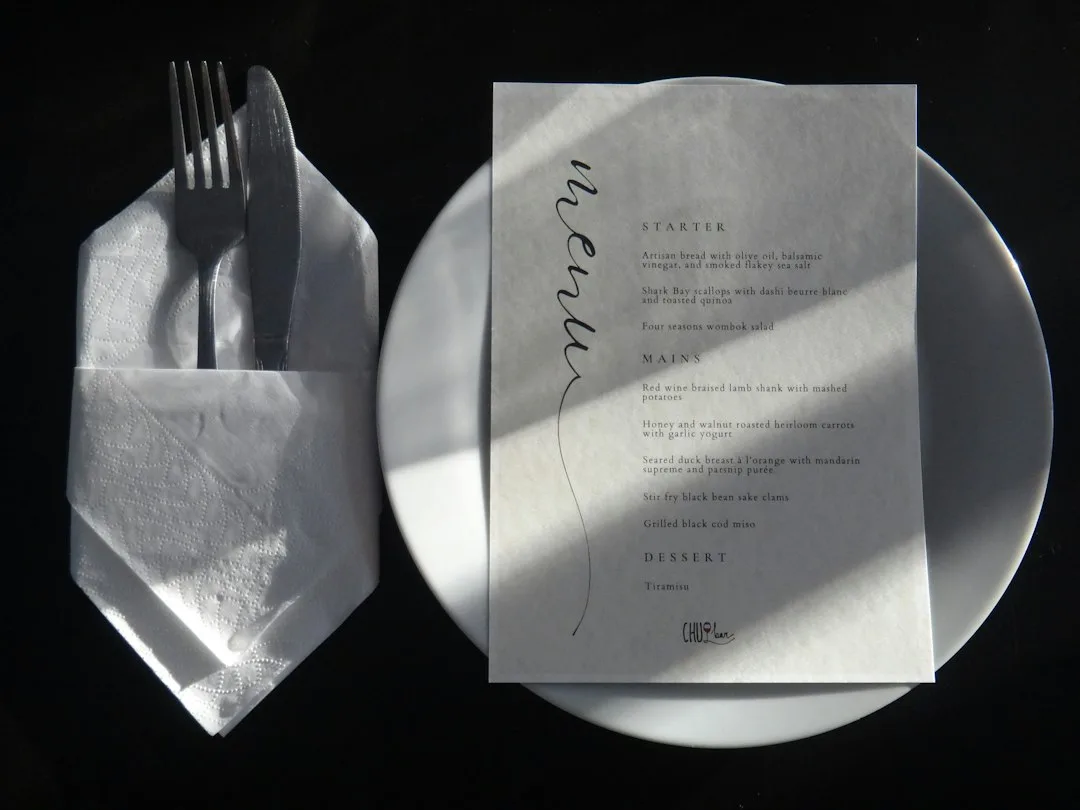
Wedding menus have evolved from basic place cards into personalized storytelling pieces that reflect the couple’s voice and values. In 2026, custom menu design functions as a keepsake—not just a functional card—reshaping how guests experience and remember your celebration.
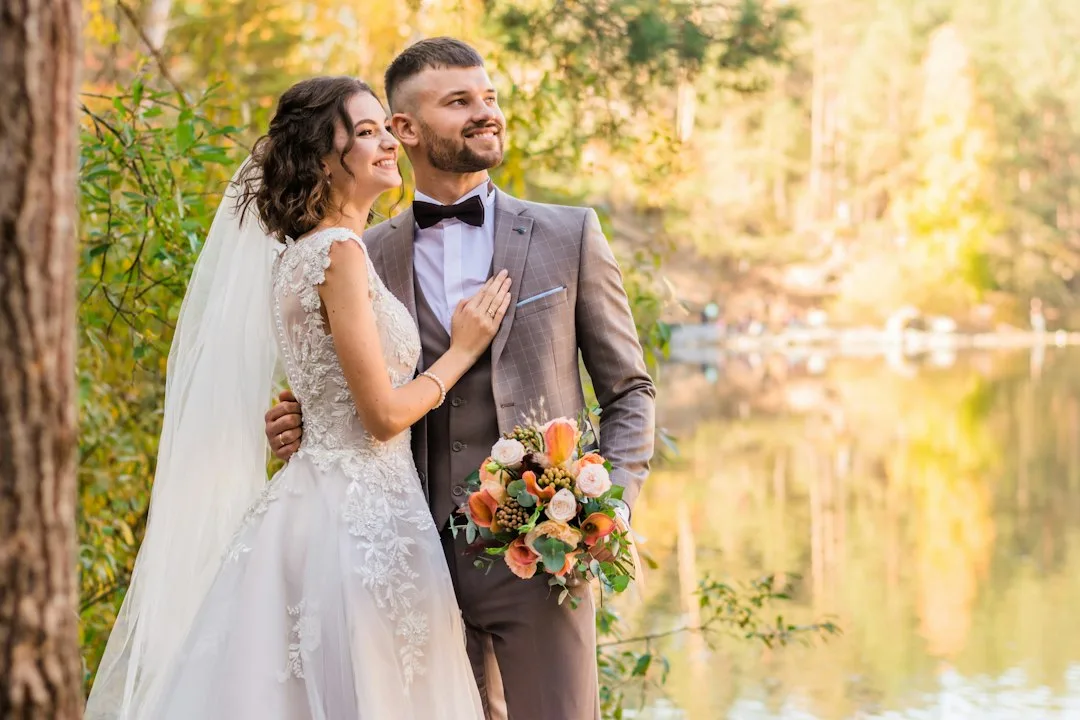
Wedding day timelines have shifted from fluid estimates to minute-by-minute coordination. Couples who embrace precision scheduling avoid vendor chaos, guest frustration, and costly delays.
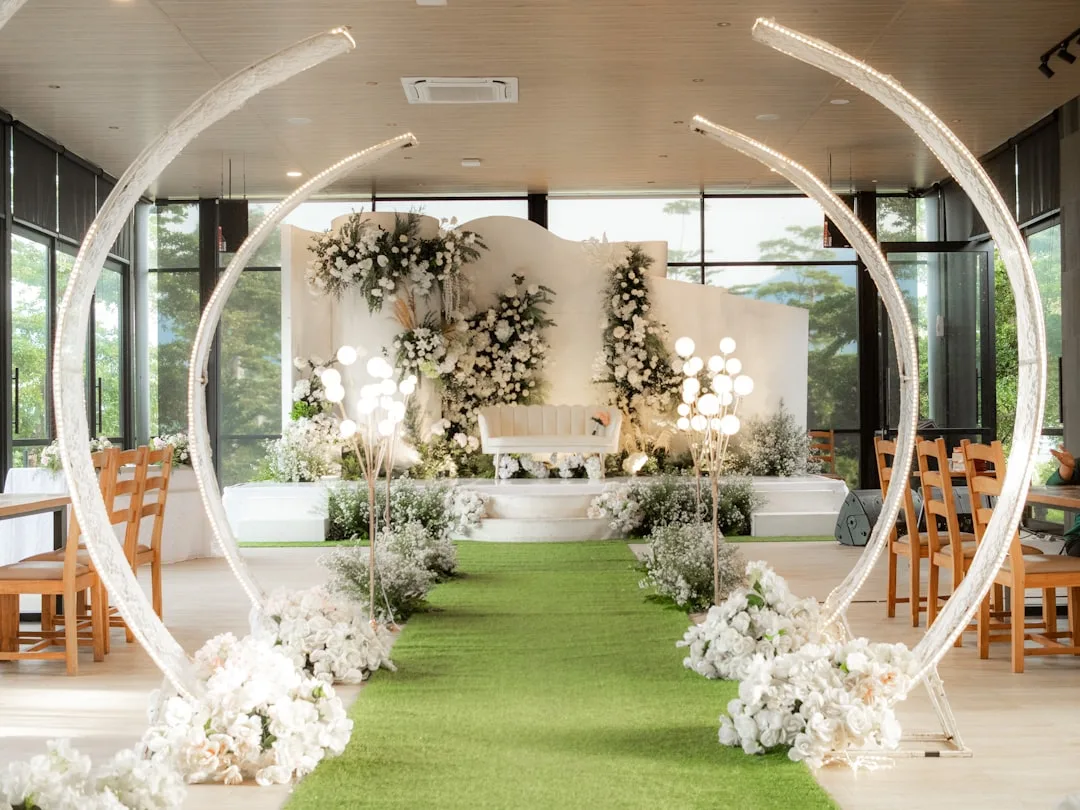
Wedding ceremony backdrops have evolved from simple floral installations into architectural storytelling moments that anchor the entire celebration. Here’s why smart couples are treating backdrop design as a foundational investment, not an afterthought.
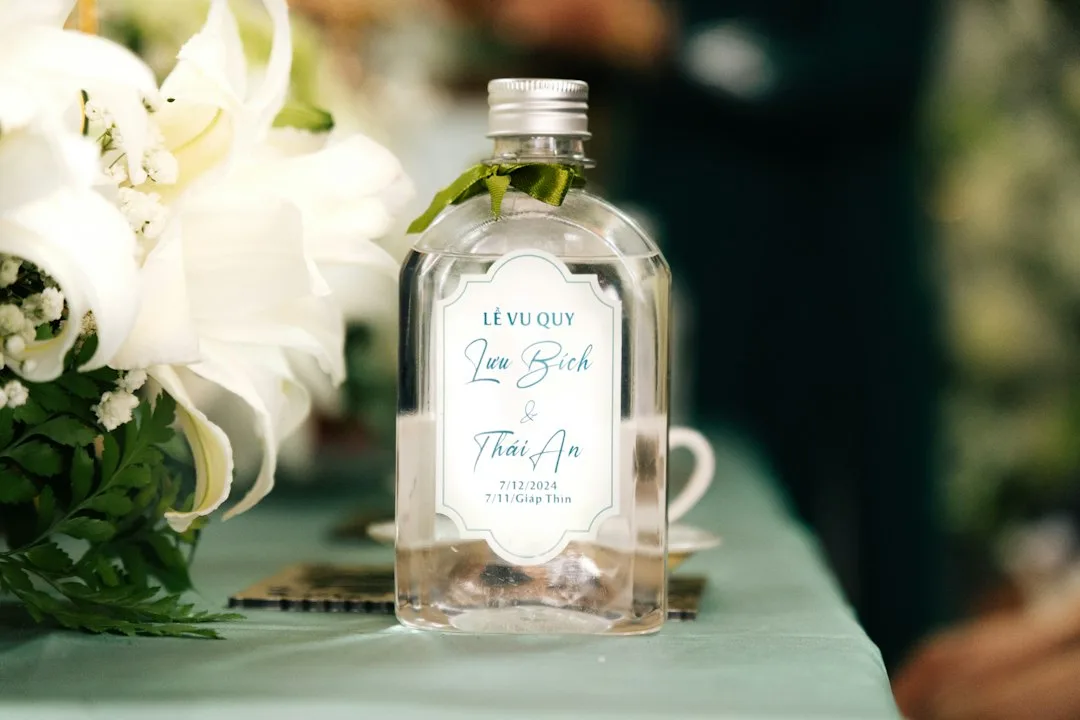
Wedding favors in 2026 are no longer throwaway keepsakes. Couples are prioritizing sustainable materials, hyper-personalization, and meaningful tokens that reflect their values—and guests actually keep.
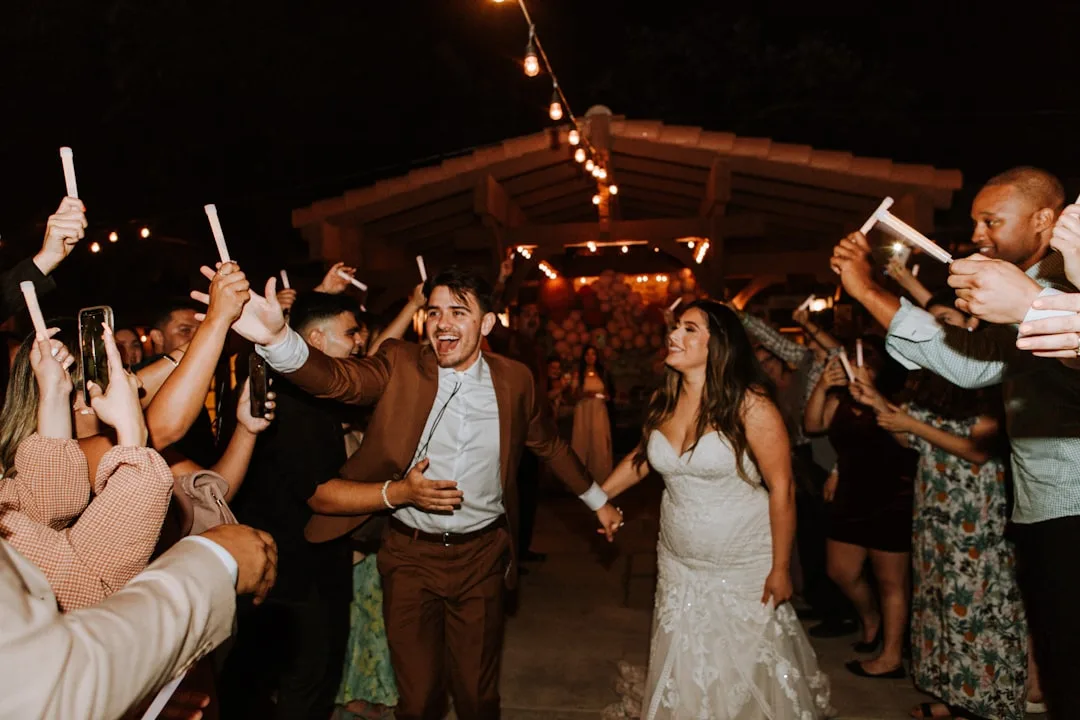
Couples are increasingly inviting guests to submit songs before their wedding, creating collaborative playlists that reflect the room’s actual taste rather than a single DJ’s interpretation. This shift reflects a broader move toward guest agency and personalization in wedding experiences.
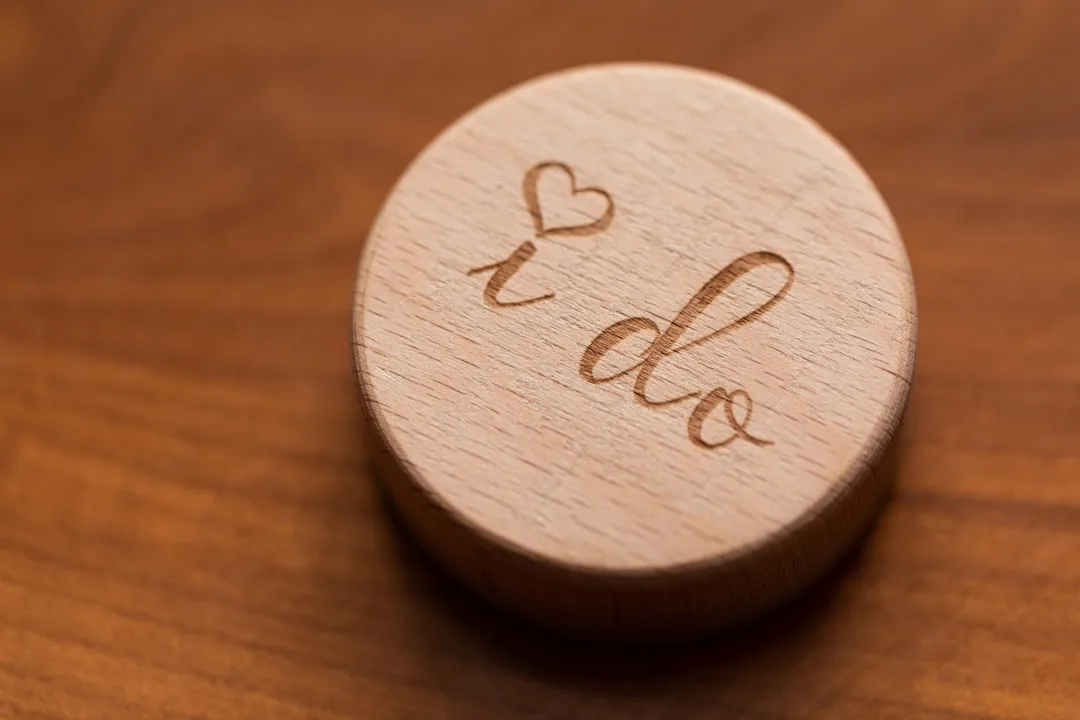
Wedding favors have shifted from obligatory takeaways to meaningful mementos. Personalization—whether through monogramming, engraving, or bespoke packaging—transforms a generic token into a guest’s reason to remember your day.

Couples planning 2026 weddings are abandoning loose timelines for minute-by-minute reception schedules that transform guest flow and vendor coordination. Precision timing eliminates awkward gaps, maximizes photo moments, and ensures every element lands as intended.
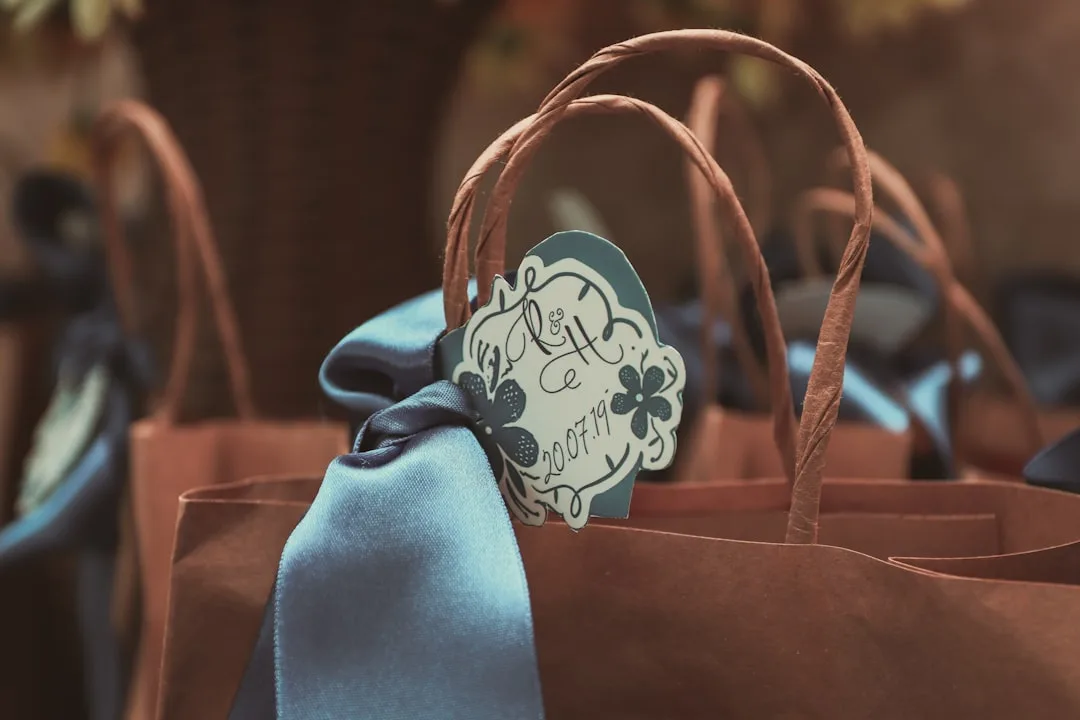
Couples are ditching the standard welcome bag formula of hotel-branded toiletries and cheap candy. Instead, 2026 is seeing welcome bags reimagined as curated story-telling moments that reflect destination culture, guest preferences, and the couple’s personality.