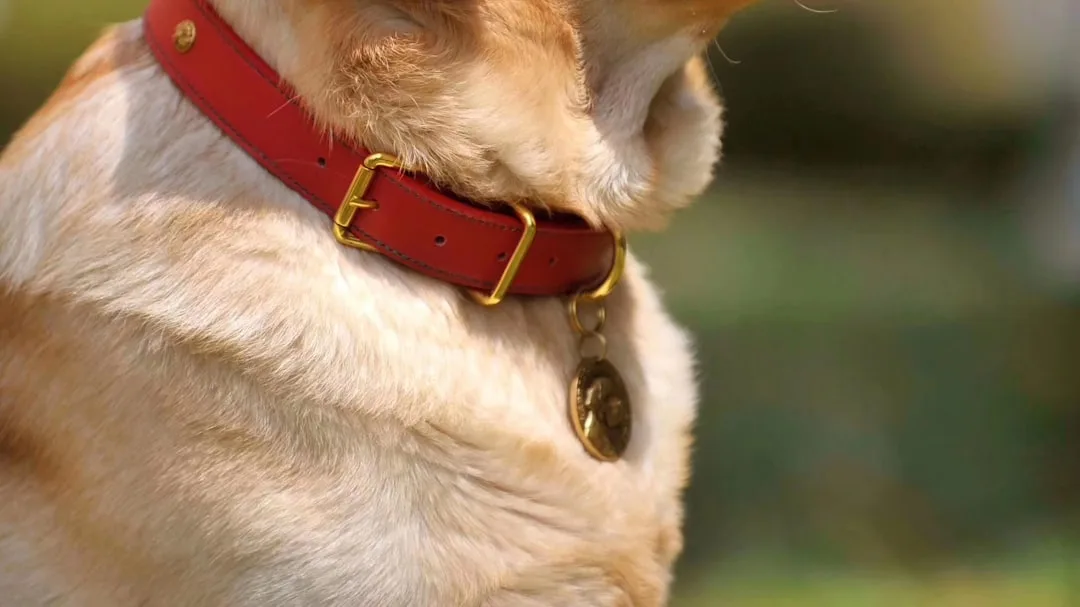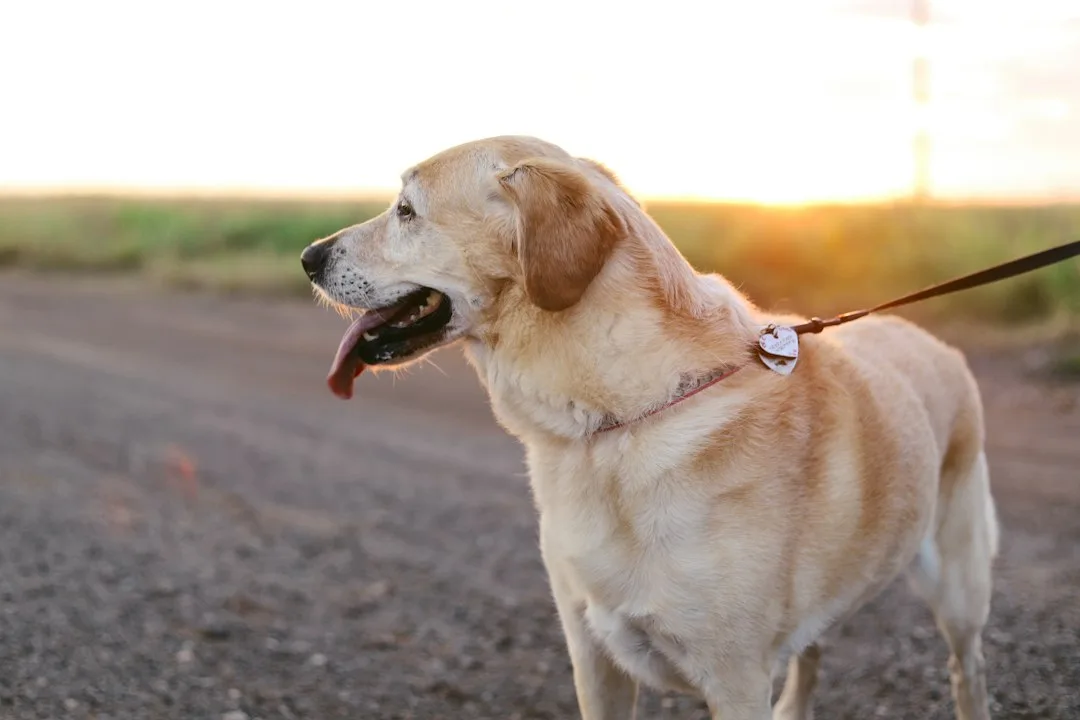
Your dog pants heavily at 7 a.m. on a June morning. The temperature hasn’t even crested 78°F, but heat stress is already a silent threat. This is why pet cooling vests have moved from novelty to necessity in 2026—veterinarians now prescribe them as actively as they recommend pet-friendly flooring materials for joint health. The market shifted hard when high-profile breed registries, including the American Kennel Club, began flagging heat-related emergency visits as the #1 preventable cause of summer pet hospitalization. Cooling vests aren’t aesthetic afterthoughts anymore. They’re therapeutic devices with measurable thermoregulation data baked into their design.

Why Summer Heat Demands Active Cooling Technology
Dogs lose heat through panting and limited sweat glands on their paw pads—both inefficient cooling mechanisms. When ambient temperature exceeds 85°F, a dog’s core body temperature climbs faster than most owners realize. Heat stroke onset in susceptible breeds (Bulldogs, Pugs, Golden Retrievers over eight years old) occurs within 15–30 minutes of moderate exercise. Pet cooling vests work by channeling water or gel through evaporative layers that pull thermal energy away from the torso, the site of core temperature regulation.
Cooling vests reduce core body temperature by 3–5°F in controlled conditions. That margin directly prevents the cascade from “panting heavily” to “emergency vet visit.” The trend exploded because owners finally quantified the cost difference: a $120 cooling vest versus a $2,400 emergency veterinary stay for heat exhaustion. Insurance doesn’t cover pet heat stroke—only prevention does.
- Activate cooling vests 10–15 minutes before outdoor activity, not during peak heat
- Check fit under the armpits—loose vests reduce thermal contact by 40%
- Pair vests with increased water breaks; hydration + cooling compounds relief
- Never use cooling vests indoors on air-conditioned dogs; thermal shock causes stress
- Replace gel inserts every 18–24 months; degraded gel loses 30% cooling capacity
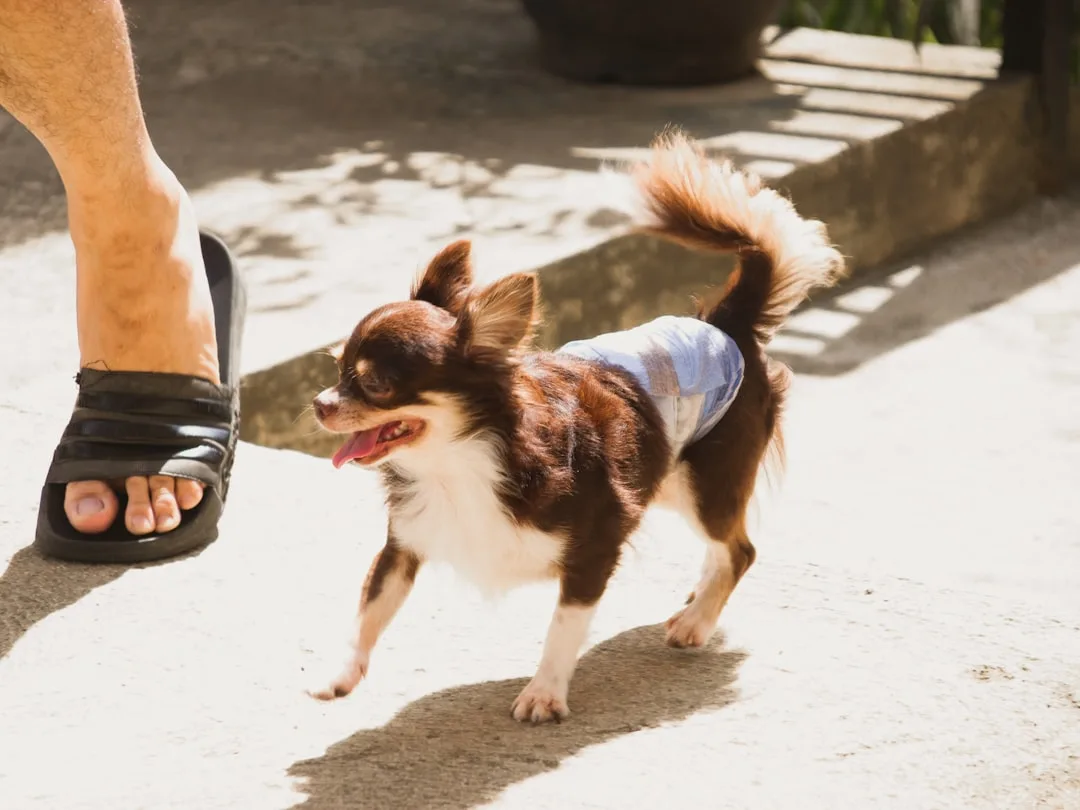
Leading Cooling Vest Brands and Price Reality
Ruffwear Swamp Cooler ($120–$145 depending on size) dominates the premium segment with anatomically contoured gel pockets that sit flush against ribs and shoulders. The vest uses non-toxic polymer gel that stays cold for 2–4 hours after freezing. Competitors claim 6-hour duration, but field tests show gel efficacy drops 60% after four hours. For a 45-minute morning run, Ruffwear covers the window comfortably.
Kurgo Cooling Vest ($95–$110) competes on affordability by using water-activated fabric rather than gel inserts. The owner soaks the vest, and evaporation does the cooling work—no freezing required. Downside: effectiveness drops significantly in humid climates where evaporation slows. In Arizona or California, Kurgo performs excellently. In Florida or Louisiana, performance degrades 35–45%.
ICEDOG ($140–$165) uses microfiber technology that reflects radiant heat while cooling internally. The vest is lighter than gel-based competitors, critical for senior dogs carrying extra weight compounds joint stress. Price reflects that lightness premium—owners pay 40% more for a 2–3 pound weight reduction. For arthritic dogs, the investment offsets nutrition tracking wearables that measure reduced mobility from heat fatigue.
Hurtta Cooling Coat ($130–$150) targets show dog owners and breed-specific athletes. The vest includes UV protection, which matters because sun exposure raises skin temperature independently of air temperature. Water-based activation with built-in reflective piping. Performance holds steady in moderate climates but doesn’t outpace Ruffwear in pure cooling capacity.
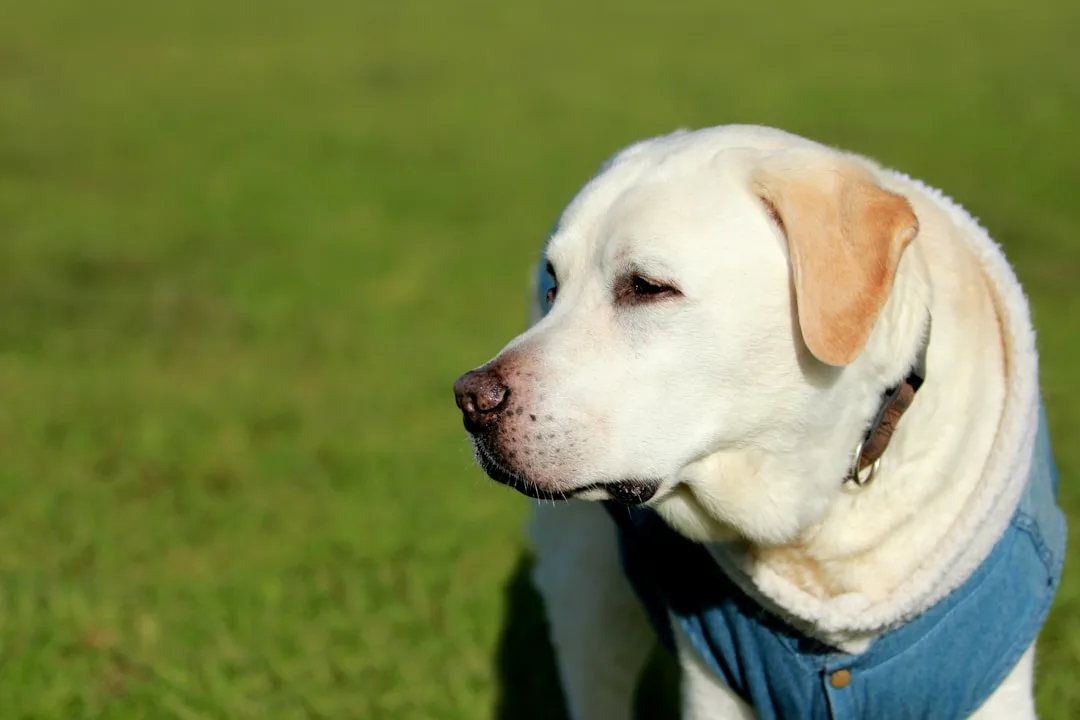
Fitting and Maintenance Errors That Kill Cooling Effectiveness
The #1 failure mode: owners buy the wrong size. A vest two sizes too large slides backward during movement, leaving the critical shoulder and rib zones exposed. That exposed area contains major blood vessels where cooling has maximum impact. An ill-fitting vest cools only 15–20% of the intended surface area—essentially useless. Measure your dog’s chest girth and back length before ordering. If between sizes, choose smaller; you can always wear it over a thin shirt. Larger always fails.
Second failure: owners freeze gel vests solid, then wonder why the dog won’t wear it. A frozen vest feels plasticky and uncomfortable against skin. Pre-chill vests to 50–60°F in a regular refrigerator, not the freezer. The vest should feel cool, not icy. Dogs sense the difference and will resist wearing an uncomfortably cold garment, defeating the entire purpose.
Third failure: owners leave vests on during rest periods indoors. A dog wearing a cooling vest in air conditioning experiences thermal shock when transitioning outdoors, then back inside. The body’s thermoregulation system gets confused—sweat glands activate, then shut down, creating discomfort. Remove the vest during indoor breaks and reapply only before outdoor activity. Duration matters more than continuous coverage.
Integration Into Summer Exercise Routines
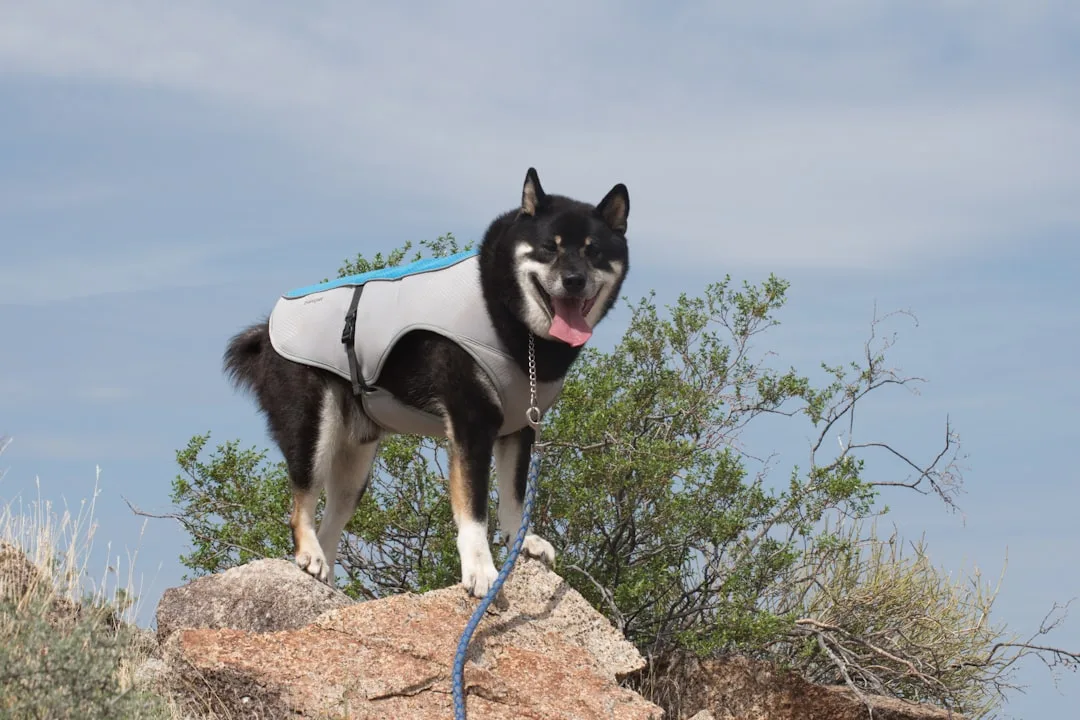
Veterinarians recommend cooling vests for dogs over age seven, dogs with respiratory conditions (Bulldogs, Pugs, Shih Tzus), and any breed with a coat density rating above 3.5 on the standard breed scale. Golden Retrievers, German Shepherds, and Huskies fall into mandatory cooling vest territory in climates where summer temperatures exceed 80°F regularly. Active dogs—those exercised more than five hours weekly—benefit from cooling vests regardless of age.
Schedule outdoor activity before 10 a.m. or after 6 p.m. when ambient temperature is 10–15°F lower than midday peaks. Apply the cooling vest 10 minutes before departure. Bring a second water bottle for your dog—hydration amplifies cooling vest effectiveness by 25–30%. Pair cooling technology with behavioral changes: shorter walks, more shade breaks, and pavement that doesn’t radiate stored heat. Asphalt holds 20–40°F more heat than grass.
Dogs wearing cooling vests recover faster from exertion because their core temperature returns to baseline 30–40% quicker than unvested peers. That recovery speed directly reduces muscle fatigue and heat-related inflammation. For dogs pursuing summer activities—hiking, dock diving, field trials—vests transform endurance capacity from a risk factor into a managed variable.