Your washing machine used to die on a Tuesday and get replaced by Saturday. Now the same failure can mean waiting weeks for a part, or a fault code that only the manufacturer’s app can clear. The right to repair appliances movement is slowly changing how that story ends.
What Right to Repair Appliances Actually Requires
In Europe, ecodesign rules that took effect in 2021 require manufacturers to keep spare parts available for major appliances such as washing machines, dishwashers, and fridges. The required window is typically seven to ten years after a model reaches the market, depending on the product. That is a long commitment for companies that once planned products around a much shorter life.
The rules also push makers to share repair information with independent technicians, not only authorized service shops. Manuals, diagnostic details, and spare part lists must be available on reasonable terms. Less friction means local repairers can compete for your business.
Quick Tips
- Ask the brand for its parts availability period in writing before you buy.
- Check the brand’s support site for a service manual or wiring diagram.
- Confirm whether an independent technician can clear fault codes without the brand’s app.
- Look at whether the warranty covers labor, not just replacement parts.
Where US Repair Laws Are Heading
In the United States, progress is happening state by state. New York passed its Digital Fair Repair Act in late 2022, focused mainly on electronics, and Minnesota has passed its own repair law. Other states have introduced similar bills, though the details vary widely from one to the next.
Federal action has moved more slowly, so your protection depends on where you live. A strong law in one state does not follow you across the border when you move. Check local rules before assuming a repair will be easy.
| Feature | What to Check | Why It Matters |
|---|---|---|
| Spare parts window | Written commitment from the brand | Sets how long the machine stays fixable |
| Repair manuals | Public service documentation | Lets independent shops work on it |
| Fault code access | Whether a technician can reset it without the brand app | Stops one app from gatekeeping repairs |
| Modular parts | Replaceable seals, pumps, and hinges | A small part fails without retiring the whole unit |
The Software Lock Problem Nobody Mentions
Hardware repair is only half the story, because many modern appliances store their logic in software. A failed pump may be easy to replace, yet the machine refuses to run until a paired app confirms the new part. That is a design choice, not a mechanical limit.
Privacy enters this debate too, since connected appliances collect usage data. Consumers should understand how that data is handled, a concern explored in Shaping the Future of Safe Digital Interaction. Repair rights and data rights often meet in the same settings menu. Read the fine print before you pair anything.

The Mistake That Turns a Repair Into a Replacement
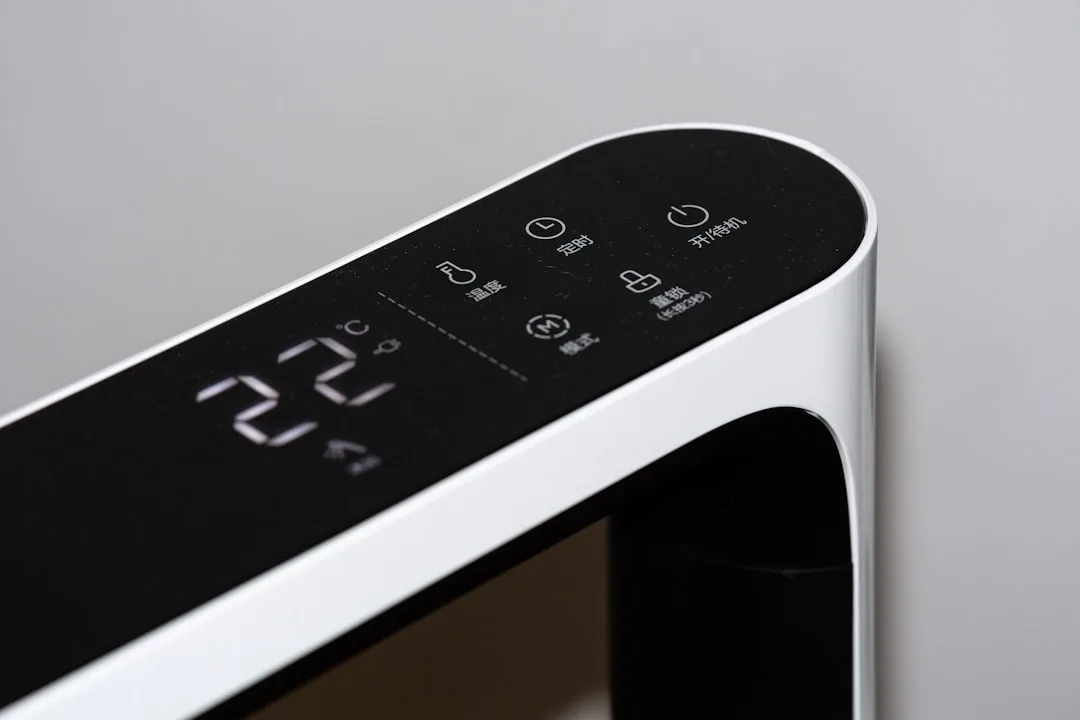
The most common mistake is buying on design alone and ignoring the parts story. A buyer picks a sleek fridge with a touchscreen panel, then learns two years later that the panel board is sold only as part of a full door assembly. The single failed component now forces a whole-door swap, and the fridge goes to the curb.
Do this instead: before you buy, search the model number alongside the words repair manual and parts list. If the results are empty, treat that silence as a warning sign. Ten minutes of checking can save you from scrapping a working machine over one small part.
Brands Already Designing for Repair
Some companies built for repair long before the rules arrived. Fairphone sells a smartphone with a user-replaceable battery and a modular design, and it publishes spare parts for its devices. Framework builds a laptop where ports and some components can be swapped without a full teardown.
Among appliance makers, Miele is often cited for long service life and a broad network of trained technicians, and it publishes spare parts information for many models. iFixit sells replacement parts and offers a large library of free repair manuals for a wide range of devices, giving independent technicians something concrete to work from. Use these brands as benchmarks when a store pushes a sealed unit on you.
How to Shop for a Repairable Appliance
Start with the parts question, not the feature list. Ask the seller for the parts availability period in writing, and check whether the brand publishes a service manual. A brand that answers clearly usually has nothing to hide.
Then compare models on the basics: accessible panels, standard fasteners, and modular components. Accessible panels and common screws make home repair realistic. Sealed units with proprietary fasteners usually mean a technician has to replace far more than the broken part.
Finally, keep the receipt, the model number, and the serial number in one folder. Those three details unlock parts orders and warranty claims. Expect a little more effort upfront, and let the payoff arrive years later when the machine still runs.