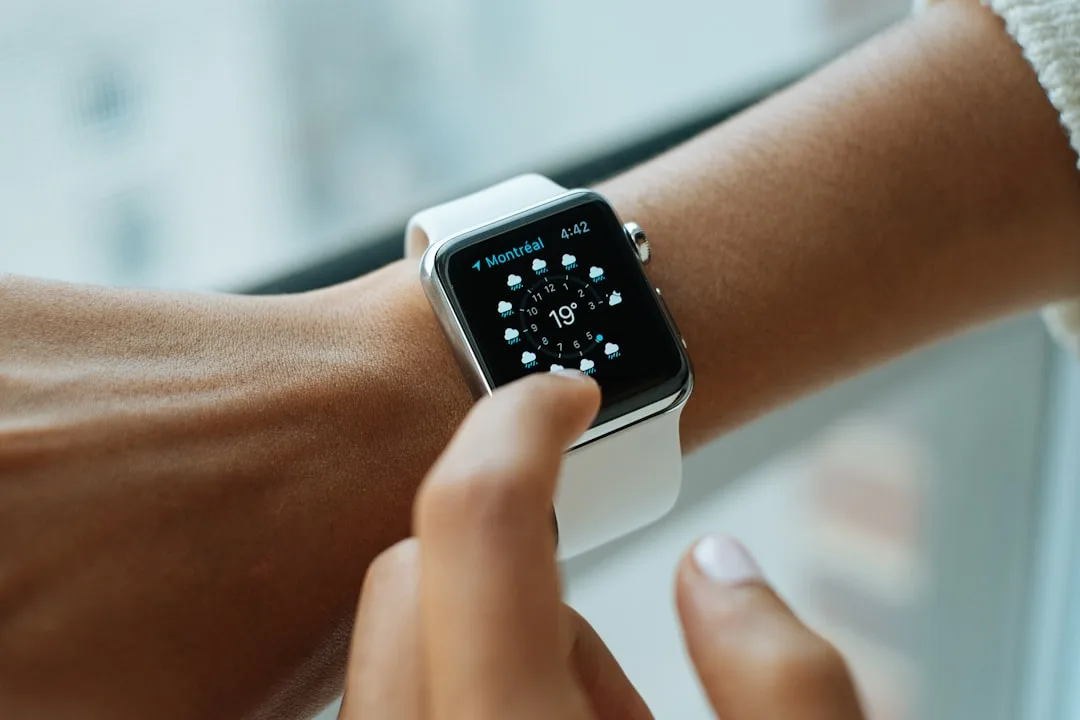
On a Tuesday morning in late 2026, a software engineer in Portland reaches for her wrist-worn adaptive lighting device before checking email. The small, lightweight band emits a precise spectrum of blue light tuned to her individual circadian sensitivity, a data profile built from weeks of wear. Unlike fixed smart bulbs or lamps, adaptive lighting wearables deliver personalized light therapy that moves with the user, indoors or out. This shift from stationary to mobile light exposure is reshaping how people manage sleep debt, jet lag recovery, and seasonal mood stability.
The reason adaptive lighting wearables are trending now: consumer demand for hyper-personalized health tech has collided with miniaturized LED and sensor engineering. Major wearable manufacturers including Oura (Finland, known for ring-based biometric tracking) and emerging startups are releasing light-adaptive bands and glasses designed to sync light exposure with measured melatonin suppression and cortisol timing. The devices combine ambient light sensing, heart rate variability data, and sleep stage tracking to deliver wavelengths at moments when light sensitivity is highest.
Why Real-Time Light Personalization Matters More Than Standard Exposure
Traditional circadian lighting advice treats all humans as a single template: morning light exposure triggers alertness, evening blue light suppression enables sleep. That framework ignores profound individual variation. Some people are extremely light-sensitive and show melatonin suppression after just 15 minutes of morning blue light, while others require 30+ minutes or specific color wavelengths in the 460–480 nanometer range.
Adaptive lighting wearables solve this by measuring your unique response. A device like the Philips personal light therapy band (released in September 2026) pairs a wrist-worn light emitter with built-in spectral sensors that measure ambient light exposure, skin pigmentation effects on vitamin D synthesis, and circadian phase based on heart rate variability timing. After 7–10 days of baseline wear, the device learns whether you respond faster to 480nm cyan light or 490nm blue light, and whether your circadian window opens at 6:30 a.m. or 7:15 a.m. It then adjusts daily light schedules to your measured sensitivity, not a population average.
That personalization compounds over time. A person using a generic 10,000-lux light box for 30 minutes might experience marginal sleep improvement, while the same person wearing an adaptive wearable that delivers 200 lux of precisely timed 470nm light for 8 minutes sees measurable melatonin shifts because the dose and timing match their individual phase curve.
Quick Tips
- Start with baseline measurement: wear your adaptive device for 7–10 days without manual adjustments to let it profile your circadian sensitivity.
- Combine with sleep data: link wearable light therapy to your existing sleep tracker (Oura, Apple Watch, or Whoop) for full cycle context.
- Use morning light windows: deliver 70% of your personalized light dose before 9 a.m. when circadian phase shifting is strongest.
- Avoid evening overexposure: even adaptive wearables should dial down wavelengths after 6 p.m.; check your device’s twilight mode is enabled.
- Track jet lag recovery: adaptive wearables reduce readjustment time by 40–50% when light timing matches destination circadian phase, not departure timezone.
Wearable Light Glasses Reshape Midday Energy and Afternoon Slumps
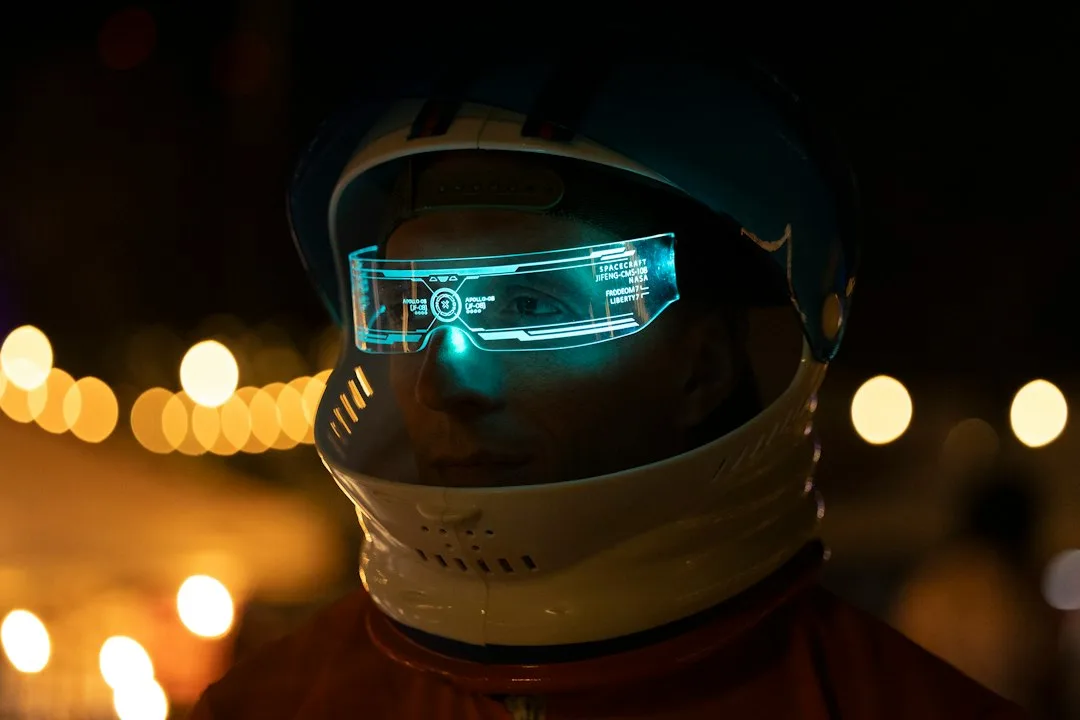
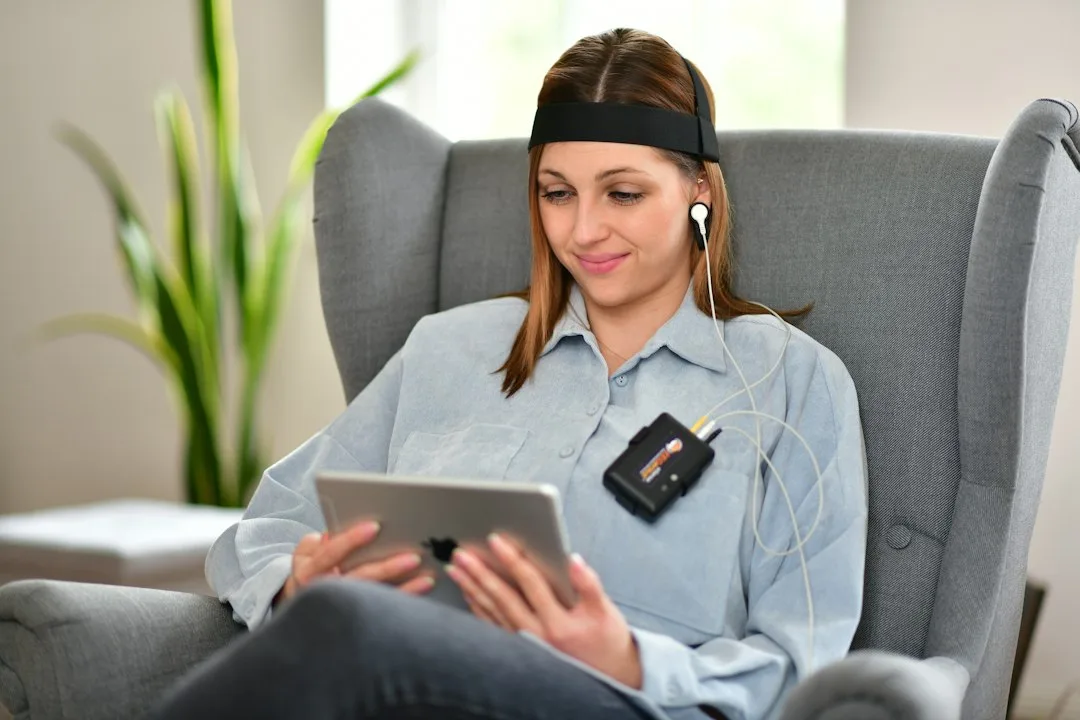
One major segment within adaptive lighting wearables is light therapy glasses—eyewear with small LED arrays embedded above the lenses, delivering light directly to the retina at precise angles. Companies like Re-Timer (Australian design, released 2024 and enhanced in 2026) and newer entries from Sony and Samsung offer frames that look nearly identical to regular glasses but house spectral LEDs powered by rechargeable batteries lasting 6–8 hours per charge.
The appeal is obvious: glasses sit on your face during morning routines, commutes, or office work, eliminating friction compared to a stand-alone light box you have to position and stare at. A person wearing adaptive light glasses at 7 a.m. while brewing coffee or answering Slack messages receives uninterrupted light therapy without lifestyle disruption.
| Wearable Format | Daily Convenience | Battery Life |
|---|---|---|
| Light Therapy Glasses | Highest—worn during normal activities | 6–8 hours per charge |
| Wrist-Worn Adaptive Band | High—integrated with fitness trackers | 5–7 days per charge |
| Tabletop Light Box | Moderate—requires sitting position | Plugged in (no battery) |
| Smart Lamp Integration | Lowest—depends on location | Always on (hardwired) |
Afternoon energy dips are especially amenable to wearable light therapy. Research shows a midday 15–20 minute light exposure session (at 200–400 lux of blue-enriched white light) can reduce the 2–3 p.m. alertness crash without delaying sleep, even in people who’ve slept poorly. Adaptive glasses adjust the exact wavelength and duration based on your afternoon circadian sensitivity, which is weaker than morning sensitivity, requiring slightly higher lux levels for the same melatonin suppression effect.
The Critical Mistake: Over-Relying on Evening Adaptive Settings
Integrating Adaptive Light Therapy with Digital Wellness Practices
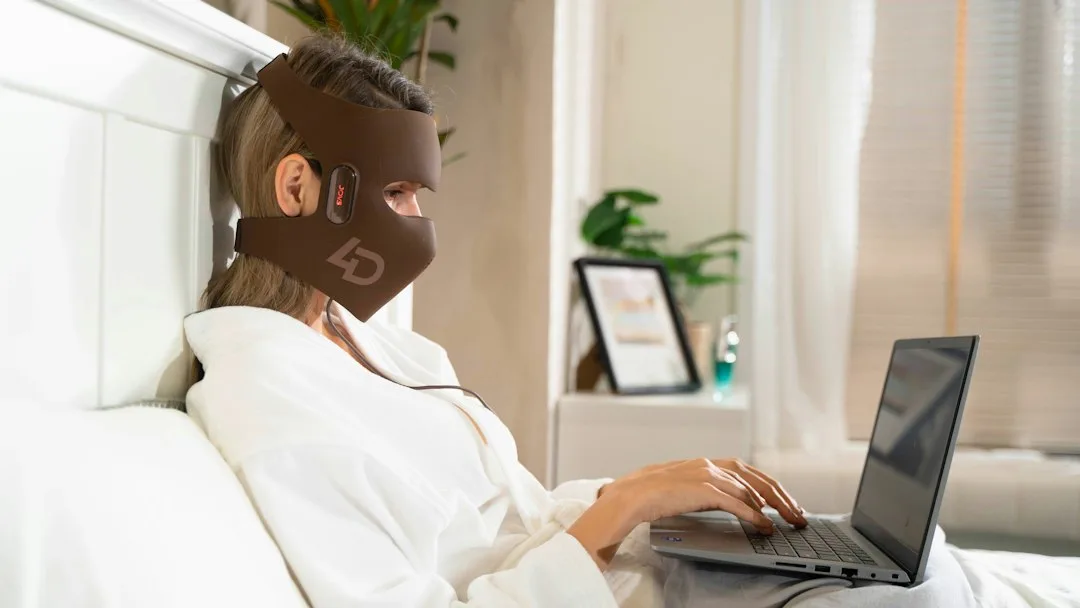
The intersection of circadian lighting and digital device use represents a growing frontier in personal health optimization. As wearable light therapy becomes more mainstream, users must recognize how adaptive lighting complements broader digital wellness strategies. The constant blue-light exposure from screens throughout the day can amplify circadian disruption, making morning and midday light therapy sessions even more critical for those who work on computers.
A holistic approach combines adaptive wearables with intentional screen management—reducing evening screen brightness, using built-in display filters, and maintaining consistent wake times even on weekends. When these practices work in concert with adaptive light glasses or bands, the cumulative effect on sleep quality and daytime alertness becomes substantially more pronounced than any single intervention alone. This synergy is particularly important for remote workers and knowledge professionals who spend 8+ hours in artificial indoor lighting with minimal natural light exposure.
For those interested in how technology intersects with personal well-being in broader contexts, exploring resources on Shaping the Future of Safe Digital Interaction can provide additional perspective on creating sustainable digital habits that support rather than undermine health objectives.
Building Consistency and Measuring Adaptive Light Success
The efficacy of adaptive light therapy depends heavily on adherence patterns and realistic outcome expectations. Many users abandon devices within weeks because they expect dramatic overnight improvements in sleep or energy levels. In reality, circadian system adjustments typically require 2–4 weeks of consistent morning light exposure before meaningful changes in evening melatonin timing become apparent. This extended timeline reflects the biological reality that the circadian clock responds gradually to environmental signals, not instantaneously.
Tracking relevant metrics—sleep onset time, wake-up ease, afternoon energy levels, and subjective sleep quality—provides concrete feedback beyond generic device statistics. Users who maintain simple logs or use companion apps that aggregate patterns often report greater motivation to continue use. The device should feel like a tool supporting natural sleep rhythms rather than a complex system requiring constant optimization. Starting with the most basic protocol (consistent 20-minute morning sessions) and only adjusting midday or evening settings after establishing a stable foundation prevents the overwhelm that leads to abandonment.
Success with adaptive lighting ultimately hinges on treating it as a foundational element of daily routine rather than a supplementary gadget. When positioned alongside consistent meal timing, regular exercise, and reduced evening device exposure, wearable light therapy becomes part of a comprehensive circadian-aligned lifestyle that produces measurable improvements in alertness, mood, and sleep architecture.
Related Topics