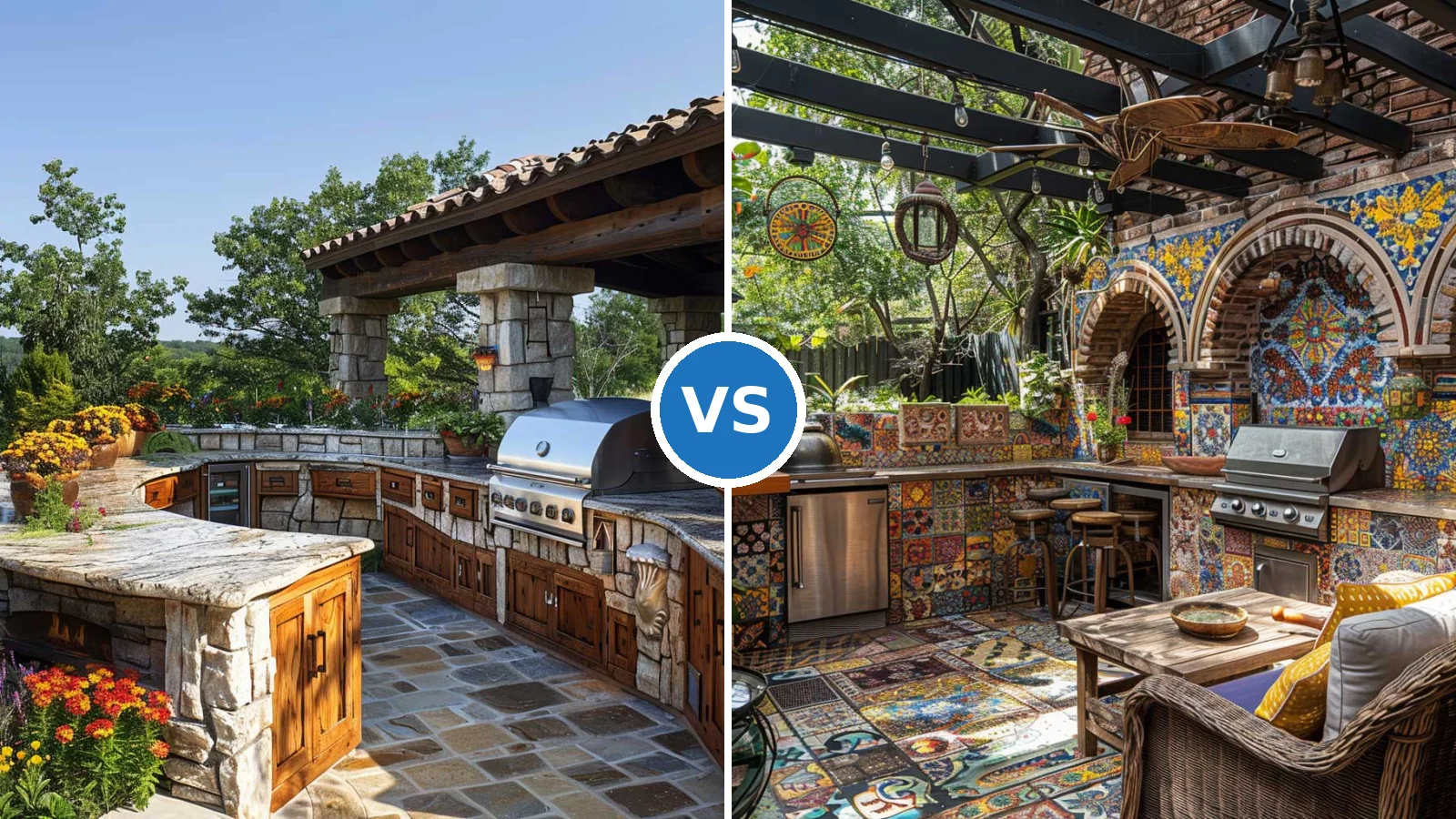
The brick vs stone choice decides how your backyard cooking zone will feel for years, and the two materials pull in different directions. Brick tends to win on upfront budget and crisp modern lines, while stone wins on natural aging and fixed seating. Brick suits a reader who wants a tidy, budget-aware grill station, and stone suits a reader who wants a rugged, fire-centered gathering spot that weathers well.
What a brick vs stone BBQ area actually means
Quick Verdict
- Choose stone if your winters are hard and you want seating and a fire pit that age well.
- Choose brick if budget is your first concern or you want a slim, modern look.
- Choose stone if you can source angular stone and want a natural, irregular texture.
- Choose brick if you want a firebox lining rated for heat near 3,000°F.
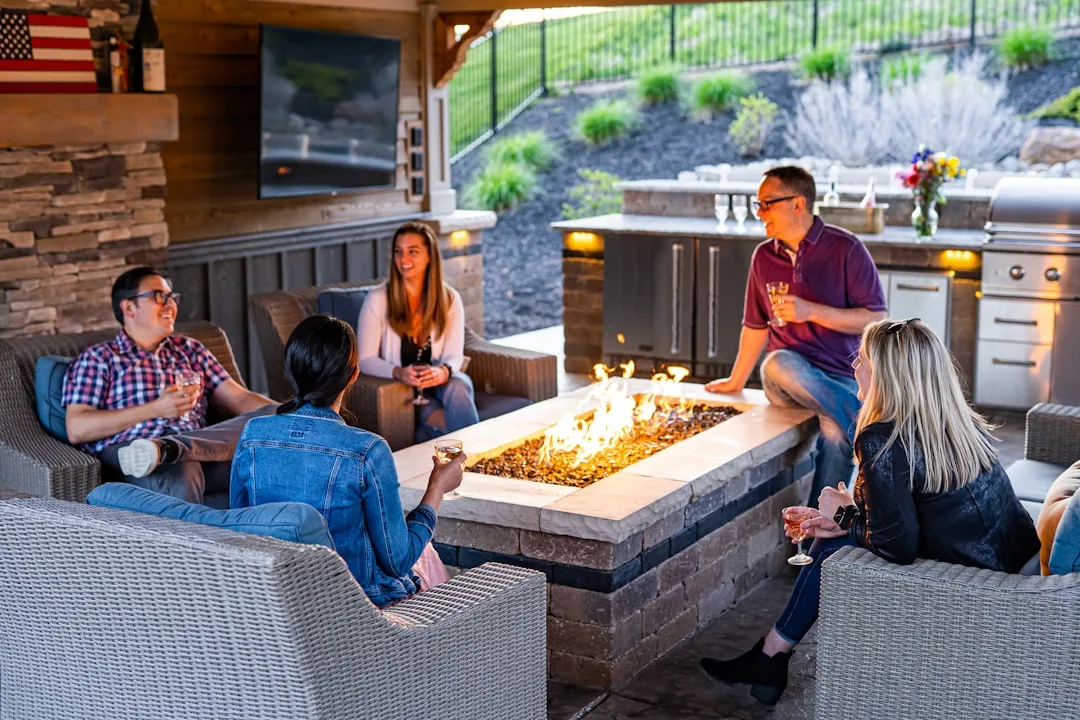
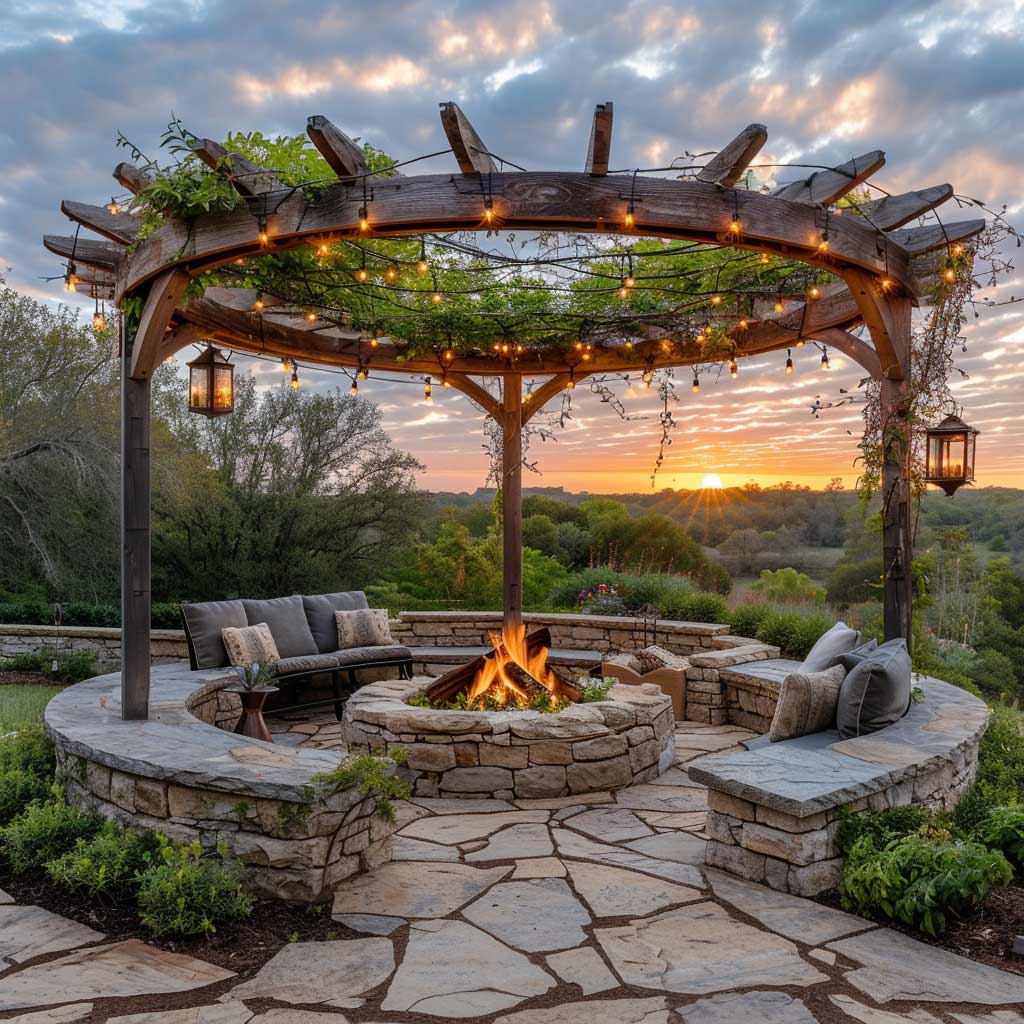
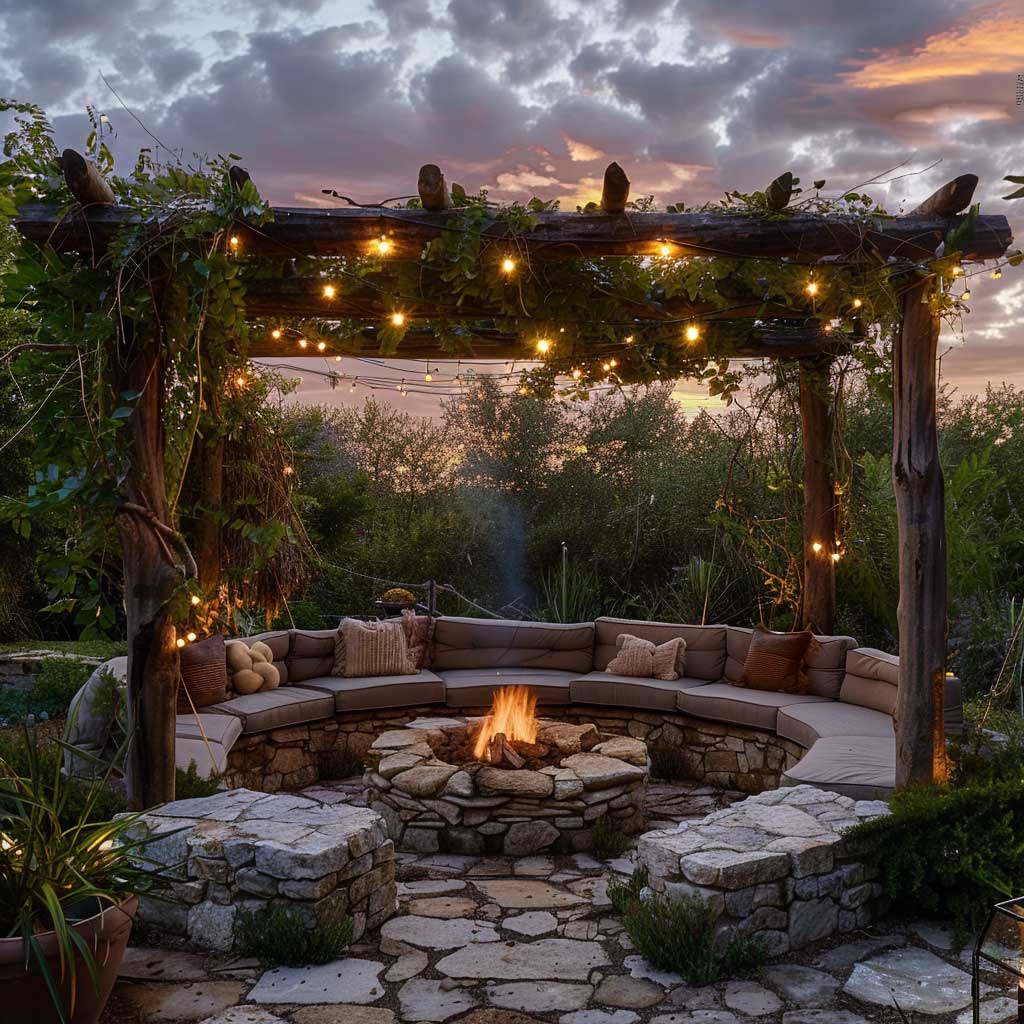
Stone BBQ areas use fieldstone, limestone, granite or bluestone as the structure around a fire pit, an outdoor kitchen, or fixed seating. The stone BBQ area ideas we published lay out three builds. The stone carries the weight, so everything else can stay simple.
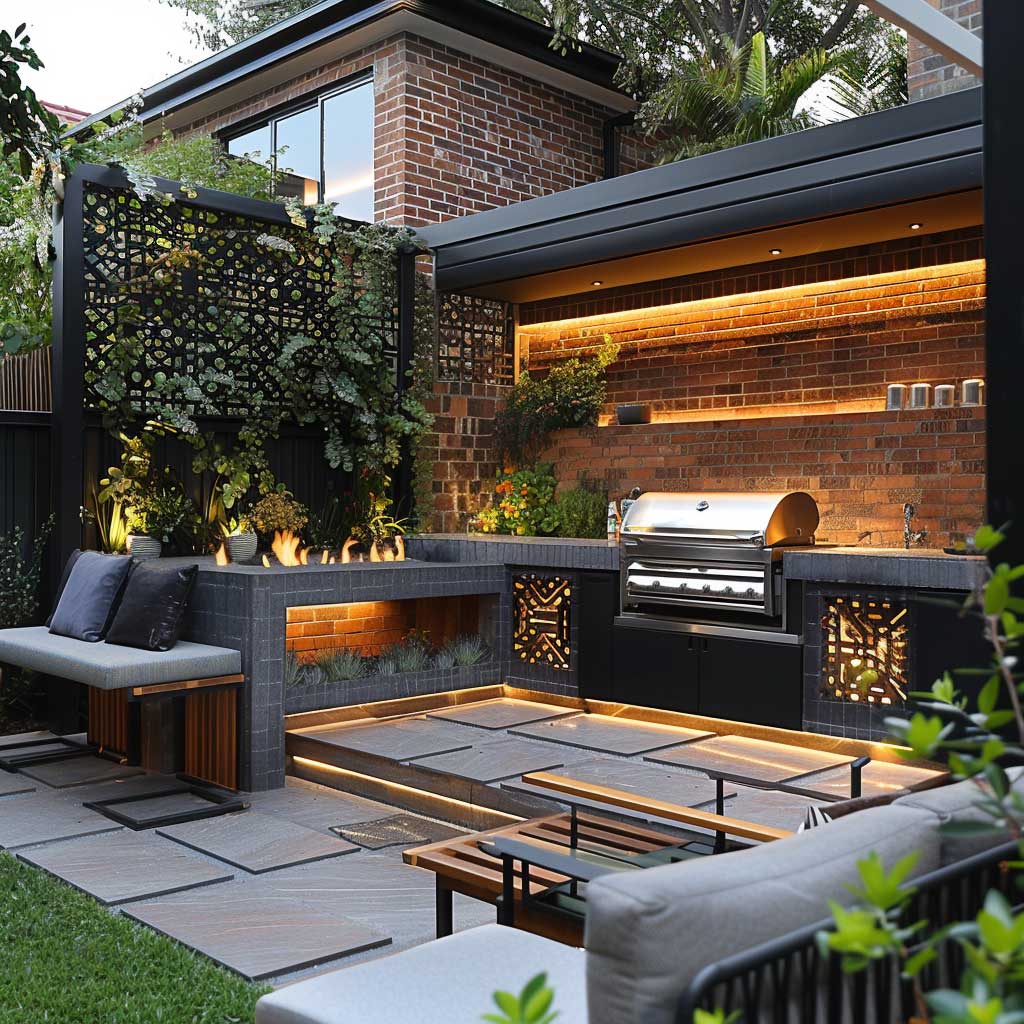
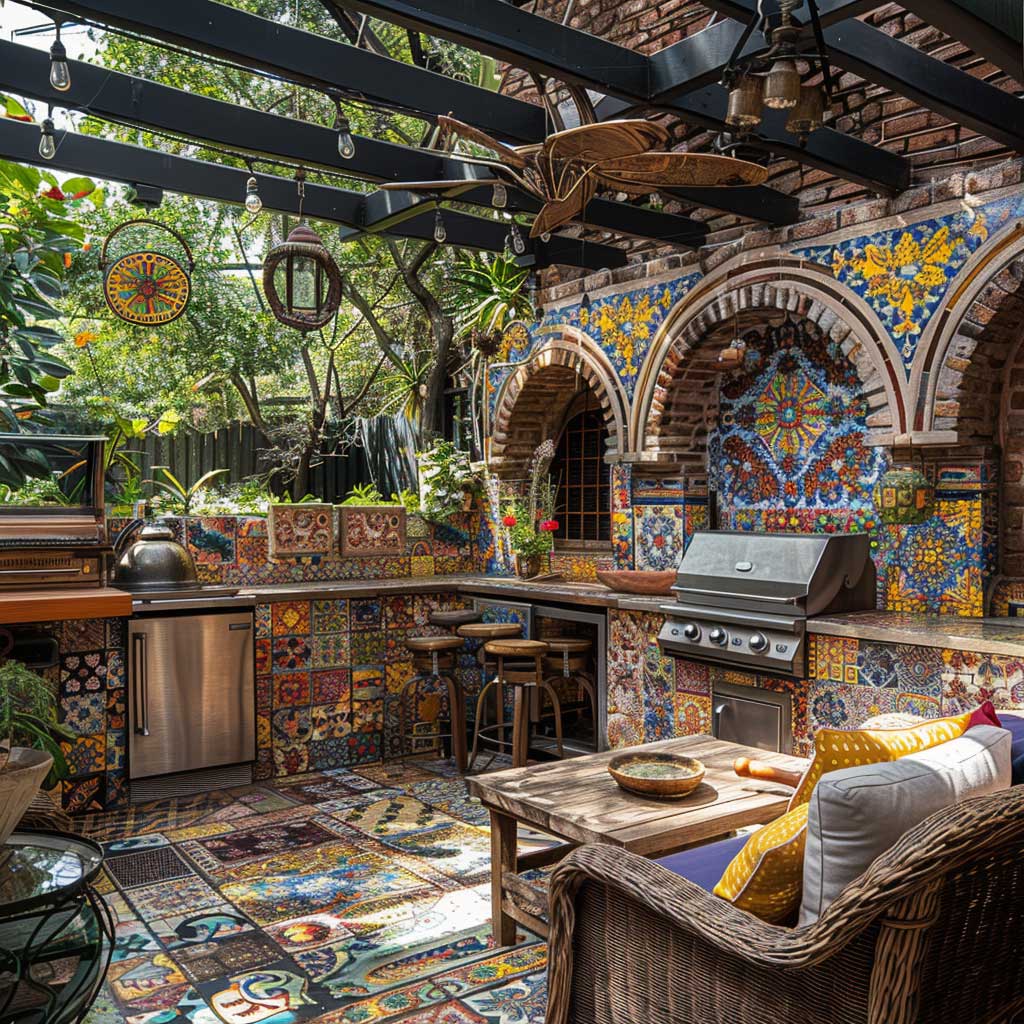
Brick BBQ areas are built from fired clay units laid in mortar, either reclaimed or new, and they can go rustic or slim and modern. Our brick BBQ area ideas start with the grill insert and size the brickwork around it. That workflow-first logic applies to both materials.
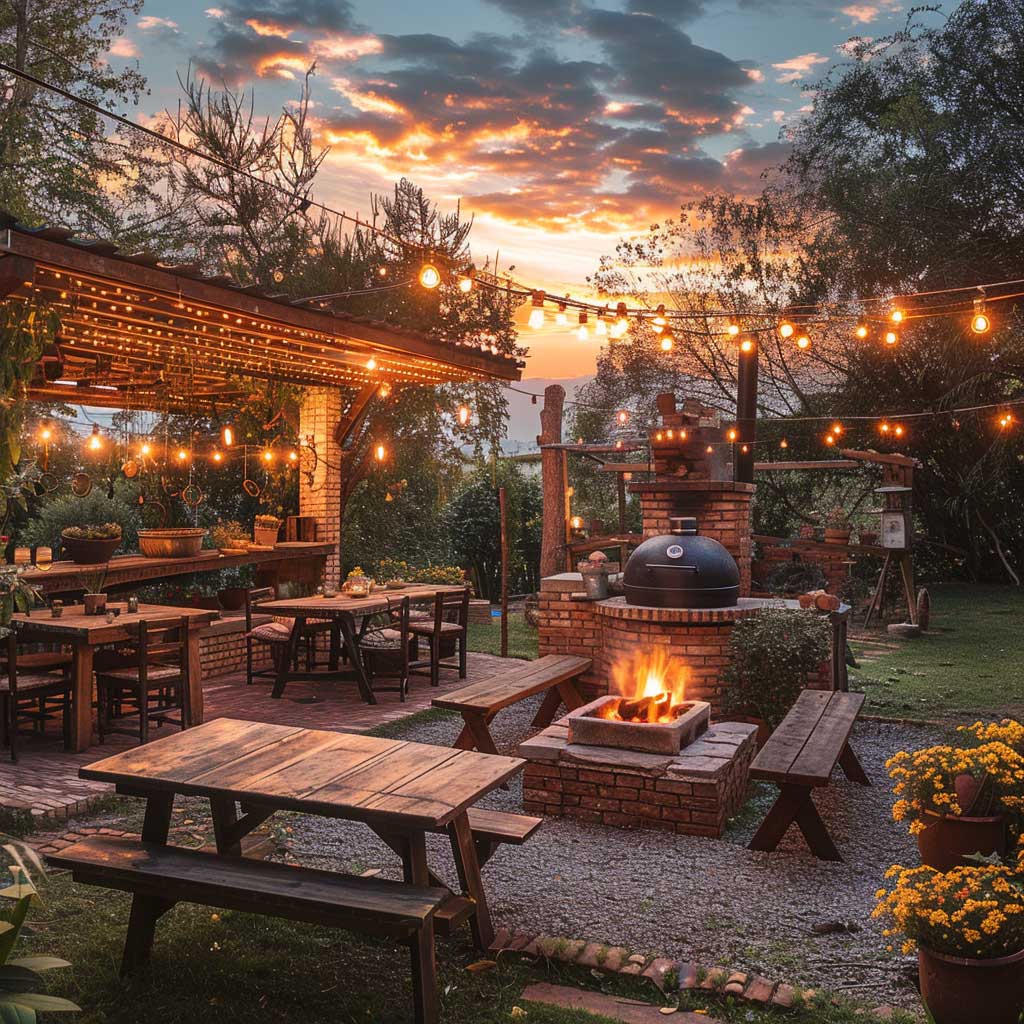
Head-to-head on cost, durability, look and build effort
| Criteria | Stone BBQ Area | Brick BBQ Area |
|---|---|---|
| Entry-level build cost | Fire pit ring from roughly $600 to $1,800 DIY | Basic rustic brick surround usually costs less in materials than a stone fire pit |
| Freeze-thaw durability | Strong with angular stone; river rock cracks | Durable when laid with proper mortar; keep vines off the joints |
| Firebox heat handling | Stone ring around the fire; lining needs its own plan | Firebricks handle heat near 3,000°F |
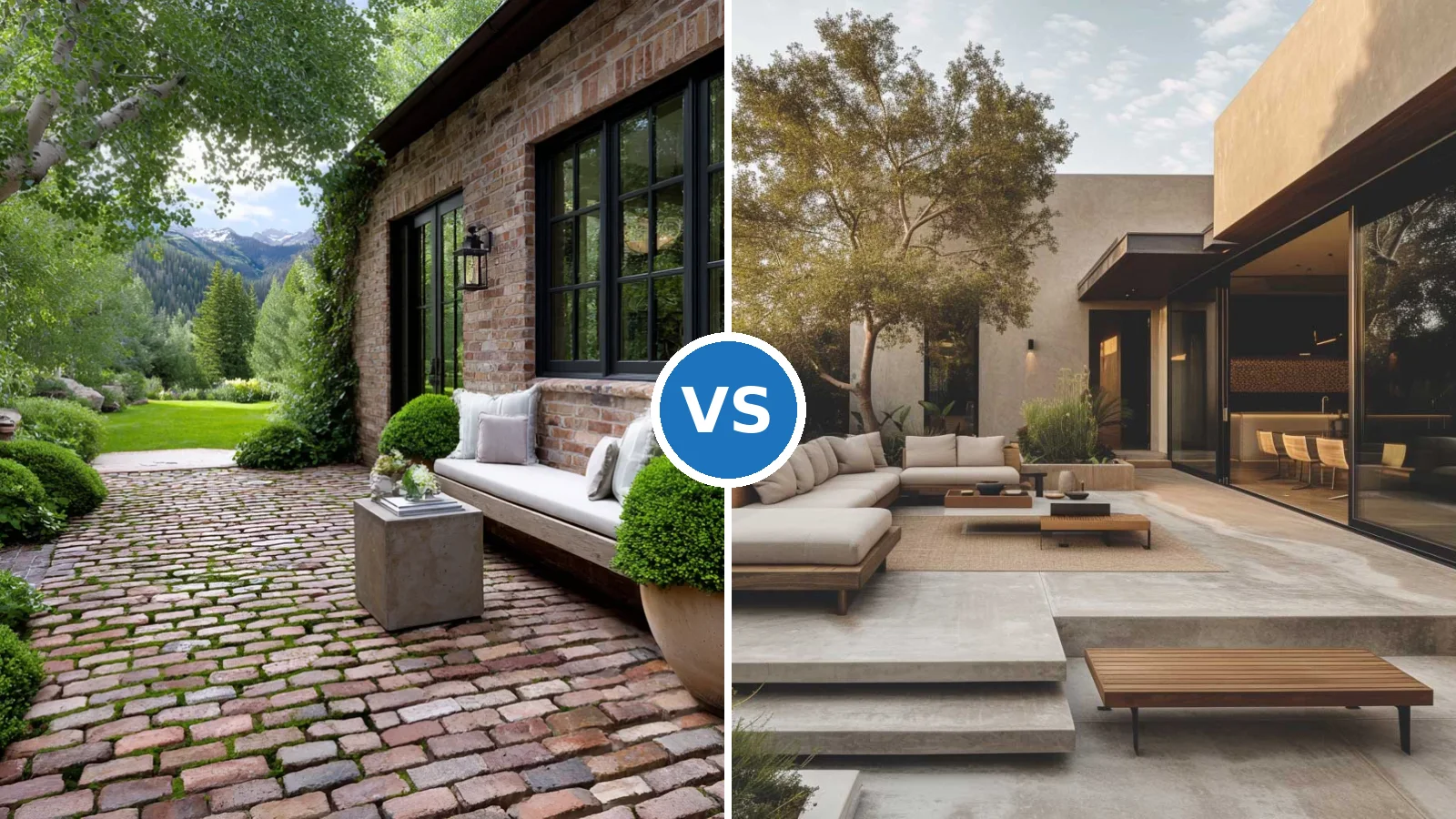
| Modern look | Natural, irregular texture | Slim joints and slim veneer read contemporary |
| Fixed seating | Stone benches and built-in side tables | Mostly structural; stone is used for low walls and edging |
| First-time build | Sawn limestone blocks go up quickly | Reclaimed units need sorting and careful refractory mortar |
Read the table as a set of trade-offs rather than a score. Brick takes the cost, firebox and modern-look rows. Stone takes the durability, seating and first-build rows.
Neither material wins everything. The right pick depends on what your yard has to do.

Where stone pulls ahead
Stone wins on how it holds up in cold weather, but only when you choose the right kind. Angular fieldstone and limestone handle freeze-thaw cycles far better than river rock. One fieldstone fire pit built for modest money held up through fifteen Ohio winters.
River rock looks lovely in photos. It is porous and holds moisture, so it tends to crack once frost arrives. Stone also suits fixed seating, since bluestone or flagstone benches stay put and anchor the gathering zone.
Limestone blocks with sawn faces are the easiest route for a first-time builder. They go up quickly. The cost stays predictable, too.


Where brick earns its place
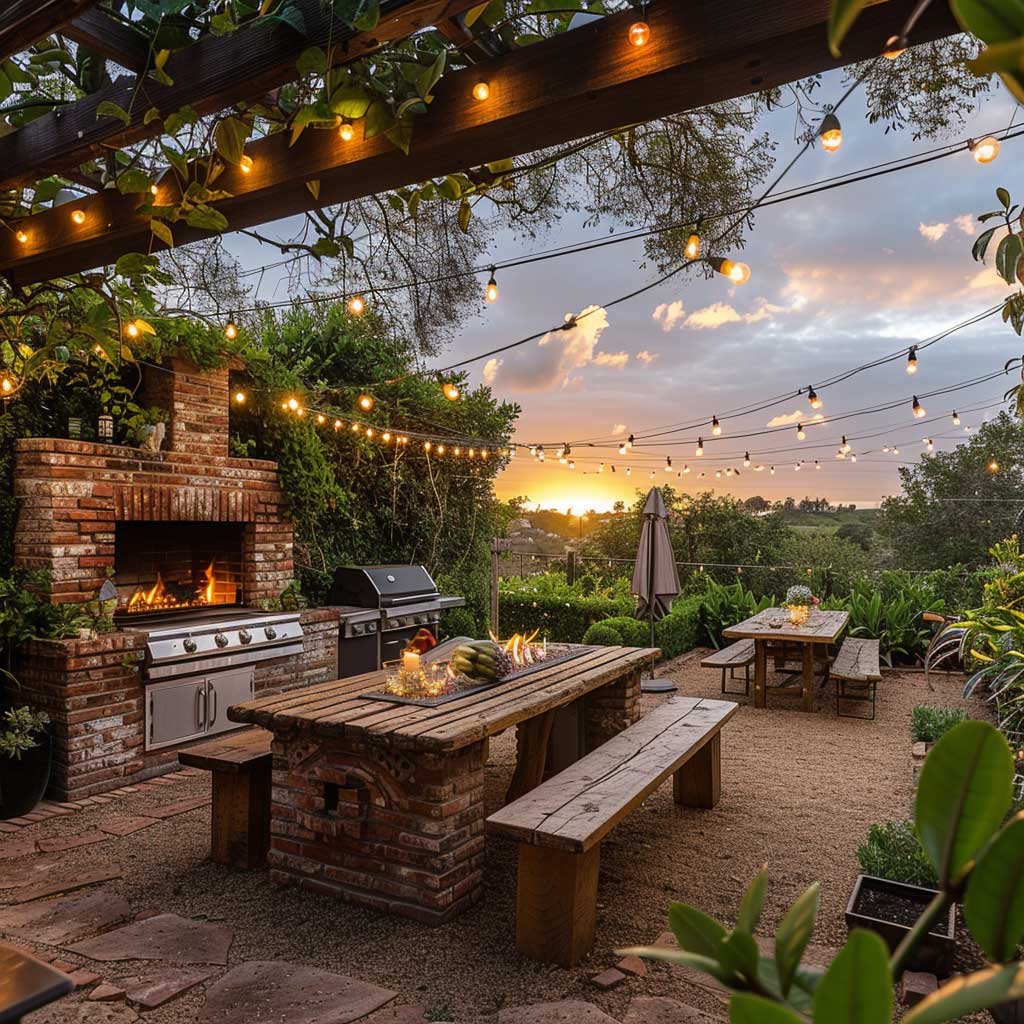
Brick wins on entry cost. Reclaimed units run roughly half a dollar to a dollar and a half each at salvage yards, and a basic rustic build lands in a lower range than most stone fire pit plans. That gap is the main reason brick appeals to tight budgets.
Brick also handles the firebox well. Firebricks tolerate temperatures near 3,000°F, where standard clay bricks can crack after repeated heating. Set them in refractory mortar behind the outer walls.
For modern design, brick has the stronger case. Slim joints and slim veneers read contemporary right away. Stone looks more natural and irregular.

The mistake that costs the most
The biggest mistake is choosing the material from a photo before checking your climate and layout. Imagine a northern yard where river rock gets picked for its soft color, the build goes up around a fire pit, and frost splits the stones by March. The repair often costs more than the original build.
The fix is simple. Pick angular stone for cold winters, or brick with proper firebricks if you want slim modern lines. Lock in the material first. Then plan the layout around it.
Final verdict on which to choose
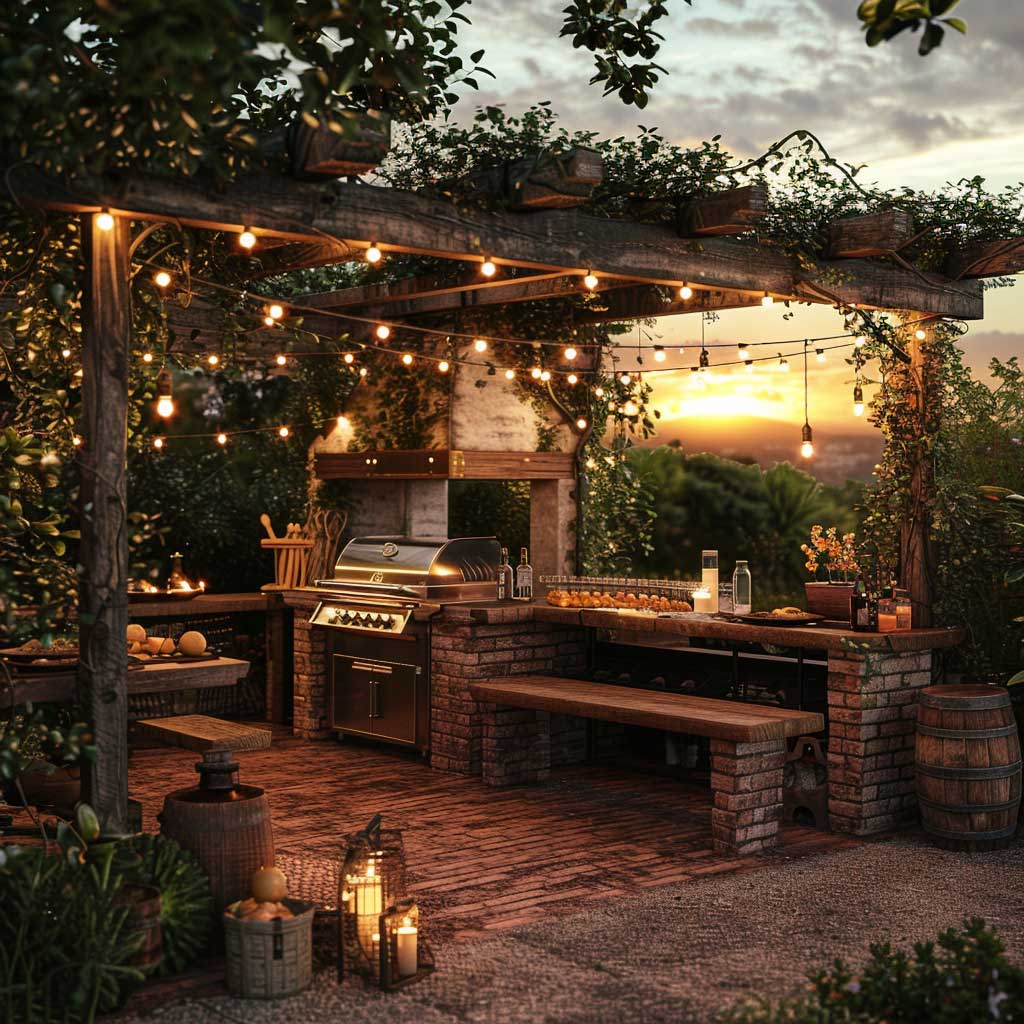
Choose stone if your winters are hard, you want fixed seating, and you like a natural, irregular texture. Choose brick if your budget is tighter, you want a firebox built for high heat, or you prefer slim modern lines.
Both materials build a strong backyard cooking area when the layout comes first. Let your climate and budget decide the material, not the photo.