Picking flooring seems straightforward until you’re standing in a showroom staring at approximately seven hundred options, all claiming to be perfect for everywhere. Here’s reality: no flooring works equally well in every room. What’s great for living rooms fails spectacularly in bathrooms, and kitchen flooring needs completely different properties than bedroom floors.
Smart flooring choices match material properties to how you actually use each space. Understanding what each room really needs helps you make informed decisions rather than falling for whatever the salesperson pushes hardest. The best approach is thinking through the daily realities of each space before even looking at samples.
When planning Flooring Installation Indianapolis homeowners should consider traffic patterns, moisture exposure, maintenance requirements, and whether the room needs sound dampening or extra comfort underfoot.
1. Kitchen Flooring That Actually Works
Kitchens destroy floors faster than any other room. You’re dropping things constantly, spilling liquids, standing for extended periods, cooking, and dealing with grease and food stains. The floor needs to handle all this while looking decent because kitchens are high-visibility spaces.
Luxury vinyl plank (LVP) tops the practical kitchen flooring list. It’s completely waterproof, not just water-resistant. Spill a gallon of water and it won’t damage anything. LVP handles dropped pots and utensils without denting or chipping. It’s comfortable to stand on for long cooking sessions, and quality LVP looks surprisingly good – available in realistic wood or stone appearances.
Porcelain or ceramic tile works great if you don’t mind the hardness. Tile is completely impervious to water, stains, and scratches. It lasts forever with minimal maintenance. The downside is that standing on tile for hours gets uncomfortable, and anything dropped will probably shatter. Area rugs in key standing zones help with comfort.
2. Bathroom Flooring Priorities
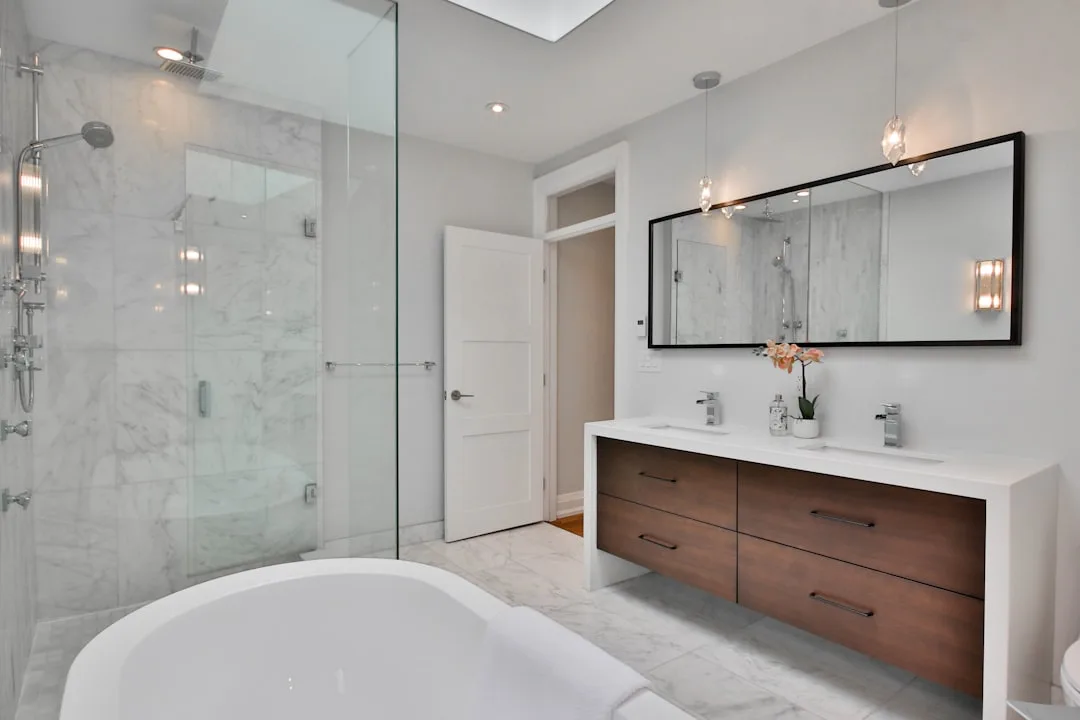
Bathrooms need 100% waterproof flooring, period. Water-resistant isn’t enough when showers overflow, toilets leak, or tubs splash. Standing water needs somewhere to go without causing subfloor damage or mold growth.
Porcelain tile is the gold standard for bathrooms. It handles constant moisture exposure without any issues, comes in endless styles, and lasts indefinitely. Smaller tiles provide better traction when wet because more grout lines create texture. Make sure proper waterproofing goes under the tile – the tile itself is waterproof, but installation details matter hugely.
Luxury vinyl works great in bathrooms, too, especially sheet vinyl or LVP rated for wet areas. It’s softer and warmer underfoot than tile, which is nice for bare feet. Installation’s easier and cheaper than tile, making it perfect for DIY bathroom updates.
3. Living Room and Common Area Flooring
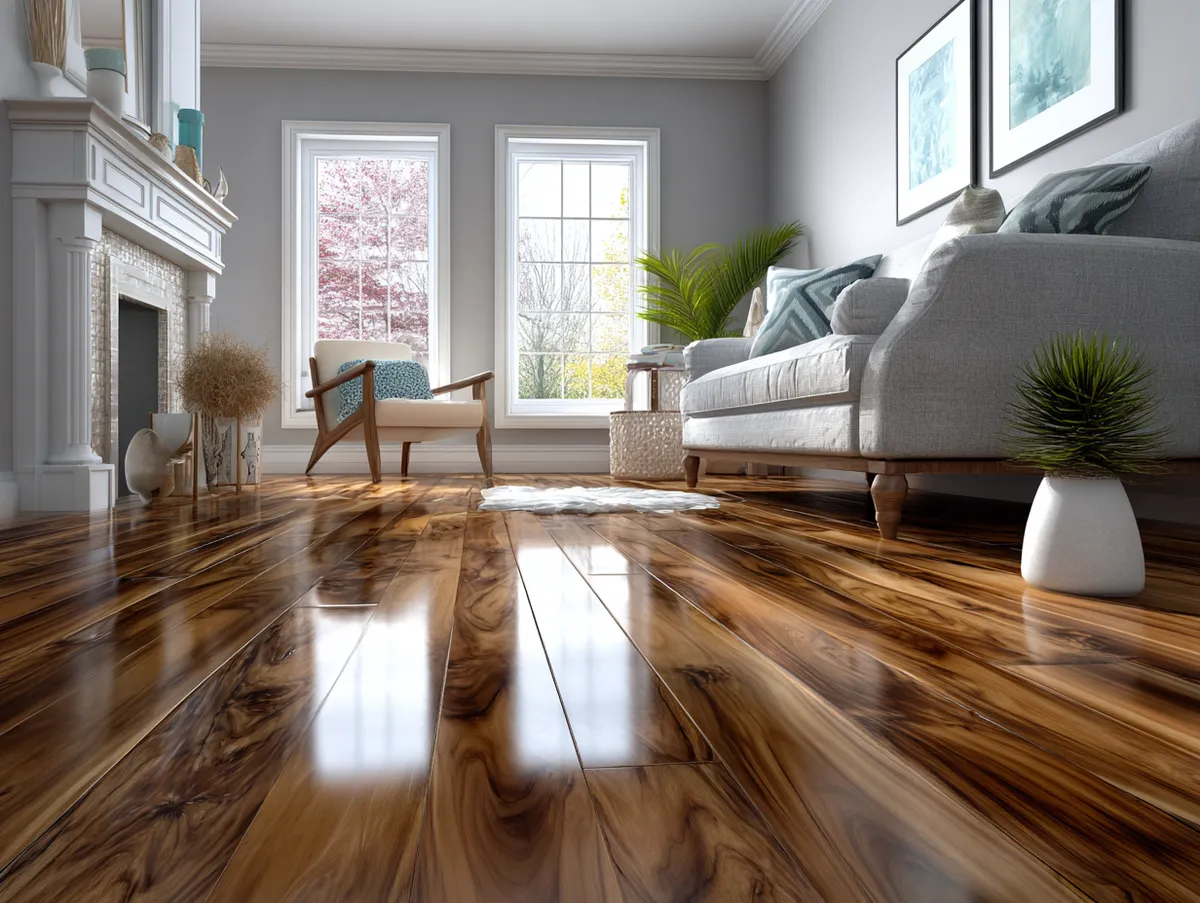
Living rooms need durable, good-looking flooring that handles foot traffic, furniture moving, and general family life while staying attractive. These are the rooms people see, so they need to look good while still functioning like, you know, actual floors.
Engineered hardwood is the MVP here. Looks great, handles normal foot traffic without falling apart, and you can refinish it when it eventually gets beat up. It’s also way more stable than solid hardwood – won’t expand and contract like crazy when humidity changes. Plus it bumps up your home value and never looks dated.
If you’re watching your budget, quality laminate does the job just fine. Modern laminate looks surprisingly realistic, handles scratches and wear better than hardwood, and costs significantly less. The main limitation is you can’t refinish laminate – once it’s worn, it’s done.
Carpet creates comfort and warmth in living rooms used primarily for relaxing. It’s soft underfoot, provides sound dampening, and works great in colder climates.
4. Bedroom Flooring for Comfort
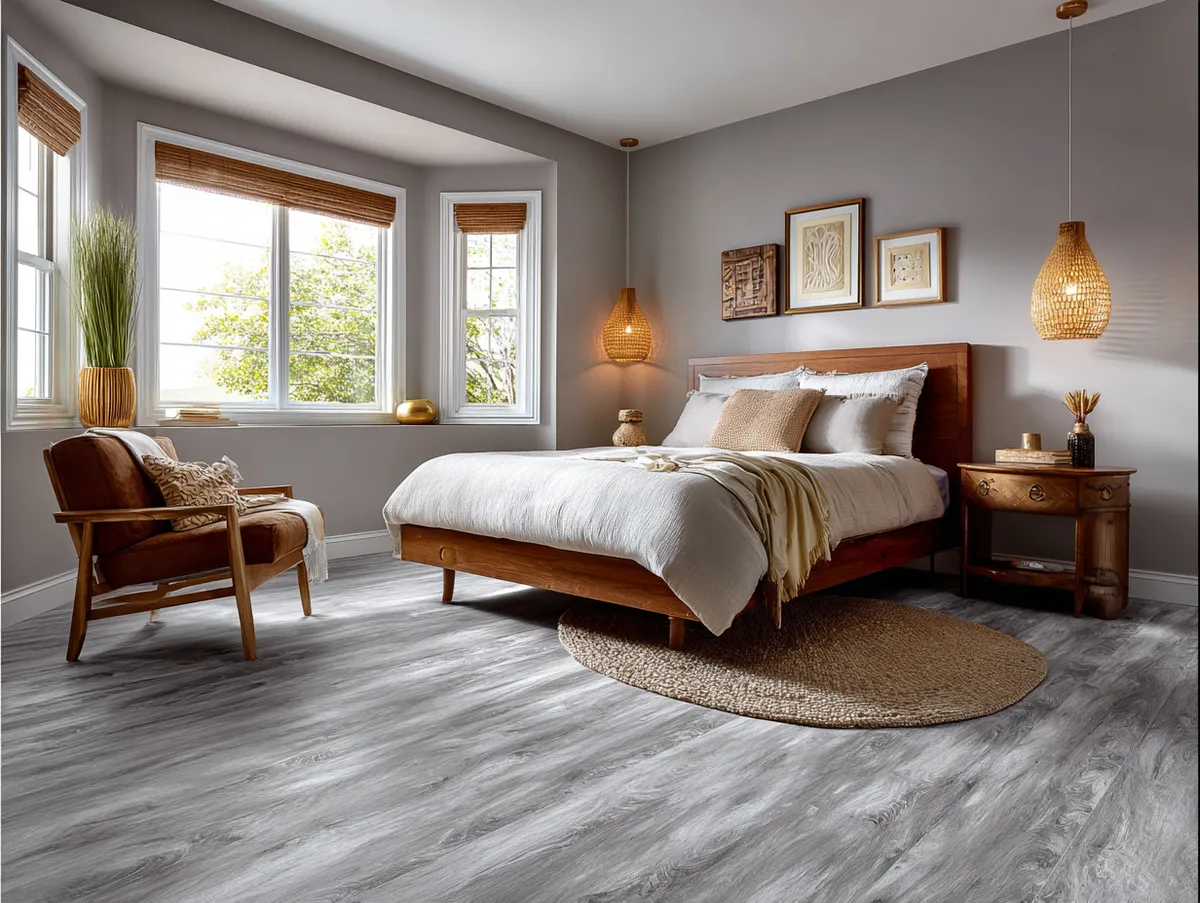
Bedrooms are low-traffic, low-moisture spaces where comfort matters most. You’re walking barefoot, rolling out of bed first thing, and generally wanting soft, quiet surfaces.
Carpet is king in bedrooms. It’s warm, soft, quiet, and feels great on bare feet. Bedrooms don’t need the durability required elsewhere, so carpet’s weaknesses matter less here. Plush or frieze styles work particularly well, adding a luxury feel to primary bedrooms.
Hardwood or engineered wood brings a clean, sophisticated look to bedrooms while staying practical. Area rugs beside the bed add warmth and comfort where you need it. Wood floors in bedrooms work great for allergy sufferers who want to minimize dust and allergen accumulation.
5. Hallway and Entryway Flooring
Hallways and entries take tremendous abuse from foot traffic, outdoor dirt, moisture tracked in, and general wear. These spaces need seriously durable flooring that handles heavy use while transitioning well between rooms.
Porcelain tile or LVP top the list for entries. They handle water, dirt, and traffic without showing wear. They’re easy to clean – crucial for areas where outdoor muck gets tracked in constantly. Tile especially works great for mudroom-style entries where boots and wet coats are the norm.
Hardwood in entries requires commitment to maintenance. It’ll show scratches and water damage more than anywhere else. If you go this route, use extra-durable finishes and commit to regular refinishing. Area rugs inside entries protect floors from the worst abuse.
Making Final Decisions
Think about your lifestyle honestly when choosing flooring. Got kids? Pets? A house that feels like Grand Central Station? Go for durability and don’t worry too much about making it look like a magazine spread. Your floors need to survive real life. Empty nesters or child-free folks can go full luxury mode since nobody’s dragging muddy cleats across the living room.
Be honest about maintenance. Will you actually reseal those cork floors every year, or are you the type who’ll realize three years later you were supposed to be doing something? Some floors are high-maintenance relationships. Others you can basically ignore forever.
Yes, budget matters. But that cheap flooring falling apart in five years? You’ll spend more replacing it than if you’d just bought decent stuff to begin with.