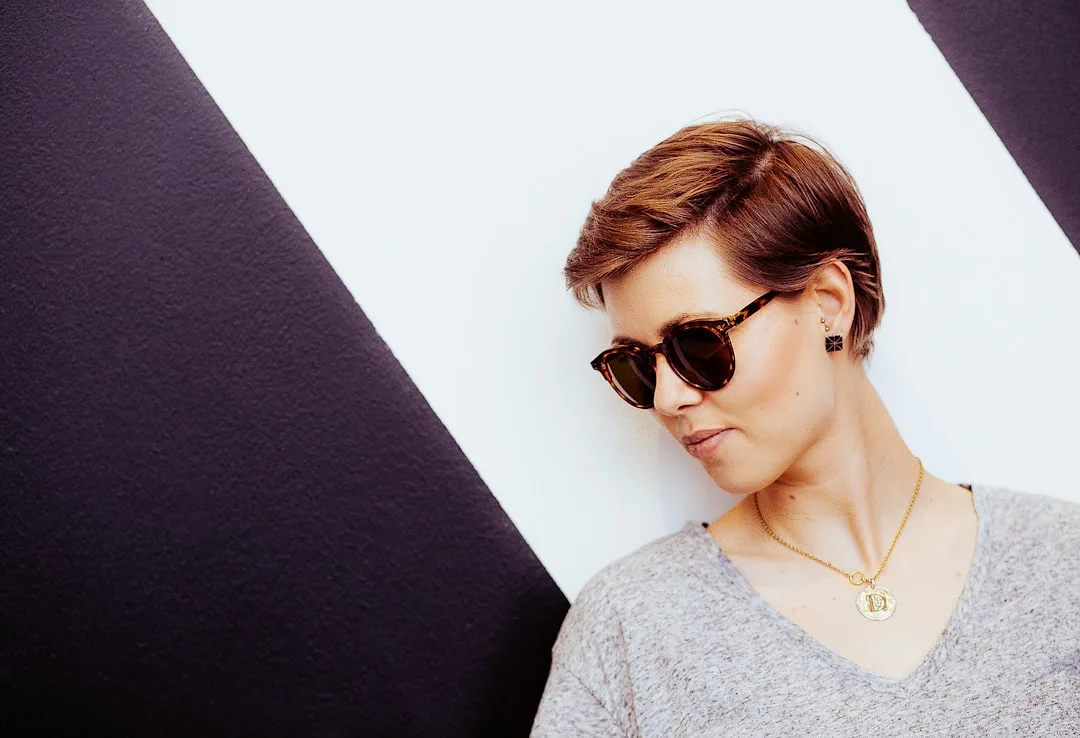
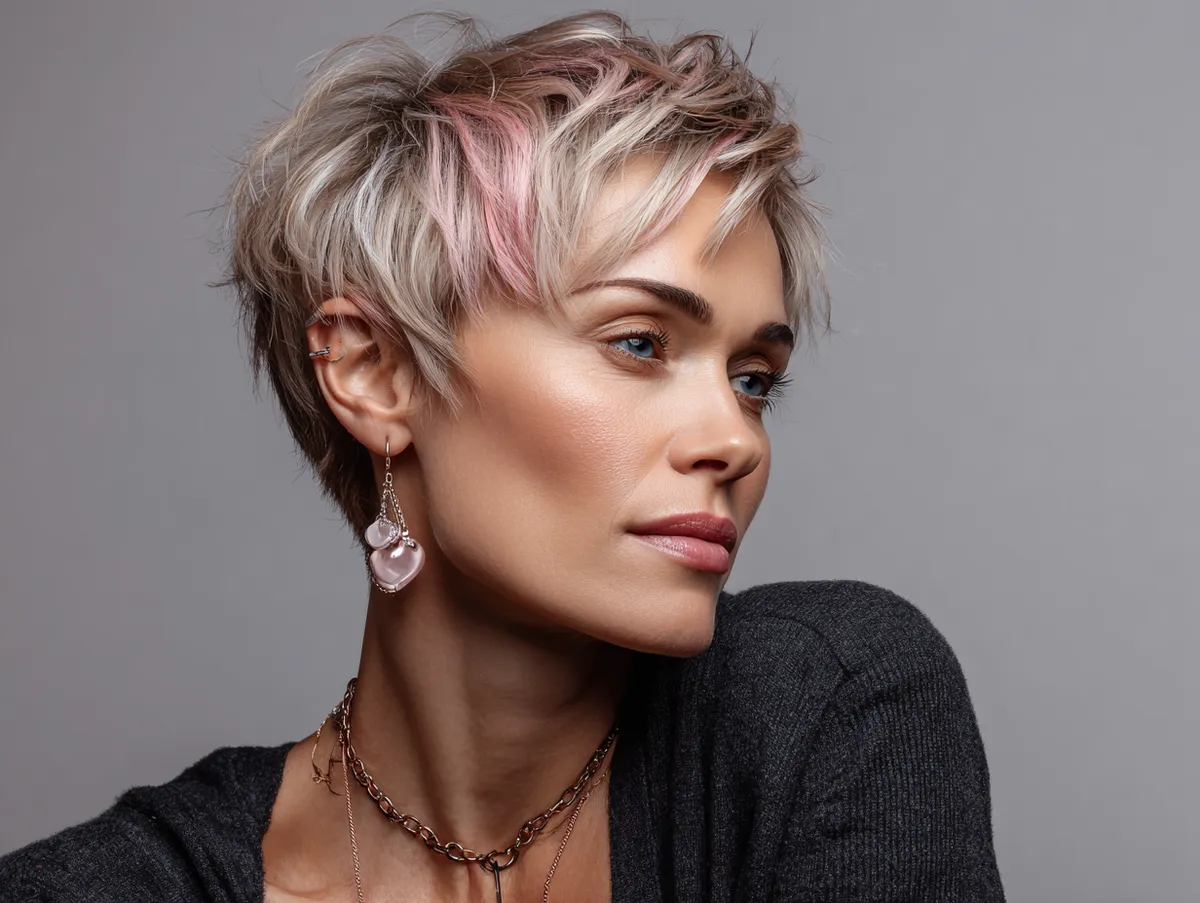
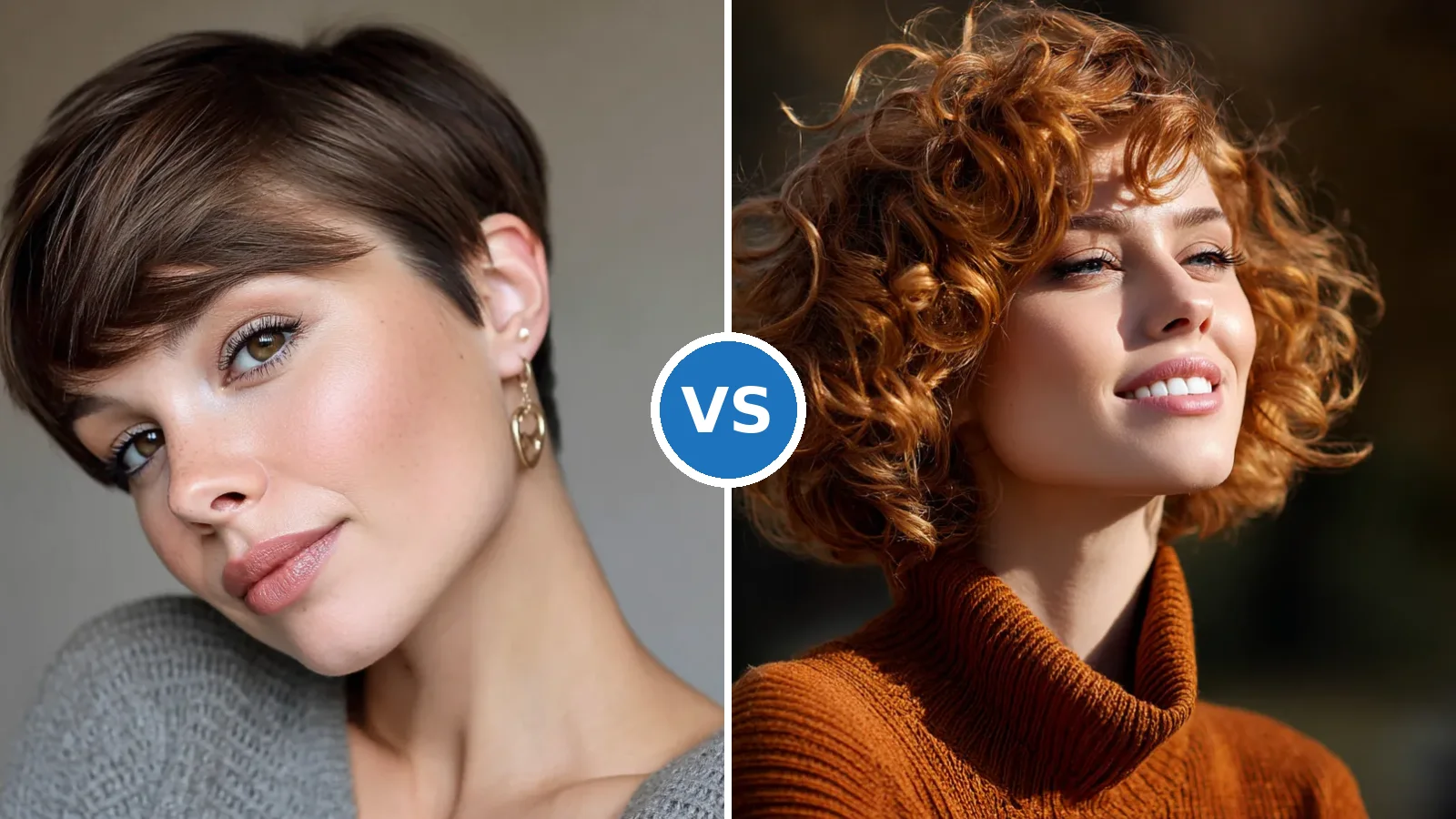
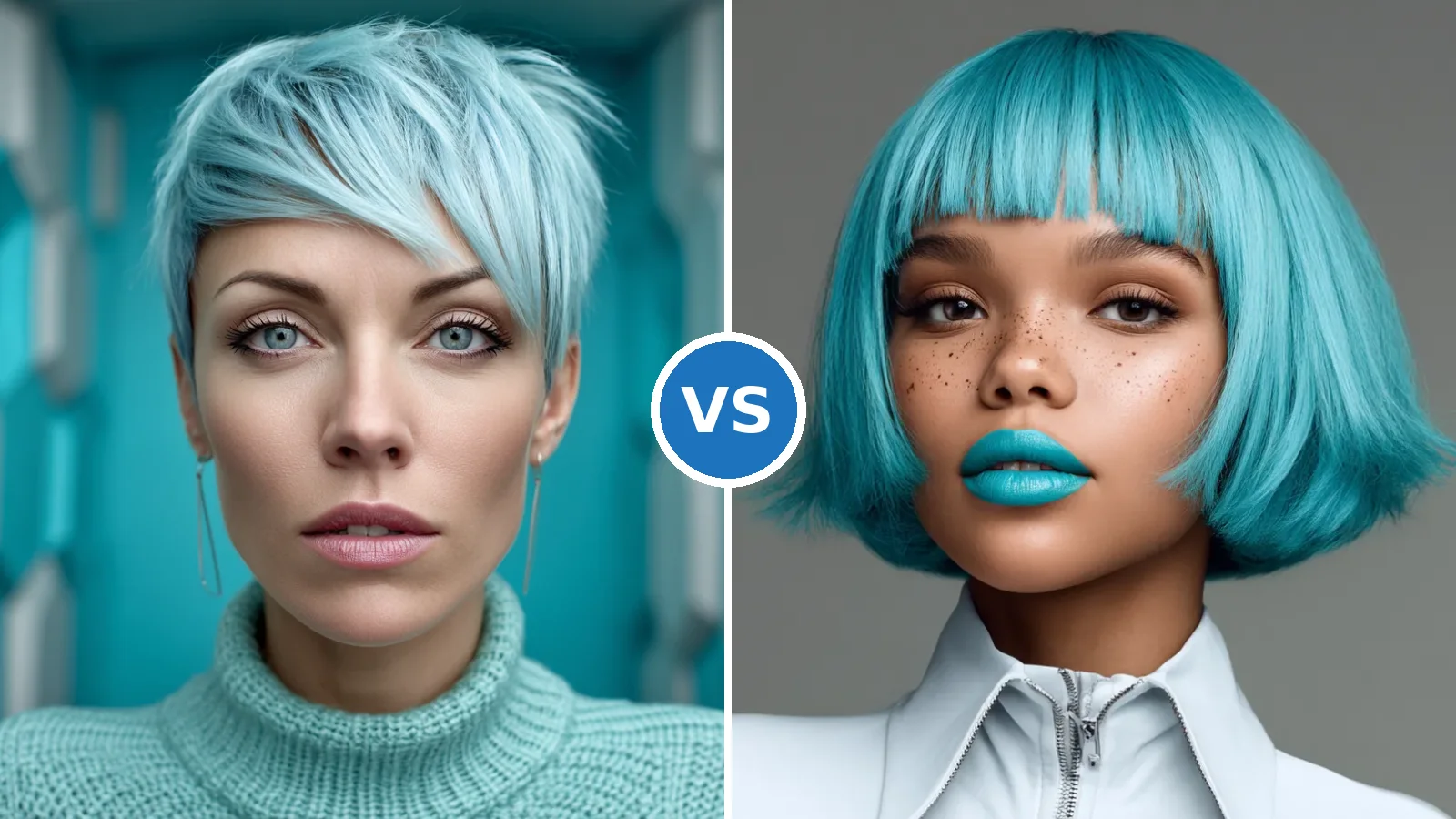
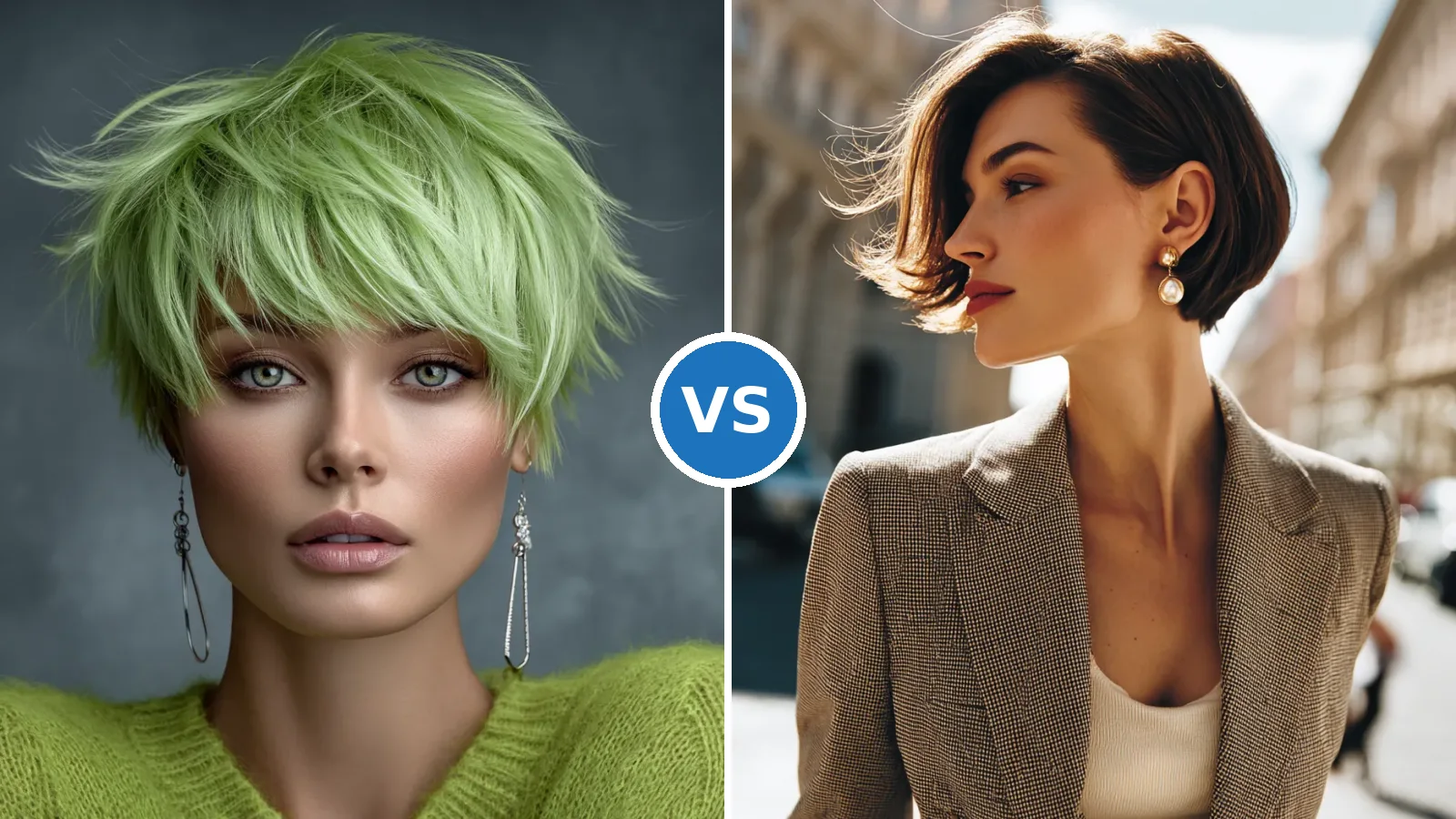
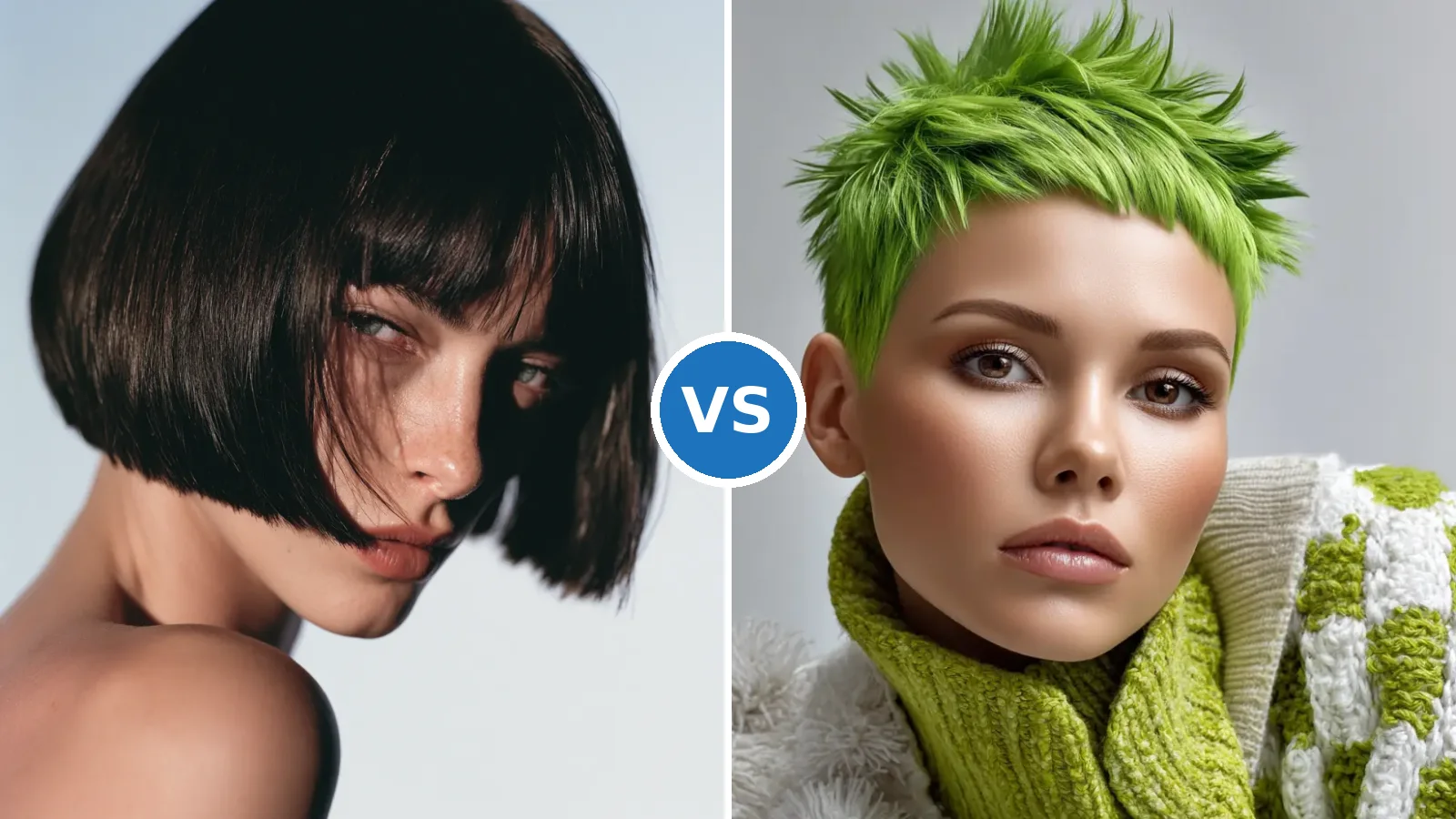
A korean pixie cut in soft blonde is a study in precise understatement — short enough to show off bone structure, light enough to read as effortless rather than severe. The cut itself sits shorter at the nape, carries soft layers through the sides, and finishes with face-framing details that soften everything a blunt pixie would harden. Paired with a warm or cool blonde, those layers don’t just add movement — they catch light in a way darker tones physically can’t.
Stylists note that the combination works across more face shapes than most people expect — oval, round, heart-shaped, and square can all carry this cut when the layering is calibrated correctly. The trick is in how volume sits at the crown versus how the sides taper, and that balance shifts with each variation below. Blonde amplifies each of those structural decisions, making the architecture of the cut visible in a way that makes the whole result feel intentional.
Three distinct versions of the soft blonde korean pixie cut dominate search right now: the textured layered cut, the sleek side-swept bangs version, and the tousled highlighted style. Each one answers a different question about what a short haircut should do for you. The comparisons below will help you land on the right one before you sit down in the salon chair.
– The korean pixie cut pairs three distinct cuts with soft blonde: textured layers, sleek side-swept bangs, and tousled highlights — each with a different maintenance rhythm
– Trim frequency sits at every 4–6 weeks regardless of variation; skip the window and the shape collapses faster than with any longer cut
– Soft blonde highlights on short hair run $60–$150 for a partial application at most US salons
– Side-swept bangs suit more face shapes than any other pixie element — especially heart and square faces
– Fine hair benefits most from the textured version; thicker hair carries the sleek version without fighting back
Textured Layers Give a Korean Pixie Cut Its Dimensional Pull
The textured layered version of the korean pixie cut works by stacking shorter and longer sections so that no single length dominates — the result is a cut that reads as fuller than it technically is. For fine hair especially, this structural illusion is the whole point: stylists use precision layering to create the appearance of density without adding weight. The layers at the crown sit slightly longer to hold volume upward, while the pieces framing the face fall softer, tapering rather than cutting off.
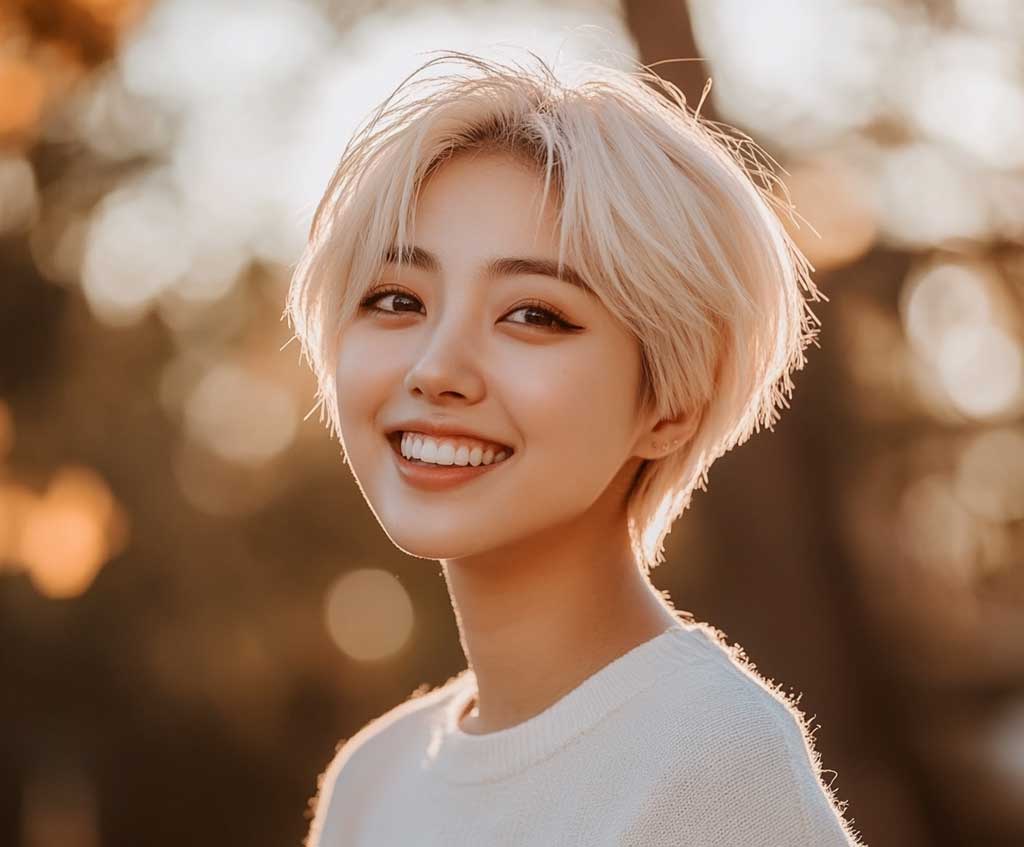

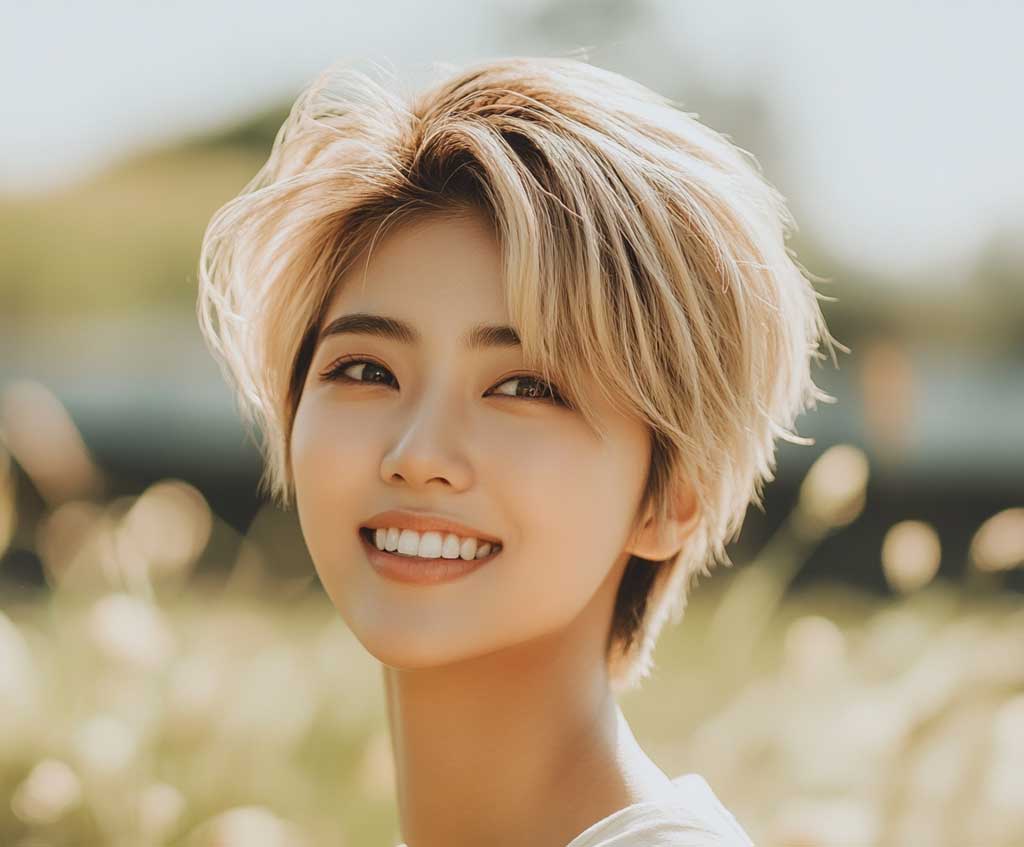

Soft blonde in this context functions as a kind of internal highlighter — it reveals the movement between layers in a way a dark base color hides. Ask yourself what the texture is actually doing: each layer lands at a slightly different angle, catching light differently. The blonde amplifies that interplay so the layers look alive rather than stacked. This is why a darker base on the same cut can read as flat even when the actual architecture is identical.
Maintenance here means two things running in parallel. First, shape-up appointments every 4–6 weeks — any longer and the layers grow out into each other, losing the separation that makes the whole cut work. Second, product discipline at home: a lightweight texturizing spray applied at the roots after blow-drying keeps the volume honest without adding visible residue. Oribe Dry Texturizing Spray ($52 at oribe.com) is a frequent professional recommendation for fine blonde hair precisely because its Zeolite Crystallines lift without deposit.
What doesn’t work here is heavy pomade or smoothing balm on the top sections — those products flatten the crown and defeat the entire point of the layering. If you want hold, work it through the lower sections only and leave the crown alone after the blow-dry lifts it. The long pixie haircut in ash blonde follows similar layering logic if you’re not ready to go fully short yet.
Reaching for a flat iron every morning on a textured layered pixie removes the entire structural benefit. The textured version is designed to be shaped with heat only at the roots (lifting) and at the fringe (bending); running a flat iron through the top kills the volume the cut spent its precision creating. If sleek is what you actually want, the side-swept version below is a more honest match.
Side-Swept Korean Pixie Cut Bangs Frame Without Committing to Full Fringe
The side-swept version of the korean pixie cut with bangs positions a soft curtain of hair across one side of the forehead — not the full-density fringe of a traditional pixie, but a directional sweep that draws attention to the cheekbones and eye line simultaneously. Stylists note this approach suits heart-shaped and square faces particularly well because it interrupts the face’s natural geometry with a diagonal rather than a horizontal line. The diagonal is softer and creates movement where a horizontal fringe would sit static.


A side-swept pixie haircut in Korean style relies more on the blow-dry technique than the cut itself — the direction of the sweep is set with heat and a round brush, bending the fringe section toward the face rather than away from it. A light-hold serum applied to the bangs while damp locks in the direction without leaving a crunchy finish. Shine serum on the blonde also matters here: the sleek finish on this variation reads more polished and less casual than the textured version, so the color needs to look healthy, not dull.
Why does this version hold its appeal long after the initial cut? Because the bangs can be pinned back when you want a completely different profile on the same cut, or pushed forward on days when they’ve grown slightly past their intended length. That flexibility is genuinely rare in a short haircut. Most pixie elements only look right within a narrow window — side-swept bangs work across a 2–3 week growth span before they need touching up. Schedule a refresh every 6 weeks rather than 4 if you keep the nape tight and let the fringe direct itself slightly longer.
The broader landscape of adding highlights to korean short hair pairs naturally with this version — face-framing foils placed specifically at the swept section amplify the diagonal and make the movement visible even in low light. Partial highlights for a short cut like this run $60–$150 at most US salons according to Professional Beauty Association pricing surveys, and the face-framing placement requires significantly fewer foils than a full head.
Tousled Soft Blonde Korean Pixie Cut with Highlights for Low-Effort Dimension
The tousled version of the korean pixie cut with subtle highlights operates on a different logic than the previous two — it’s the one where the hair is meant to look like you didn’t try, even when you did. Subtle highlights placed through the blonde base create a multidimensional effect where individual strands catch light differently from their neighbors. The result looks like sun-kissed texture rather than salon color, which is the point. Balayage or hand-painting is the standard application method for this effect on short hair because it follows the natural fall of each layer rather than placing foils uniformly.


The styling routine for this version is deliberately minimal — work a small amount of texturizing cream through damp hair, let it air-dry or use a diffuser for 3–4 minutes, and stop there. The tousled finish comes from not overworking the hair. Blow-drying to perfection then trying to add texture afterward produces a different result entirely: you get a puffed-up volume that reads as styled rather than effortless. The tousled pixie is one of those cuts where doing less produces a better outcome than doing more, which is counterintuitive for anyone used to styling longer hair.
Where this variation runs into maintenance complexity is the highlights themselves. Balayage on a short cut needs refreshing every 10–14 weeks depending on how fast the base grows in — the root line on a tousled pixie is closer to the highlighted sections than on long hair, so regrowth is more visible more quickly. Color-safe shampoo is non-negotiable here; regular sulfate formulas strip warm blonde tones in weeks and turn the highlights brassy. What’s the actual cost of getting this wrong? Toner appointments to correct brassiness run $25–$65 per session at most salons, which offsets any savings from skipping proper aftercare products entirely.
For further context on how Korean pixie cuts are actually constructed and what face shapes they suit, the team at Hongdae Hair Studio in Seoul breaks down the technical details salon by salon, including price ranges and stylist-level variations from a Korean salon perspective.
| Variation | Best For | Trim Interval | Key Risk |
|---|---|---|---|
| Textured Layers | Fine hair, oval/heart face | 4–5 weeks | Heavy product kills volume |
| Side-Swept Bangs | Square, heart face shapes | 5–6 weeks | Blow-dry direction sets the whole look |
| Tousled Highlights | Most hair types, low-styling preference | 4–6 weeks + color refresh | Brassiness without color-safe care |
The Short Version
A Korean pixie cut in soft blonde earns its keep in the shape, not just the color
Trim frequency of 4–6 weeks is non-negotiable — let the schedule slip and the cut’s architecture dissolves faster than with any longer style.
Partial highlights on a short cut run $60–$150 at most US salons, and the face-framing placement requires far fewer foils than a full head.
Match the variation to your actual styling habits: textured for low-heat mornings, sleek side-swept for structure, tousled for deliberate underdoing. Save this post before you book the appointment.