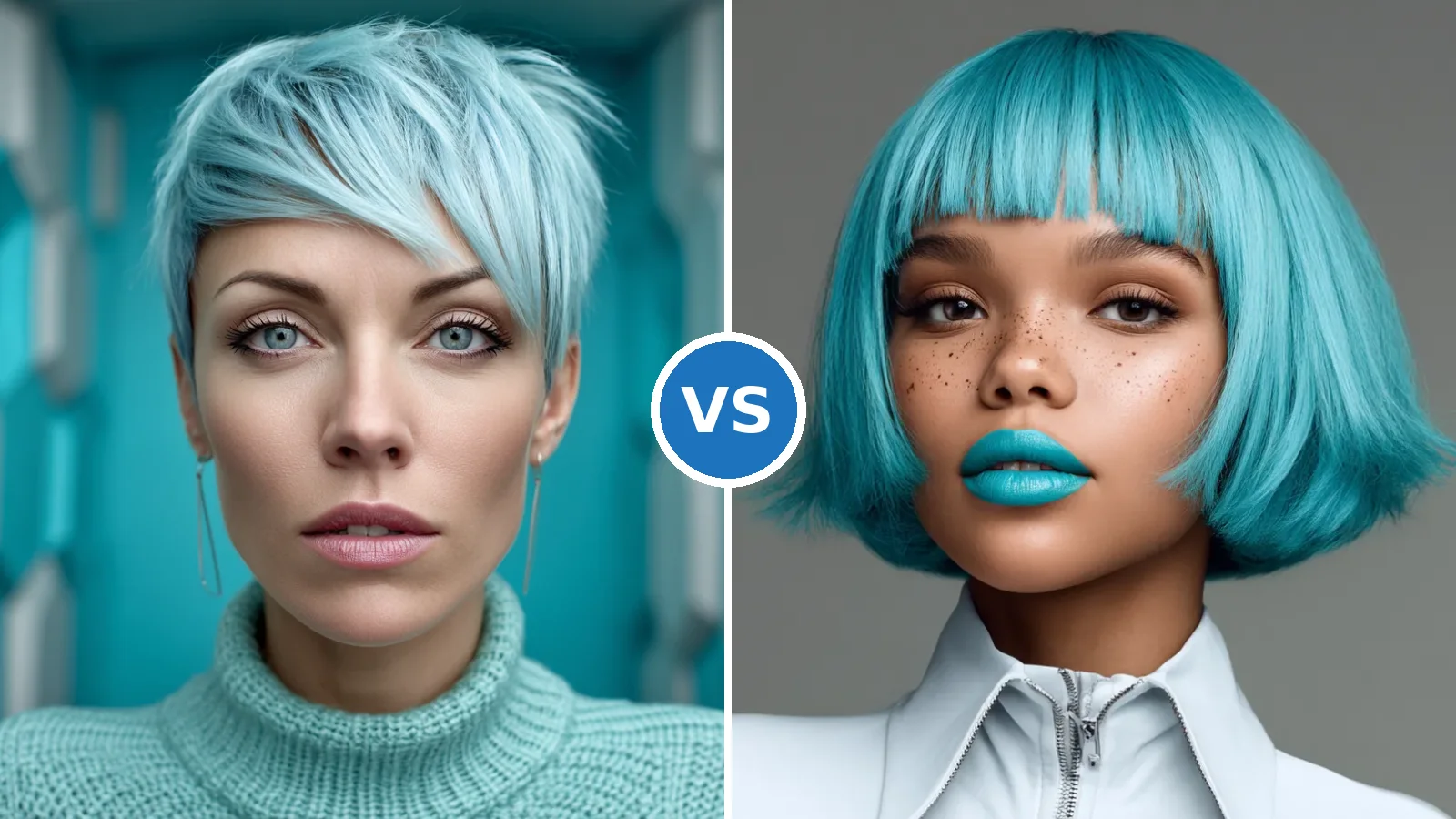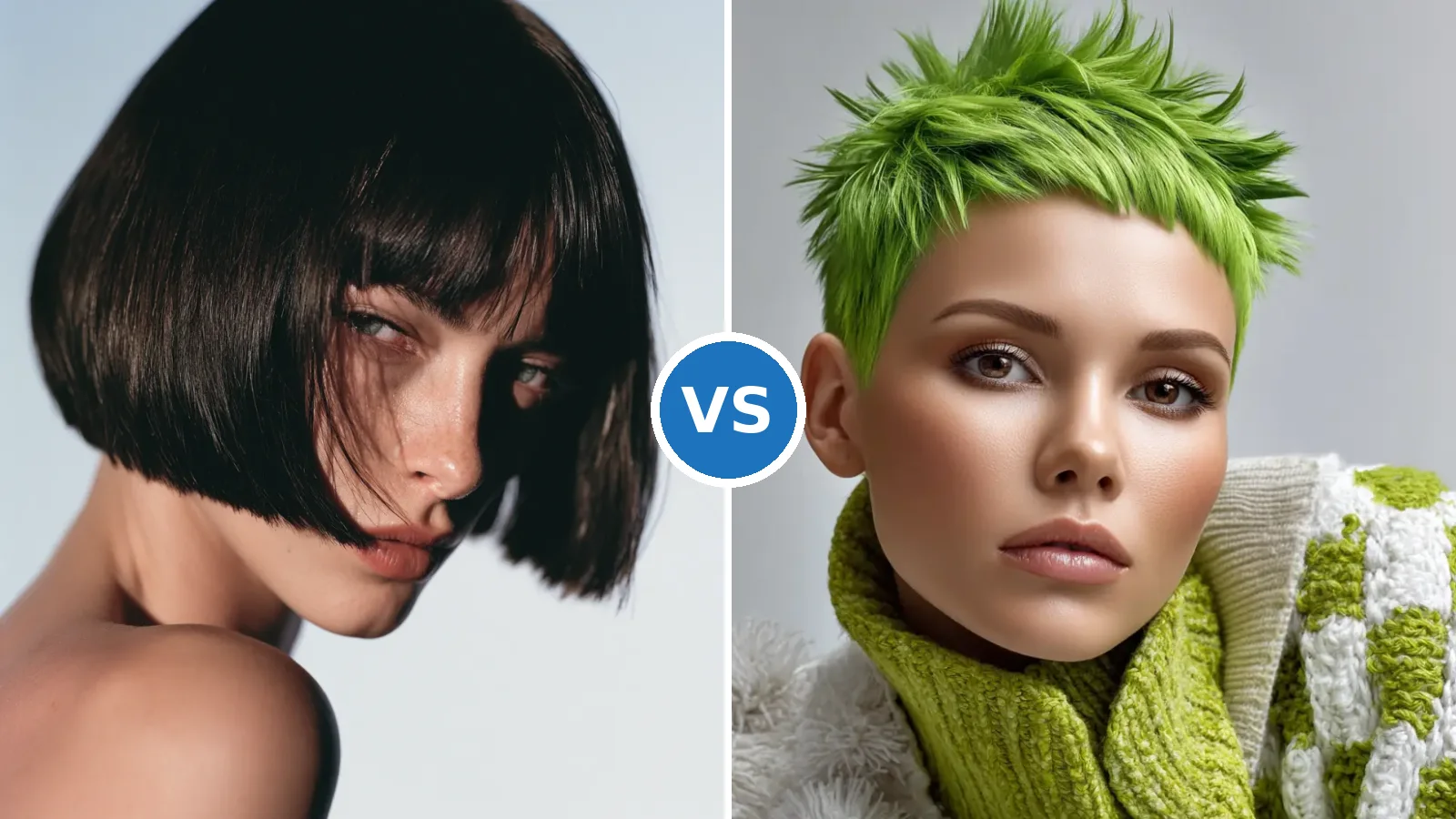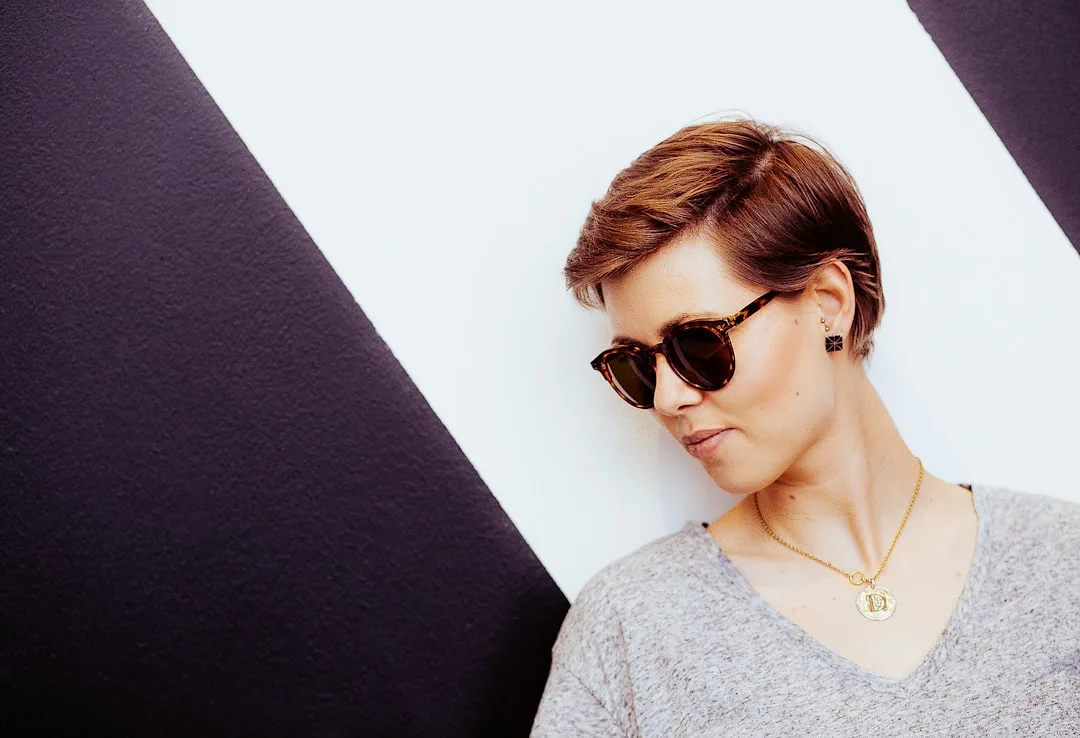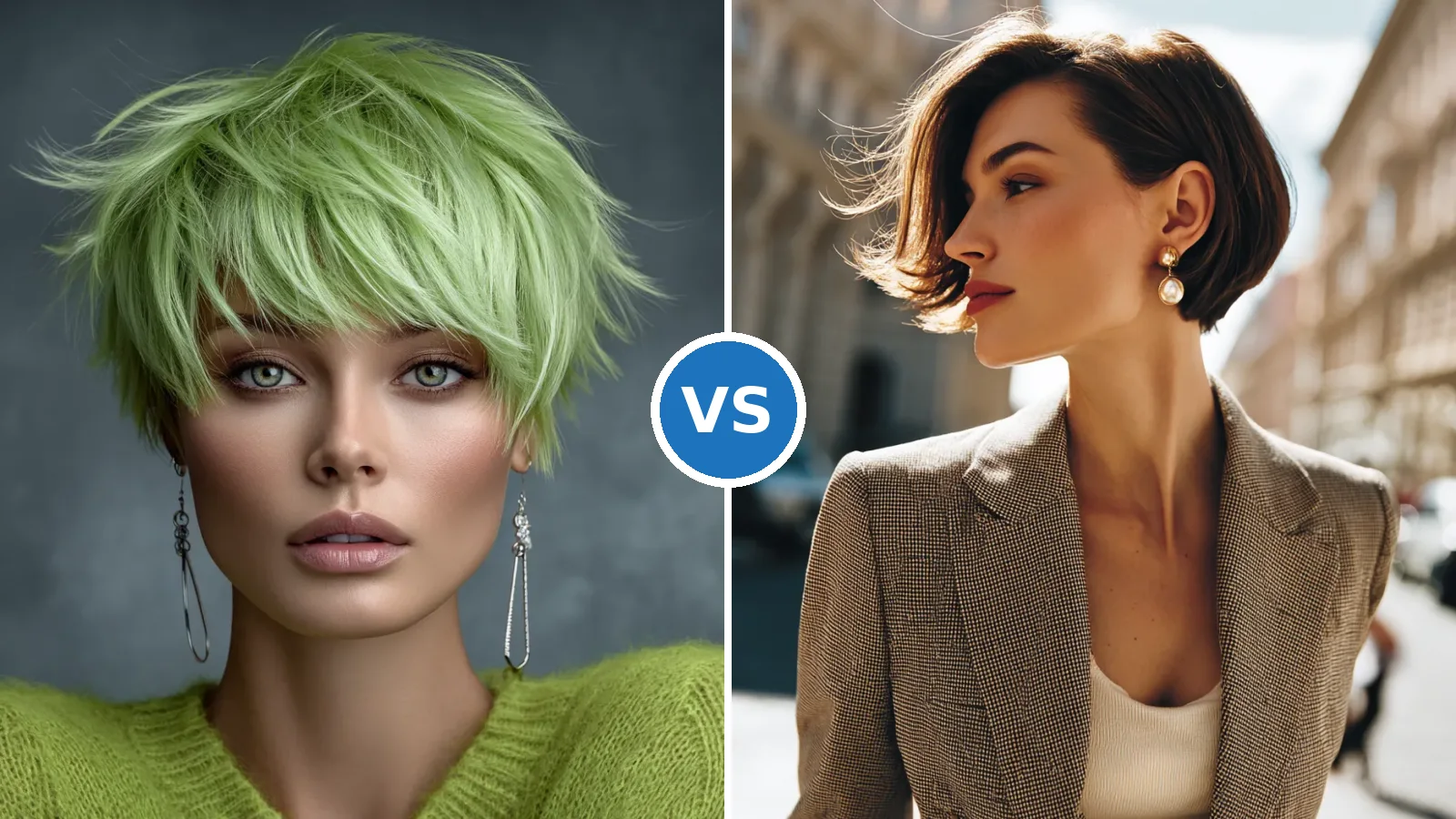
You’re standing at a crossroads between two very different silhouettes. When choosing a shaggy pixie cut vs wedge haircut, you’re weighing two distinct philosophies. A shaggy pixie cut offers piecey layers, dimensional color, and a mood that shifts from polished to playful depending on how you style it.
A wedge haircut brings refined geometry, predictable flattery, and a shape that works across hair textures and face types without demanding experimentation. The shaggy pixie cut suits creative professionals and anyone hungry for a statement; the wedge haircut serves those seeking balance, approachability, and quiet confidence.
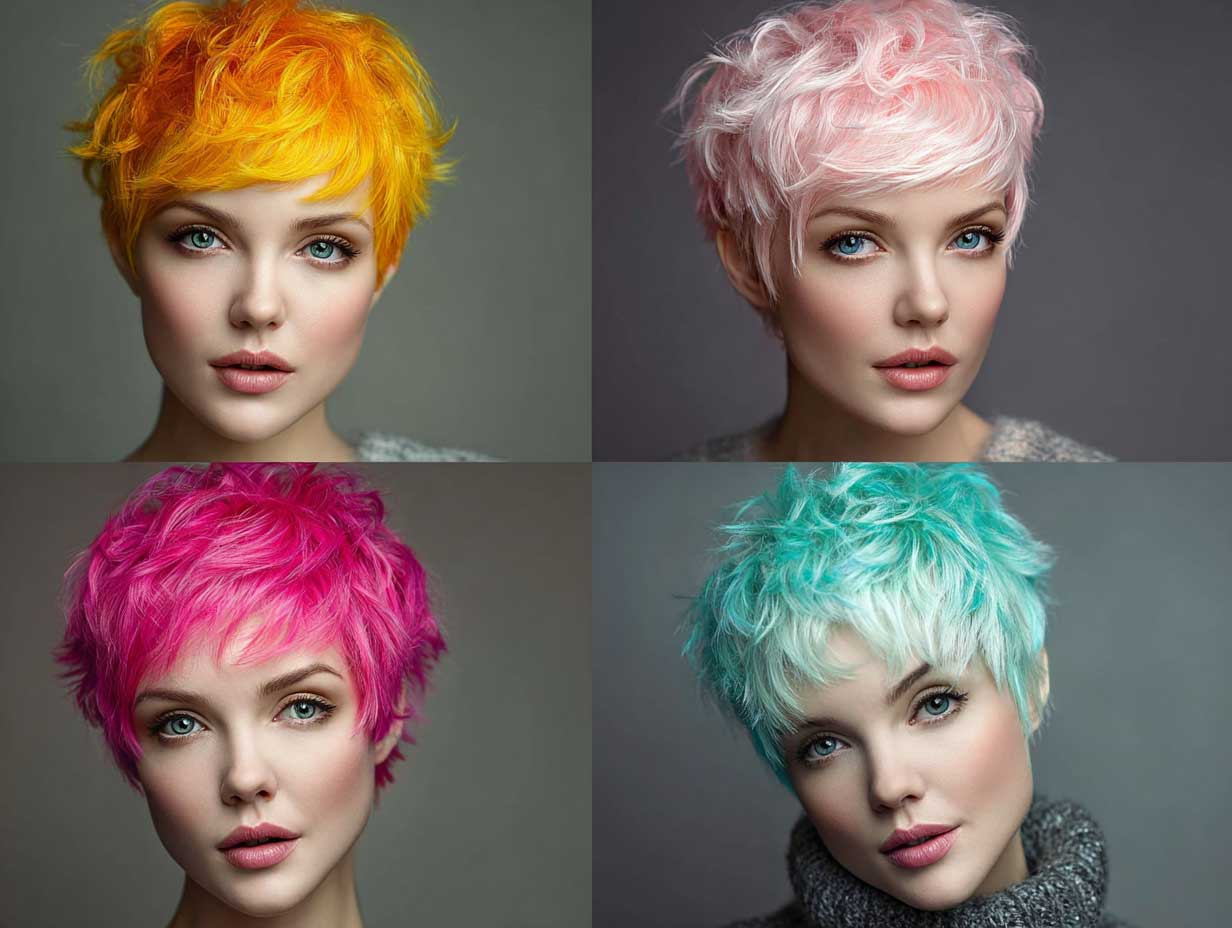
Understanding the structure of each shaggy pixie cut vs wedge haircut
The shaggy pixie cut is built on rebellion. It uses feathered, uneven layers that taper at the edges and lift outward, creating a broken-up silhouette with organic airiness. The crown, sides, and fringe work together to either emphasize height, volume, or asymmetrical drama—depending on where the stylist places emphasis.
The wedge haircut, by contrast, is engineered precision. Its foundation relies on stacked layers at the back to build volume and height, while the front tapers into angled lengths that frame the face. The result is inherently balanced geometry that flatters both profile and face shape.
One cut thrives on intentional imperfection; the other on intentional structure. Neither approach is objectively better—they serve completely different design philosophies.
Quick Verdict
- Choose the shaggy pixie cut if you love experimental color, embrace textured styling, and want a personality-driven look.
- Choose the wedge haircut if you value easy polish, need a shape that flatters immediately, and prefer structured reliability.
- Shaggy pixie wins on impact and creative flexibility.
- Wedge wins on ease and universal flattery.
- Consider your lifestyle: high-energy, artistic professionals often gravitate to the pixie; those balancing work, family, and social events often prefer the wedge.

How styling demands and daily maintenance compare
The shaggy pixie cut requires active participation in styling. You’ll need a root-lifting mist, fingers (not a brush) for blow-drying to keep texture piecey, and a clay or texturizing cream pressed into sections to define separation. The cut looks best when slightly imperfect, which means you’re aiming for controlled messiness each morning.
The wedge haircut is more forgiving. A small amount of volumizing spray at the roots and a gentle blow-dry with a round brush create a polished result. Even minimal styling produces an intentional, finished appearance because the wedge’s graduated structure does the heavy lifting for you.
If you enjoy hands-on grooming and see styling as part of your self-expression, the shaggy pixie cut rewards that effort. If you prefer a cut that looks intentional with minimal fuss, the wedge haircut wins.
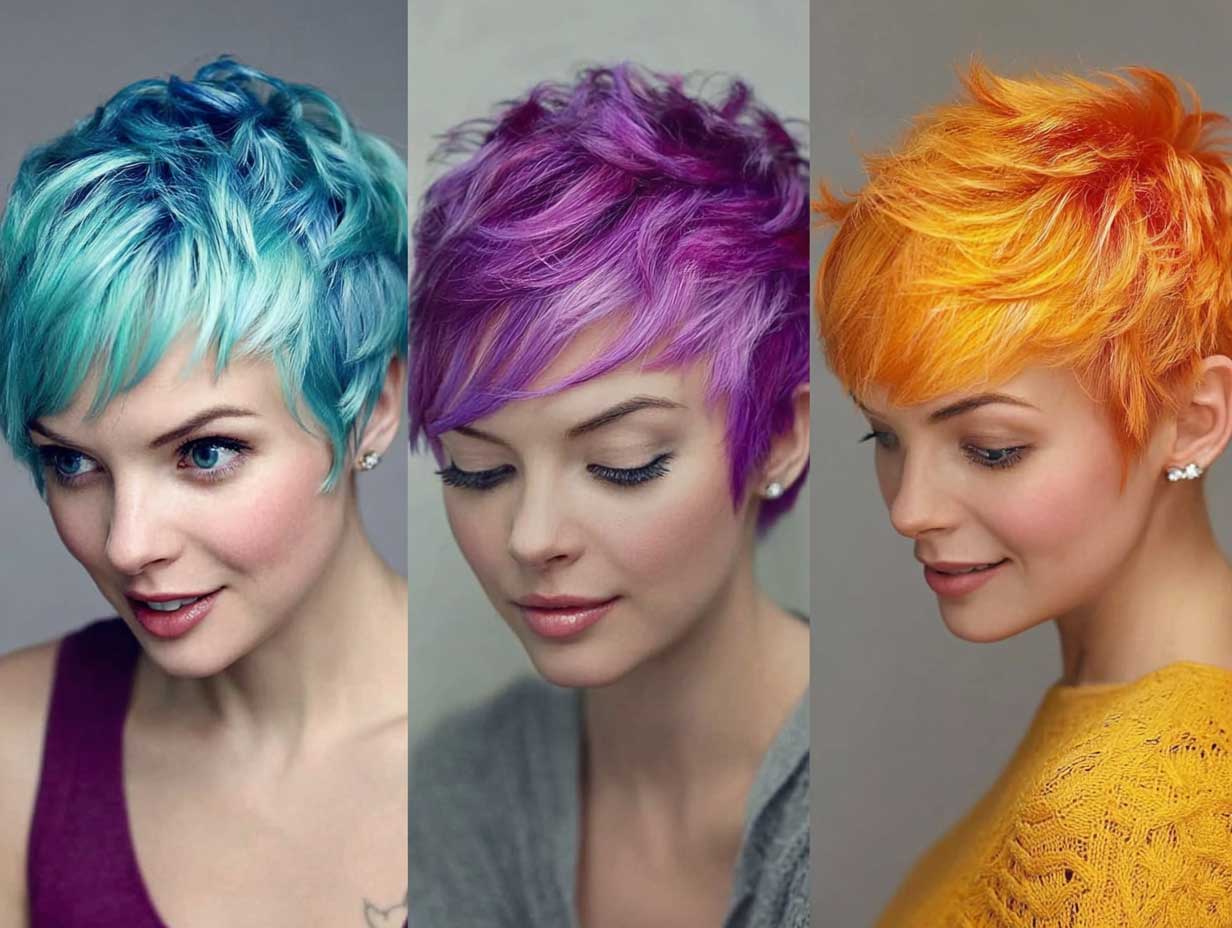
Side-by-side comparison of fit, color, and personality impact
| Criteria | Shaggy Pixie Cut | Wedge Haircut |
|---|---|---|
| Color flexibility | Thrives with bold, dimensional tones (raspberry red, sky blue, lime green); color adds visual movement to layers | Works beautifully in warm (golden blonde) and rich (chestnut brown) naturals; enhances silhouette without dominating it |
| Styling time | Daily styling with texturizing cream and finger placement required to look intentional | Minimal styling; volumizing spray and round brush create polish with less daily effort |
| Volume placement | Flexible; crown, sides, or top can be customized during cutting depending on desired emphasis | Preset: stacked layers at back create consistent height; geometry does the work for you |
| Face-framing ability | Asymmetrical fringe, side-swept layers, and tapered edges offer custom framing options | Angled front pieces frame face naturally; flatters most face shapes without adjustment |
| Personality vibe | Artistic, bold, experimental, confident in standing out | Elegant, approachable, refined, quietly confident |
| Trim frequency | More frequent trims needed to maintain piecey structure and prevent shapelessness | Every 6–8 weeks; shape remains flattering even as it grows out |

Where the shaggy pixie cut wins
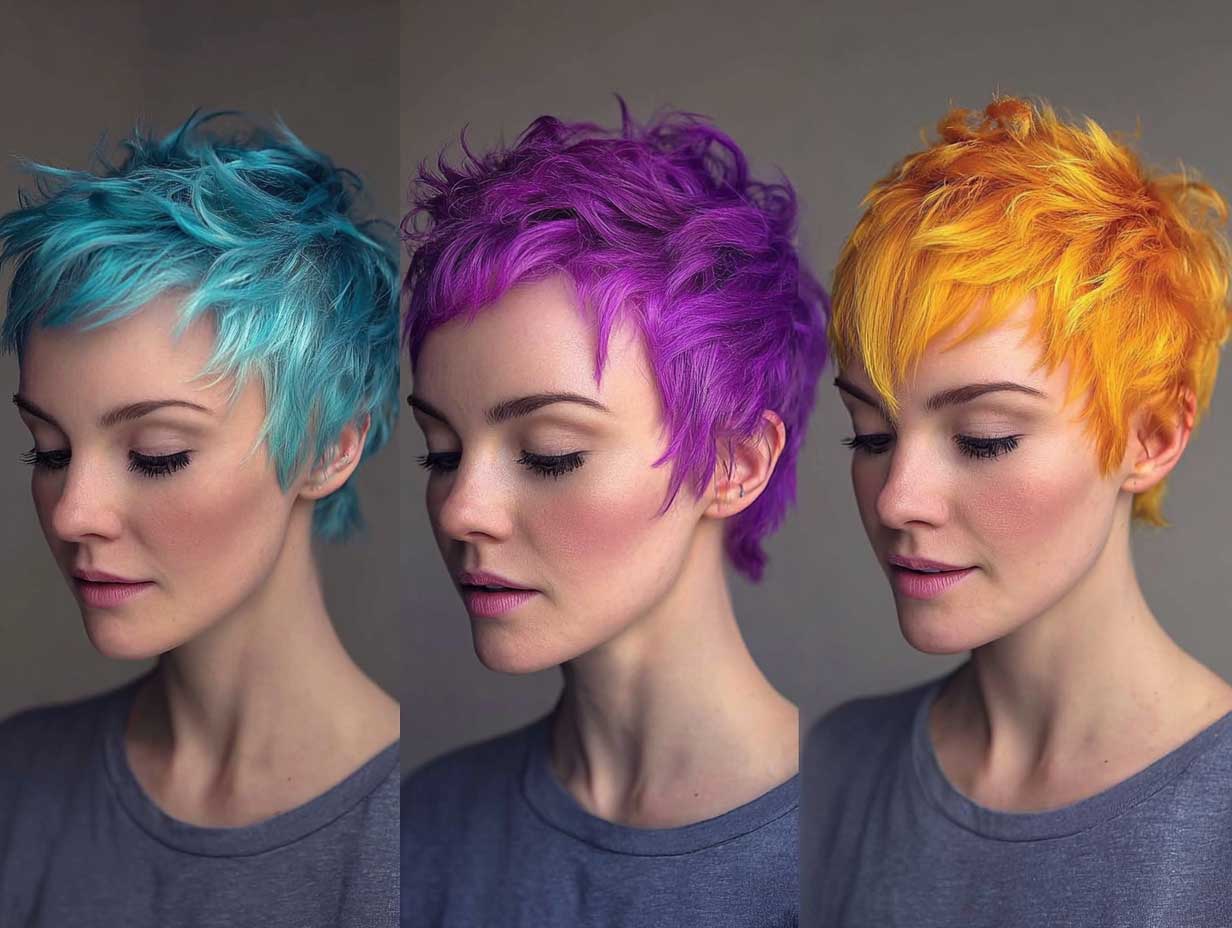
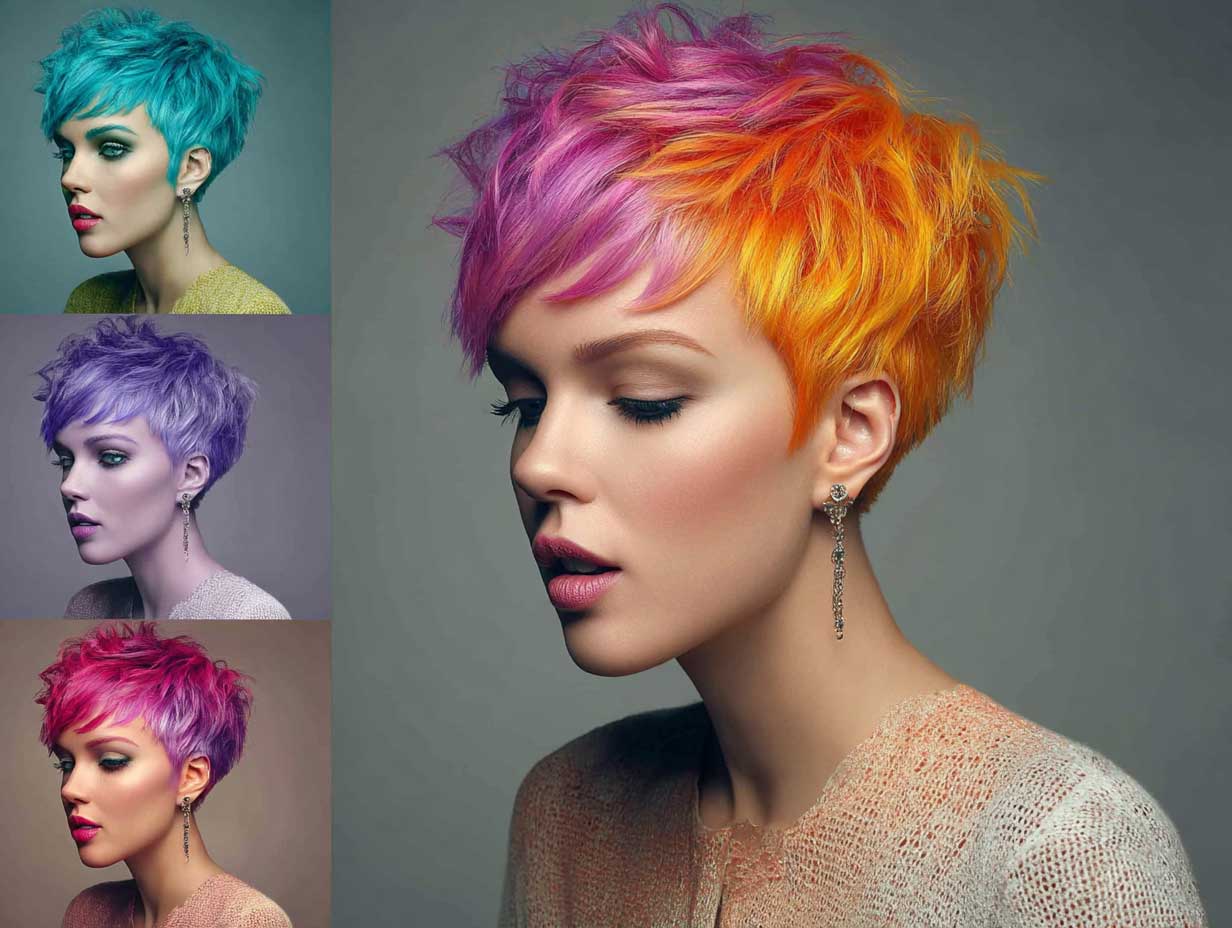
The shaggy pixie cut dominates on creative expression. It invites bold color choices—raspberry red, sky blue, lime green—that transform the cut into living artwork. Each tone reveals depth across layers, catching light differently depending on your movement and the environment.
It also wins on adaptability within its own category. Whether you want textured side layers, a cropped crown with volume, or a wispy asymmetrical fringe, the shaggy pixie cut can shift its personality dramatically while maintaining its core identity. You’re not locked into one look.
For anyone in creative fields—styling, art, fashion, music—this cut signals that you understand how hair can be a medium for identity. It rewards people who enjoy frequent grooming and see styling as a form of play, not obligation.
Where the wedge haircut wins
The wedge haircut wins decisively on universal flattery and ease. Its angled geometry naturally enhances facial features—drawing attention to eyes and cheekbones while adding subtle lift at the crown—without requiring a custom approach for each face shape.
It also wins on sustainability across seasons and growth stages. Even as the soft wedge haircut grows out, it retains its flattering outline thanks to its gentle graduation. You don’t watch your investment in cuts deteriorate between trims.
For busy professionals, parents juggling schedules, or anyone who values a polished appearance without high daily effort, the wedge haircut delivers quietly. It works equally well in office settings, casual weekends, and social events. It conveys warmth and approachability without feeling ordinary.


The biggest mistake — ignoring your actual styling commitment
The most common error people make when choosing between these cuts is selecting based on how they look in photos rather than how much time they’re willing to invest daily. Someone falls in love with a shaggy pixie cut’s visual impact, gets the cut, then realizes they don’t actually enjoy (or have time for) texturizing creams and finger-styled blow-dries every morning.
Conversely, someone chooses a wedge haircut expecting it to require zero effort, then gets frustrated when it needs regular trims and appropriate products to maintain its crisp shape. The wedge isn’t zero-maintenance—it’s lower-maintenance.
Before committing, honestly assess your morning routine. Do you have 15 minutes for intentional styling, or do you need something that looks finished in 5? That answer matters far more than which cut photographs better.

Making your final choice between these cuts
Choose the shaggy pixie cut if your identity is tied to self-expression, color experimentation, and visible creativity. You thrive in environments where standing out is celebrated, you enjoy hands-on grooming, and you see your hair as a canvas. This cut suits you.
Choose the wedge haircut if you want a shape that works hard for you without demanding constant attention. You value elegance over boldness, prefer warm or rich naturals over experimental color, and appreciate knowing that your cut will flatter you from every angle. This cut is your foundation.
Both are excellent choices—they’re simply optimized for different lives and different values. Your decision should reflect not which cut is objectively better, but which one aligns with who you actually are and how you actually spend your mornings.