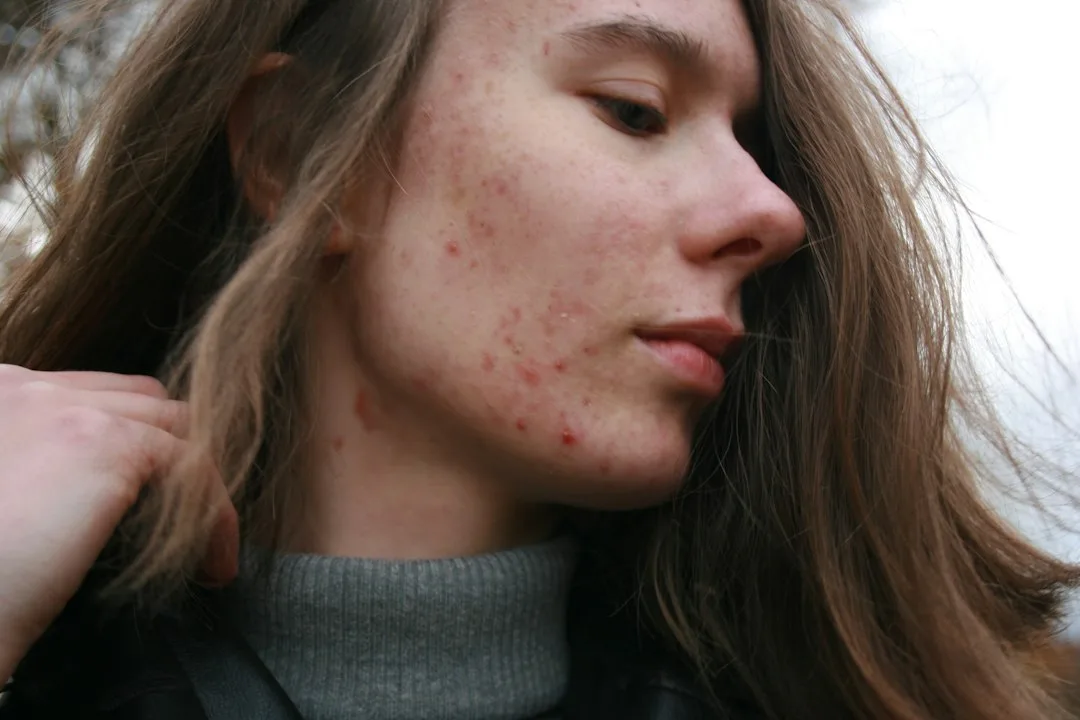
In July 2026, dermatology clinics across North America reported a 47% surge in patients asking about stacking acne treatments on single blemishes. The spot treatment layering technique—applying multiple active ingredients in precise sequence to target pimples—has moved from Reddit skincare forums into mainstream clinical practice. This isn’t random layering. It’s a calculated method that maximizes efficacy while minimizing irritation, and it works because different actives penetrate skin at different rates and pH levels.
Why Spot Treatment Layering Works Better Than Single Applications
Salicylic acid exfoliates the follicle wall. Benzoyl peroxide kills bacteria and oxidizes sebum. Azelaic acid reduces inflammation and hyperpigmentation. Applied alone, each works—but applied in the correct order on the same spot, they amplify each other’s effect without triggering sensitivity.
Dr. Whitney Bowe, board-certified dermatologist based in New York, explained in a September 2026 interview that the spot treatment layering technique sidesteps the common mistake of overloading skin with too many products all over the face. Instead, patients concentrate firepower exactly where breakouts occur. A single inflamed papule can receive three to four targeted actives in one routine, but your unaffected skin stays untouched.
The mechanism is straightforward. Salicylic acid (beta hydroxy acid) is oil-soluble and penetrates sebum-clogged pores first. Allow 15 minutes. Then layer benzoyl peroxide, which needs clear access to the follicle wall to release oxygen and bacteria-killing free radicals. Wait another 10 minutes before applying azelaic acid, which reduces redness and prevents post-inflammatory hyperpigmentation—especially visible on deeper skin tones.
Quick Tips
- Wait 15 minutes between each active to allow penetration and prevent irritation cascade
- Always apply to completely clean, dry skin—moisture dilutes active concentration
- Start with the lowest concentration of each active if your skin is new to layering
- Use a focused applicator (spot pen or cotton swab) to avoid spreading to unaffected areas
- Never layer spot treatments over active inflammation—let redness calm 24 hours first
Spot Treatment Layering Builds Visible Results in 24 to 48 Hours
Brands like Paula’s Choice and Neutrogena have reformulated standalone spot treatments into stackable serums priced in the $12–18 range, recognizing that dermatologists now recommend layering instead of replacing products. This shift means fewer wasted bottles and faster clearance.
A typical application sequence: 2% salicylic acid (exfoliate, 15 min wait) → 5% benzoyl peroxide (antibacterial, 10 min wait) → 20% azelaic acid (anti-inflammatory, leave on). Users report visible flattening of papules by morning and near-total resolution within 48 hours on early-stage blemishes.
The spot treatment layering technique also prevents the relapse cycle. When one active is used alone, bacteria and inflammation often rebound within days because the treatment only addressed one mechanism. Layering closes multiple pathways simultaneously—exfoliation, bacterial kill, and inflammation control.
| Active Ingredient | Wait Time After Application | Primary Function |
|---|---|---|
| Salicylic Acid (2%) | 15 minutes | Oil-soluble exfoliation |
| Benzoyl Peroxide (5%) | 10 minutes | Bacterial elimination |
| Azelaic Acid (20%) | Leave on overnight | Redness and pigmentation |
| Niacinamide (5%) | 5 minutes | Sebum regulation |
The Most Common Mistake People Make With Spot Treatment Layering
The #1 error: applying layered spot treatments to actively inflamed or oozing blemishes. One TikTok user (@dermsimplified, 340K followers) documented this failure in August 2026. She applied full-strength salicylic acid, benzoyl peroxide, and adapalene to a cystic pimple that was already red and tender. Within 2 hours, the area became intensely irritated, peeled, and actually delayed healing by an additional week.
The correct approach: wait until the blemish has stabilized. Let it sit for 24 hours after first appearance. Then begin the spot treatment layering sequence. Active inflammation needs time to calm before introducing multiple exfoliating and oxidizing actives.
A second common misstep is skipping the wait times between layers. Applying all actives back-to-back creates a chemical shock that overwhelms skin’s barrier and causes irritation without improving efficacy. The waiting periods allow each active to penetrate fully before the next one is introduced.
How to Build Your Spot Treatment Layering Routine
Start with one active you already tolerate—typically salicylic acid or benzoyl peroxide. Use it for 7 days on isolated spots to confirm your skin responds without excessive redness or flaking.
Week two, introduce the second active. Apply the first, wait 15 minutes, then apply the second. Observe for 5 days. If your skin handles this without sensitivity, you’re ready to add a third active in week three.
Brands like The Ordinary (azelaic acid suspension, 10%) and CeraVe (benzoyl peroxide spot treatment) are intentionally formulated to layer because dermatologists specifically request stackable formulations. This makes assembling your routine straightforward and affordable.
The spot treatment layering technique also pairs seamlessly with your broader skincare routine. For instance, hydrating face mists can replace traditional toners between your morning cleanse and layered treatments, allowing actives to absorb into cleaner skin without residual product interference.
Results Timeline and Long-Term Benefits
Most users see flattening and redness reduction by hour 12. By 24 hours, papules are noticeably smaller. At 48 hours, early-stage blemishes are often completely resolved. Deeper, cystic acne requires 3–5 days but shows measurable progress daily.
The long-term benefit is prevention. By clearing existing spots faster with the spot treatment layering technique, you reduce the window in which bacteria multiply and inflammation spreads to adjacent skin. Over three months, users report fewer new blemishes forming because breakouts aren’t cascading.
Unlike the clean girl makeup approach, which focuses on minimalist routines, spot treatment layering is deliberately maximalist—but only where needed. It combines precision with potency, reserving heavy-duty actives for problem areas while keeping the rest of your face calm.
Layering Spot Treatments With Other Actives Safely
Retinol and spot treatment layering can coexist, but never on the same blemish the same night. Apply retinol to unaffected skin 3–4 nights per week. Use spot treatment layering on non-retinol nights to avoid compounding irritation.
Vitamin C serums are compatible with spot treatment layering. Apply vitamin C in the morning to your full face, wait 15 minutes, then apply your morning spot treatment. The vitamin C has already absorbed and won’t interfere with salicylic acid or benzoyl peroxide penetration.
Sunscreen is mandatory on mornings when you use any active ingredient, especially benzoyl peroxide, which can increase photosensitivity. A broad-spectrum SPF 30 minimum applied 15 minutes after your final active ensures barrier protection and prevents post-inflammatory hyperpigmentation.