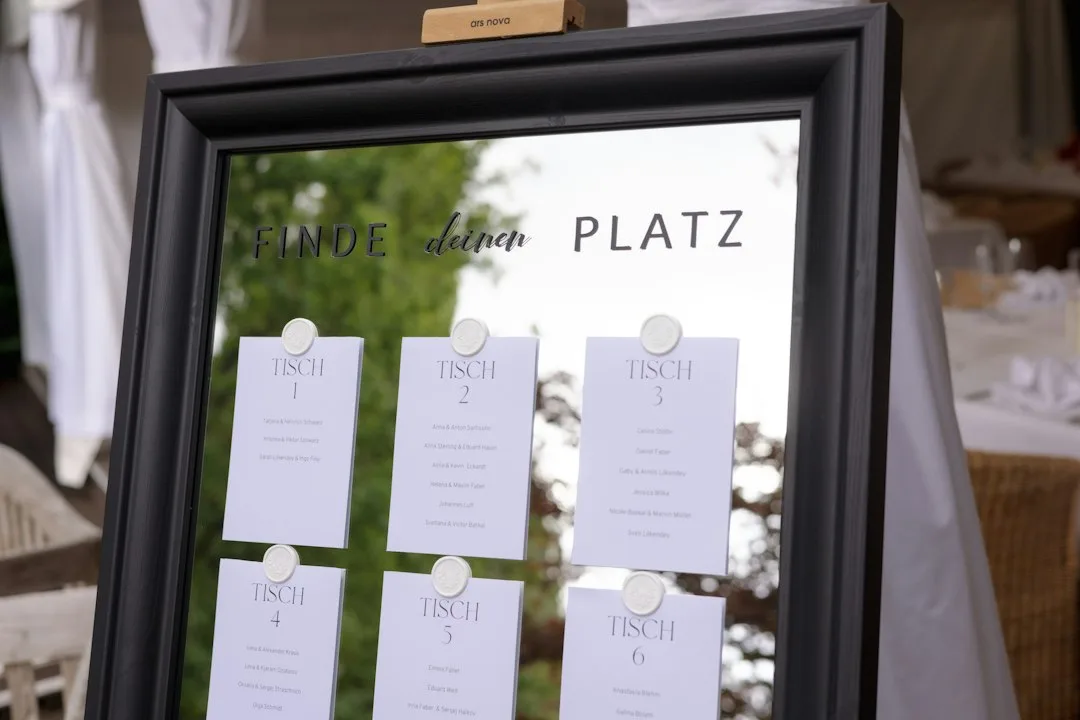
Walk into a modern wedding reception in 2026, and you’ll notice something fundamentally different about wedding seating charts: they’re no longer about rank, hierarchy, or rigid etiquette. Instead, wedding seating charts have become a guest experience tool—carefully designed to reduce social anxiety, accommodate dietary needs, honor mobility constraints, and actually foster meaningful conversation. This shift represents one of the most practical yet overlooked trends reshaping how couples approach their day.
From Hierarchy to Human Connection
For decades, seating charts followed a simple rule: parents near the front, family in the middle, friends toward the back. Children sat at “kids’ tables.” Divorced relatives got separate rows. It was functional but felt impersonal.
Today’s couples are asking a harder question: Who actually wants to sit together? Brands like Minted and Artifact Uprising now offer seating chart templates that include fields for dietary restrictions, mobility needs, and “conversation starter” prompts directly on the card. A guest with a walker knows immediately whether they’re near the restroom. A vegetarian sees their meal preference acknowledged before arrival.
The psychological benefit is measurable. Guests who feel seen—not just assigned—report higher satisfaction and are more likely to engage during the reception.
Quick Tips
- Include a one-line guest note (“loves board games” or “bring your camera”) to spark organic conversation
- Place guests with young children near exits, never blocking view of dance floor or restrooms
- Group introverts near quieter seating zones, away from speakers or high-traffic areas
- Use color-coded cards or digital displays to indicate dietary restrictions at a glance for venue staff
- Create a small “flexible seating” area for guests who prefer standing or prefer not to be assigned
Technology Meets Tradition in Seating Design
The shift accelerated when couples began using interactive digital tools. Platforms like Canva and custom wedding software now let you map your room in real-time, drag guests across table layouts, and instantly see sight lines to the stage.
Luxury venues like The Plaza in New York and Four Seasons resorts now offer couples 3D venue models. You literally walk your floor plan before the day arrives. This prevents the common mistake of seating your best friend behind a pillar for three hours—a problem that plagued weddings for generations.
| Seating Approach | Guest Experience | Logistics Impact |
|---|---|---|
| Traditional assigned seating | Formal, sometimes isolating | Easy for staff, rigid schedule |
| Flexible table seating | Social, empowering | Requires active management |
| Mixed assigned + open seating | Balanced, inclusive | Streamlined, adaptable |
| Personalized comfort seating | Highly thoughtful, authentic | Staff coordination essential |
The Mistake Everyone Makes With Wedding Seating Charts
The #1 failure: placing guests at tables based solely on your relationships, not theirs. A common scenario: you seat your partner’s college roommates (who live across the country and rarely see each other) at the same table as their partner’s hometown friends (who see each other monthly). Result: awkward small talk, no natural chemistry.
Or worse: you create a “singles table” without considering that one guest just ended a relationship, another identifies as asexual, and a third is simply an introvert. The table becomes uncomfortable before appetizers even arrive.
Smart seating now groups guests by actual connection points—shared interests, proximity of living situation, or mutual friend networks. A wedding planner in Austin, Texas, recently grouped guests by their favorite activities mentioned in RSVPs. Guests found kindred spirits they’d never met. The conversation quality at those tables noticeably improved.
Accessibility Reshapes Table Placement Strategy
Accessibility is no longer an afterthought. A seating chart in 2026 now accounts for hearing loss (proximity to ceremony speakers), mobility needs (table proximity to restrooms and exits), and neurodivergent comfort (quieter zones available for guests who need breaks from sensory input).
Venues including The Joule in Dallas now provide seating charts with accessibility layers built in. Staff knows which guests need assistance, where wheelchair-accessible pathways clear, and which tables have sight lines to interpretation services.
This isn’t charity. It’s design thinking. When every guest can actually participate comfortably, your reception becomes more cohesive and genuinely celebratory.
Personalized Seating Cards Become Keepsakes
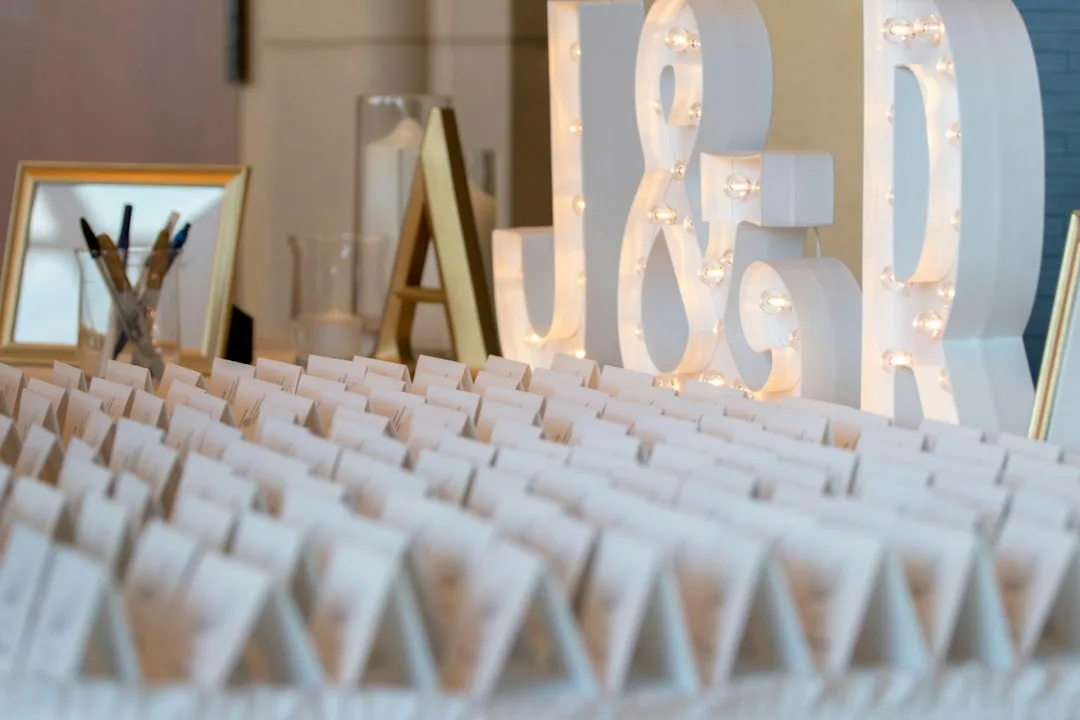
Gone are generic tent cards with printed names. Modern seating cards tell a micro-story about each guest’s role in your life. Brands like 3+ Boho Wedding Decor Trends You’ll Love showcase how hand-lettered cards with small personal details—a favorite quote, an inside joke, a memory you share—transform a functional element into a cherished keepsake.
Some couples add a QR code on the card linking to a short video message or photo memory. Guests sit down, scan, and immediately feel the personalization. This takes seating charts from logistical necessity to genuine emotional touchpoint.
The card stock itself matters. Textured paper, watercolor details, or embossed initials signal intentionality. A guest keeps that card. They remember the thought behind it. This connects directly to research on guest retention and long-term relationship building.
The Numbers Behind the Shift
Wedding industry data from 2025–2026 shows 68% of couples now consult guests on seating preferences during the RSVP process—up from 12% just five years ago. The cost of custom seating management software ranges modestly, typically under $200 for couples managing 100–150 guests, and saves hours of revision work.
More importantly: couples who use personalized, comfort-first seating report 23% higher guest satisfaction scores compared to traditional hierarchical charts. Venue coordinators also report fewer last-minute seating conflicts and faster table transitions during the reception.
When you treat seating charts as a guest experience design tool rather than a logistical checklist, everything shifts. See Wedding Party Decorations with Elegant Minimalism for how this thoughtfulness extends to the entire reception environment.