Dermatologists at Cleveland Clinic reported in mid-2026 that retinol sensitization complaints jumped 34% compared to 2025, driven by consumers stacking multiple actives without rest days. Clean Girl Makeup Dominates May 2026 Beauty Trends Globally placed pressure on skincare to appear visibly flawless, but retinol sensitization prevention is the unglamorous reality that separates real results from reactive, compromised skin. Sensitization isn’t allergy—it’s cumulative barrier damage from overuse.
What Retinol Sensitization Actually Does to Your Skin
Retinol works by increasing cell turnover and collagen remodeling through retinoic acid receptor activation. When you apply retinol more than your barrier can handle, you strip moisture faster than skin can replenish it.
The visible signs start subtle: slight redness after application, then persistent flushing, then flaking that won’t stop no matter how much moisturizer you layer. Your skin feels tight, hot, or raw—especially around the eye area and corners of the mouth.
By week three of daily 0.1% retinol without breaks, many users report stinging sensations even when applying hydrating serums. This means your acid mantle—the skin’s natural pH barrier—is compromised, and retinol sensitization has set in. The worst part: once sensitized, skin becomes reactive to other actives (vitamin C, niacinamide, salicylic acid) that normally work fine.
Quick Tips
- Start retinol at 0.025% once per week, not daily. Build frequency over 8–12 weeks.
- Never layer retinol with vitamin C, salicylic acid, or other exfoliants on the same night.
- Apply retinol to completely dry skin 15–20 minutes after cleansing. Damp skin increases penetration and irritation risk.
- Use the “sandwich” method: moisturizer first, retinol, then occlusive cream on top to buffer strength.
- If redness persists beyond day four of use, skip retinol for one week. Your barrier comes first.
Retinol Strength Ladder and Frequency That Actually Works
The Ordinary and Tretinoin are opposite ends of the retinoid spectrum. The Ordinary Retinol 0.2% costs under $15 and contains pure retinol—it needs conversion in skin to become retinoic acid, making it gentler and slower-acting than prescription tretinoin.
Most users who develop retinol sensitization skip the strength ladder entirely, jumping from nothing to 0.1% nightly. This is the #1 mistake: your skin hasn’t built tolerance to any retinoid.
| Retinol Type | Strength Start | Safe Frequency |
|---|---|---|
| Retinol 0.025% | Week 1–2 | Once weekly |
| Retinol 0.05% | Week 3–5 | Twice weekly |
| Retinol 0.1% | Week 6–8 | 3–4 times weekly |
| Tretinoin (RX) | 0.025% low frequency | 2–3 times weekly max |
The ladder takes 12 weeks to complete safely. Your barrier strengthens as retinoid receptors upregulate, not in two weeks.
Layering Rules That Stop Retinol Sensitization Before It Starts
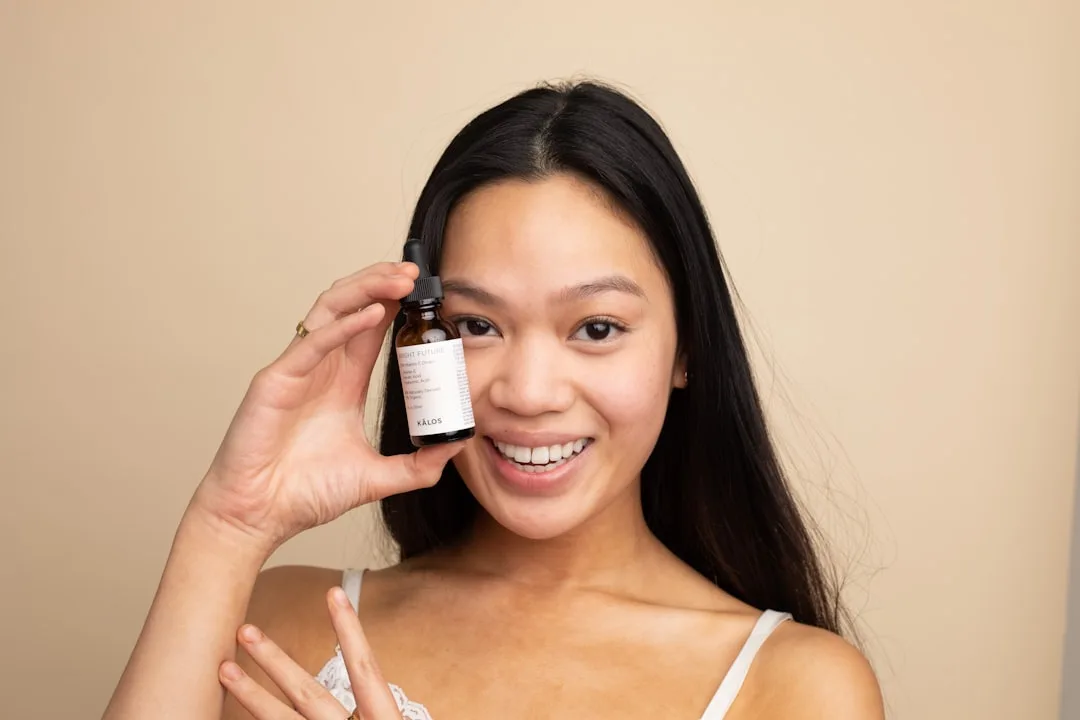
On retinol nights, your sequence matters more than product quality. CeraVe Moisturizing Cream contains ceramides NP and AP (3%), hyaluronic acid, and cholesterol—all barrier-repair actives that work with retinol, not against it.
Apply this way: cleanser → dry skin completely (wait 15–20 minutes) → lightweight hydrating serum (hyaluronic acid 1-2%) → wait 5 minutes → pea-sized retinol → wait 2 minutes → CeraVe or similar occlusive moisturizer on top. The moisturizer on both sides acts as a buffer, reducing penetration speed and irritation.
Never mix retinol into your moisturizer before applying. This dilutes the retinol unpredictably and changes release rate, increasing likelihood of uneven irritation and retinol sensitization.
Why Hydrating Face Mists Replaced Traditional Toners in Mid-Year Skincare mentions hydration as a trend, but on retinol nights, mists are a trap—they add water to skin, then you seal it in with occlusive cream, trapping excess moisture and heat that accelerates irritation.
When You've Already Triggered Sensitization
If your skin is already red, flaking, and reactive after one week of daily retinol, stop immediately. Don’t taper gradually—full pause is faster healing.
For the next 7–10 days, use only: gentle cleanser (CeraVe Hydrating Cleanser, no actives) → hydrating serum → rich moisturizer → SPF 30+ during day. Repeat twice daily. Your goal is barrier repair, not results.
After the pause, restart retinol at 0.025% once weekly only. Most users who’ve had sensitization respond well to this reset because their skin remembers it tolerated something lower and slower.
Why Retinol Sensitization Prevention Beats Damage Control
Retinol sensitivity reversal takes 2–3 weeks of paused treatment. Prevention takes consistency and patience upfront, which costs zero additional product but demands discipline.
The barrier doesn’t rebuild faster with expensive products—it rebuilds with time, barrier ingredients (ceramides, cholesterol, free fatty acids), and absence of irritants. Retinol sensitization prevention is the opposite of trending skincare shortcuts.
Starting low and building slowly feels slow. In week three, your skin looks unchanged. By week twelve, the change is visible: skin texture refined, fine lines softened, tone even. This is the retinol result that lasts because your barrier stayed intact.
The starter routine that actually prevents retinol sensitization
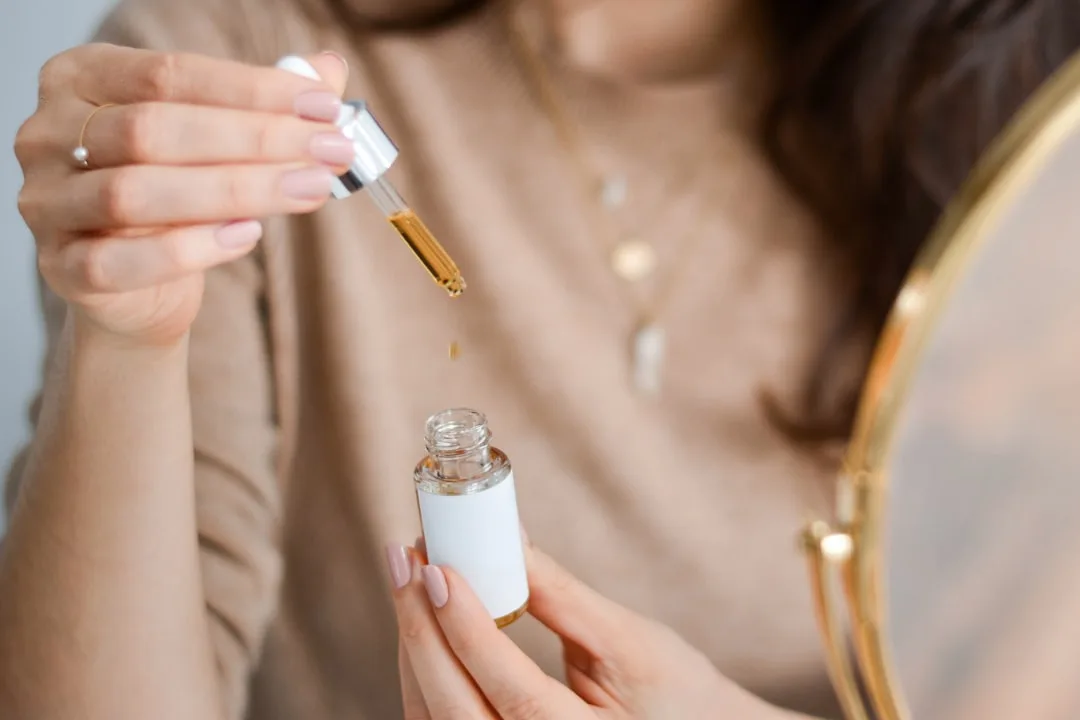
A functional retinol routine doesn’t need a long list of products. It needs the right sequence: cleanser, hydrating toner or essence, moisturizer with barrier-supporting ingredients, then retinol (on non-consecutive nights initially), then a final occlusive layer if needed.
A concrete example: CeraVe Hydrating Facial Cleanser removes makeup and daily grime without stripping. Follow with a hydrating step like Isntree Hyaluronic Toner Plus, which adds water to skin. Apply CeraVe Moisturizing Cream or Cetaphil Rich Hydrating Night Cream while skin is still damp. Then apply retinol—whether that’s a prescription tretinoin, an over-the-counter retinol like The Ordinary Retinol 0.2%, or a retinol ester like Neutrogena Retinol Pro Plus.
The final step matters: apply a heavier occlusive like Aquaphor or Vaseline over damp skin to seal everything in. This isn’t extravagant—it’s barrier protection. Occlusive layers reduce transepidermal water loss and buffer retinol’s drying effect, meaning skin stays comfortable and retinization happens without visible irritation.
When to pause retinol and how to recognize the difference between adaptation and damage
Mild flaking and slight dryness in the first two weeks is normal retinization. The skin is shedding old cells faster as retinol increases cell turnover. This stops after week three or four as skin adapts. Continuing through this phase is the right call.
Burning that doesn’t fade within minutes of application, persistent redness that spreads beyond the application area, or a sensation of tightness that makes facial movement uncomfortable—these are signals to pause. Sensitivity that worsens rather than stabilizes over a week indicates the barrier is compromised, not adapting. At this point, stop retinol entirely for 10–14 days, use only a gentle cleanser and a ceramide-rich moisturizer twice daily, and potentially add a product like La Roche-Posay Cicaplast Balm B5 to accelerate recovery.
Resuming retinol means starting over with the lowest frequency (once weekly) and lowest concentration, because your baseline tolerance has reset. This isn’t failure—it’s information. It tells you the previous pace was unsustainable for your individual skin.