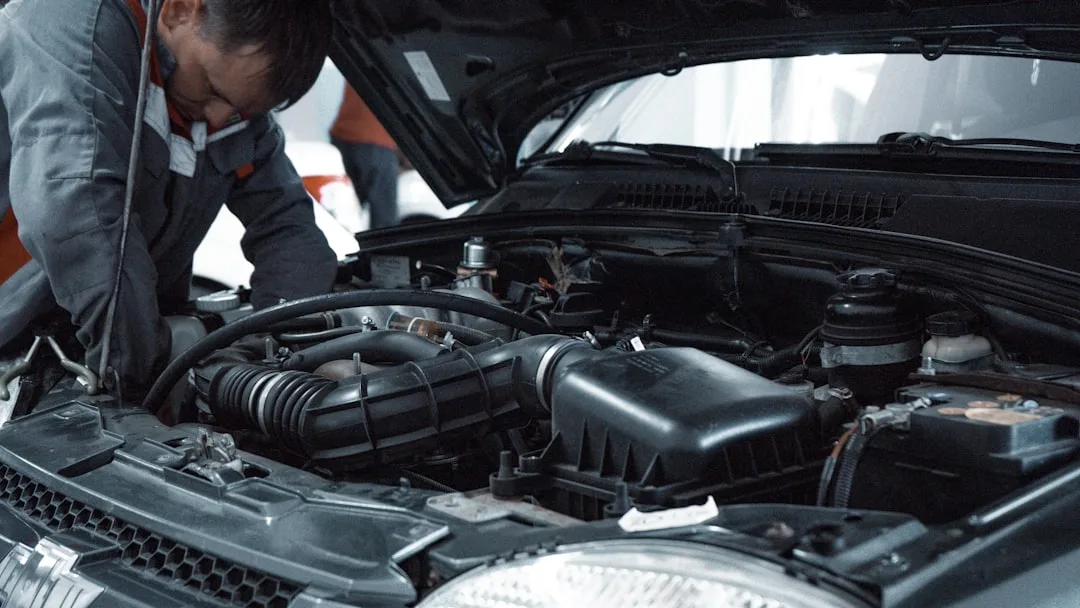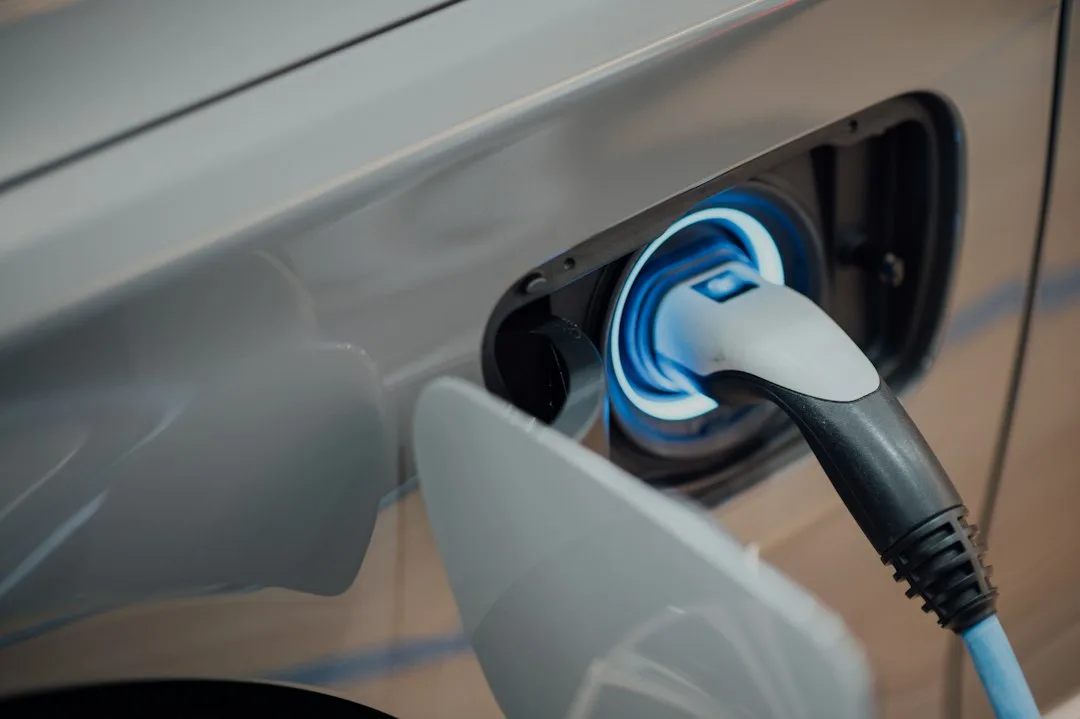
Tesla, Lucid, and Hyundai engineers watched 2025 fail spectacularly for one reason: buyers kept ignoring battery management systems, then faced $12,000+ replacement costs by 2026. Vehicle battery management systems now control whether your EV holds 80% capacity at year seven or drops to 65%—a gap worth roughly $8,000 in resale value. This isn’t marketing language anymore; it’s the core technology separating a $35,000 EV that ages poorly from one that holds investment potential.
Why Tesla and Hyundai Prioritize Thermal Management Over Raw Horsepower
Tesla’s Model 3 and Model Y introduced octocooling in late 2025—a dedicated thermal loop that maintains battery pack temperature within a 35–45°C window year-round. Hyundai’s Ioniq 6 copied this approach, adding liquid cooling channels directly integrated into battery modules themselves.
Here’s what buyers missed: a battery running at 55°C degrades three times faster than one held at 40°C. That single degree matters because it controls electron flow and internal resistance within lithium cells.
GM’s Ultium platform includes predictive thermal modeling—the battery management system literally predicts ambient temperature and preemptively adjusts coolant flow before you even sit in the car. Range anxiety disappears when the system knows charging efficiency at 6 AM in Phoenix versus 8 PM in Minnesota.
Quick Tips
- Check the battery management system warranty period—should be 8+ years or 100,000 miles minimum
- Ask dealers if the BMS includes predictive thermal modeling; cheaper cars often skip this
- Verify the cooling system type: liquid cooling outperforms passive air cooling by 40% in lifespan extension
- Review historical battery degradation data from owners with 40,000+ miles on similar models
- Understand that fast-charging degrades batteries faster unless the BMS throttles charging speed automatically at high temperatures
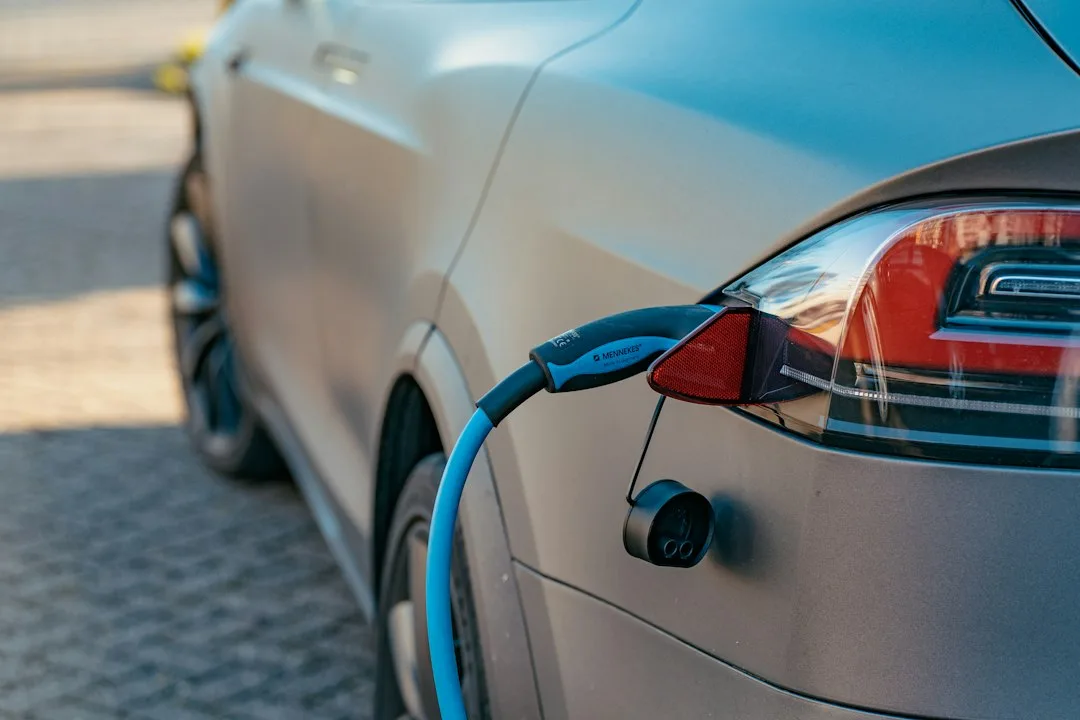
Battery Management Systems Control Charging Speed and Grid Integration
Lucid Air’s BMS can accept 900-volt charging architecture while limiting current draw to protect long-term capacity. Meanwhile, a 400-volt system without smart management accepts whatever current the charger supplies—accelerating degradation.
The real shift: 2026 battery management systems now negotiate with grid operators. Hyundai’s V2L (Vehicle-to-Load) and V2H (Vehicle-to-Home) features don’t just dump power back; the BMS calculates optimal discharge cycles to minimize cell stress while maximizing stored energy value.
A homeowner charging at 2 AM benefits from predictable demand pricing—the BMS talks to utility APIs and pauses charging during peak-rate windows automatically. This isn’t futuristic; it’s live in California, Texas, and Germany right now.
| BMS Feature | Impact on Battery Life | Typical Vehicle Examples |
|---|---|---|
| Liquid Thermal Cooling | +35% capacity retention at year 5 | Tesla Model 3, Hyundai Ioniq 6 |
| Predictive Thermal Modeling | Prevents overheating in 95°F+ climates | GM Ultium, BMW i7 |
| 900-Volt Architecture | 80% charge in under 15 minutes safely | Lucid Air, Porsche Taycan |
| Cell Balancing Algorithms | Prevents weak cells from limiting range | All modern EVs post-2024 |
| V2G Grid Integration | Smart discharge timing saves $300/year | Nissan Leaf, Volkswagen ID.4 |
The Number One Mistake Buyers Make With Battery Management Systems
You ignore the warranty details hidden in the fine print. Most EV makers warranty the battery itself, but not the battery management system electronics controlling it.
A real example: a 2024 Chevy Bolt owner lost 18% capacity in 14 months because the BMS temperature sensor failed, overcharging cells repeatedly. GM replaced the battery under warranty—but the sensor repair cost $800, paid out-of-pocket, because the BMS controller isn’t covered the same way as pack chemistry.
Check whether your vehicle’s BMS control module is covered separately from battery degradation clauses. Tesla includes BMS repairs; some other manufacturers require you to prove manufacturing defect rather than normal wear-and-tear.
Real-World Range Prediction Becomes Accurate Only With Smart Battery Management
Ford’s F-150 Lightning and Volkswagen’s ID.Buzz now include predictive range estimators built into the BMS itself. The system accounts for real-time road conditions, temperature, elevation, and wind resistance—not just simple math.
A drive from Denver to Fort Collins (48 miles, 5,280 feet elevation gain) burns 18% more energy than highway cruising, yet older EVs without smart management display flat range predictions. The new systems recalculate every 30 seconds as conditions shift, eliminating surprise charger stops.
This matters for road trip planning because families now rely on autonomous route optimization that feeds real battery data back into navigation systems. The BMS becomes your co-pilot, not just a safety net.
Battery Management Systems Define Used EV Resale Value Faster Than You'd Expect
Battery health reports—accessible through most EV diagnostic apps—now show degradation trends with shocking accuracy. A 2022 Tesla with 40,000 miles showing 92% capacity health sells for $8,000 more than an identical model at 88% health, because buyers understand what happens next.
The BMS logs every charge cycle, temperature spike, and fast-charge session. When you buy certified pre-owned EVs in 2026, dealers pull this data and price accordingly. A car with 400 fast-charges versus 40 fast-charges shows different degradation curves, even at identical mileage.
Lucid and BMW now publish degradation curves per battery management system model, so buyers can predict year-eight capacity loss before purchase. This transparency reshapes used EV markets because degradation becomes quantifiable rather than guesswork.
The trend continues accelerating because battery cost represents 35–40% of EV price. Protecting that investment through smart management systems shifts purchasing decisions away from horsepower and toward longevity metrics that actually preserve ownership equity.