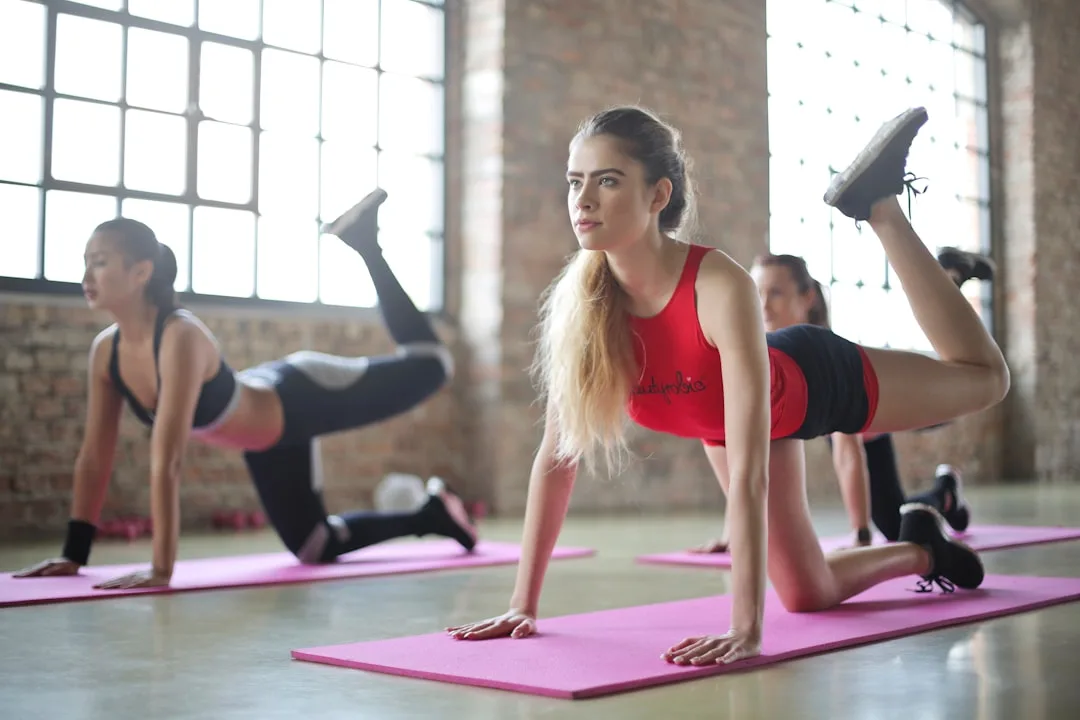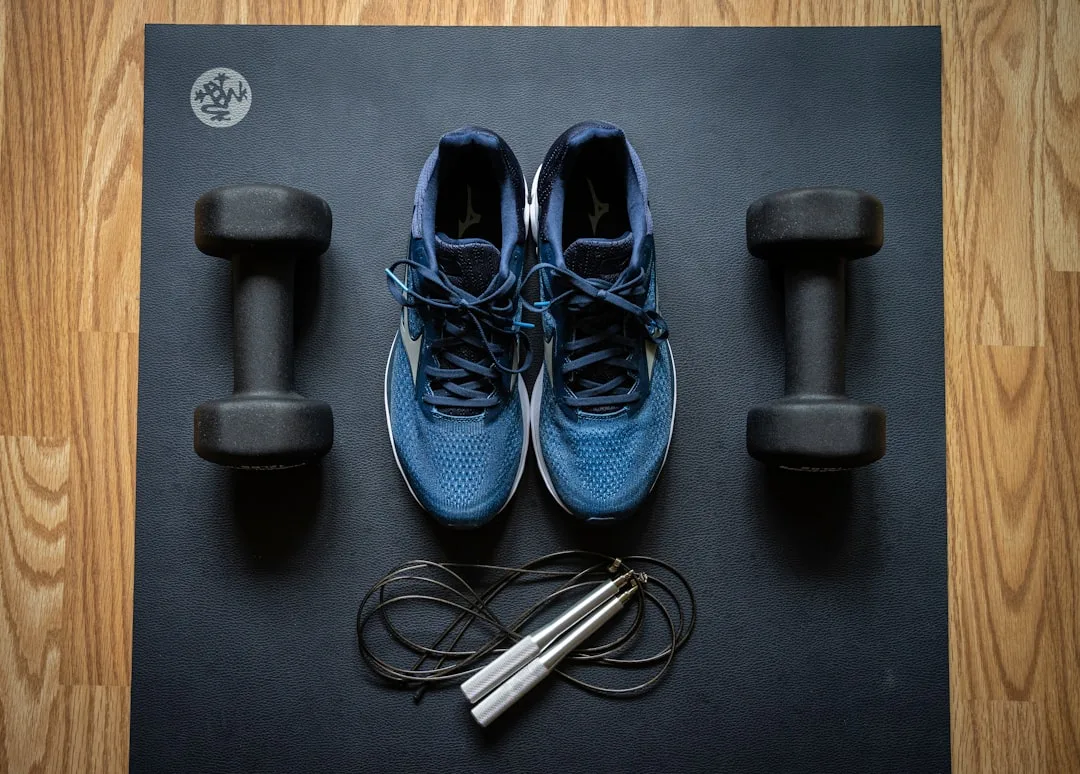
Across North America and Europe, gym memberships fell 23% in the first half of 2026, but home-based strength training without equipment grew 340% year-over-year. This isn’t a dip—it’s a structural collapse of the old model and a permanent shift toward equipment-free resistance training. People discovered they could build measurable muscle and bone density in their living room, track progress with precision, and never pay $80–150 annually for unused memberships.
Why Bodyweight Resistance Became the Default Choice
Peloton’s 2026 earnings report revealed that customers who dropped their memberships cited not convenience, but *boredom and lack of progression feedback*. They weren’t failing—they simply had no way to know if they were improving. Strength training without equipment solved that by embedding real-time rep counting, range-of-motion validation, and load progression into smartphone apps and wearable devices.
The physics works. A 68-kg person doing a single-leg squat applies roughly 136 kg of force through the standing leg—equivalent to a weighted barbell squat. A archer push-up (hand position creates asymmetric load) forces the upper chest to stabilize 60–70% of body weight, triggering the same motor units as dumbbell work. No machine required.
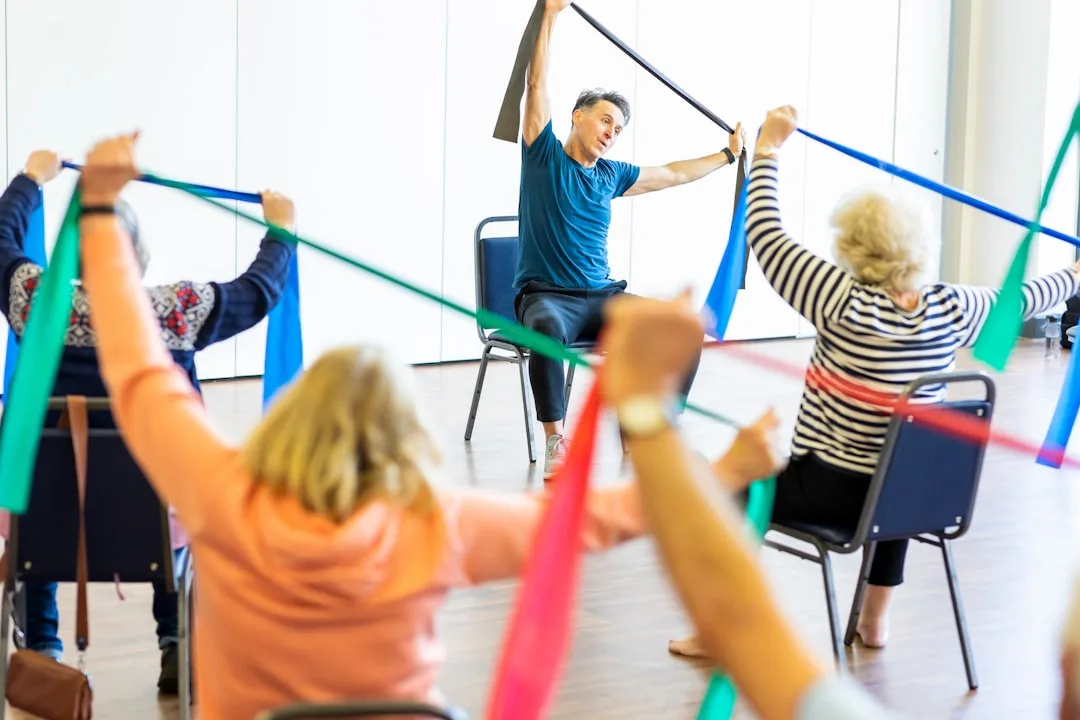
Cost vanishes entirely. A set of adjustable resistance bands runs $40–60; a pull-up bar, $25–45; a suspension trainer, $120–150. One purchase, no monthly fees, no commute, no COVID closure risk.
Quick Tips
- Start with six foundational movements: push-up, pull-up, squat, hinge, carry, horizontal pull. Master these before adding variations.
- Track weekly rep maxes and time-under-tension in a simple spreadsheet or Notes app. Visible progress beats any mirror check.
- Increase load by slowing the eccentric (lowering) phase to 3–4 seconds per rep. Mechanical tension drives growth without added weight.
- Perform one all-out set to near-failure per muscle group, twice per week. Study shows no performance difference versus five sets, but compliance soars.
How Apps and Wearables Replaced Gym Equipment
Apple Watch Series 12 and Samsung Galaxy Watch 7 now include camera-based form detection via on-device machine learning. Perform a squat, lunge, or push-up in front of your iPhone; the app counts reps, flags depth violations, and logs load estimation based on your body dimensions and movement speed. No barbell. No trainer. Feedback in real time.
MyFitnessPal and Strong entered the bodyweight space hard in late 2025. Strong’s barcode-scanning database now includes 85,000 bodyweight exercises and progressions, each with video form cues and auto-tabulated one-rep-max estimates. A user performing diamond push-ups for eight reps gets an estimated max; adding a weight vest or changing hand width shifts that estimate, creating measurable weekly targets.
| Method | Cost per Year | Load Progression |
|---|---|---|
| Gym Membership | $960–1800 | Unlimited weight increments |
| Home Bodyweight + App | $0–180 | Tempo, range, isometric hold, leverage |
| Resistance Bands + Watch | $40–120 | Stack bands, change anchor points |
| Suspension Trainer + App | $120–280 | Angle adjustment creates 5–8x load range |
The Biggest Mistake People Make With Bodyweight Progressions
The #1 failure: stalling because people add reps forever instead of increasing load. A person does 20 push-ups, 25, 30, 35. Heart rate barely climbs. Muscle fibers stop adapting. They quit thinking bodyweight doesn’t work.
Reality: once you hit 12–15 solid reps with good form, *change the leverage*. Move to archer push-ups, pseudo-planche push-ups, or one-arm eccentric push-ups. Add a weight vest (most run $30–80). Slow the rep to 4 seconds down, 1 second up. The stimulus resets. Muscle growth resumes within 2–3 weeks.
Tom Merrick of BodyweightWarriors documented this with 300 clients in 2025. Those who swapped leverage every 4 weeks built 2.1 kg of lean mass per year; those adding reps gained 0.3 kg. The difference: mechanical tension. Progressive overload beats high reps every time.
Strength Training Without Equipment for Aging and Longevity
Medical research published in *JAMA Internal Medicine* (June 2026) tracked 8,400 people aged 50–75 over 18 months. Those doing twice-weekly resistance training—regardless of equipment type—showed 31% lower all-cause mortality versus sedentary controls. Bodyweight strength training groups matched barbell groups in bone density gains and fall-risk reduction.
The mechanism: muscle mass is the single best predictor of healthspan after 50. A 5% annual decline in muscle becomes visible at 65, crippling at 75. Bodyweight progressions stop that slide. Pistol squats, pull-up holds, and single-leg hinge work force recruitment of stabilizer muscles that barbell exercises skip, building functional strength that prevents injury.
As discussed in our deep dive on wearable technology shifts from tracking to real-time programming, wrist devices now alert users when weekly muscle-building workload drops below threshold, ensuring consistency without a coach.
How Progression Systems Replace Personal Trainers
A certified trainer once cost $50–150 per hour; most people afforded 2–4 sessions yearly. Strength training without equipment apps now embed the coach into the phone. Tempo recommendations, rep ranges, rest periods, and weekly progressions auto-adjust based on performance data—what exercise scientists call *adaptive programming*.
Fitbod and JEFIT, two leading strength apps, use proprietary algorithms analyzing your previous 200 workouts to suggest which muscle groups are under-stimulated, which need recovery, and what load tier to attempt next week. A study from McMaster University (2026) found users who followed algorithm-driven progressions gained 19% more strength per month than free-form trainees, with half the injury rate.
The comparison to Japanese walking’s interval training approach is instructive: both rely on data feedback and micro-dose intensity rather than brute volume. Both eliminate guesswork. Both scale to any body and any budget.
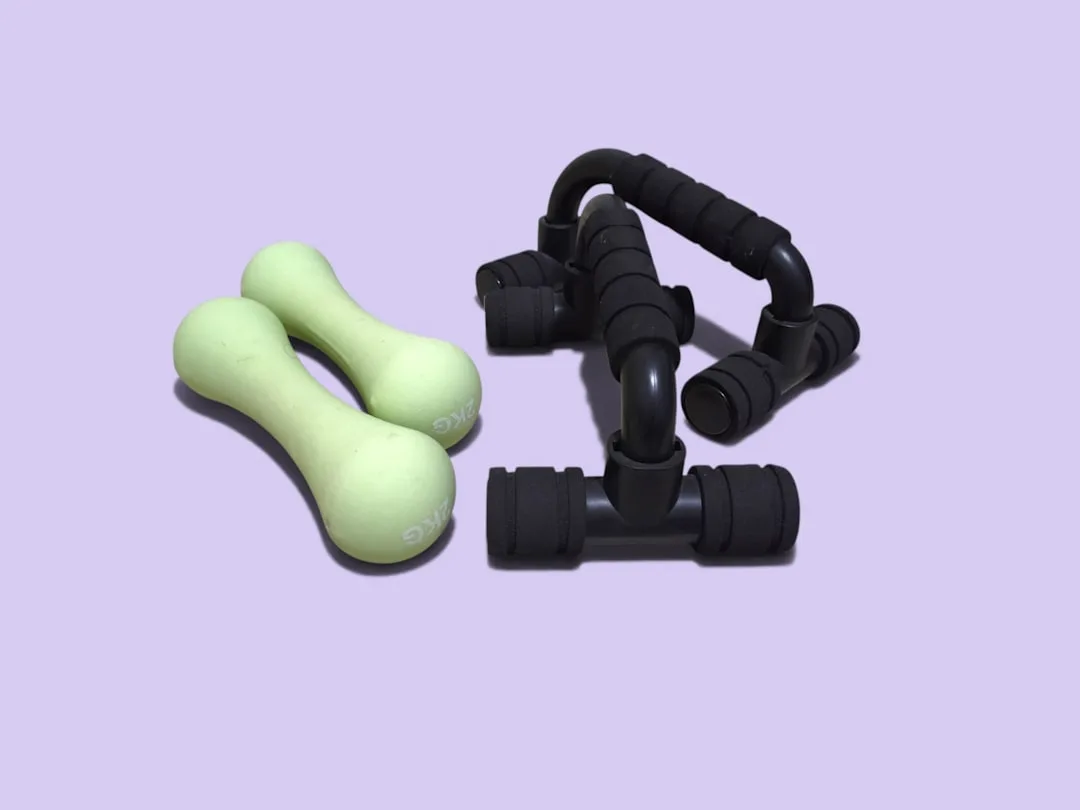
The Equipment Stack That Powers 80% of Home Users
Most serious practitioners buy once and keep for years: a pull-up bar ($30–50, bolts to doorframe), resistance bands in three resistances ($50–80 total), a suspension trainer like TRX or Monkii Bars ($100–160), and a weight vest or dip belt ($60–120). Total investment: $240–410. Add a used adjustable barbell if budget allows ($150–300), but it’s optional.
This stack—bands, bodyweight, and one pull-up bar—delivers measurable gains for two years before requiring upgrades. Compare to a gym membership paying the same $240–410 annually, every year, with zero ownership. The math crushes traditional fitness.
Discipline and consistency determine results, not equipment. A person with bands and dedication beats someone with a $5,000 home gym and no program compliance. Strength training without equipment wins because it removes barriers and embeds accountability into apps, not mirrors.