Most dermatologists agree: the vitamin C serum sitting in your bathroom right now is probably dead. Vitamin C serum oxidation happens the moment oxygen hits L-ascorbic acid, the most potent form, and it degrades roughly 50% every 72 hours at room temperature. You paid $45–90 for a product that lost half its efficacy before the shipping label fell off your package.
This is why vitamin C serum oxidation has become the central skincare frustration of mid-2026. Brands are scrambling to solve it, and consumers are finally demanding transparency about what they’re actually buying.
How Oxidation Destroys Your Investment
L-ascorbic acid is the gold-standard form of vitamin C—the only version proven to penetrate skin and trigger collagen production. Skinceuticals C E Ferulic, launched in 2005, became the category benchmark precisely because it stabilizes this ingredient with ferulic acid and vitamin E, creating a protective shield against oxygen.
Without that protection, oxidation begins immediately. A study by chemist Michelle Wong in 2024 showed that unprotected L-ascorbic acid loses 25% potency within 24 hours of opening, and 75% within two weeks in a standard bathroom environment.
Temperature, humidity, light exposure, and air contact are the four culprits. Your bathroom is a humidity bomb. Every shower releases steam, which accelerates breakdown exponentially.
Quick Tips
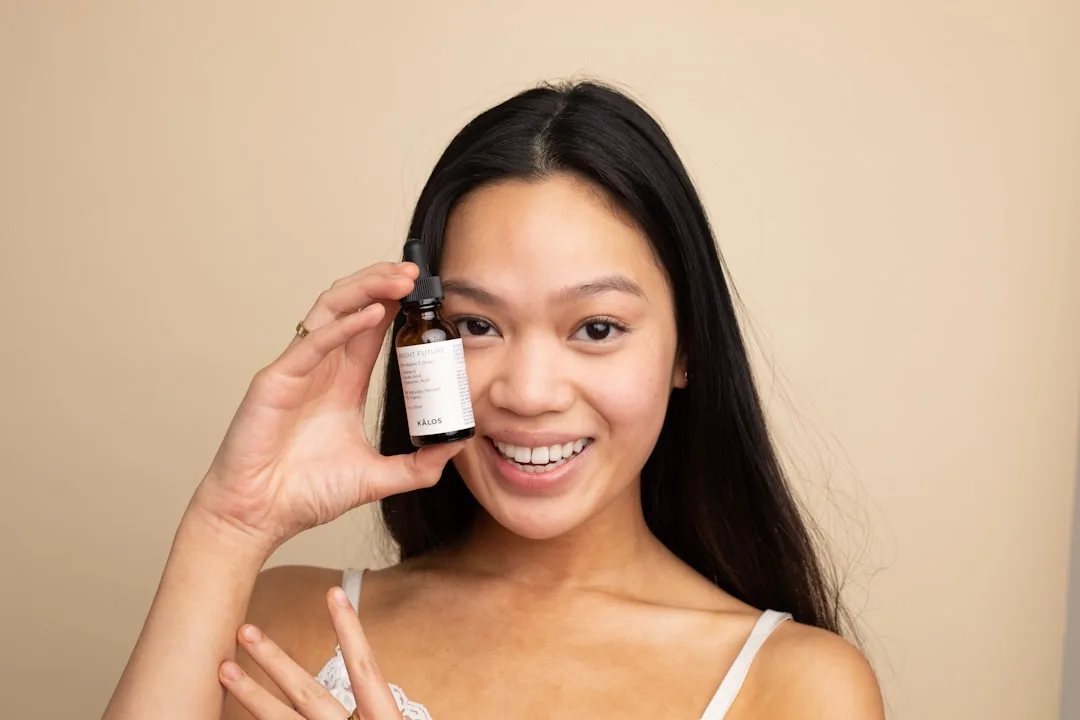
- Buy vitamin C in opaque, airtight packaging only—glass amber bottles with dropper seals are non-negotiable.
- Store in a cool, dark place away from the bathroom; a bedroom drawer or bedside table works better than medicine cabinets.
- Use within 3 months of opening; write the date on the bottle in permanent marker.
- If your serum smells like brown sugar or looks yellow-brown instead of clear, it has oxidized—discard it immediately.
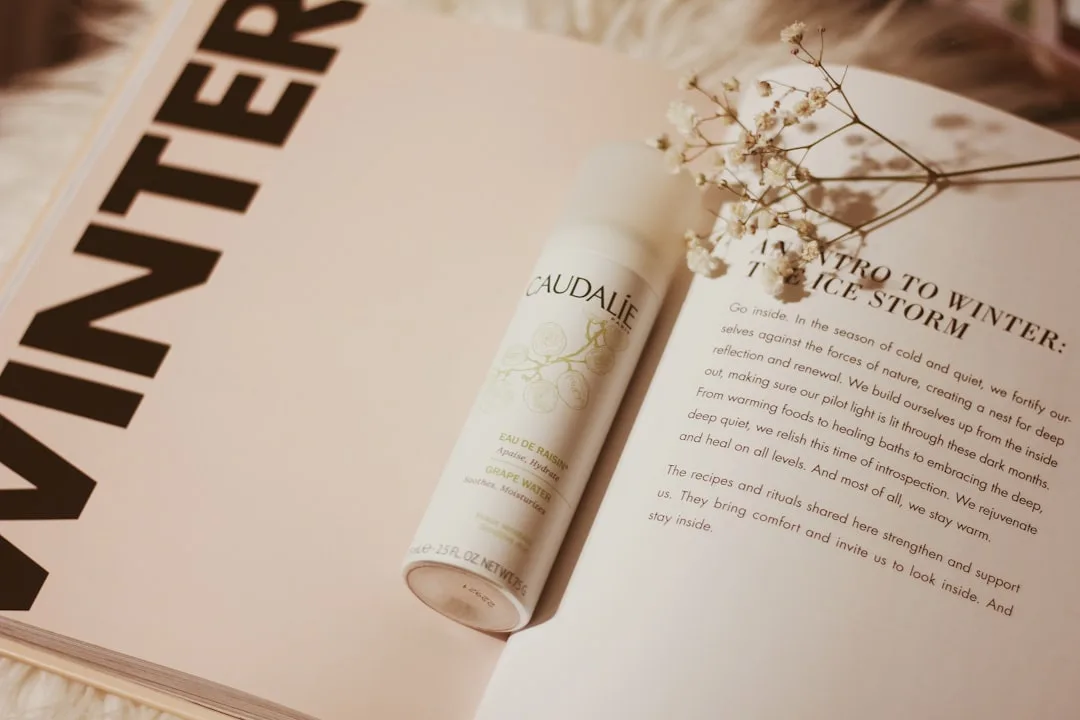
- Layer vitamin C under a hydrating face mist to lock in benefits before it can degrade further.

Identifying Dead Vitamin C Serum
The number one mistake people make is continuing to use oxidized serum because they assume it’s still working. It looks fine, it cost money—so you keep applying it.
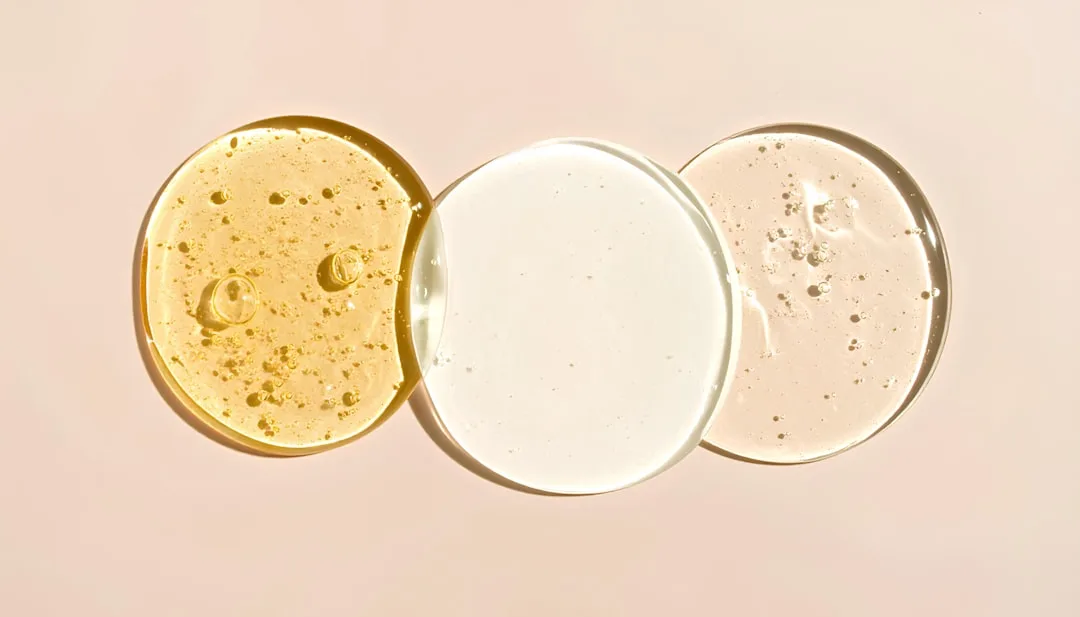
Here’s what oxidized vitamin C actually looks like: a yellow or brownish tint instead of clear or pale gold. The smell changes too—oxidized vitamin C develops a sweet, almost caramel-like scent, completely different from fresh serum’s sharp, slightly acidic aroma.
Timeless Skin Care 20% Vitamin C + E Ferulic Serum ships in an airtight metal container because the founder understands this problem intimately. Once you open it, you have roughly 30 days before oxidation significantly compromises efficacy. If you notice any color shift or smell change, oxidation has already begun.
| Indicator | Fresh Serum | Oxidized Serum |
|---|---|---|
| Color | Clear or pale gold | Yellow, brown, or amber |
| Smell | Sharp, slightly acidic | Sweet, caramel-like |
| Packaging | Opaque glass, airtight seal | Any clear bottle or loose cap |
| Efficacy Timeline | Up to 3 months at full strength | Loses 50% potency every 72 hours |
Stabilized Derivatives Are the Smarter Play
Brands have finally moved beyond pure L-ascorbic acid. Vitamin C derivatives like ascorbyl palmitate, magnesium ascorbyl phosphate, and 3-O ethyl ascorbic acid are pre-stabilized, meaning they resist oxidation far longer than the free-acid form.
These derivatives sacrifice a tiny bit of penetration speed for dramatically improved shelf stability. Practical beauty wins when you can actually use a product for longer than four weeks. The Ordinary Ascorbyl Glucoside Solution 12% remains stable for months because it’s a derivative, not L-ascorbic acid.
K-Beauty brands have dominated this category since 2023. Purito Deep Sea Pure Water Cream contains stabilized vitamin C derivative alongside hyaluronic acid, creating a moisturizer that provides brightness without the oxidation panic of traditional serums.
Storage Hacks That Actually Preserve Potency
Assuming you buy a legitimate vitamin C serum in proper packaging, storage determines everything. The refrigerator is your actual best friend here—not just helpful, but essential for extending shelf life to 6–8 months rather than 3.
Dedicate a small drawer in your bedroom to skincare that requires cool, dark conditions. Keep serum away from your bathroom window, radiators, and direct sunlight. A cool closet or a dedicated beauty drawer at room temperature (around 68–70°F) works second-best if refrigeration feels inconvenient.
Invest in amber glass bottles with rubber dropper seals if you’re decanting from a larger container. Exposure to air during every use degrades the remaining product, so an airtight dropper is non-negotiable. Pat the outside of the bottle dry after each application to prevent water condensation from pooling inside.
Why This Trend Matters Right Now
Vitamin C serum oxidation became a trending topic in July 2026 because skincare consumers finally stopped accepting dead products. Social media dermatologists and estheticians called out major brands for shipping oxidized serums in clear bottles, and the conversation shifted from “this product works” to “is this product actually active?”
The shift reflects a broader maturation in the skincare community. Consumers are no longer satisfied with aspirational marketing or pretty packaging. They want proof of efficacy, transparency about ingredient stability, and honest discussions about shelf life from the moment a product leaves the warehouse.
This demand has also influenced how brands communicate. Companies that previously buried stability information in fine print now feature it prominently on packaging and websites. The conversation extended to related products too—hydrating face mists replaced traditional toners in mid-year skincare routines partly because mists don’t require the same oxidation management as potent actives, offering a lower-maintenance alternative for texture-focused routines.

Real Products and What Changed in Formulation
Skinceuticals C E Ferulic remains the benchmark vitamin C serum, but even this gold-standard product arrives in an amber glass bottle—a design choice that directly addresses oxidation concerns. The brand also introduced smaller 1-ounce sizes to encourage faster turnover, acknowledging that most users can’t realistically use a full-sized serum before degradation occurs.
Timeless Vitamin C plus E Ferulic Serum offers a more affordable alternative with identical packaging philosophy. Both products assume you understand oxidation risk and have bought into refrigeration as non-negotiable. This represents a fundamental shift from earlier formulations sold in clear bottles with pump dispensers, which inadvertently guaranteed oxidation within weeks.
Drunk Elephant C-Firma Fresh Serum took a different approach by using a stabilized form of vitamin C (tetrahexyldecyl ascorbate) rather than pure L-ascorbic acid. This modification reduces—but doesn’t eliminate—oxidation risk. The trade-off is slightly slower skin penetration, but the product maintains potency longer under normal storage conditions. This choice exemplifies how brands are reformulating entire lines to address consumer skepticism about ingredient stability.
Even budget-friendly options like The Ordinary Ascorbyl Glucoside Solution 12% acknowledged the problem by adjusting their formulation and recommending refrigeration on their website, though the product still ships in a clear pump bottle that leaves room for improvement.
How to Tell If Your Current Serum Is Already Oxidized
Color is the primary visual indicator. Fresh vitamin C serum ranges from clear to pale yellow, depending on the stabilizer system and pH buffer. If your serum has darkened to amber, orange, or deep yellow, oxidation has already compromised the formula. Some discoloration is normal over months, but dramatic color shifts within weeks signal problems with storage conditions or original formulation quality.
Texture changes matter too. Oxidized serums sometimes develop a slightly sticky or grainy consistency, though this isn’t always obvious without comparison to a fresh bottle. The most reliable approach is replacing your serum every three months if refrigerated, or every four to six weeks if stored in a bathroom cabinet.
Smell offers another clue, though it’s subjective. Fresh vitamin C serum has a faint citrus or slightly acidic scent. If your serum smells distinctly vinegary, funky, or chemically off in an unfamiliar way, oxidation has progressed significantly. Trust this instinct—your nose detects volatile compounds released during degradation even if skin texture hasn’t visibly changed yet.
This hyper-awareness of product condition connects to broader skincare consciousness visible in trends like the Clean Girl Makeup dominates May 2026 beauty trends globally movement, where ingredient transparency and product integrity became aesthetic values themselves rather than afterthoughts.
Building a Vitamin C Routine That Actually Survives Storage
Layering matters more than ever. Apply vitamin C serum to completely dry skin, wait two to three minutes for full absorption, then layer a hydrating essence or lightweight moisturizer. This buffering step reduces oxidation exposure during the vulnerable minutes after application. Some users prefer applying vitamin C at night exclusively, reserving mornings for more stable antioxidants like niacinamide or vitamin E.
Consider complementary products that extend your serum’s practical lifespan. Vitamin E and ferulic acid are stabilizing partners—when combined with vitamin C as in formulas like Skinceuticals C E Ferulic, they extend the window before noticeable degradation. If you’re using a standalone vitamin C serum, applying a vitamin E oil afterward creates a similar protective barrier.
Temperature consistency matters beyond just refrigeration. Avoid bringing your serum from a cold fridge to a hot bathroom immediately before use. Let it warm to room temperature naturally for a minute, then apply. This prevents condensation from forming inside the bottle, which accelerates oxidation by introducing moisture to the formula.