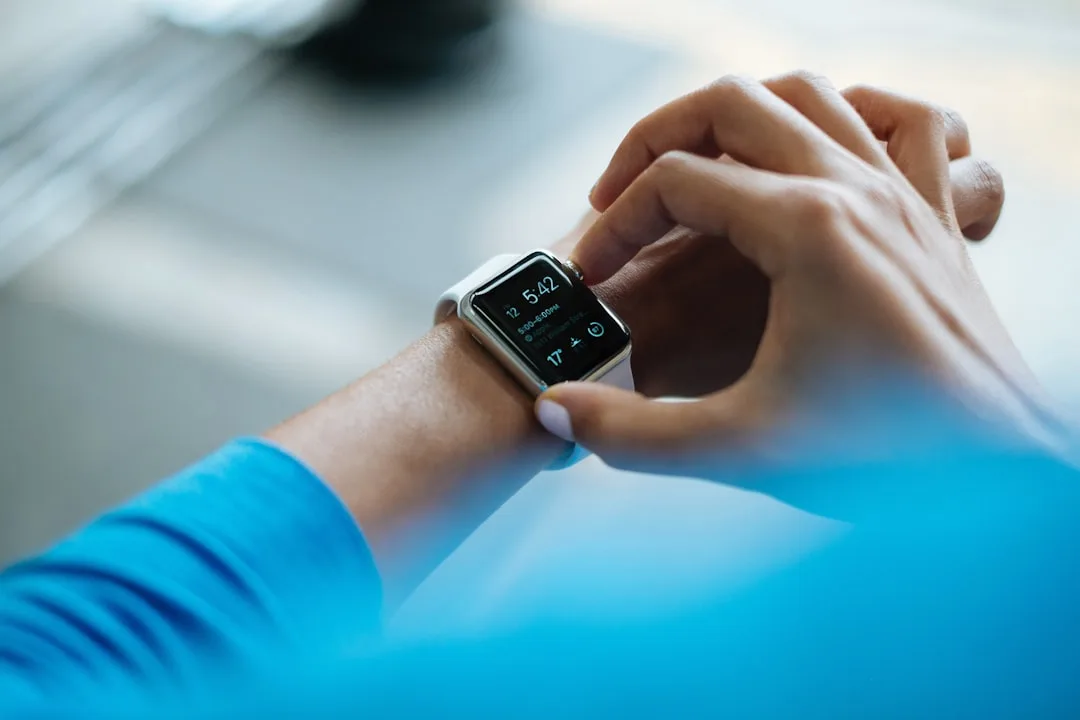
Nearly half of all U.S. adults now own a fitness tracker or smartwatch. The shift happening right now isn’t about whether people use wearable technology fitness—it’s about how they’re using it. A survey of 2,000 clinicians, researchers, and exercise professionals published in ACSM’s Health & Fitness Journal in November/December revealed that wearable technology has topped the list of fitness trends for the third consecutive year. This isn’t momentum; this is a wholesale recalibration of how bodies move and recover.
From Counting Steps to Programming by Physiology
The old model was simple: put on a device, log your miles, celebrate the numbers. Wearable technology fitness in 2026 works differently. Devices now capture fall detection, crash detection, heart rhythm data, blood pressure, blood glucose levels, and skin temperature. That data is no longer just stored in an app for you to scroll through on Sunday.
Instead, the trend has shifted from “tracking” to “programming.” Your workouts are now programmed by your physiology and updated in real time by the wearable data itself. Your device doesn’t just record what you did—it decides what you should do next, and it changes minute to minute. If your heart rate variability drops, your watch knows you need a lighter workout before you feel the fatigue.
More than 70% of wearable users reported applying output data to inform exercise or recovery strategies. That’s not passive monitoring. That’s active intervention.
Quick Tips
- Check your heart rate variability score each morning—higher HRV indicates better cardiovascular fitness and stress resilience.
- Lower HRV signals fatigue and the need for lighter work; don’t ignore this signal.
- Let your wearable reprogramme your day based on real-time data, not your ego or your plan.
- Blood pressure and blood glucose tracking on newer devices reveal patterns traditional fitness apps cannot.
- Sync recovery metrics to sleep, stress, and training load for a complete picture of adaptation.
The Data That Changes Your Workout Mid-Session
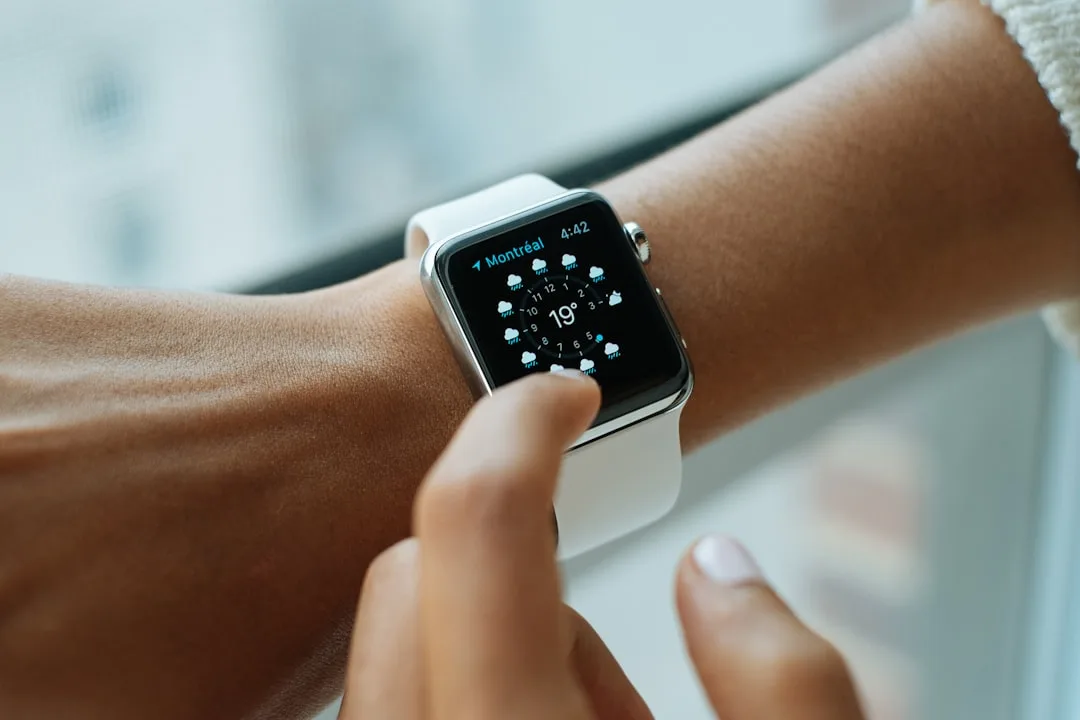
Heart rate variability—the variation in time between heartbeats—has become the most actionable metric wearable technology fitness offers. Higher HRV scores are linked to better cardiovascular fitness and stress resilience. Lower HRV indicates fatigue and the need for lighter work. This single number can overrule your training plan.
Consider a runner who planned a tempo session. Their watch shows excellent HRV at 6 a.m. By warm-up time, HRV has dipped 20%. The programming suggests aerobic base work instead. Most people skip this signal and run the tempo anyway, burning out by week three.
| Metric | What It Means | Action |
|---|---|---|
| Heart Rate Variability | Nervous system readiness | High = intensity safe; Low = recovery day |
| Blood Glucose Tracking | Energy availability | Fueling strategy; pre-workout nutrition |
| Skin Temperature | Stress and sleep debt | Elevated = reduce load or prioritize sleep |
| Blood Pressure | Cardiovascular strain | Elevated at rest = signal to ease off |
The #1 Mistake People Make With Wearable Technology Fitness
The device does not do the work. This is the fatal assumption that ruins most adoption. People buy a smartwatch expecting behavior change to follow automatically.
Here’s what actually happens: A person gets a fitness tracker and wears it for six weeks. It logs everything. They glance at the app occasionally. Nothing changes in their actual training or recovery habits. By week eight, the device is in a drawer. The question is no longer whether people will use wearables—it’s teaching people how to use them in ways that best support health and behavior change.
A concrete example: Someone receives blood glucose data from their wearable and sees a crash after their morning coffee and toast. They ignore it because the breakfast is convenient. Three months later, their energy is worse, and they assume the device is wrong. The device wasn’t wrong—they never acted on the signal. Wearable technology fitness requires a decision loop: measure, interpret, adjust, repeat.
Why Longevity and Healthy Aging Are Now the Goal
Fitness once meant aesthetics. Wearable technology fitness has shifted the entire conversation toward longevity and healthy aging. Clients are moving away from “how do I look” to “how do I live?” That shift changes everything about programming.
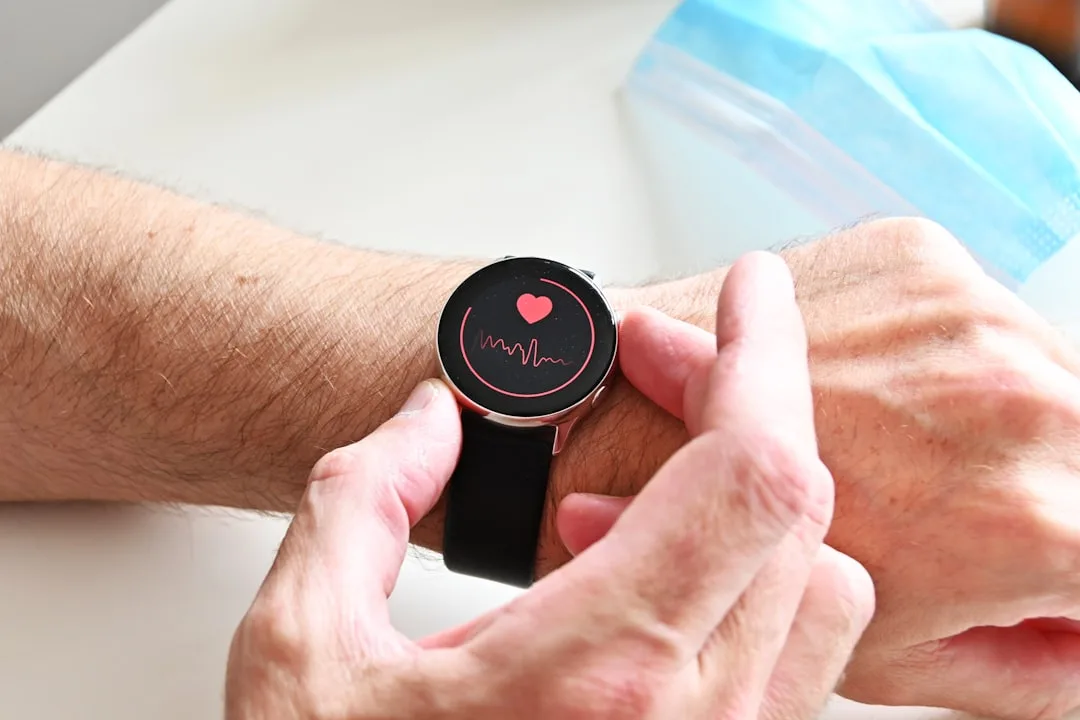
A person tracking blood pressure, blood glucose, and resting heart rate isn’t chasing a six-week abs result. They’re building a baseline for the next 30 years. The wearable technology fitness data becomes a conversation between you and your body’s aging process, not between you and your mirror. That’s why wearable technology held top-three rank in nearly all professions and age groups surveyed in ACSM’s research.
When you can see how a specific workout, sleep session, or stress day affects your heart rhythm and glucose stability, you stop training in the abstract. You train for your actual physiology.
The App Ecosystem That Moves Faster Than Devices
Wearable technology fitness devices are the hardware, but the software is what creates real behavior change. In 2024 alone, more than 345 million people used fitness apps generating over 850 million downloads. That ecosystem is now optimized to receive real-time data from your wearable and adapt programming on the fly.
The ecosystem includes apps that interpret HRV trends, apps that adjust macronutrient ratios based on blood glucose response, and apps that coach recovery timing based on skin temperature fluctuation. Some apps now incorporate interval walking transforms fitness with structured intensity windows, adapting those intervals to your live heart rate data.
The integration between wearable technology fitness and software is where longevity behavior actually gets built. The device captures the data. The app interprets it. Your behavior changes. The cycle repeats with fresh data.
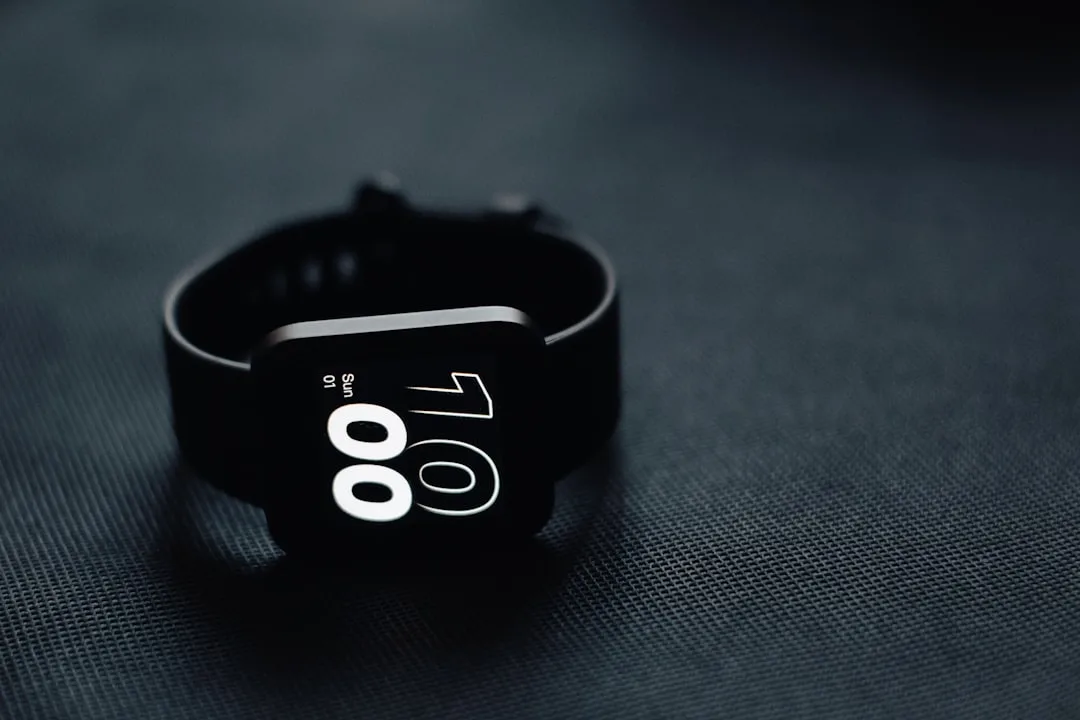
Building Your Wearable Technology Fitness Practice
Start by identifying the metrics that matter most to your goal. If longevity is the focus, prioritize heart rate variability, blood pressure, and resting heart rate. If you’re managing energy systems, blood glucose tracking becomes essential. If stress resilience matters, skin temperature and HRV together paint the picture.
Next, choose an app ecosystem that integrates with your device and speaks the language of real-time programming. Many generic fitness apps treat wearable data as decoration. You need systems that actually reprogram your workout based on what the sensors show.
Finally, commit to the decision loop. Measure. Interpret. Adjust. Measure again. That’s where wearable technology fitness becomes effective. The device is just the mirror. You’re the one deciding what to do with the reflection.