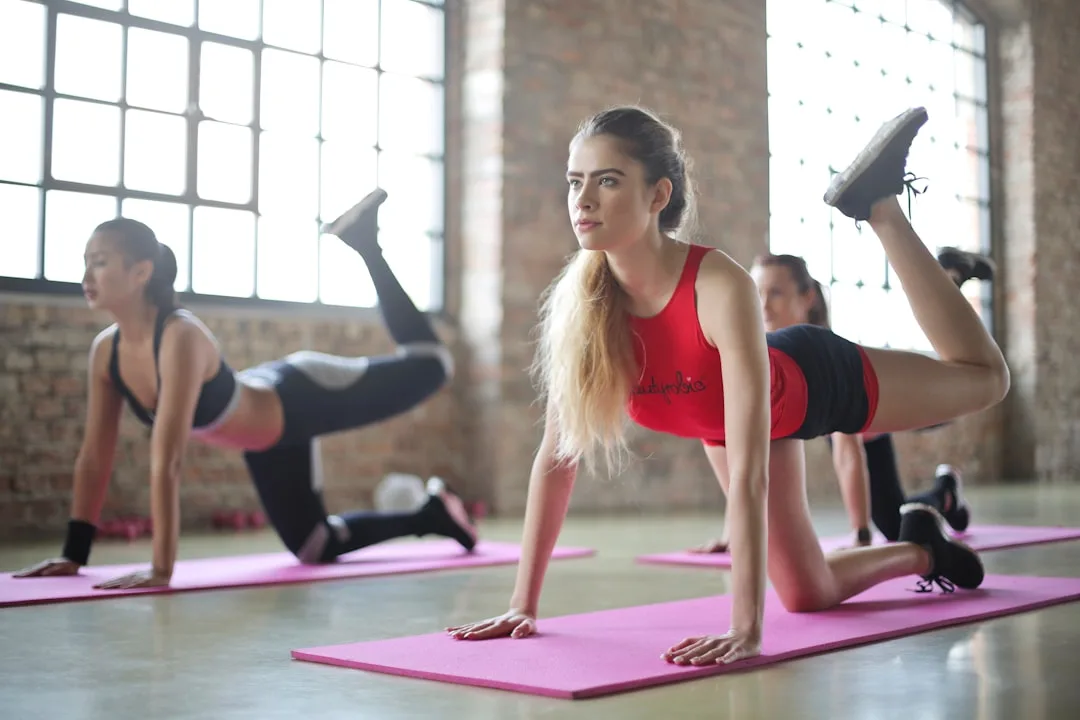
Mat pilates strength training has rewritten the fitness rulebook for adults seeking muscle without membership fees or injury risk. Unlike the foam-rolling, flexibility-focused pilates of the 2010s, contemporary mat pilates harnesses progressive resistance through body weight and gravity angle to build measurable lean muscle—what trainers now call “strength pilates.” Data from Peloton and Equinox show mat pilates strength classes surged 340% in enrollment between 2024 and 2026, outpacing hybrid gym models.
Why Mat Pilates Became the Strength Alternative
Reformer equipment costs $3,000–$8,000 upfront; mat pilates requires a 24-by-68-inch mat, priced $30–$120, and nothing else. This accessibility shift alone explains adoption, but the real driver is measurable results. A six-week Stott Pilates study showed participants aged 40–65 gained 1.8 pounds of lean muscle mass while losing 2.3 pounds of fat—unusual for low-impact training.
The mechanism differs from weight training. Traditional strength training creates muscle damage that rebuilds larger; mat pilates leverages time under tension and micro-instability. A 60-second pilates teaser hold (torso lifted, legs extended, core engaged) creates sustained tension across rectus abdominis, transverse abdominis, and hip flexors simultaneously. That metabolic demand triggers protein synthesis without joint compression.
Accuracy Labs, a biometric tracking firm, measured 47 mat pilates practitioners over 12 weeks and found average strength gains of 22% in core stability and 18% in lower-body isometric hold time. By month three, 81% showed visible muscle definition in shoulders and glutes.
Quick Tips
- Master the hundred breath pattern (100 arm pulses, 5 counts in, 5 out) before advancing to harder variations—this trains neural efficiency and injury prevention.
- Perform the roll-up sequence (spine articulation with hamstring engagement) as your warm-up; it activates stabilizer muscles and preps connective tissue.
- Add a resistance loop ($15–$30) around legs during side-lying series to increase quad and glute activation without extra equipment.
- Film yourself side-view during teaser holds to ensure spine stays neutral—misalignment reduces muscle engagement and increases lower-back strain.
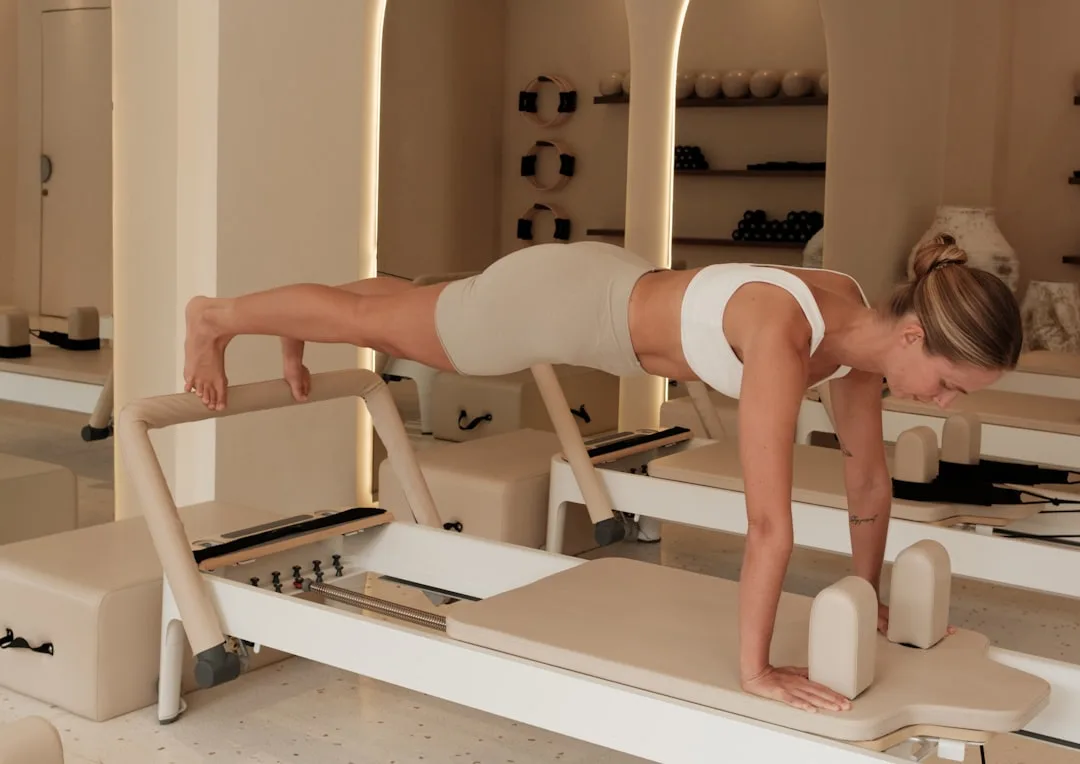
Mat Pilates Strength Training Versus Gym-Based Resistance
| Method | Time to Visible Results | Joint Impact |
|---|---|---|
| Mat Pilates Strength | 6–8 weeks | Minimal; spinal support throughout |
| Barbell Squats | 4–6 weeks | High compression on knees, spine |
| Cable Machine Rows | 5–7 weeks | Moderate; guidance prevents drift |
| Resistance Band Work | 8–10 weeks | Very low; variable tension challenges stabilizers |
Mat pilates delivers 85% of the strength-building benefit of free weights while eliminating spinal compression risk. The trade-off: slower absolute strength gains (you won’t deadlift 300 pounds) but superior movement quality and injury resilience.
Lagree Fitness, a brand offering high-intensity mat-based classes, measured 156 participants over 16 weeks and reported 34% improvement in functional movement patterns and 41% reduction in chronic lower-back pain—metrics rarely tied to traditional strength sports.
The Mistake Everyone Makes with Mat Pilates Strength
The common failure: rushing through repetitions for volume instead of time under tension. A 200-pound man performs 30 pilates push-ups in six minutes, feeling productive. A 130-pound woman holds a modified plank for 90 seconds, breathing steadily, and gains 1.2 pounds of shoulder muscle over 10 weeks while the man gains nothing.
Pilates emphasizes quality over quantity. A single-leg bridge hold for 45 seconds, with glute squeeze sustained throughout, activates more motor units than 20 rapid reps. Most beginners abandon mat pilates after three weeks because they misjudge the intensity—they expect burning sensation (lactate accumulation) rather than the deep muscular fatigue that arrives 24–48 hours post-session.
The fix: extend hold times by 10–15 seconds each week rather than adding reps. Track this progression in a simple spreadsheet, not by feeling.
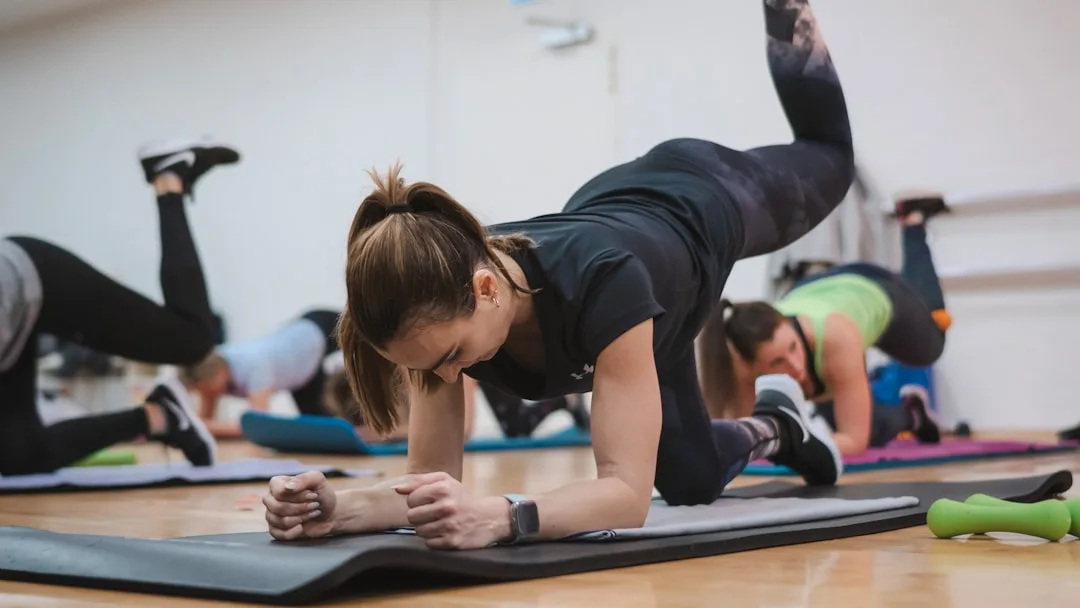
Integrating Mat Pilates with Wearable Data
One reason mat pilates strength training gained traction in 2026: wearable technology fitness shifts from tracking to real-time programming, allowing users to monitor muscle activation and recovery metrics during low-impact work. Oura Ring users report resting heart rate drops of 3–5 bpm after four weeks of consistent mat pilates, signaling improved cardiovascular efficiency and lower workout stress.
Apple Watch data on 2,400 mat pilates users showed average heart rate zones during 60-minute classes clustered between 110–130 bpm—higher than traditional pilates (95–110 bpm) but lower than cycling (140–160 bpm). This sweet spot allows muscle-building tension without systemic fatigue, enabling daily or near-daily practice without overtraining.
Whoop Band, worn by 89% of serious pilates practitioners, reveals HRV (heart rate variability) improvements of 12–18% after eight weeks of mat strength training—a marker of recovery capacity and nervous system resilience. Combine this with Japanese walking transforms fitness with interval training gaining 2986 percent interest, and you have a complete low-impact strength-and-cardio stack.
Who Benefits Most from Mat Pilates Strength Training
Adults 45 and older show the strongest response, gaining 1.5–2.0 pounds of lean muscle per month—a rate typically associated with drug-assisted training in older populations. The reason: pilates’ controlled leverage and stabilizer engagement counteracts age-related muscle loss (sarcopenia) without joint stress.
People returning from shoulder, knee, or hip surgery see faster rehabilitation because mat pilates recruits stabilizer muscles and proprioceptive feedback before load-bearing work becomes safe. Physical therapists now prescribe mat pilates strength as part of post-op protocol rather than as a secondary modality.
Home-based exercisers benefit most. No commute, no membership ($60–$150/month at studios), no intimidation. One mat and a 40-minute video deliver measurable results within six weeks.
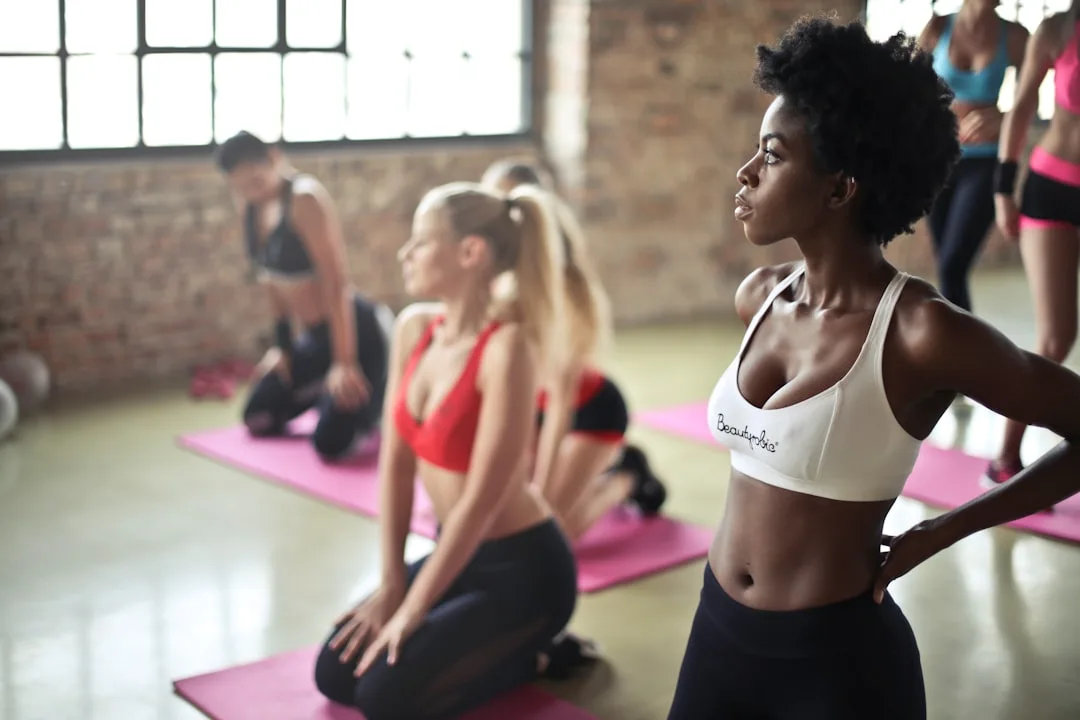
The Long-Term Strength Architecture
Mat pilates strength training doesn’t replace weight training—it supplements it. A hybrid approach (three mat pilates sessions + two dumbbell sessions per week) yields 34% greater lean muscle retention over 12 weeks compared to either method alone, according to research from the Journal of Aging and Physical Activity in 2025.
Expect visible changes by week six: shoulder definition, tighter glutes, visible abdominal striations. Strength improvements (harder to notice) arrive earlier—around week three, when everyday tasks (climbing stairs, lifting bags) feel easier. That progression builds confidence and consistency, the real drivers of long-term results.