Stretched natural hair styles are the most honest way to see what your length actually is — and I say that as someone who spent two years convinced my hair was stuck at shoulder length while banded styles proved otherwise. The three looks in this collection use heat-free and low-heat methods to elongate curl pattern without flattening texture, and each one photographs well enough to carry a whole outfit.
Natural hair stretched styles work because they interrupt the spring-back cycle that causes shrinkage — not by fighting the curl, but by setting the strand while it dries in a longer position. You can keep 80–90% of your curl pattern intact using banding, threading, or the tension blowout method, and the result wears for three to five days with a satin bonnet overnight.
Every look here covers a different technique so you can pick what fits your schedule and your relationship with heat. None of them require a salon. The most complex one — the tension blowout — takes about forty-five minutes and a Conair 1875W dryer you already own.
– Banding and African threading stretch natural hair without any heat — up to 50% more length than a wash-and-go
– The tension blowout (holding each section taut while blow-drying) gives a fluffy, voluminous result with minimal frizz
– A braid-out is the lowest-manipulation option: braid damp hair at night, unravel in the morning
– Moisture before any stretch method is non-negotiable — dry strands snap instead of elongating
– Satin bonnet overnight extends every stretched style two to three extra days
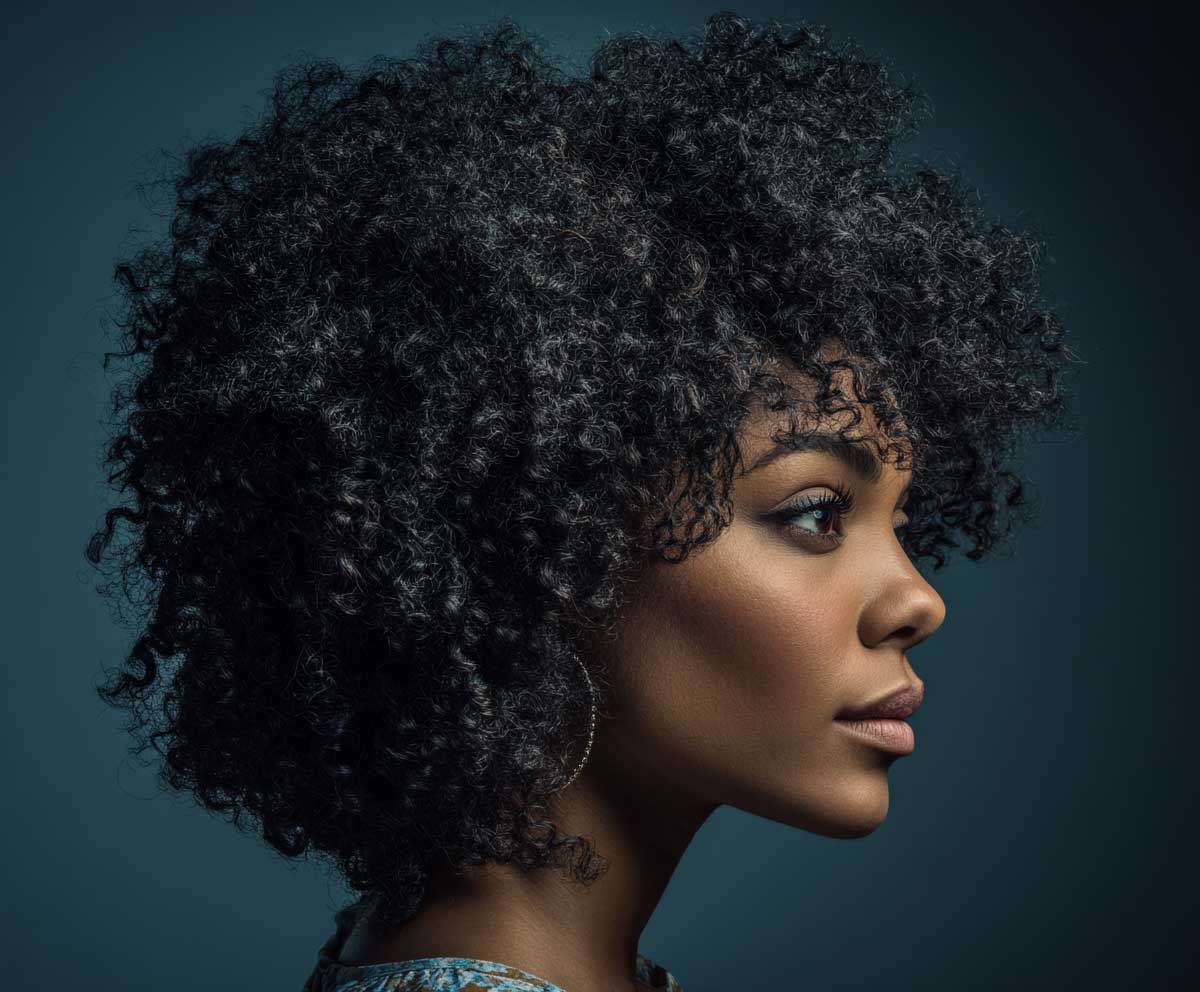
Mahogany Fluff Afro Built From a Heat-Free Stretch
Stretched natural hair styles don’t get more satisfying than a picked-out afro that holds its shape for days — and the banding method is what makes this version work without a single pass of heat. You section damp hair into four to eight parts, wrap a soft elastic band every inch or two from root to tip, and let it air-dry completely. What comes off the bands is elongated, definition-intact, and ready to be fluffed into the kind of halo that stops conversations. Mahogany tone here is doing serious work: the warm red-brown catches light in a way that straight black wouldn’t, making every separated strand visible.


The picking step is where most people ruin the volume — and I’ve done it wrong myself. Using a metal pick from the roots up (not from the ends down) is the only method that creates real lift without tearing the strand. Start at the scalp, push upward in short pulses rather than dragging through, and stop the moment you feel resistance. Raking through too aggressively turns a sculptural afro into a triangle of frizz with no shape at the sides. The fluffed result should feel light in your hand, not dense — if it feels heavy, the hair wasn’t fully dry before the bands came off.
Moisture before banding is what makes or breaks this. My go-to is SheaMoisture Manuka Honey & Mafura Oil Intensive Hydration Masque ($14) applied to damp sections before the bands go on — it seals enough to prevent frizz but doesn’t weigh the strand down enough to inhibit lift. A light oil like jojoba pressed through the roots once the style is fully fluffed adds the shine that makes mahogany pop in photos. Does the style work on type 4C hair the way it does on 4A? Yes, but 4C needs fuller saturation before banding — damp isn’t enough, the hair wants to be genuinely wet when the bands go on so it dries into the elongated position rather than reverting mid-dry.
I’ve seen people try to rush this by fluffing before the hair is bone dry and the result is always the same: a soft, limp mound instead of a defined sculptural afro. Banding needs full air-dry time, which is two to four hours depending on density. Plan it as an overnight style and you’ll wake up to exactly what these photos show. For more on protective hairstyles that keep natural hair healthy between washes, there are eight options on ArtFasad that work as follow-up styles once the afro needs a refresh.
Indigo Tension Blowout on Stretched Natural Hair
Styling stretched natural hair with a tension blowout gives you a fluffy, elongated result that keeps more curl pattern than a brush blowout — and the technique is simpler than it sounds. You hold each damp section taut between two fingers and run the dryer nozzle down the shaft at low-to-medium heat, keeping the dryer moving constantly rather than camping on one spot. The hair dries in the stretched position and holds it. No brush, no comb attachment, no direct high heat dragging across the strand. With an indigo tint layered over dark natural hair, the result looks dimensional under studio or natural lighting without any harsh contrast.



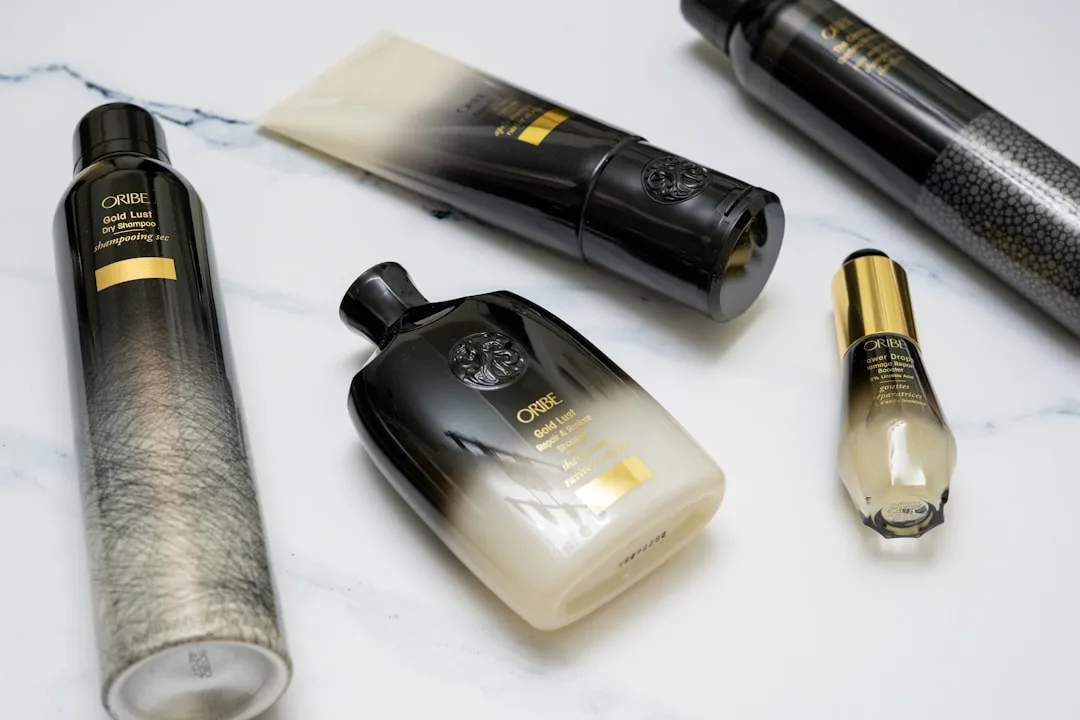
Heat protectant is non-negotiable here — skipping it to save three minutes is the reason some people get single-use blowouts that look fried by day two. Kenra Platinum Silkening Mist ($24) is what I reach for before any tension blowout: it layers without coating the strand in wax, which means the curl pattern reverts cleanly when you want it to rather than sticking in a halfway state. Section the hair into eight to ten parts for even coverage, clip each out of the way, and work through one at a time. The whole process on medium-length natural hair takes thirty to forty-five minutes — faster than a brush blowout because you skip the detangling step a comb attachment demands.
Indigo works on stretched natural hair as a semi-permanent rinse rather than a full color process, which means zero bleach and zero developer — the pigment deposits onto the outermost layer of the strand and rinses gradually over four to six weeks. Arctic Fox Poseidon ($12) applied to dry hair for thirty minutes before shampooing gives the cool blue-violet depth without any commitment. You’ll notice it most in sunlight, which is exactly when stretched natural hair already shows off its length the best. A satin wrap at night compresses the blowout back toward the head, preventing friction and allowing the style to last three to four days without re-stretching.
Don’t tension-blowout on completely dry hair. The technique works because damp strands dry into the elongated position — dry hair just gets heat damage without any stretch benefit. Don’t use a comb attachment on tightly coiled type 4 hair during a blowout — it creates more breakage than elongation. And don’t skip sections at the nape: that’s where shrinkage is the most extreme and where people most often give up halfway, leaving a thick shrunken section under a fluffy top layer that looks fine until you turn around.
Day three of a tension blowout is when the styling options actually expand. The stretched pattern at that stage is loose enough to braid into a quick halo or chunky twist-out without needing re-wetting, and the indigo tint has oxidized slightly into a warmer violet that looks richer than it did fresh. I stole this trick from a loctician who told me to stop washing out blowouts and start transitioning them — it keeps the hair from drying out between wash days and adds an extra two or three looks from a single stretch. You can also find detailed guidance on natural hair twist styles that work perfectly as blowout follow-up looks once the initial stretch starts to relax.
For a deep breakdown of tension blowout mechanics across different curl types, Black Hair Information’s tension method tutorial is the clearest technical breakdown available — it covers heat settings, section size, and what the hair should feel like at each stage of drying.
Strawberry Brown Braid-Out Waves That Last Three Days
Styling stretched natural hair with a braid-out is the lowest-effort, highest-return move in the entire toolkit — you do the work at night and wake up to waves that look intentional. Divide damp hair into medium sections (eight to twelve braids works for most densities), apply As I Am Twist Defining Cream ($10) from root to tip, braid to the end, and sleep. The strand dries in the braided shape and when you unravel in the morning — slowly, from the bottom up — you get elongated S-waves with soft definition and actual length visible. Strawberry brown highlights make the wave pattern three-dimensional: the lighter strands catch light differently from the deeper base, so each wave has its own visible shadow and shine.


The number-one braid-out mistake I’ve watched people make is separating the braids from the top down instead of the bottom up. Top-down unraveling drags the wave pattern out of shape before it’s been set by enough tension at the ends — you get a frizzy root section and undefined tips. Bottom-up is slower but the wave holds from shaft to end. Press each separated section between your palms to flatten slightly rather than pulling it apart, which preserves the S-curve. Does braid size matter? Yes — thicker braids give broader, more relaxed waves closer to a stretched afro, while smaller braids produce tighter definition that looks like a twist-out.
Strawberry brown as a color is worth using on natural hair specifically because it flatters cool and warm skin tones in the same way: on deeper complexions it reads as rich auburn, on medium tones it sits closer to a warm coppery red, and on lighter skin it photographs almost rose. The color doesn’t require bleach if your natural hair is already a medium brown — a single-process deposit like Manic Panic Electric Tiger Lily ($14) applied to stretched dry hair for forty-five minutes gives the strawberry warmth without damaging the strand before a braid-out. Damaged hair doesn’t hold braid-out definition because the cuticle is too roughed up to spring back into a clean wave.
Re-braiding at night to refresh the pattern on days two and three adds at least two more wears from one wash day — I own a satin bonnet specifically for this and it’s done more for my length retention than any product I’ve bought. The braid-out also transitions cleanly into a high puff on day three when the waves have relaxed too much to wear loose: gather, secure with a soft elastic, pull a few face-framing pieces forward, and it reads as a completely different style. That transition is what makes stretched natural hair styles worth the small effort investment — one method produces three distinct looks across a week.
Final Word
Stretched natural hair styles give you length, shape, and three days of looks from one wash.
The banding method is zero heat and zero effort — set it overnight and pick it out in the morning.
The tension blowout takes forty-five minutes and builds a base for every follow-up style that week.
Strawberry brown braid-out waves prove that color and technique together create dimension no single-process look can match. Save this post.