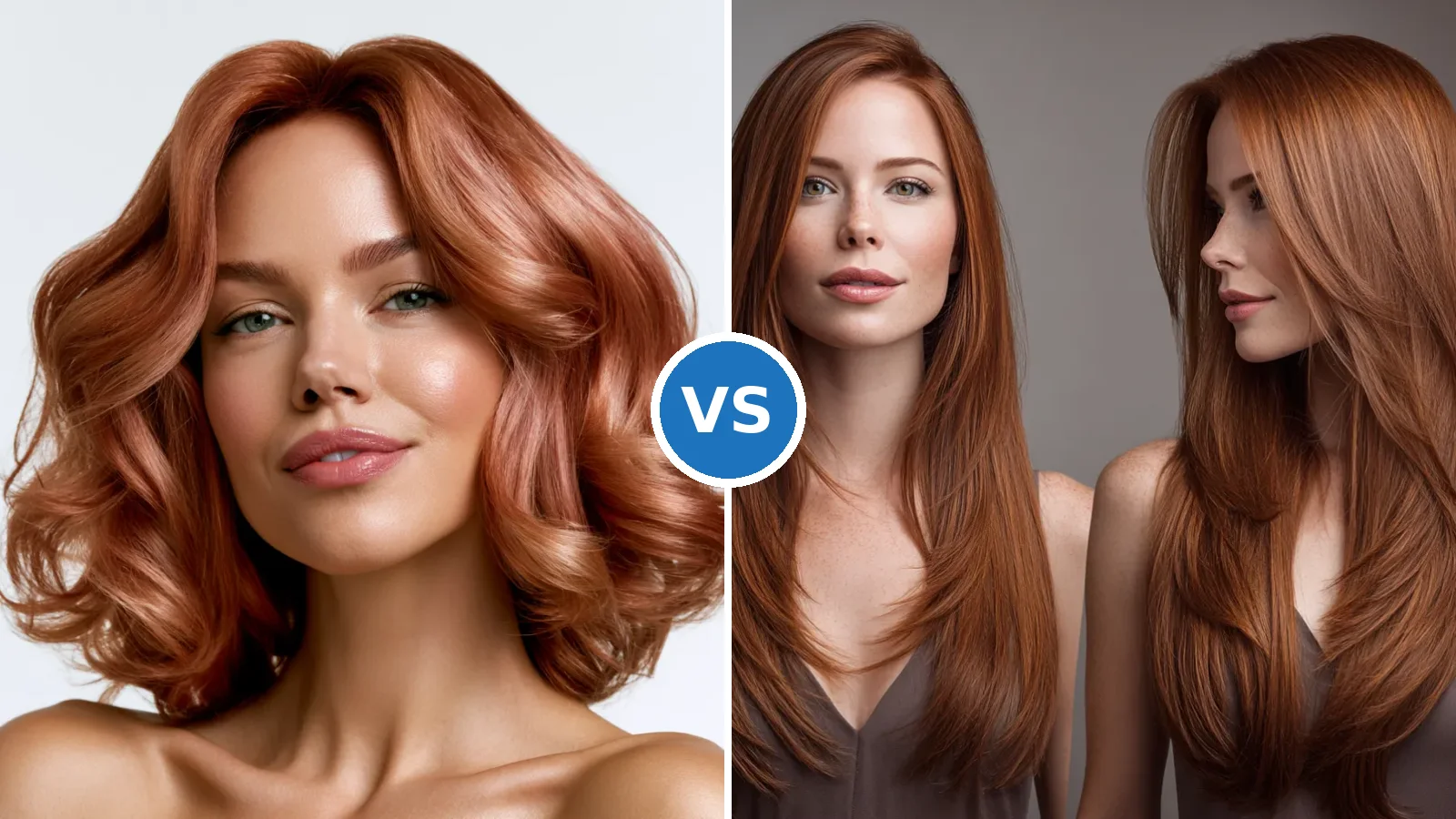
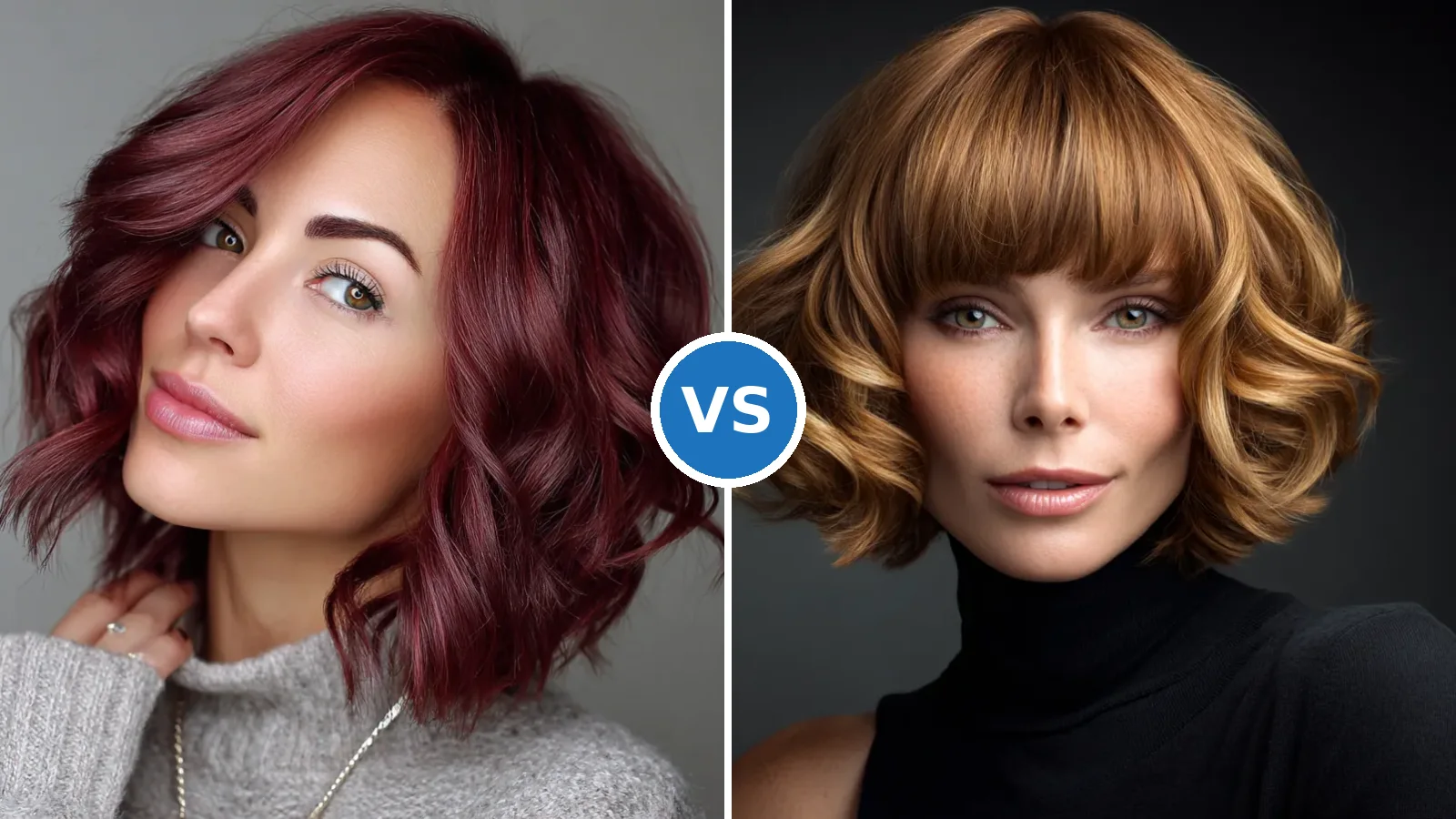
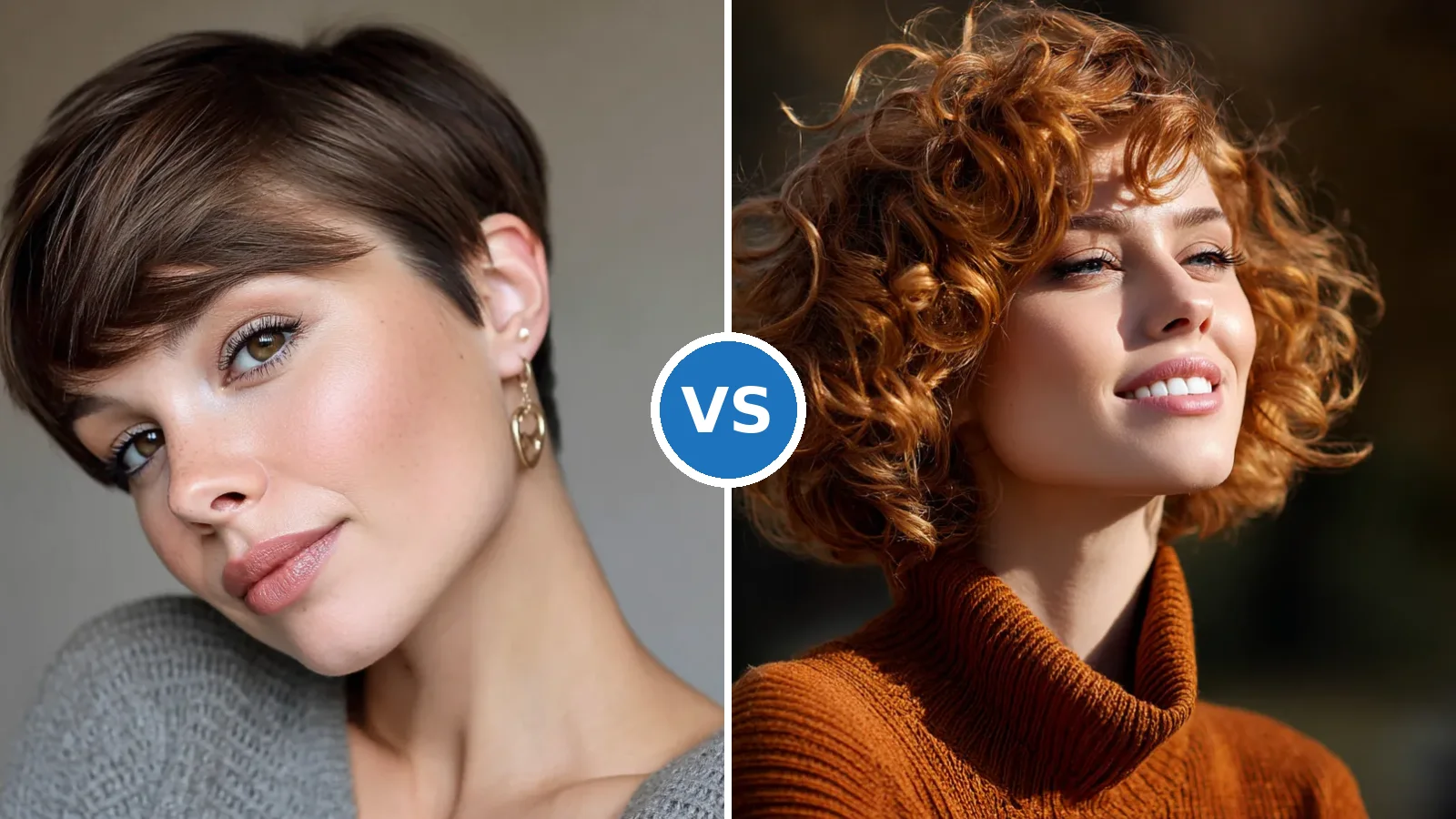
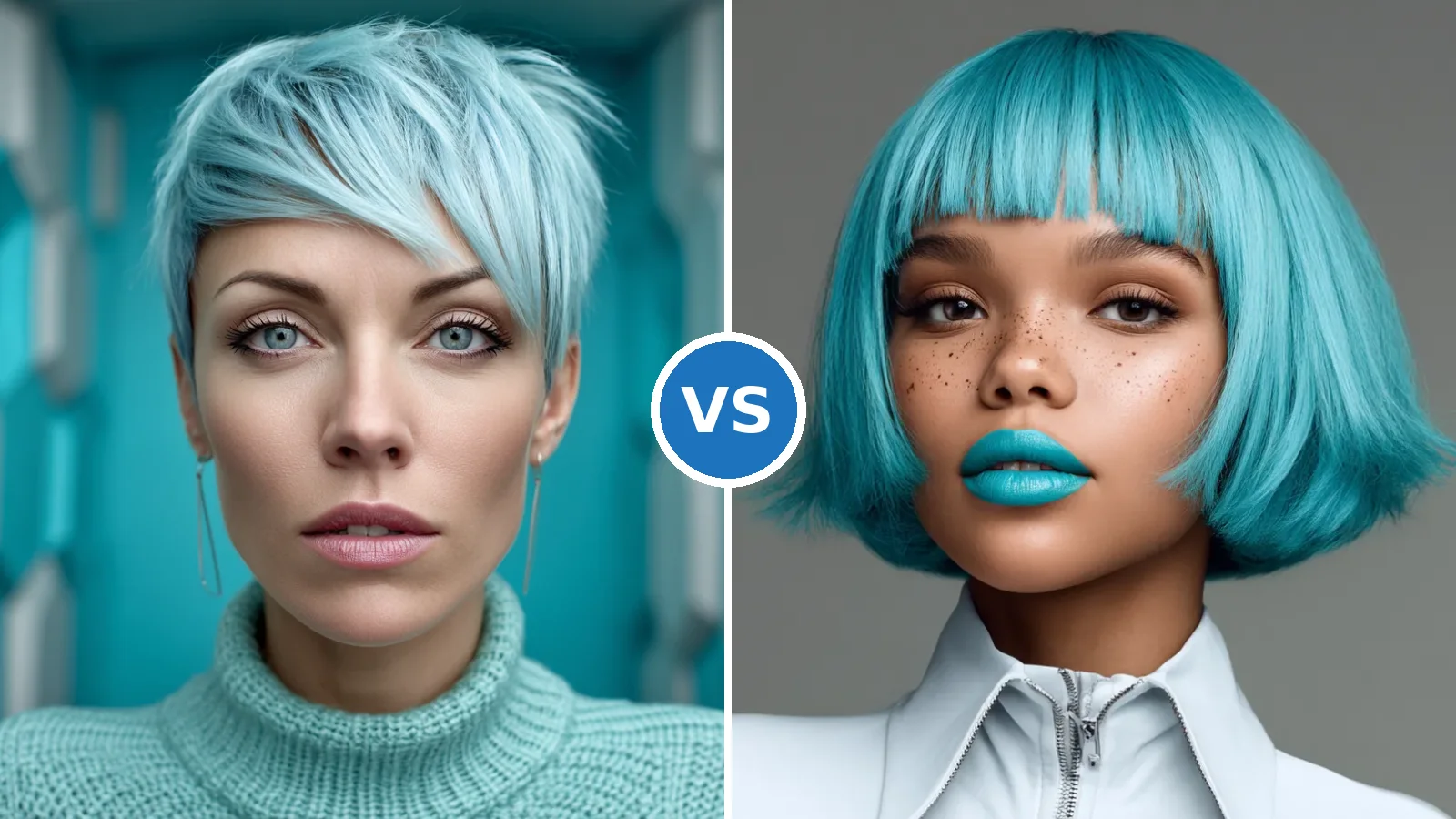
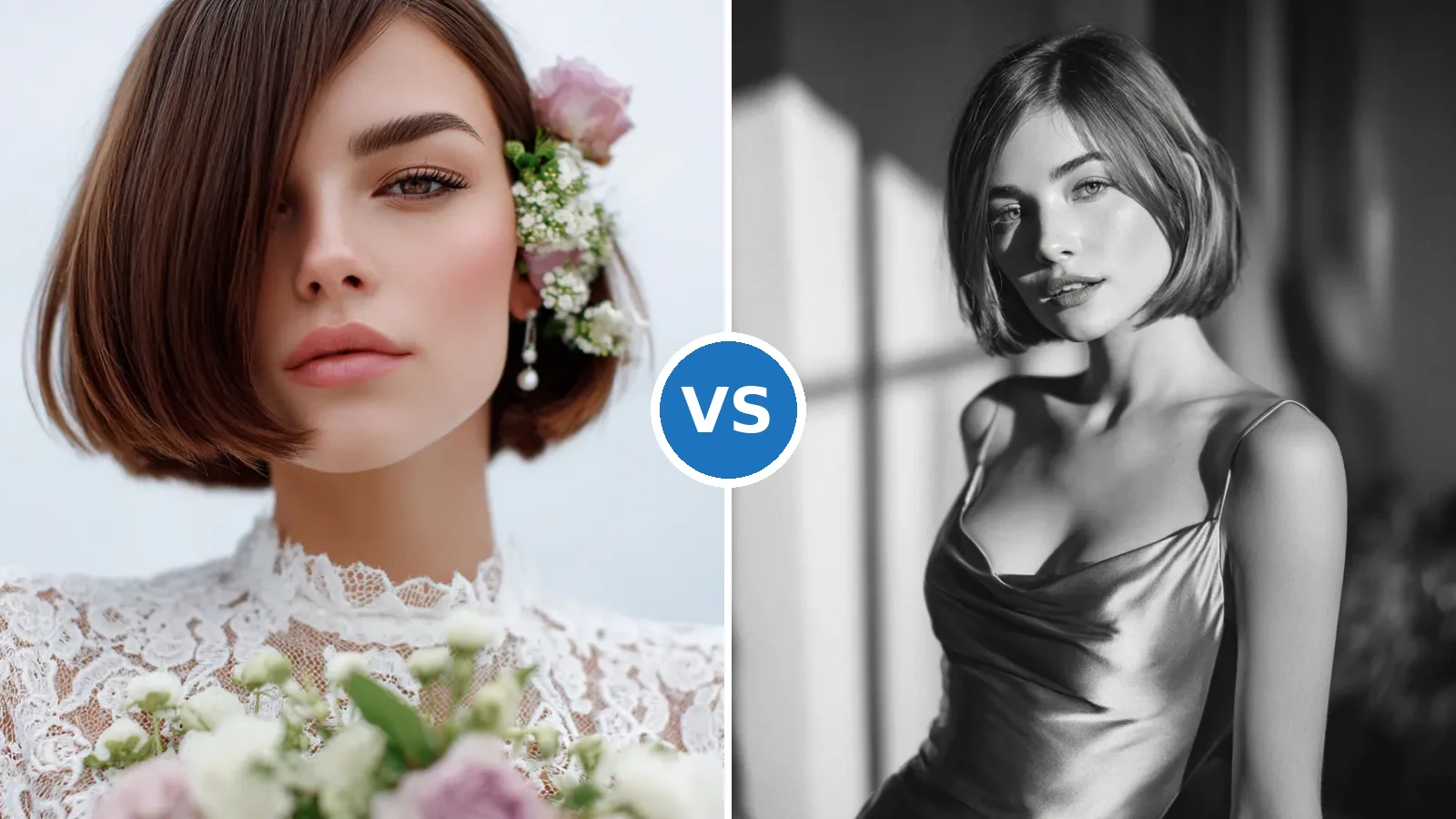
The jennifer aniston haircut layers formula hasn’t aged because the mechanics are genuinely clever. Face-framing pieces cut to hit at the cheekbones create a brightening effect without requiring highlights, while longer layers underneath carry enough weight to keep everything from going poofy. Stylists refer to this structure as a C-cut or curve cut — shortest at the face, graduating longer toward the back, so the whole silhouette swings inward rather than flaring out.
The cut works across five very different color stories — golden blonde, rich chocolate, icy platinum, soft auburn, and jet black — and each combination behaves differently in terms of how visible the layers look, what maintenance costs, and what styling products you actually need. The color changes the cut more than most people expect.
A layered haircut at a mid-range salon runs $30–$150 depending on hair thickness and stylist experience. Color on top of that adds $60–$400 depending on technique. The five variations below break down exactly what each combination costs to maintain, and which ones are genuinely worth the upkeep.
Quick scan — what this article covers:
- The C-cut (curve cut) structure that defines Jennifer Aniston’s layered look in 2025
- Golden blonde: how layers and warm tones interact, and why Olaplex No.4P ($26.95 at Walmart) prevents brassiness
- Rich chocolate: why sleek-straight styling makes layers more visible in dark brunette hair
- Icy platinum: root touch-ups every 4–6 weeks — the maintenance reality before you commit
- Soft auburn: L’Oréal Technique Soft Auburn at $13.19 (Sally Beauty) as a low-cost entry into this shade
- Jet black: how sulfate-free shampoo extends color life up to 4 extra weeks per cycle
- Comparison table: all five variants by key attributes
Golden Blonde Layers Catch Light Differently Than Any Other Color Combo
Golden blonde paired with the Jennifer Aniston layered haircut creates a visual effect that works almost like a natural highlighter. The warm yellow-gold tones land on the outermost layer — the face-framing pieces — and reflect light in a way that draws the eye toward cheekbones and away from jaw width. Hairstylist Annagjid “Kee” Taylor, who has described the curve cut’s mechanics in detail for InStyle, notes that this structure’s shortest layers are designed specifically to hit facial structure rather than fall past it. That’s the trick: the shortest pieces aren’t random — they’re architecturally placed to do the work of contouring without makeup.


The maintenance math for golden blonde is more forgiving than most people assume. Brassiness is the main enemy — the yellow-orange tones that creep in as the hair oxidizes — and a purple shampoo used twice weekly handles it without a salon visit. Olaplex No.4P Blonde Enhancer Toning Shampoo runs $26.95 for 8.5 oz at Walmart. Use it two times per week maximum — more frequently and it starts depositing enough pigment to shift your blonde visibly gray. One bottle lasts roughly two months at that frequency.

What doesn’t work with golden blonde layers: skipping the blowout and air-drying without product. Without the round brush pulling ends under and the nozzle pointed down the hair shaft, golden-blonde layers default to a slightly frizzy, shapeless mass that loses all the crisp layer definition. The warmth of the color picks up every bit of frizz and amplifies it. Stylists recommend a weekly deep conditioning mask — a hydrating mask runs $30–$45 per jar at most beauty retailers — and trims every six to eight weeks to keep the ends sharp rather than split and frayed. A blunt-cut end on a golden layer catches light in one clean line; a split end scatters it into nothing.

Soft waves are where this combination earns its reputation. Wrap sections around a 1.25-inch barrel alternating direction — one section away from the face, the next toward it — then let the curls cool completely before shaking them out. That alternating direction is what separates individual floating waves from a single clumped spiral. The golden-blonde tones read warmer in natural light and more honeyed in interior lighting, which makes this genuinely one of the more photogenic color-and-cut combinations you can take to a salon appointment.
Rich Chocolate and Jennifer Aniston Layered Haircuts — Depth Does the Heavy Lifting
Chocolate brown on the Jennifer Aniston layered haircut structure is where the cut’s geometry becomes most visible. Dark hair absorbs light rather than reflecting it, which makes each layer edge read as a clean defined line against the layer beneath. That’s the mechanical reason stylists push chocolate brown clients toward sleek-straight blowouts rather than waves — the precision of the layers becomes part of the visual statement, and waves soften the edges that make the cut interesting. A single-process chocolate brown at a mid-range salon runs $60–$150 nationally, according to StyleSeat’s pricing data.


The face-framing layers in chocolate brown have a specific effect worth knowing: the contrast between the dark base and skin tone creates more prominent facial definition than lighter colors do. This makes the cut genuinely more flattering on strong bone structure — sharper cheekbones and jawlines get highlighted. Rounder face shapes can still wear this combination effectively, but the face-framing pieces should be kept at or below jaw length rather than higher. Shorter pieces above the jaw in a dark color frame a round face like parentheses rather than softening it. That’s the anti-advice most colorists won’t volunteer unless you ask.

Maintaining chocolate brown is lower friction than any blonde or red variant. A sulfate-free, color-safe shampoo used two to three times per week is the main requirement — sulfates open the hair cuticle and pull dye out with each wash, shortening the color cycle measurably. A shine serum applied after heat styling — a few drops on palms, smoothed over the surface layer — amplifies the reflective quality that makes dark layers look intentional rather than flat. What visually kills this look is dullness. Chocolate brown hair that has lost its sheen looks flat and lifeless; the same haircut on glossy hair looks expensive. For more modern layered haircuts for women in chocolate and other colors, that comparison breaks down how each shade interacts differently with the layered structure.

The styling range with chocolate layers is broader than most people use. A low bun with a few face-framing pieces pulled out works at a professional level. Loose natural flow works casually. A half-up section pinned at the crown with the layers falling free reads as the most versatile middle ground. The common mistake is overdoing the product — chocolate brown hair in particular picks up every extra pump of serum or spray and turns the shine into greasiness within a few hours. Two drops of serum max, applied before blow-drying, not after.
Don’t do this with layered haircuts and color:
Avoid using a titanium flat iron above 400°F on color-treated layered hair regardless of shade. Titanium plates run hotter than ceramic and strip moisture from the cuticle in a single pass — a consistent problem with fine to medium hair. The practical result: ends go brittle, layers stop lying flat, and the tips start breaking off rather than growing out cleanly. A ceramic iron at 350°F for fine hair and 380°F for medium thickness does the same smoothing job without the damage. Also: never flat-iron the same section twice in one session. One pass, done. A second pass on already-heated hair is where breakage starts.
What Icy Platinum Actually Costs Before You Commit to This Jennifer Aniston Haircut Color
Icy platinum is the version of the Jennifer Aniston layered haircut that looks most editorial and requires the most honest conversation before you sit in the chair. Olaplex lays out the commitment plainly: root touch-ups every 4–6 weeks to prevent banding, plus gloss or toner appointments between those to maintain tone. For natural brunettes, the initial lightening process can take 2–4 separate salon sessions spaced weeks apart. The cost per session for a color specialist runs $100 or more per hour and takes up to 3–4 hours, according to multiple professional sources. This is not the budget option.


The visual payoff is real: icy platinum highlights every edge and angle of the layered cut in a way no warm color does. Light platinum tones reveal the geometry of the C-cut structure — shortest pieces at the face, longer graduation toward the back — because each layer edge shows up as a distinct tonal shift rather than blending into the mass of hair below it. Styled straight, the result reads as high-fashion and architecturally precise. Soft waves add femininity without softening the boldness of the shade. According to the Olaplex platinum maintenance guide, OLAPLEX No.4P Blonde Enhancer Toning Shampoo used one to two times per week neutralizes yellow tones between salon visits — a necessary step that platinum hair requires permanently, not temporarily. For a full breakdown of what platinum upkeep actually involves, the Olaplex platinum blonde maintenance guide covers the week-by-week routine in detail.

The honest anti-advice: do not stretch platinum root touch-ups past eight weeks. Katie Blue Salon’s platinum care documentation puts it directly — eight weeks is the absolute maximum before the regrowth hits color-correction territory, which is an entirely different and more expensive problem. Hair that has been bleached is already more porous than virgin hair, which means it loses moisture and color faster than you expect. A weekly deep conditioning mask is not optional with this shade; it’s the baseline. What looks like a bold style choice is actually a lifestyle commitment that shows up on your schedule and your credit card statement every month.
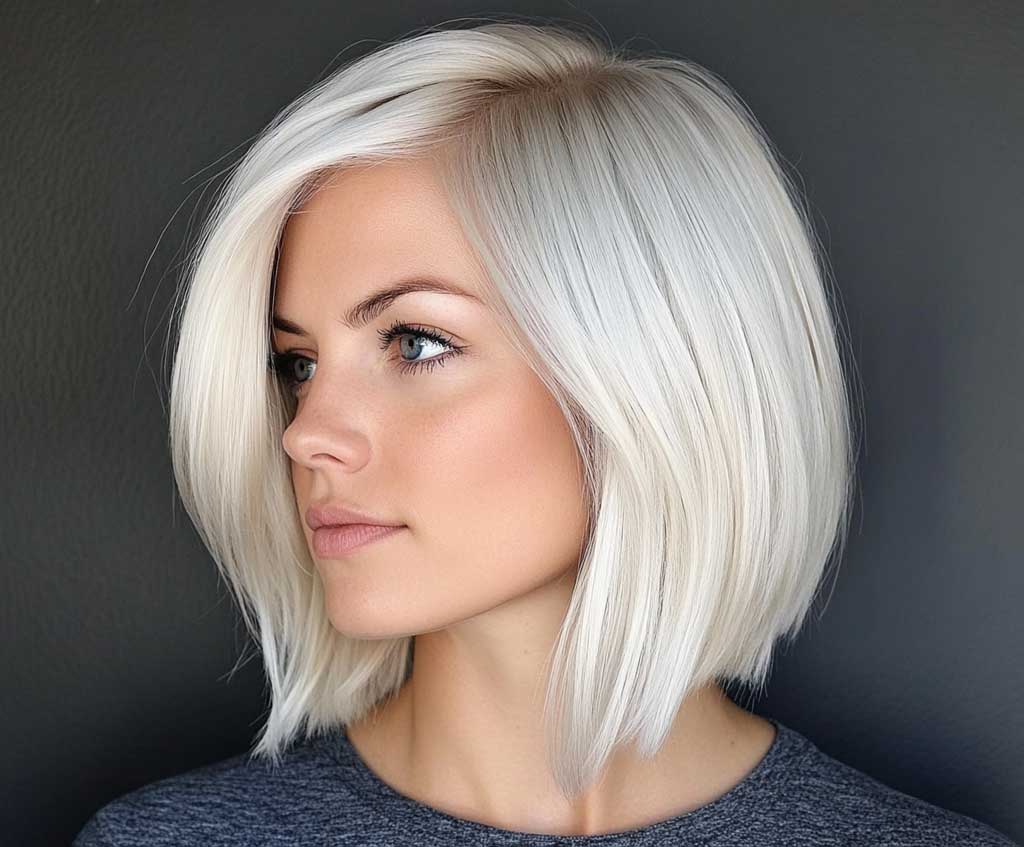
Minimalist fashion does more for this combination than heavy accessories. Silver jewelry and cool-toned makeup — soft gray shadow, a muted pink lip — maintain the visual coherence of the cool palette rather than competing with it. The contrast between icy platinum hair and warm-toned clothing creates a jarring disconnect that’s easy to avoid. This cut worn in a sleek updo or a half-up style keeps the platinum at eye level and the layer structure visible from the front — which is where the architectural work is most impressive. Layered shoulder length hairstyles cover multiple blowout techniques that apply directly to platinum layers at this length.
Soft Auburn Layers Flatter More Skin Tones Than Any Other Jennifer Aniston Haircut Color
Soft auburn on a Jennifer Aniston layered haircut combines reddish-brown warmth with the face-framing structure in a way that genuinely broadens the range of skin tones it flatters. Unlike icy platinum, which leans cool and works best against pale to medium cool-undertoned skin, auburn red has enough warmth to complement olive, warm medium, and fair skin alike. The layered cut’s shortest pieces land at the cheekbones and pick up the red undertones from the color, creating a subtle flush effect around the face. L’Oréal Technique Soft Auburn permanent creme runs $13.19 at Sally Beauty — one of the more affordable entry points into this shade family.


Red tones fade three times faster than brown pigment molecules due to their smaller molecular size — that’s the actual chemistry reason auburn hair looks dull within a few weeks of coloring without maintenance. A gloss treatment every three to four weeks keeps the red undertones from washing out. At-home options like the Glaze Auburn Spice Super Gloss ($29.99 at Sally Beauty) are semi-permanent conditioning treatments that deposit color and shine in one step, lasting around ten washes. Does this mean monthly product costs? Yes. That’s the honest tradeoff against the $13 box color entry price.

Loose waves are where soft auburn layers reach their visual peak. The warmth of the color, amplified by wave movement catching light at multiple angles, creates a dimensional effect that genuinely reads richer than the flat single-process color suggests. Straight styling works for professional contexts — the auburn tone reads more saturated and polished without wave variation. What doesn’t land well with this combination: heavy dark eyebrows and heavy dark makeup. The warmth of auburn hair reads best with complementary warm-toned makeup — terracotta, peach, warm nudes — rather than cool grays or stark blacks that fight the hair rather than echo it.

Trim frequency matters more with auburn than with darker brunette shades because split ends on a warm red show as a visibly faded, almost orange tip that contrasts against the richer mid-shaft color. Stylists recommend trims every six to eight weeks for this reason specifically — the same interval that applies to the Jennifer Aniston cut structure generally, but with color-fade visibility as an added motivator. A regular trim costs $25–$55 nationally and keeps the layer ends reading clean rather than worn. Gold jewelry and earth-toned clothing pull the whole look into coherent territory without any additional effort.
Jet Black Layers and the Cut That Turns Boldness Into Structure
Jet black on the Jennifer Aniston layered haircut is the highest-contrast combination in this lineup, and the one that functions most like a structural statement. The darkness of the color removes all the warm middle-tones that softer brunettes rely on for dimension, leaving the layer geometry and the cut’s shape as the primary visual interest. That’s not a limitation — it’s an architectural quality. The shortest face-framing layers against jet black hair define cheekbones and jawlines in high contrast, which is precisely why this look reads as intentional and editorial even on a day with minimal styling. Dark & Lovely Fade Resist in Jet Black delivers color that lasts up to eight weeks with its Moisture Seal Technology, according to the product documentation.


Straight styling is where jet black layers produce their best result. The flat iron turns each layer into a distinct reflecting plane — imagine a stack of black mirror tiles, each angled slightly differently — and the reflective quality of the black pigment amplifies the separation between layers that would be invisible in the same hair styled loosely. Gentle waves also work for a softer interpretation, though the dramatic layer-edge definition is less visible through wave movement. Wash frequency directly controls how long the color holds: sulfate-free shampoo used two to three times per week extends the color cycle by two to four additional weeks compared to sulfate-containing formulas, according to hair chemistry documentation on how sulfates interact with color-treated cuticles.

The maintenance advantage of jet black over platinum is substantial: no toning shampoo required, no banding risk, and no corrective color territory to fall into. The sole risk is dullness — black hair that loses its sheen reads flat rather than bold. A shine-enhancing serum or a monthly color-depositing conditioner keeps the pigment reflective. What kills this look faster than anything else is chlorine exposure; pool water opens the cuticle and strips jet black color in a single session, leaving a faded greenish-brown that requires full color correction. UV exposure is the second accelerant — an SPF-infused hair spray for outdoor wear prevents the surface pigment from oxidizing in sunlight. Minimalist fashion choices — black, white, deep navy — let the hair be the statement rather than competing with it.

Trims every six to eight weeks prevent the one visible failure mode of jet black layered hair: split ends that scatter light at the tips, creating a visible pale fringe at the edge of what should be a solid-black layer. A split end on platinum hair is less visible. On jet black, the contrast between a split pale tip and the dark shaft is immediately noticeable up close and in photographs. Regular maintenance appointments remove this problem before it registers — and on jet black hair, they’re cheaper per visit than any color service because you’re paying for a cut only.
| Color Variant | Maintenance Interval | Key At-Home Product | Main Risk |
|---|---|---|---|
| Golden Blonde | Trims every 6–8 weeks; purple shampoo 2x/week | Olaplex No.4P ($26.95 / 8.5 oz) | Brassiness without toning |
| Rich Chocolate | Trims every 6–8 weeks; color-safe shampoo | Sulfate-free shampoo + shine serum | Dullness without serum |
| Icy Platinum | Root touch-up every 4–6 weeks; toner every 2–6 weeks | Olaplex No.4P + weekly deep mask | Banding if touch-ups delayed past 8 weeks |
| Soft Auburn | Trims every 6–8 weeks; gloss every 3–4 weeks | Glaze Auburn Spice Gloss ($29.99) | Fast red-tone fade without gloss |
| Jet Black | Trims every 6–8 weeks; sulfate-free shampoo | Sulfate-free shampoo + SPF hair spray | Dullness and UV fade |
The Bottom Line
Pick the Jennifer Aniston layered haircut color that matches your actual maintenance schedule — not the one that looks best in a reference photo.
Golden blonde and soft auburn are the most forgiving for irregular salon schedules. Rich chocolate and jet black need shine maintenance but no color appointments between cuts. Icy platinum demands the most consistent time and money investment.
Ask your stylist for point-cut ends rather than blunt-cut — that single technique decision changes how the layers fall at every length.
Save this post for your next salon appointment.
Related Topics