What Belongs in a Skincare Fridge and What Should Stay Out
A skincare fridge is a nice extra, not a necessity. Here is which products feel better cold, which should stay at room temperature and what the dermatology sources say.
333k+ Lifestyle & Design Ideas

A skincare fridge is a nice extra, not a necessity. Here is which products feel better cold, which should stay at room temperature and what the dermatology sources say.
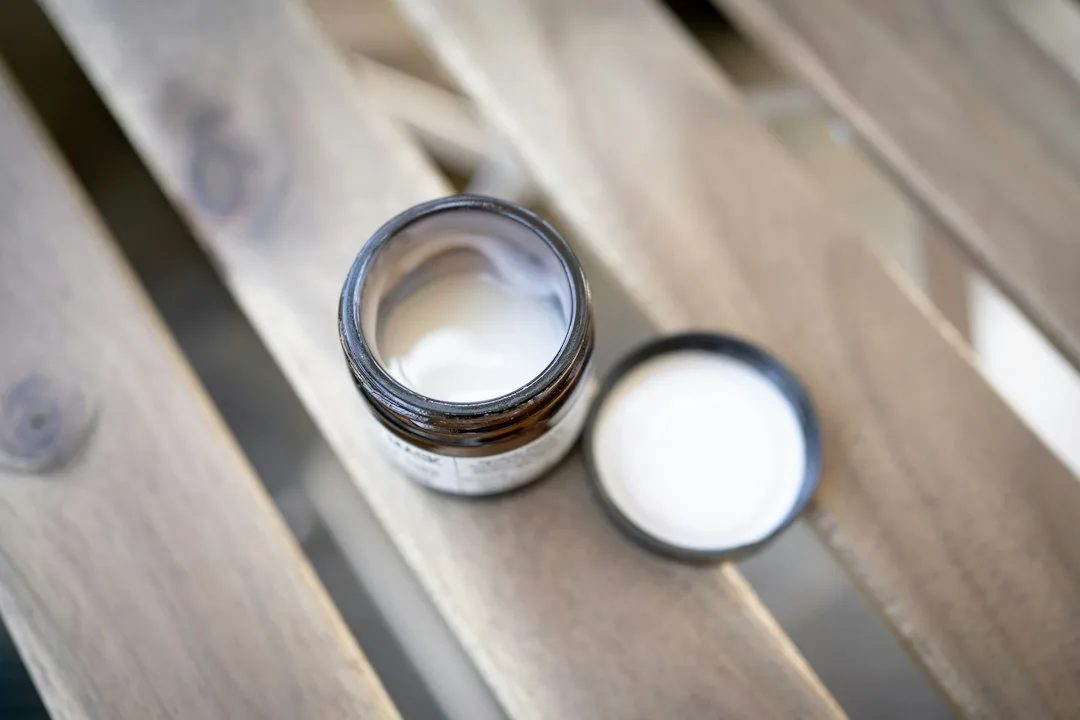
Cleansing balm is climbing bathroom shelves this season because it dissolves sunscreen and long-wear makeup before any water touches the face. Here is how to use it without leaving a film behind.
Azelaic acid serum is gaining ground in fall routines because it treats redness and breakouts with less flaking than many retinoids. Here is how to fit it alongside the products you already use.
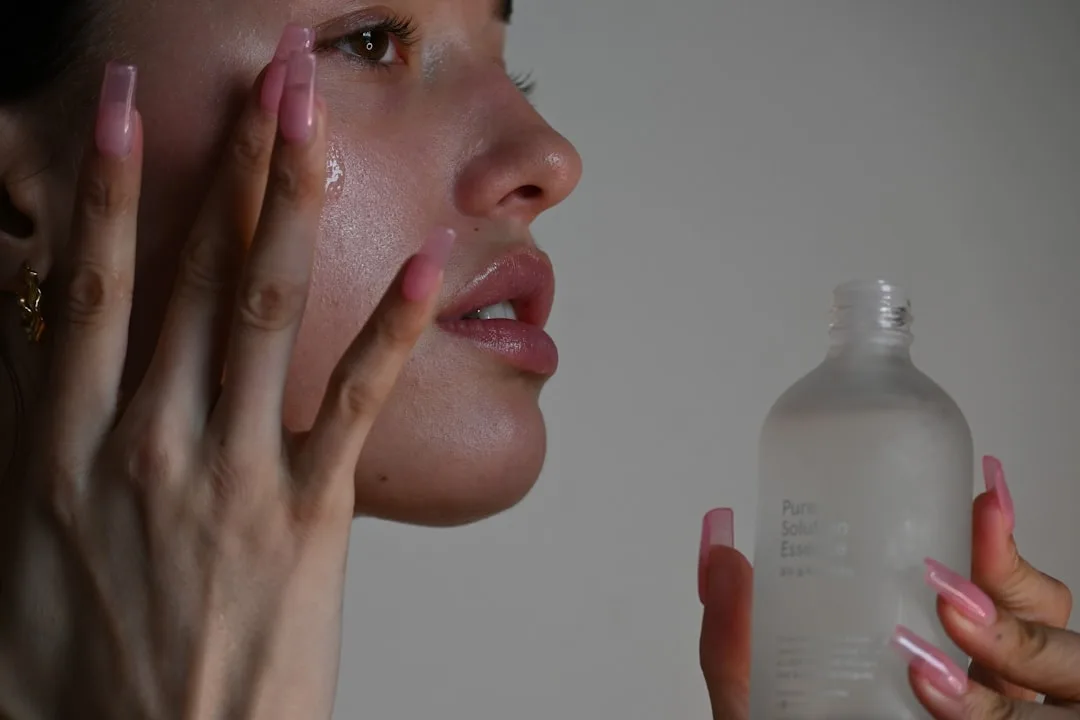
Facial hydration layering—stacking multiple lightweight formulas in precise sequence—is replacing thick single moisturizers across dermatology practices and beauty retailers. The technique locks moisture deeper while preventing the overweight feel that silts into fine lines.
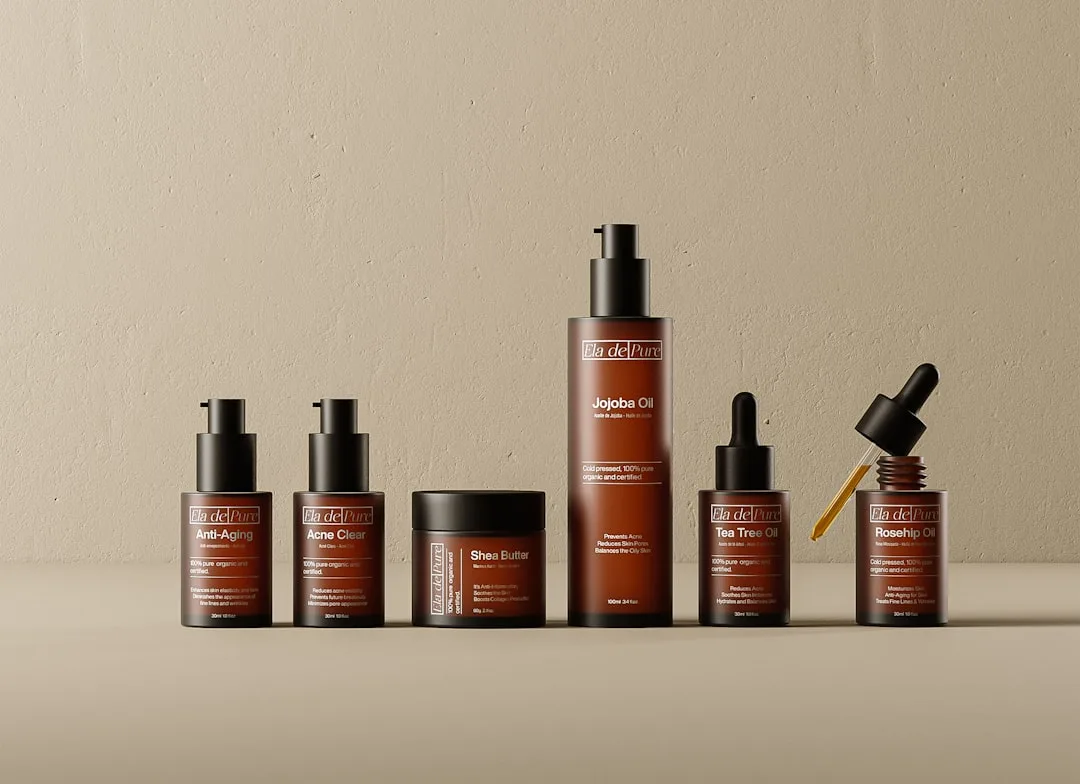
As summer heat fades and fall transitions begin, dermatologists report a spike in compromised moisture barriers—the skin’s critical protective layer. Understanding how damage starts and preventing it before it accelerates becomes the foundation of fall skincare.
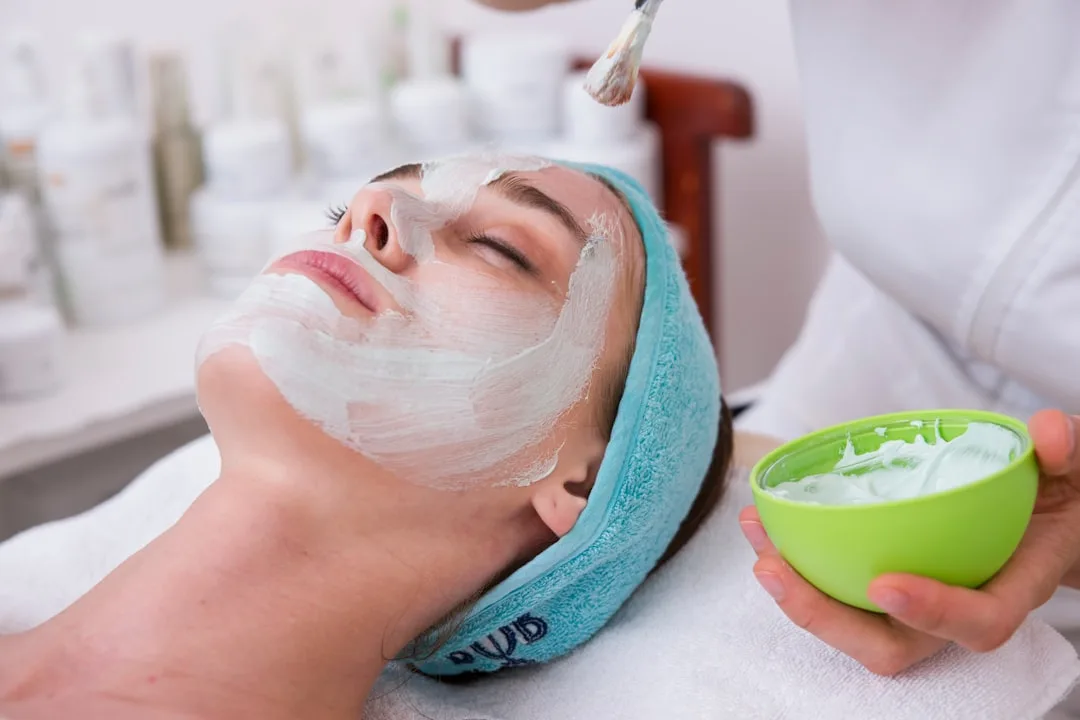
Facial enzyme peels are emerging as the smarter alternative to daily chemical exfoliation. Gentler on barrier health and faster-acting on texture, they’re reshaping how professionals and at-home users approach resurfacing skin.
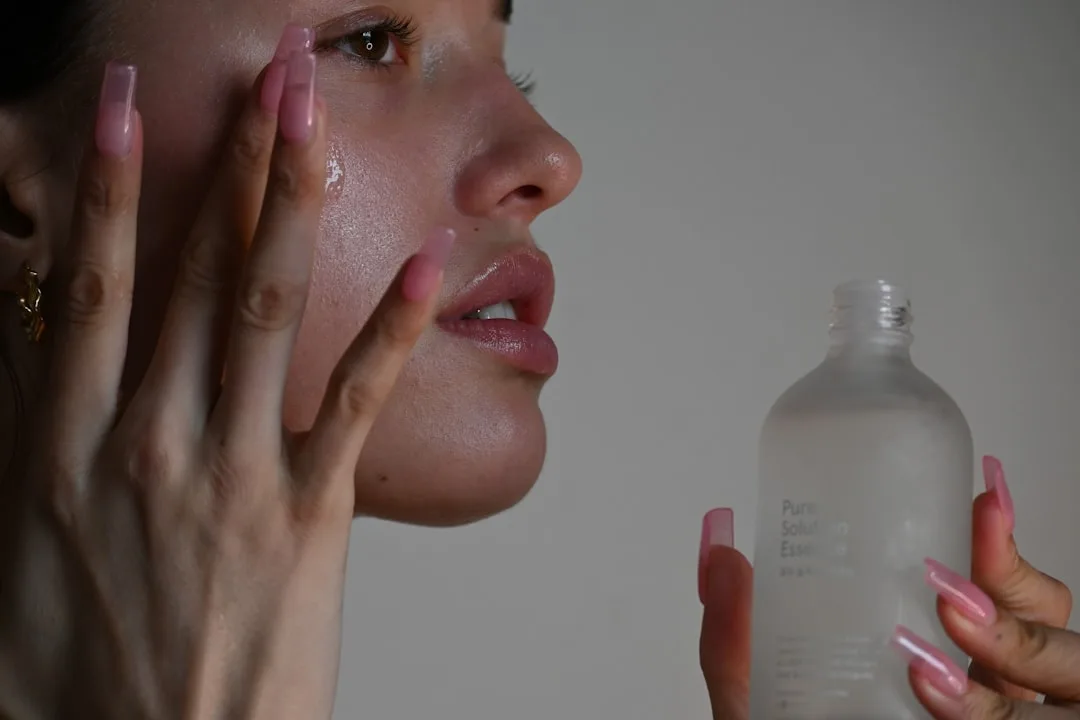
The barrier between sunscreen and moisturizer is collapsing. One product now does both—without the chalky residue or greasy overload that plagued dual routines for decades.