By August 2026, the two-step ritual of slathering sunscreen then waiting for it to set before applying moisturizer feels like 2015 skincare logic. Facial SPF moisturizer—a single product that merges broad-spectrum UV defense with hydrating actives—has stopped being a convenience compromise and become the default move for anyone serious about skin longevity. Dermatologists are recommending it. Beauty editors are using nothing else. The reason is simple: formulation science finally cracked the code.
Why Brands Cracked This Formula in 2026
CeraVe’s AM Facial Moisturizing Lotion with SPF 30 launched over a decade ago, but it was treated as a lightweight alternative for sensitive skin, not a replacement. What changed in 2026 is texture and compliance. The old problem: SPF moisturizers felt either thin (no hydration payoff) or sticky (sunscreen sitting on top like a layer you could feel all day).
Neutrogena’s Hydro Boost SPF 30 reformulation introduced a water-gel base that absorbs in under 90 seconds. Olay introduced a retinol-adjacent option with SPF 30, targeting the anti-aging crossover crowd. Supergoop! shifted its entire morning lineup toward SPF moisturizers instead of standalone sunscreens. The brands didn’t invent new technology—they solved the sensory problem. Nobody wants to feel like they’re wearing sun protection.
The math is brutal: 42% of people skip sunscreen on days they stay indoors. Combining it with moisturizer eliminates the excuse.
Quick Tips
- Apply a nickel-sized amount to the full face and neck; reapply every two hours if outdoors or after water contact.
- Use facial SPF moisturizer as your final step in the AM routine—serums and oils go underneath.
- If you wear makeup, apply SPF moisturizer before primer; it hydrates the base without creating slip.
- Store in a cool place; heat can degrade UV filters, especially mineral-based formulas.
- Do not skip this step indoors; UVA rays penetrate windows, aging skin continuously throughout the day.
The Hydration Actives Actually Inside These Formulas
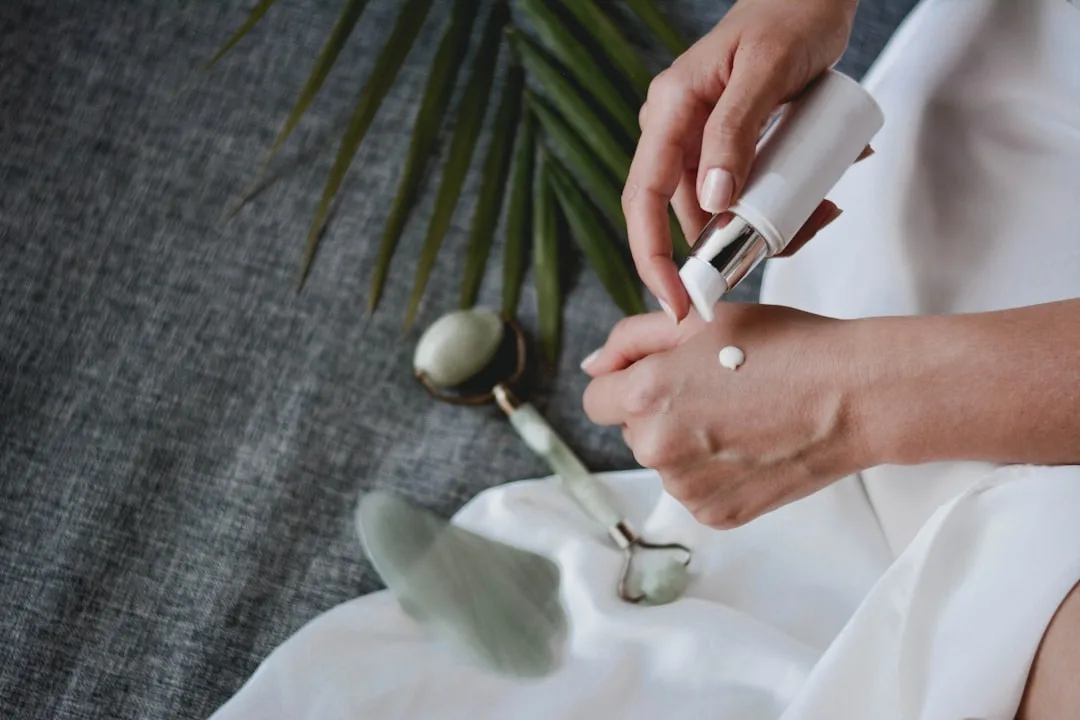
This is where the shift gets real. A facial SPF moisturizer is not sunscreen with a drop of glycerin. The best options pack the same hydration dose you’d get from a standalone moisturizer. La Roche-Posay’s UV Corrective Daily Moisturizer SPF 30 contains hyaluronic acid plus ceramides—the barrier-repair duo that normally lives in heavier creams.
Cetaphil’s Facial Moisturizer SPF 30 layers niacinamide and panthenol, actively soothing and plumping skin while the mineral filters sit on top. The formula feels like a hydrating treatment, not a protective afterthought. Drunk Elephant’s C-Firma Fresh Serum SPF 30 uses vitamin C as both an antioxidant and brightening agent, meaning you’re not just blocking sun—you’re actively working against oxidative damage while protected.
| Product Type | Hydration Actives | Best For |
|---|---|---|
| Mineral SPF Moisturizer | Ceramides, hyaluronic acid, glycerin | Sensitive, rosacea-prone skin |
| Chemical SPF Moisturizer | Niacinamide, panthenol, peptides | Acne-prone, oily skin |
| Hybrid SPF Moisturizer | Hyaluronic acid, vitamin C, squalane | All skin types, anti-aging focus |
| Gel-Cream SPF Moisturizer | Hydrolyzed proteins, algae extract | Humid climates, oily-combination |
The Mistake Everyone Makes With Facial SPF Moisturizer
You apply too little. A pea-sized amount will not cut it. The SPF number on the bottle assumes you’re using a full teaspoon (about 5 milliliters) on your face and neck. Most people use one-quarter that amount and complain the product doesn’t work.
Real example: You wake up, squeeze out what feels like plenty of product, it spreads easily, and you think you’re done in two minutes. You’ve just applied what feels right but delivers SPF 8 instead of SPF 30. The UVA rays don’t care about your comfort. Reapplication matters too—every two hours outdoors, immediately after swimming or sweating. Using a facial SPF moisturizer only once at 8 a.m. and expecting it to hold until 6 p.m. is like putting on sunscreen at the beach and never reapplying.
The second mistake: layering it wrong. If you’re using serums or facial oils in your AM routine, they go first. SPF moisturizer goes last, acting as a seal. Applying it under other products dilutes the UV filter concentration and weakens its effectiveness.
Why This Replaces the Sunscreen Plus Moisturizer Approach
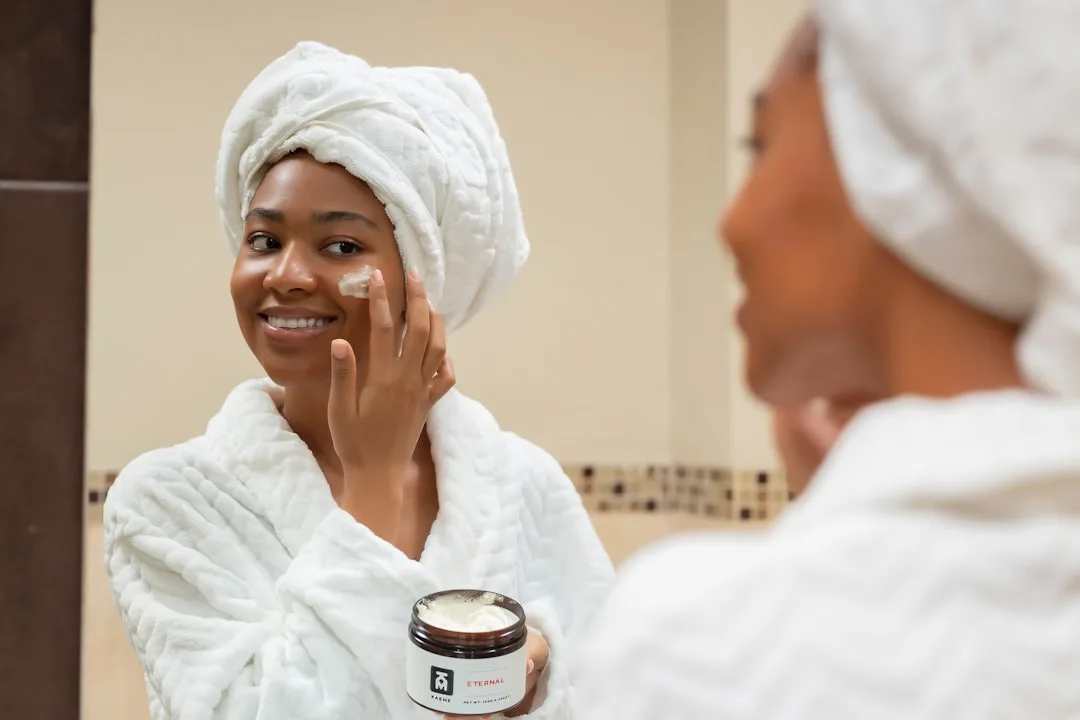
Time. Texture. Compliance. The old two-step meant applying sunscreen, waiting 15 minutes for it to fully set (most people skipped this), then applying moisturizer on top. That created a three-layer problem: sunscreen base, moisturizer middle, primer or makeup on top. The result felt heavy, looked dewy or chalky depending on the formulas, and created a sensory experience people actively avoided.
A facial SPF moisturizer compresses this to one step. Hydrating face mists replaced traditional toners in mid-year skincare, and this same logic applies here—why use multiple products when one does it better? The formula absorbs faster because it’s designed to be the final layer, not a base under something else. Your skin feels lighter. Makeup applies more evenly. You’re more likely to actually use it every single day.
Barrier repair is also stronger. Clean Girl Makeup dominates May 2026 beauty trends globally, and the skincare underpinning that aesthetic—dewy, minimal, fortress-like barriers—demands efficient hydration. A facial SPF moisturizer with ceramides and peptides actively locks in moisture while protecting, not just sitting on top of skin like traditional sunscreen did.
How to Choose the Right Facial SPF Moisturizer for Your Skin
If you have oily or acne-prone skin, look for a gel or lightweight lotion base with niacinamide. Neutrogena’s Hydro Boost SPF 30 is water-based and won’t clog pores. If you have dry or sensitive skin, mineral formulas with zinc oxide or titanium dioxide are less likely to trigger reactions. CeraVe AM is the gold standard here. If you’re targeting anti-aging, seek out options with peptides, retinol alternatives (bakuchiol), or vitamin C.
Texture matters as much as ingredient list. Test application on the inner arm first—it should spread without tug or pulling. If it feels sticky after 60 seconds, it’s not right for daily use, regardless of what’s inside. The whole point is that you’ll actually wear it.
SPF number stops at 30 or 50; anything beyond is marketing theater with minimal real-world benefit. SPF 30 blocks 97% of UVB rays. SPF 50 blocks 98%. The difference is one percentage point. What matters is reapplication every two hours, not the number on the bottle.
Why Dermatologists Stopped Recommending Separate Sunscreen in 2026
Because compliance skyrocketed. When the product feels good, people use it. A dermatologist at New York University’s department of dermatology noted in early 2026 interviews that patients using SPF moisturizers showed significantly better UV damage prevention metrics at follow-up appointments than those juggling separate products. The barrier stayed intact longer. Dehydration-related sensitivity dropped.
Insurance and health economics favor this shift too. Patients buy one premium moisturizer instead of two mid-range products. Brands consolidate their morning routine into a single recommendation, not a three-step sermon. The trend will accelerate because the incentives align for everyone—manufacturers, dermatologists, and most importantly, the person actually applying the product at 7 a.m. before work.
FAQ
Can I use facial SPF moisturizer instead of a full sunscreen when I'm outdoors all day?
Will facial SPF moisturizer clog my acne-prone skin?
Do I still need to use a hydrating face mist if I'm using facial SPF moisturizer?
How long does facial SPF moisturizer last after opening?
Can facial SPF moisturizer work under makeup without causing breakdown?
Is mineral or chemical SPF better in a moisturizer formula?
Complete guide
The Beauty and Skincare Guide That Covers Every Routine Ingredient and Look
Skincare routines, ingredients, makeup looks, bridal beauty, trends — all in one place