Why Parent Recovery Breaks Are Becoming a Family Planning Habit

Families are scheduling short parent recovery breaks the way they schedule school pickups. Here is why the habit is spreading and how to make it work during a busy week.
333k+ Lifestyle & Design Ideas

Families are scheduling short parent recovery breaks the way they schedule school pickups. Here is why the habit is spreading and how to make it work during a busy week.
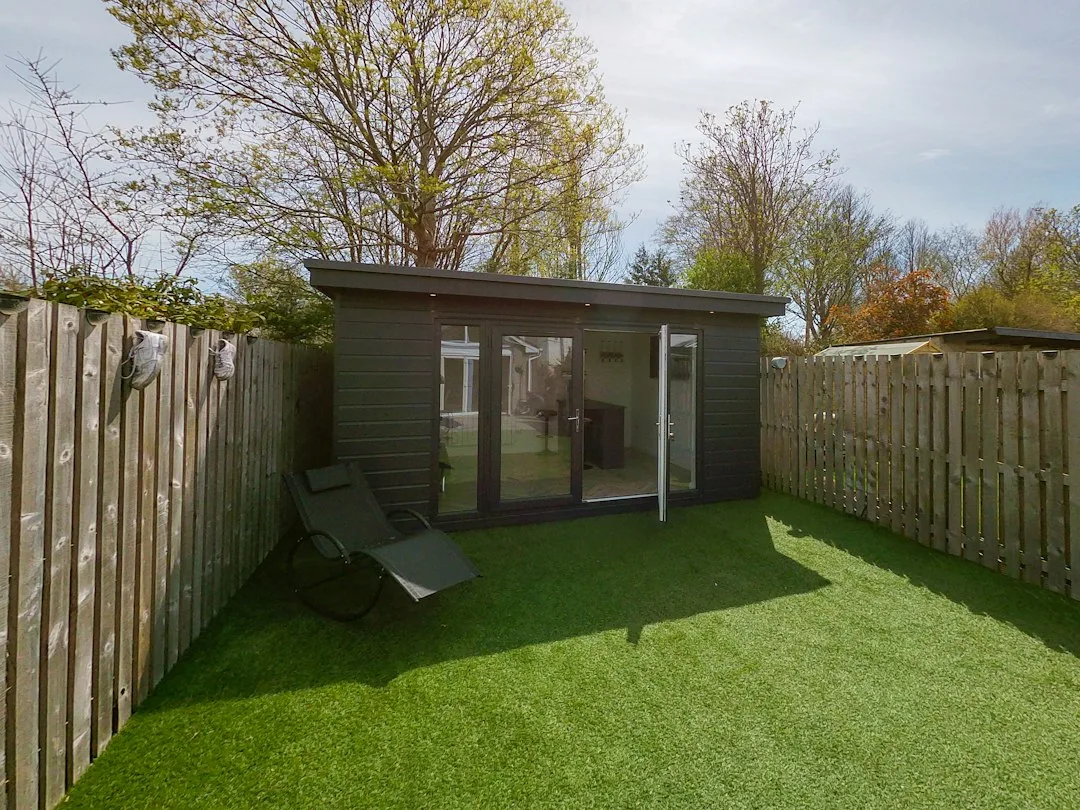
Outdoor sleep spaces—from garden rooms to porch beds—are reshaping how children develop independence and emotional regulation at night. Parents are discovering that proximity without co-sleeping builds confidence faster than indoor-only routines.

Bedtime resistance isn’t defiance—it’s a dysregulated nervous system signaling overwhelm. Parents who shift from power struggles to co-regulation build children who sleep soundly and families who reclaim evening peace.

Authoritative parenting presence—the balance of warmth and firm boundaries—is reshaping how families build independent, confident children in 2026. Unlike permissiveness or harsh control, this approach grounds children in real-world decision-making and emotional resilience.

The quiet parenting approach replaces reactive yelling with calm, intentional responses that help children process emotions and develop genuine self-control. Parents report stronger family bonds and fewer behavioral escalations within weeks.

Nature connection parenting has emerged as the counterweight to digital-first childhoods, offering children tangible nervous system regulation through soil contact, water immersion, and open-sky play. Families who embed this into weekly routines report measurable shifts in emotional resilience and behavioral stability.

Brain-based parenting strategies use neuroscience to help children manage emotions before they escalate. These evidence-grounded techniques are reshaping how parents respond during meltdowns and high-stress moments.