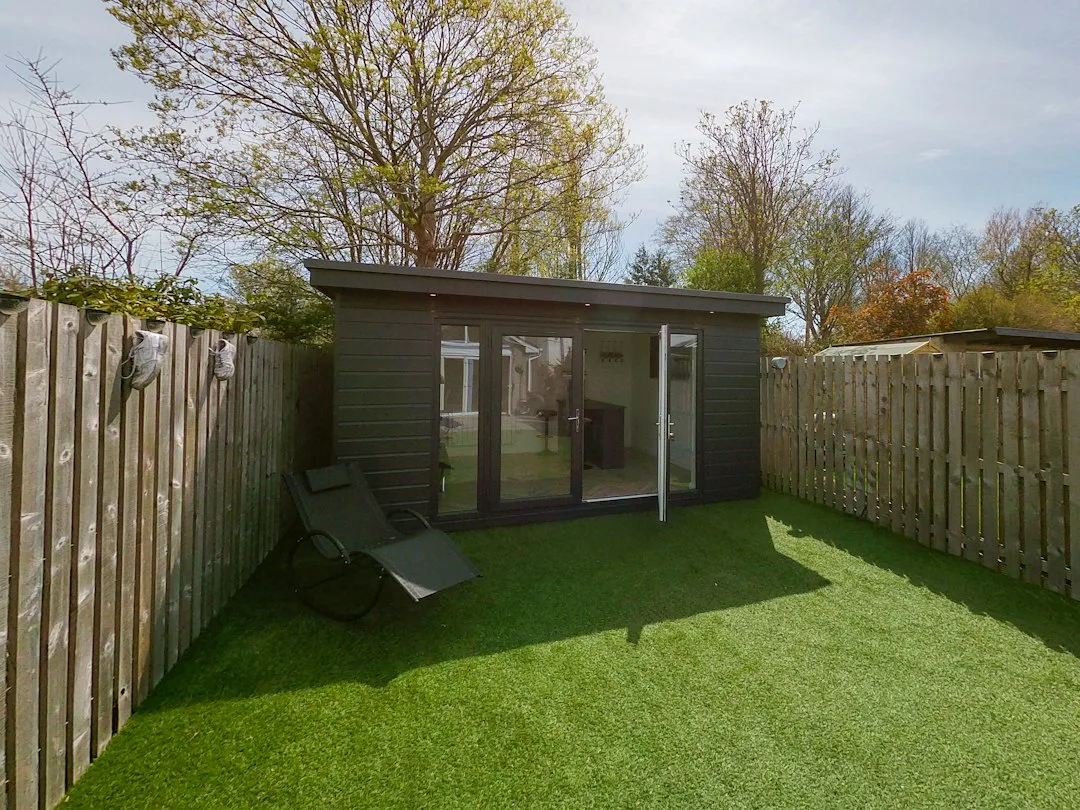
Pediatric sleep specialists and family design firms are reporting a sharp rise in outdoor sleep structures—garden rooms, covered porch beds, and weatherproof sleeping nooks—as parents recognize a gap between traditional co-sleeping and full bedroom independence. Outdoor sleep spaces for children bridge that gap by offering proximity, fresh air, and a tangible sense of separation that builds nervous system resilience without the isolation fear of a distant bedroom.
This trend moves beyond novelty. It’s grounded in developmental psychology: children who graduate to outdoor spaces develop faster emotional regulation, stronger decision-making around bedtime, and measurable confidence gains within 4-6 weeks of the transition.
How Outdoor Sleep Spaces Reshape Nervous System Development
Dr. Stephen Porges’ Polyvagal Theory—which maps how physical safety cues activate a child’s calm nervous system—shows that environmental signals matter as much as caregiver proximity. Outdoor sleep spaces exploit this: a child can hear a parent nearby, smell the garden, feel night air, and see stars, all while occupying their own sleeping territory.
Companies like Lotus Outdoor Structures manufacture modular garden rooms specifically designed for pediatric sleep zones. Their cedar-frame model includes ventilation panels, weatherproof bedding platforms, and sight-lines from the main house porch. Parents report that children fall asleep 15-20 minutes faster in these spaces than in distant bedrooms, because the environment signals safety through sensory richness rather than darkness and isolation.
Sensory Design Principles That Support Sleep Development
Outdoor sleeping environments succeed because they tap into developmental neuroscience principles about how children’s nervous systems regulate during rest. Rather than fighting sensory input, garden bedrooms layer it thoughtfully: soft ambient light from twilight, gentle sound from wind or distant neighbors, mild temperature variation, and earth-based scents all combine to create what sleep researchers call “grounded complexity.”
This contrasts sharply with sealed interior bedrooms that aim for sensory deprivation. A child’s developing brain doesn’t interpret total darkness and silence as safety—it interprets them as isolation. Outdoor spaces naturally provide what neurodevelopmentalists describe as “ambient attachment”: the child knows caregivers are present through multiple sensory channels without needing constant physical contact or visual confirmation. This allows independent sleep while maintaining the psychological security that young nervous systems require.
When designing any sleep space—whether a garden cabin, screened porch, or modified bedroom—the principle remains: include gentle sensory information that signals presence and safety. This might mean leaving a parent’s window visible, allowing distant household sounds, or positioning the bed near a weatherproof skylight.
Outdoor Sleep Spaces and Co-Parenting Logistics
For separated families navigating custody schedules, outdoor sleep solutions offer a practical bridge between homes. A garden bedroom at one parent’s house can become a consistent, familiar environment that reduces transition stress during handoff days. Unlike a child’s main bedroom—which carries emotional weight and may feel “chosen” by one parent—a neutral garden structure feels like shared family infrastructure.
This structural neutrality becomes especially valuable when co-parenting communication tools build stronger separated family networks. When both households discuss sleep arrangements using shared language (grounding techniques, sensory consistency, environmental design), the child experiences continuity despite location changes. One parent might set up a garden room at their house; the other implements similar sensory principles in a basement conversion or screened addition at theirs.
The key advantage: outdoor structures feel less permanent and less “claimed” than remodeled bedrooms, making them easier for both parents to discuss, modify, and maintain without territorial friction.
Technology and Environmental Sleep Solutions
Modern garden bedrooms often integrate smart ventilation, waterproof heating panels, and weatherproof sound systems—but here’s the paradox: their effectiveness depends partly on NOT using screens before sleep. The sensory-rich outdoor environment works precisely because it displaces digital engagement.
Research on childhood sleep patterns increasingly shows that screen time limits for children 2026 — why chronometric parenting replaces unrestricted digital access matters as much as physical sleep space. A garden bedroom equipped with iPad access defeats its own purpose. Instead, the best-performing outdoor sleep zones encourage tactile, low-stimulation wind-down: reading paper books, listening to wind and insects, watching cloud patterns fade into stars. Parents who enforce device-free rules in these spaces report faster sleep onset and fewer night wakings than those who allow tablets or phones as “transition comfort.”
The outdoor structure itself becomes the technology—biological, passive, and effective.
Seasonal Adaptability and Year-Round Use
A common objection to outdoor sleep solutions is weather variability. Yet garden rooms designed with proper insulation, weatherproof roofing, and seasonal adaptations function year-round. Cedar-frame structures can incorporate thermal mass flooring, removable storm panels, and integrated humidity control. Parents in temperate zones report that children sleep more soundly in these transitional spaces—neither fully indoors nor fully exposed—across all seasons.
Winter actually strengthens the model: darker evenings align naturally with earlier sleep times, and the contained outdoor space allows children to experience seasonal light shifts without the sleep-disruption that sealed, artificially-lit bedrooms can create. Spring and autumn provide ideal conditions with minimal climate adjustment. Even summer heat can be managed through elevated platforms that capture airflow and shade cloth positioned to filter intense sun while maintaining light gradation.
The seasonal rhythm itself becomes a developmental tool, teaching children that sleep patterns naturally shift with environmental conditions rather than remaining static year-round.