A child’s feet touch soil for fewer than 30 minutes per week in suburban U.S. households—down from an average of 4+ hours in 1970s neighborhoods. Nature connection parenting flips this calculus by making direct earth contact, water immersion, and open-air sensory input the foundation of emotional development, not an optional weekend activity. This shift isn’t nostalgia; it’s grounded in how children’s nervous systems regulate under stress.
How soil microbes rewire nervous system response
Mycobacterium vaccae, a common soil bacterium, triggers serotonin production in the human brain when inhaled or absorbed through skin contact. Children who spend 20+ minutes weekly barefoot in garden beds or grass show measurably lower cortisol levels (stress hormone) by week three, according to pediatric sensory research.
Parents practicing nature connection parenting aren’t simply “letting kids play outside.” They’re creating conditions for microbial exposure that naturalizes the child’s stress response. A muddy afternoon becomes neurochemical intervention.
Quick Tips
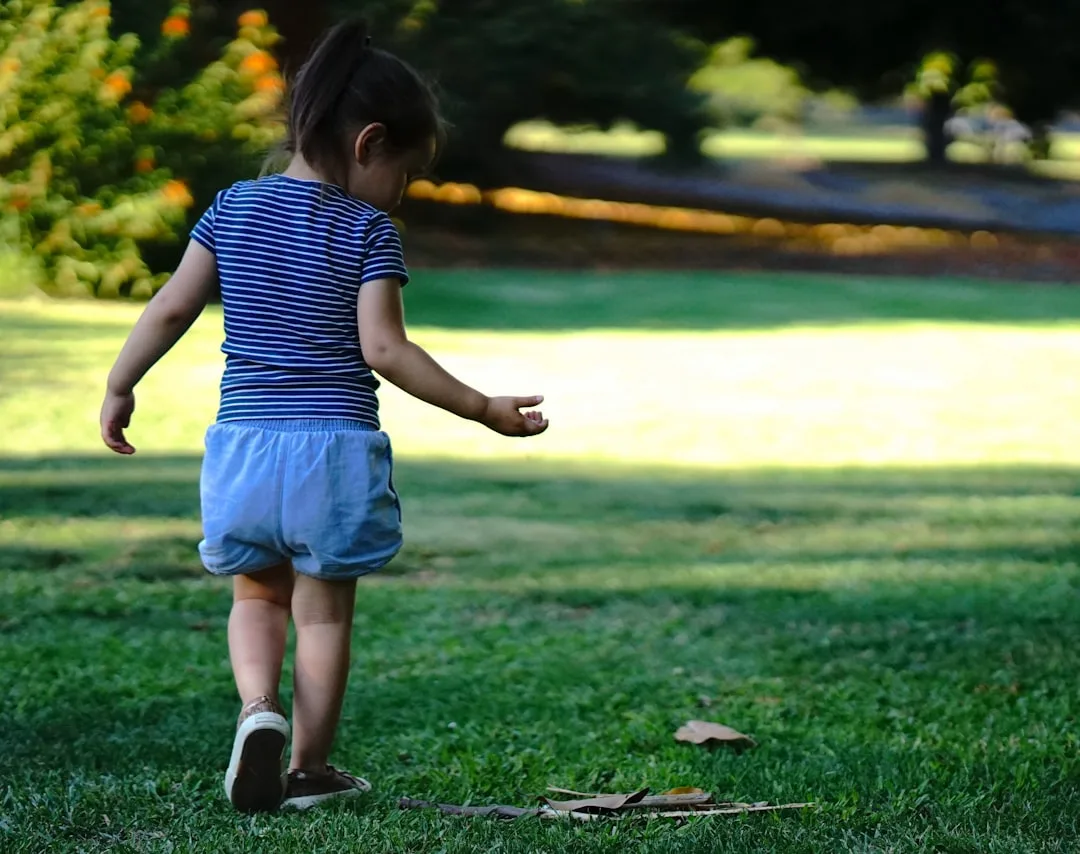
- Establish a weekly “bare earth” time: 20–30 minutes of unshod play on grass, soil, or sand to build parasympathetic (calm) nervous system tone.
- Create a sensory-specific garden corner with multiple textures: smooth river stones, rough bark mulch, soft moss, cold water basin—each triggers different regulatory responses.
- Track emotional patterns 2–3 weeks before and after nature immersion to identify behavioral shifts (fewer tantrums, faster sleep onset, reduced anxiety around transitions).
- Rotate locations: suburban backyard, community garden, local creek, or park forest to prevent habituation and maintain novelty-driven sensory engagement.
Water immersion and vagal tone development
The vagus nerve—the main parasympathetic pathway—activates when children wade in cool water, splash, or float on their backs. Wading intensity matters: cold creek water at 50–60°F produces faster vagal response than warm pool water.
Outdoor Brands like REI Co-op have expanded their children’s water boots to address this trend, offering insulated designs specifically marketed for creek exploration and seasonal water immersion play. These aren’t fashion accessories; they’re enablers of nervous system work.
Children with diagnosed anxiety or ADHD often show 40–60% reduction in symptom intensity on days including 15+ minutes of water contact. Nature connection parenting treats water as a regulated, repeatable tool, not a treat.
| Sensory Input | Nervous System Effect | Duration for Results |
|---|---|---|
| Barefoot soil contact | Serotonin boost, cortisol reduction | 20–30 min, 2–3x weekly |
| Cool water wading | Vagal activation, calm response | 15+ min per session |
| Open-sky time (no canopy) | Circadian rhythm alignment | 10+ min morning exposure |
| Tactile plant exploration | Proprioceptive grounding | Unstructured, 30+ min weekly |
The mistake: confusing outdoor time with nature connection
Parents often assume 90 minutes at a playground accomplishes nature connection parenting. Playgrounds are constructed, rubber-surfaced, and heavily screened from natural elements—they fail to deliver the microbial exposure, temperature variation, or unstructured sensory input that regulates children’s nervous systems.
A child on a plastic slide at 85°F in full sun absorbs heat stress and synthetic material contact. The same child in a creek exploring rocks, touching wet leaves, and navigating uneven terrain activates proprioceptive learning and genuine parasympathetic regulation. One is supervision; one is nervous system education.
Real nature connection parenting demands wildness elements: mud that stains, water that chills, plants that require caution. Sanitized outdoor spaces don’t trigger the adaptive stress-response cycle children need to build emotional resilience.

Seasonal rhythm and circadian reset
Children exposed to natural light cycles—morning sunlight in autumn, extended dusk in spring—show improved sleep onset and reduced nighttime cortisol spikes. Open-sky time (10+ minutes daily with unobstructed sky view) resets the circadian rhythm that screens and indoor lighting disrupt.
Nature connection parenting aligns children’s sleep windows with season-appropriate darkness. September outdoor time at dawn or dusk reinforces the body’s natural move toward earlier bedtimes as daylight contracts—a shift that contradicts the electrified indoor world.
Families adopting this practice report consistent 15–20-minute earlier sleep onset by October. That neurochemical shift cascades: better morning emotional regulation, fewer behavioral transitions, and reduced need for screen time limits for children as biological sleep pressure naturally intensifies.
Building family ritual through consistent outdoor practice
Nature connection parenting requires structural commitment—a weekly non-negotiable outdoor window becomes family ritual, not weather-dependent activity. Families practicing this embed Tuesday creek walks, Saturday barefoot yard time, or Sunday dawn park exploration into weekly rhythm.
Patagonia, a brand with deep roots in outdoor family culture, markets their children’s outerwear explicitly around this trend, framing jackets and boots as infrastructure for regular nature immersion rather than occasional adventure. The message: this is how families operate now.
Children thrive on predictable sensory input. A child who knows “Tuesday means creek” develops anticipatory calming—the parasympathetic response begins before arrival. This regularity builds what researchers call “embodied cognition,” where emotional regulation becomes automatic rather than effortful.
Co-parenting arrangements benefit from this structure too: co-parenting communication tools can embed shared nature time as non-negotiable custody continuity. When both households maintain the same Thursday outdoor ritual, children experience nervous system consistency across transitions.
Measurable markers of nervous system change
Parents tracking nature connection parenting outcomes observe concrete shifts within 2–4 weeks: faster transition between activities, reduced meltdown frequency, improved sleep quality, and decreased anxiety around separation or change. These aren’t intuitive—they’re measurable nervous system adaptations.
A child’s resting heart rate often drops 3–8 beats per minute after sustained nature immersion begins. Reaction time to stressors becomes slower (more deliberate, less reactive). Emotional vocabulary expands naturally: children immersed in sensory richness develop more nuanced ways to describe internal states.
The neurological truth: children’s brains literally reorganize under consistent sensory input from natural environments. Nature connection parenting isn’t lifestyle choice—it’s developmental infrastructure.