Tempo strength training is the opposite of chasing max weight. Instead of moving a dumbbell or barbell as fast as your muscles can manage, you control the speed of each repetition—typically slowing the lowering phase to 3–5 seconds and pausing at the hardest point. This deliberate timing creates continuous tension on muscle fibers without requiring the joint stress of progressively heavier loads. In August 2026, strength coaches and recreational lifters are discovering that a 25-pound dumbbell moved slowly builds more durable muscle than a 45-pound dumbbell thrown around carelessly.
The science behind tempo training centers on time under tension (TUT). When a muscle works against resistance for longer periods during each set, the metabolic stress and microtrauma trigger deeper adaptation responses. A 2023 biomechanics analysis found that lifters using a 3-1-2 tempo (3 seconds down, 1-second pause, 2 seconds up) on compound movements accumulated similar strength gains to those lifting 20% heavier but moving faster. The catch: the tempo group reported 40% less joint discomfort and faster recovery between sessions.
Why tempo training outpaces conventional rep counting
Apple Watch and Garmin fitness trackers now include rep-counting features, but they miss the crucial variable: how long each rep actually takes. Peloton’s strength coaching modules launched tempo-based programming in Q2 2026, moving away from pure rep targets toward time-based protocols. When you commit to a 4-second descent on a bench press, your pectoral muscles spend 40 full seconds under load across a 10-rep set. That’s mechanical tension accumulating continuously.
The old mindset—more reps, more weight—creates a treadmill of constant progression that eventually breaks down joints. Tempo training flips the equation: you keep the weight stable, own the movement completely, and extract maximum adaptation from minimal external load. A 60-year-old returning to strength training can build noticeable muscle in 8 weeks using tempo-controlled goblet squats without the meniscus risk that heavy barbell back squats introduce.
Quick Tips
- Start with a 3-1-2 tempo (3 down, 1 pause, 2 up) on 3–4 compound lifts per week.
- Use a weight you can control for 8–12 reps without form breakdown; ego lifting destroys tempo work.
- Track rep timing with a simple interval timer app—consistency matters more than random speed variation.
- Expect strength gains to plateau around week 6; rotate to a 4-0-2 tempo to re-stress the muscle differently.
- Pair tempo sets with 48-hour recovery windows; the metabolic demand is deceptively high.
Tempo strength training equipment and programming structure
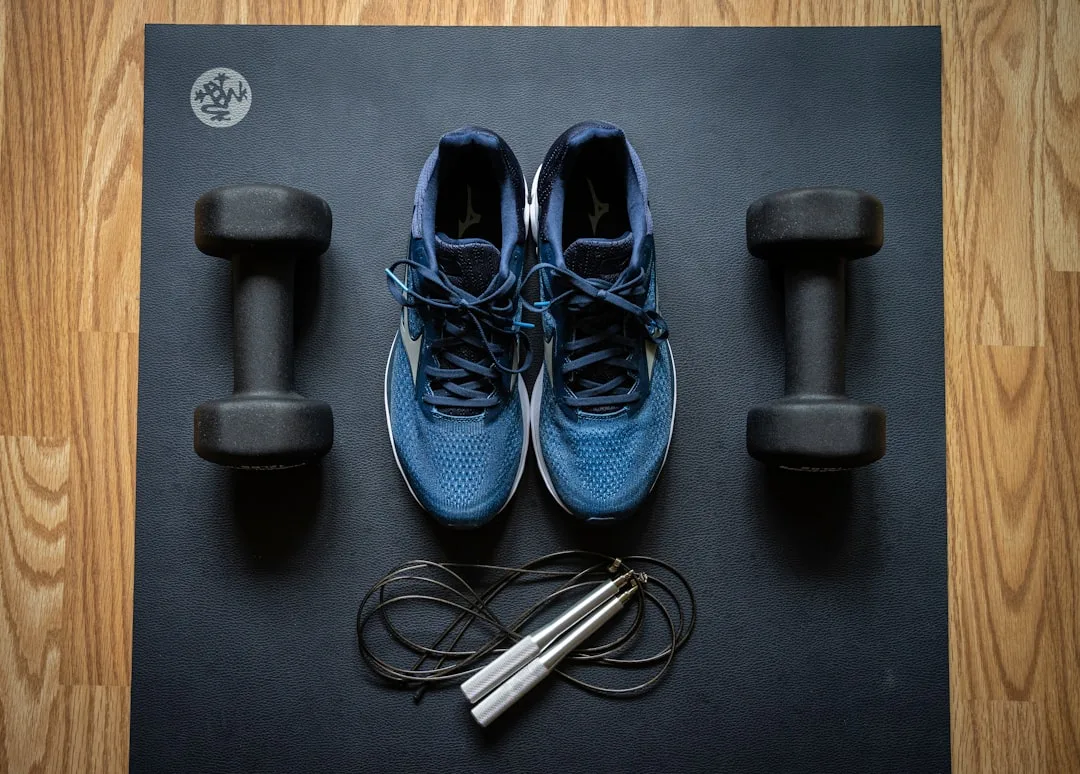
Tempo training thrives on simplicity. Rogue Fitness, a leading barbell and dumbbell manufacturer, reports that commercial gym chains are rotating stock toward adjustable dumbbells in the 15–50 pound range rather than 100+ pound plates. Why? Clients using tempo protocols don’t need extreme load; they need precision and repeatability. A 30-pound dumbbell becomes a legitimate tool for a 90-kilogram male lifter when every rep lasts 7–9 seconds total.
Resistance bands—particularly the Theraband and TheraBand CLX models—pair exceptionally well with tempo work. The variable resistance profile during a tempo squat creates peak tension at lockout, forcing the quadriceps to work hardest exactly when the movement is slowest. A 12-week tempo band training block costs under $50 in equipment and delivers measurable leg mass gains for intermediate lifters.
| Tempo Protocol | Best For | Weekly Frequency |
|---|---|---|
| 3-1-2 (beginner) | Building motor control and joint awareness | 3–4 days |
| 4-2-1 (intermediate) | Hypertrophy and strength plateau breakthrough | 2–3 days |
| 5-0-1 (advanced) | Maximum time under tension and metabolic fatigue | 1–2 days |
| 2-0-3 (strength focus) | Rate of force development and power transfer | 2 days |
The mistake lifters make with tempo training intensity
The #1 failure mode happens when someone loads a barbell for a 4-2-1 tempo squat using their normal working weight. The result: muscular collapse at rep 3, form degradation, and a miserable, ineffective session. Tempo training demands a 30–40% reduction in external load compared to traditional faster rep speed. This psychological friction stops most lifters cold. They equate lighter weight with lesser progress, even though the science contradicts that.
A concrete example: a 75-kilogram male who back squats 150 kilograms for 6 fast reps should drop to 95–105 kilograms for a 4-2-1 tempo squat set of 8 reps. The lighter bar feels embarrassing. But his quadriceps, hamstrings, and glutes are working harder mechanically—accumulating more total time under tension—than the heavier fast version. Ego-driven loading sabotages tempo training’s actual benefit.
Recovery and adaptation windows during tempo phases
Tempo strength training generates profound metabolic fatigue. Each repetition lasts 7–9 seconds, so a 10-rep set consumes 70–90 seconds of continuous muscle contraction. That metabolic byproduct accumulation—lactate, phosphate depletion, calcium handling stress—triggers adaptation but also demands superior recovery. Wearable technology fitness platforms now shift from tracking to real-time workout programming, allowing athletes to monitor heart rate variability and decide whether they’re truly ready for the next tempo session.
Between-session sleep quality becomes non-negotiable. A lifter running a 4-day tempo split needs 7–9 hours of sleep per night to manage the neuromuscular fatigue. Myofibrillar protein synthesis—the process that builds actual contractile muscle—peaks 24–48 hours after a tempo session. Rushing into the next heavy session before that window closes will trigger overtraining, not progress.
Tempo training across age groups and injury history
The beauty of tempo strength training is scale. A 28-year-old male, a 52-year-old female returning to fitness, and a 70-year-old managing osteoarthritis can all use the same tempo protocol framework on different load levels. The Strength and Conditioning Journal published data in early 2026 showing that older adults using tempo-controlled resistance training reduced fall risk by 29% while building lean mass. Joint stress remains low; muscular stimulus remains high.
Athletes rehabilitating from ACL reconstruction or shoulder impingement find tempo training safer than explosive plyometrics or heavy loading. The controlled speed provides natural deceleration, reducing joint shear forces. A physical therapist can program a 3-0-3 tempo protocol—slow concentric, no pause, slow eccentric—to rebuild knee extension strength after ACL repair without aggravating inflammation. Hospitals and sports medicine clinics are integrating tempo protocols into post-op rehab in 2026.
Tempo training also synergizes with Japanese walking interval fitness trends that emphasize sustained effort over peak intensity. A hybrid week might pair three tempo strength sessions with two Japanese walking interval workouts, creating dual adaptation stimulus without competing nervous-system demand.
Long-term sustainability and periodization with tempo blocks
The most sophisticated lifters rotate through 6–8 week tempo blocks, varying the actual tempo prescription every 2–3 weeks to prevent accommodation. Weeks 1–2 might use 3-1-2. Weeks 3–4 shift to 4-0-2. Weeks 5–6 emphasize a 5-1-1 tempo. This variance keeps the neuromuscular system responding rather than adapting and plateauing. After an 8-week tempo block, a 2-week deload using unloaded movement and mobility work prepares the body for a subsequent strength phase.
Bodybuilders, powerlifters, and everyday strength seekers benefit equally. The tempo approach is not an alternative to periodization—it’s a variable within a periodized structure. A 16-week annual plan might allocate 12 weeks to tempo-focused training, 2 weeks to max-effort strength work, and 2 weeks to active recovery and mobility.