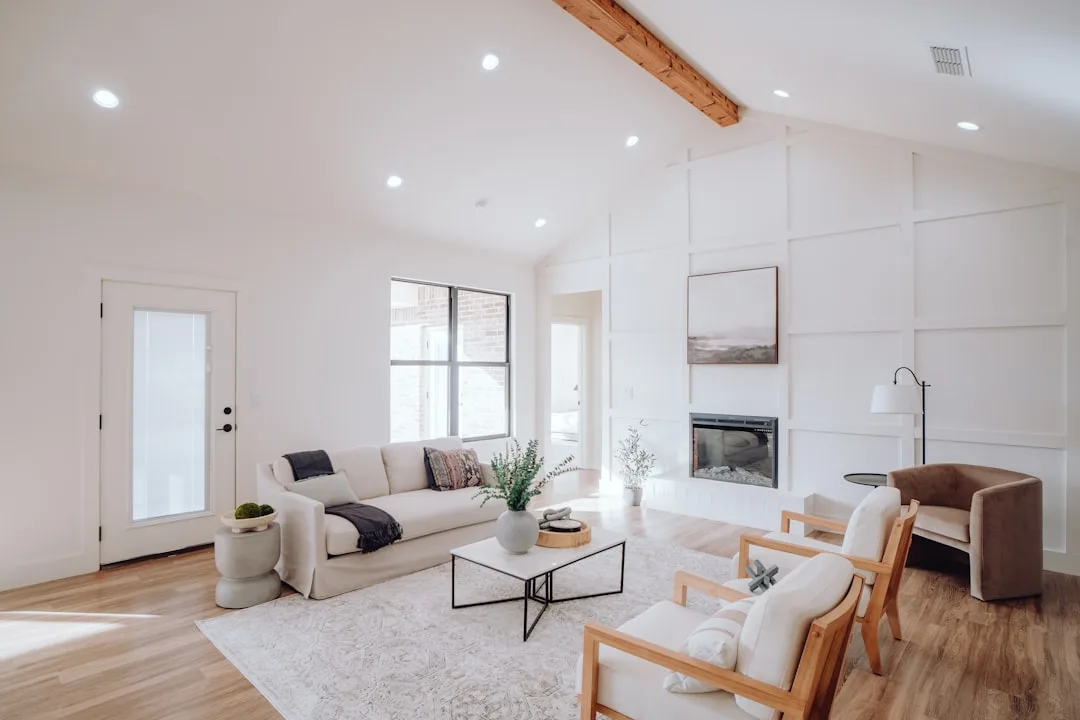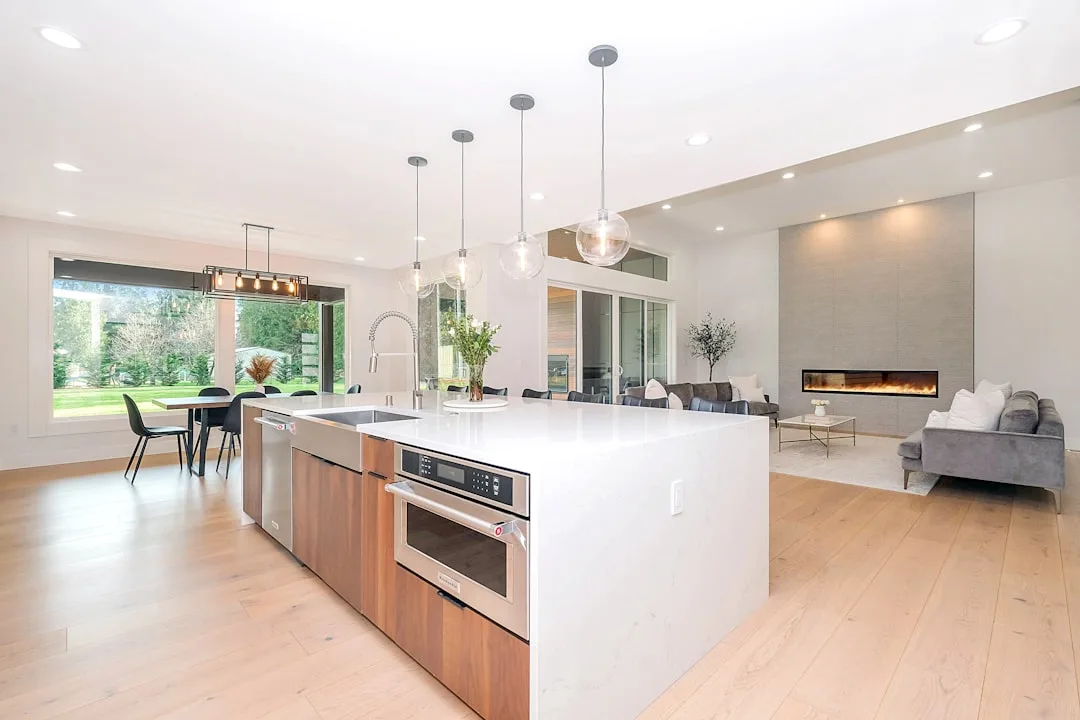
Recessed ceiling lighting design has stopped being an afterthought and become the skeleton of home ambiance. Walk through any newly renovated home in August 2026, and you’ll see the shift: instead of a uniform grid of downlights, homeowners are layering multiple light zones, separating task lighting from mood lighting, and tying everything into smart controls. This isn’t just aesthetic—it’s about how light physically shapes perception of space, comfort, and energy use.
Why recessed lighting layering matters now
Lutron, the lighting control company, reports that homes with multi-zone recessed systems see energy savings of 15–20% compared to single-switch setups because occupants actually turn off lights in unused areas. The physics is simple: your brain interprets directional light as spatial depth, so placing fixtures at varying heights and angles makes small rooms feel larger and large rooms feel cozier.
The mistake most homeowners make is installing a symmetrical grid with identical wattage and color temperature everywhere. A 12-by-14-foot bedroom lit uniformly at 3000K feels flat and institutional. Add three zones—bright task lighting above the dresser, dimmed perimeter recessed lights at 2700K, and wall-wash fixtures on the accent wall—and the same room becomes layered and intentional.
Recessed fixtures today are designed for retrofitting, too. Wafer-trim downlights, which are roughly 2.5 inches deep instead of the traditional 5–6 inches, fit into existing ceiling cavities without requiring new joists or major framing changes.
Quick Tips
- Install recessed lights on separate dimmers for morning task lighting and evening mood control
- Choose 2700K color temperature for bedrooms and living spaces; reserve 3000K+ for kitchens and bathrooms
- Use LED-rated fixtures exclusively—they output more lumens per watt and rarely require ballast replacements
- Position task lighting directly above work surfaces; place ambient lighting at least 18 inches from walls to avoid harsh shadows
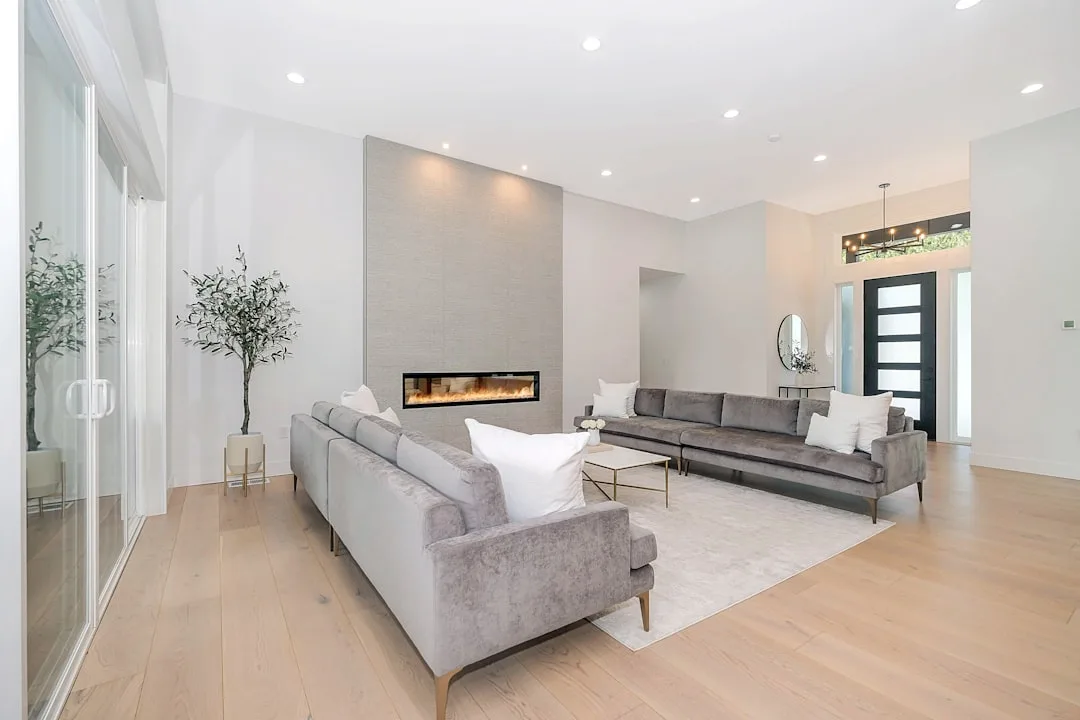
Smart controls reshape how homeowners use recessed ceiling lighting design
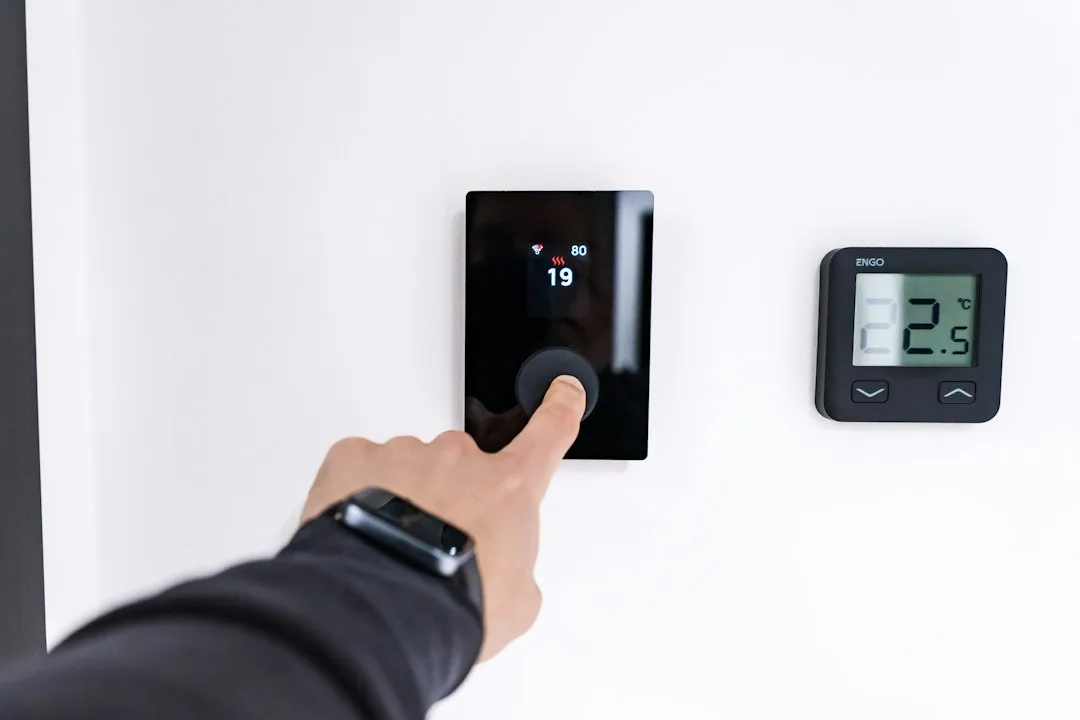
Philips Hue and LIFX dominate the smart recessed lighting market because they integrate with existing voice assistants and permit scheduling based on circadian rhythms. A bedroom recessed system can dim automatically 30 minutes before sleep time and gradually brighten at sunrise, triggering natural melatonin suppression without the abrupt on-off of traditional switches.
The installation cost for smart-enabled recessed fixtures ranges from roughly $15–40 per fixture (before labor), but homeowners recoup that in energy reduction within 18–24 months. What’s changed in 2026 is retrofit ease: bulb-based smart systems no longer require the fixture itself to be smart, so older homes can upgrade without ceiling demolition.
| Fixture Type | Depth Required | Best Use |
|---|---|---|
| Wafer-Trim LED | 2.5 inches | Low-clearance ceilings, retrofits |
| Standard Gimbal | 5–6 inches | New construction, commercial |
| Directional Wall-Wash | 4–5 inches | Accent lighting, artwork display |
| Integrated Smart | 3–4 inches | Kitchens, bedrooms with voice control |
Color temperature and circadian response drive new design
Research from the American Medical Association shows that cool light (4000K+) suppresses melatonin in the evening, disrupting sleep cycles. Warm light (2700K) does the opposite, signaling the body to wind down. In 2026, designers are front-loading this biology into recessed ceiling systems by using tunable-white fixtures that shift color throughout the day.
Nanoleaf and other tunable systems allow homeowners to program their recessed lights to begin at 3000K in the morning (energizing), peak at 4000K by midday, and drop to 2200K by 9 p.m. (restful). This costs roughly $25–50 more per fixture but eliminates the need for separate ambient and task systems in the same room.
Spacing, beam angle, and the common installation failure
The single biggest mistake is spacing recessed lights too far apart or choosing the wrong beam angle. A 60-degree beam angle fixture placed 8 feet apart on a 9-foot ceiling creates visible dark zones between pools of light—the opposite of the layered, cohesive look homeowners expect.
Recessed lighting layout requires a formula: multiply ceiling height by 1.5 to get maximum spacing. A 9-foot ceiling means fixtures should sit no more than 13.5 feet apart. Choose 40-degree beam angles for task zones, 60-degree for general ambient, and 25-degree for accent wall-washing.
Professional installers use photometric calculations to map light distribution before drilling a single hole. DIY enthusiasts often skip this step, leading to costly relocations mid-project. The labor cost to move one misplaced fixture ranges from $150–300 because drywall patching and rewiring are required.
Materials and sustainability in recessed ceiling lighting design
Aluminum recessed housings now dominate because they dissipate heat faster than plastic and last 25+ years. Fixtures rated for damp locations (like kitchens above islands or near steam-prone bathrooms) use stainless steel reflectors to resist corrosion.
LED technology itself is eco-friendly: a single LED-rated recessed fixture uses roughly 8–12 watts compared to 50–75 watts for older incandescent or halogen equivalents. Over a 50,000-hour lifespan (the rated life of most commercial LEDs), the energy savings offset the higher upfront cost and dramatically reduce home carbon load.
For homeowners committed to Elevating Your Living Space Through Architectural Innovation and Home Improvement, recessed ceiling systems paired with renewable energy integration—like solar panels—create a closed loop where home lighting becomes net-zero in terms of grid draw.
Integration with ceiling architecture and design intent
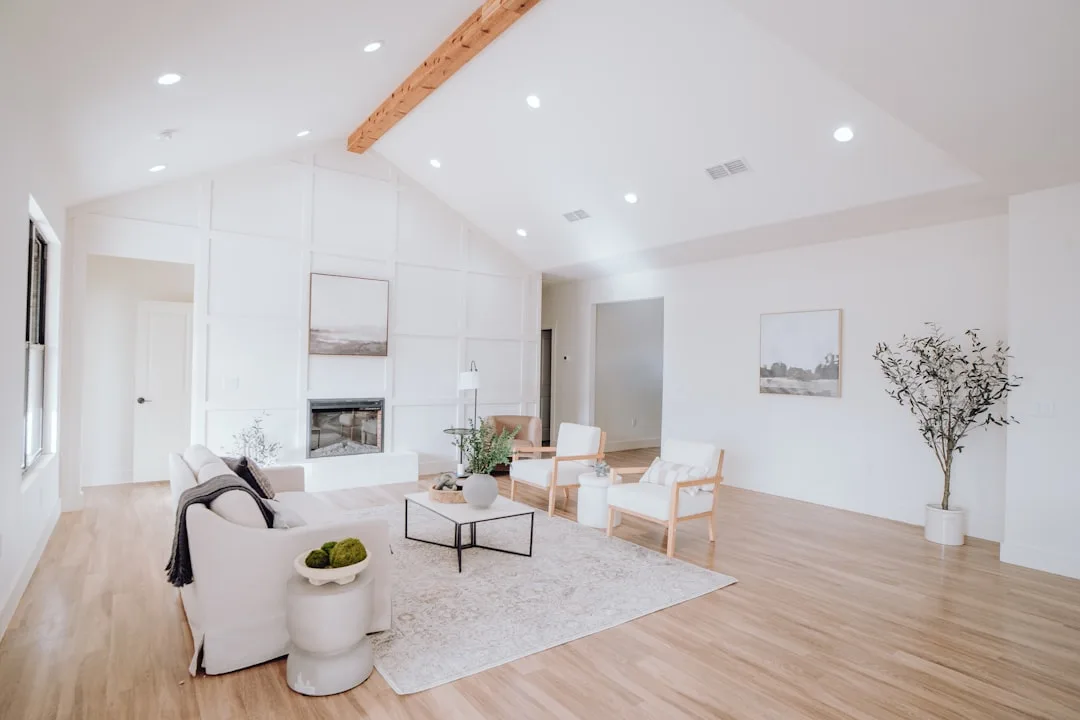
The trend in 2026 is treating recessed lighting as an architectural element rather than an invisible utility. Designers position fixtures to emphasize coffered ceilings, expose beams, or vault lines. In one bedroom renovation, a designer created a linear pattern of recessed lights that echoed the geometry of an accent wall pattern below, unifying the space vertically.
This requires collaboration between electricians and designers before framing is closed. Retrofit installations have less flexibility, but even in existing homes, strategic placement of fixtures can highlight architectural details and improve perceived room proportions.
When planning Upgrade Your Home with These 3 Improvement Projects, recessed ceiling lighting design should rank alongside flooring and wall finishes because it affects how occupants perceive and use every square foot. Done right, it costs 8–12% more than a standard grid but returns twice that in perceived value and livability.