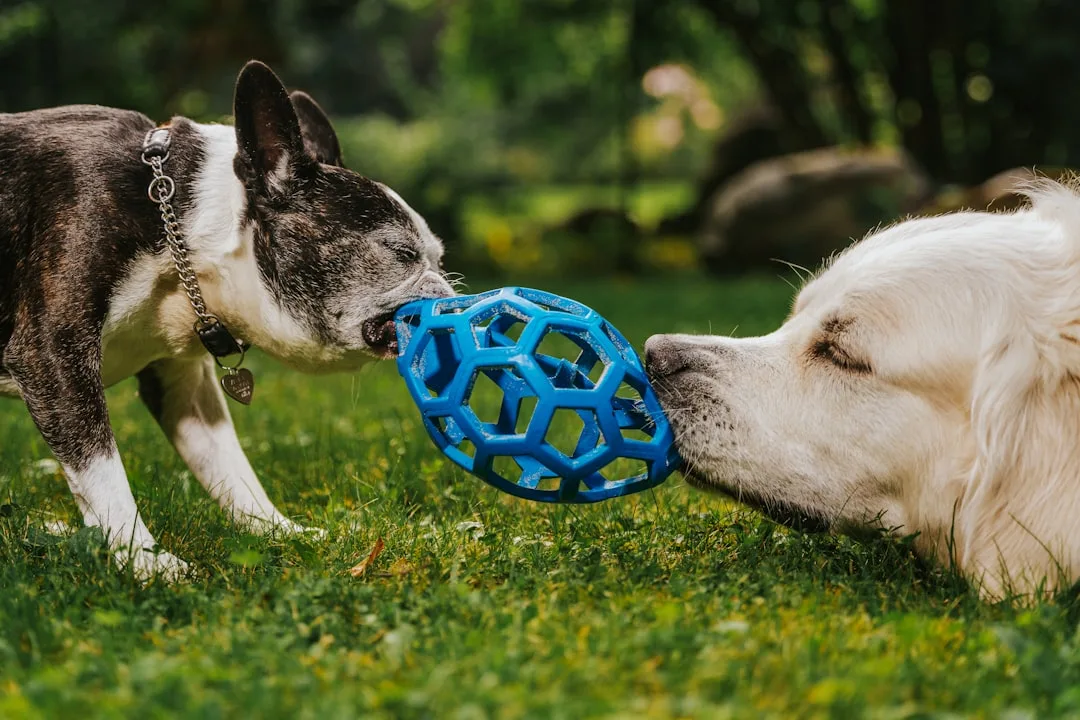
By August 2026, veterinarians across North America have begun writing prescriptions not for medication, but for specific pet enrichment activities. The shift reflects a fundamental change in how professionals approach behavioral problems—prevention through mental stimulation now supersedes reactive treatment. Pet enrichment activities are no longer nice-to-have additions to your pet’s day; they’re foundational to neurological development and emotional regulation.
Why mental stimulation became non-negotiable
Kong Company released research in early 2026 showing that pets receiving structured enrichment activities showed 43% fewer behavioral issues within six months. The study tracked over 400 household pets and measured anxiety markers, destructive chewing, and aggression incidents before and after implementing tailored enrichment protocols.
A bored pet isn’t simply inconvenient—it’s undergoing measurable cognitive decline. Neuroscientists studying companion animals now compare unstimulated brains to human brains in sensory deprivation; the neural pathways that govern problem-solving and impulse control literally weaken without use. When your pet destroys furniture, pulls obsessively at their own fur, or barks compulsively, they’re signaling a brain stuck in low-output mode.
This realization hit mainstream consciousness because social media finally showed the before-and-after. A previously anxious rescue dog given daily puzzle feeders and rotating toys suddenly became calm. The change was visible within weeks, not months.
Quick Tips
- Rotate enrichment items weekly—novelty triggers cognitive engagement better than static toys
- Match enrichment difficulty to your pet’s age and experience level; too hard causes frustration
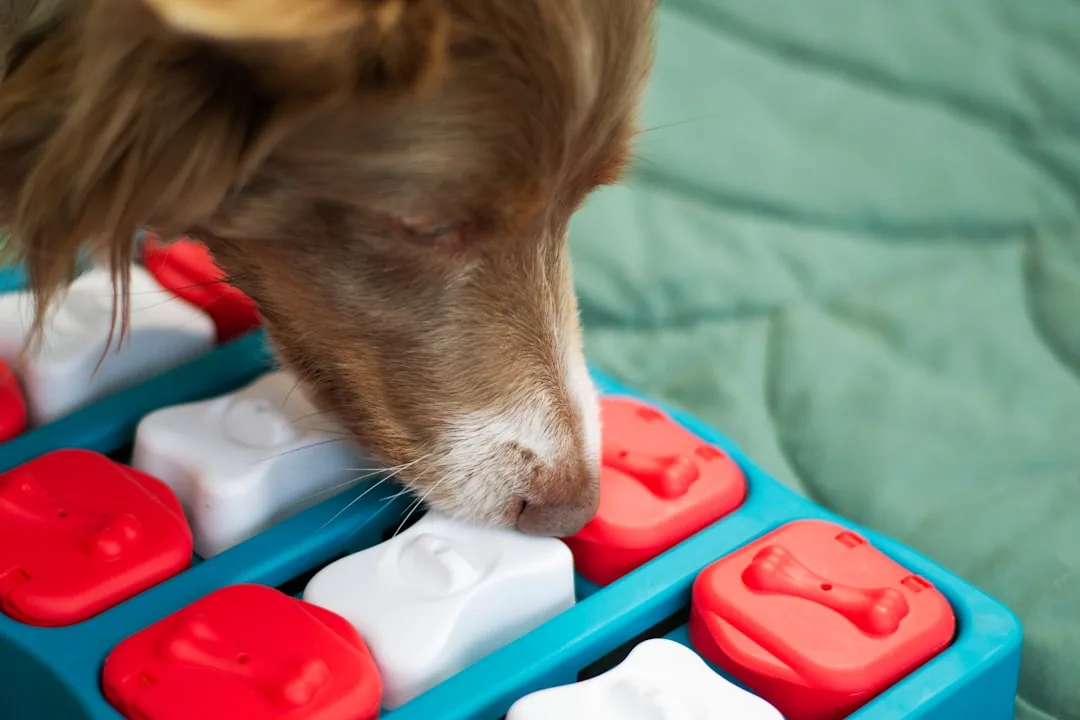
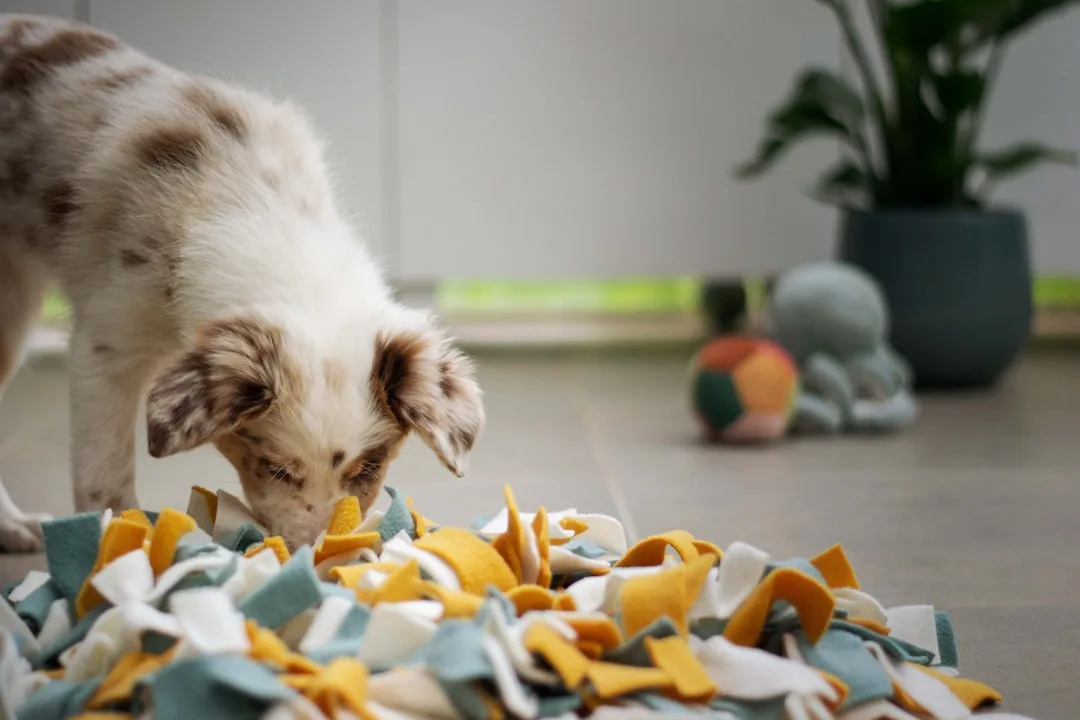
- Use food-based enrichment (puzzle feeders, lick mats, sniff boxes) to anchor daily mental work
- Layer multiple enrichment types: tactile, olfactory, visual, and auditory for comprehensive stimulation
- Track behavioral changes for two weeks before adjusting your enrichment strategy
Pet enrichment activities across species and age groups
Outward Hound, a division of West Paw, expanded its puzzle toy line by 200% in 2026 to address species-specific needs. Their interactive games now come in difficulty tiers (Levels 1-4), allowing owners to progression-map their pet’s cognitive growth.
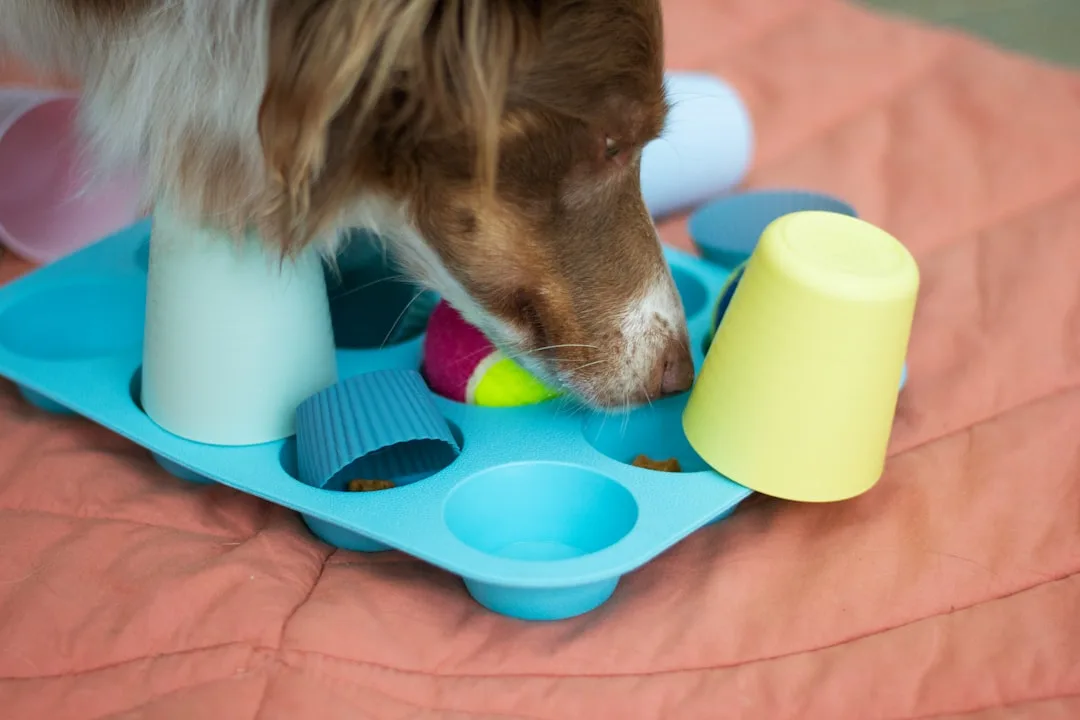
For dogs, nosework activities dominate. Hide treats in a muffin tin, cover sections with tennis balls, or scatter kibble across textured surfaces. The olfactory system engages instantly—your dog’s brain activates the same reward centers triggered by running or playing fetch.
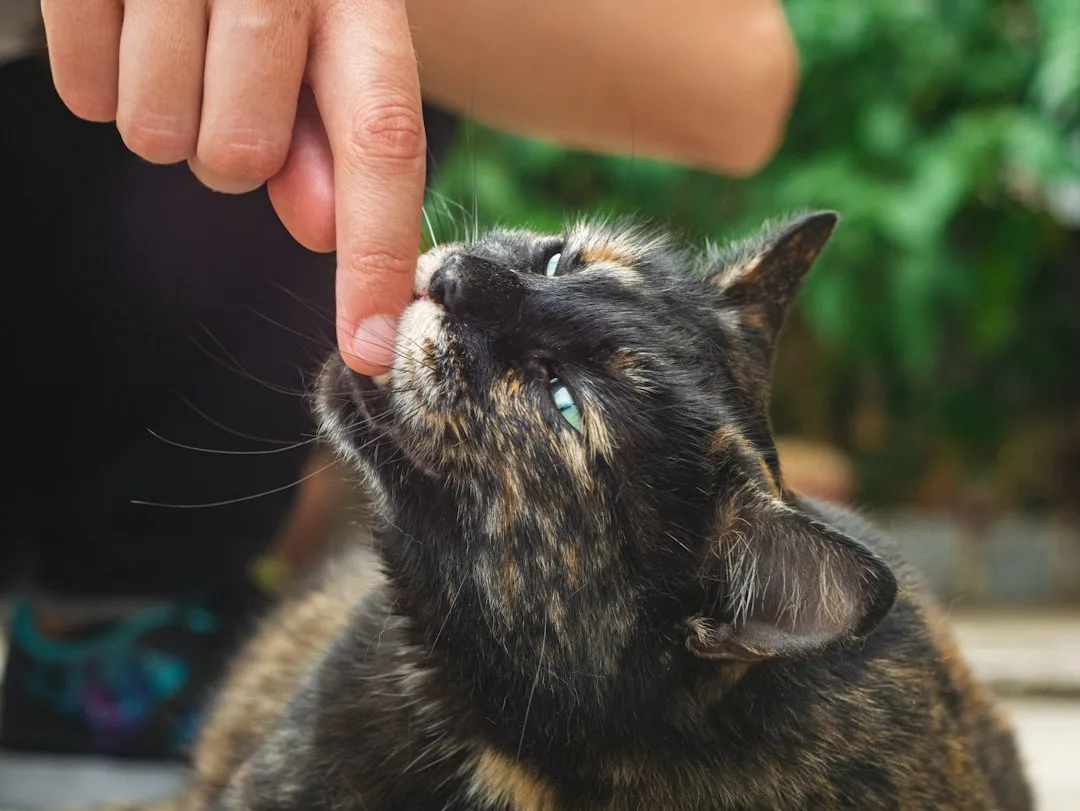
Cats respond differently. They need vertical enrichment (wall-mounted shelves, cat trees), prey-simulation toys (feather wands, laser toys used correctly), and territory-marking opportunities. A cat without climbing routes develops frustration that manifests as aggression toward humans or other animals.
Senior pets require gentler enrichment—slow-dispensing feeders, scent enrichment (catnip, silvervine), and low-impact puzzle boards. Many owners wrongly assume older animals need less stimulation; actually, cognitive enrichment counteracts age-related mental decline.
| Pet Type | Primary Enrichment Method | Frequency |
|---|---|---|
| Dogs | Puzzle feeders, nosework, scent games | Daily, 15-20 min |
| Cats | Vertical climbing, prey simulation, territory marking | Multiple sessions, 10 min each |
| Small rodents/rabbits | Foraging boxes, tunnels, chewing materials | Daily access |
| Senior pets | Slow feeders, scent enrichment, low-impact play | Daily, adapted intensity |
The mistake most owners make with pet enrichment activities
The single biggest failure happens when owners buy expensive enrichment toys and expect them to work alone. They place a $35 puzzle feeder in front of their pet, the animal solves it once or twice, then ignores it completely.
The mistake: treating enrichment as a one-time purchase rather than an evolving system. Your pet’s brain adapts rapidly. A puzzle that engages for two weeks becomes predictable by week three. Static enrichment dies; rotation lives.
Real example: A border collie owner in Portland bought three puzzle feeders, set them out daily, and wondered why her dog’s anxiety persisted. She wasn’t rotating items—same three puzzles in the same order every single day. The veterinary behaviorist recommended she purchase five different types, introduce one new item every Monday, and store solved puzzles for two weeks before reintroduction. Within four weeks, the dog’s cortisol levels normalized measurably.
Structured enrichment schedules reshape daily routines
By mid-2026, veterinary clinics began distributing enrichment calendars—literal weekly schedules mapping which activities to deploy when. This standardization happened because owners struggled with consistency.
A sensible structure for dogs looks like this: morning puzzle feeder (breakfast inside difficulty-appropriate toy), midday scent work or hide-and-seek games, evening interactive play with rotation toys. This distributes mental load across the day, mimicking how wild animals forage continuously rather than eat once.
Snuggle Puppy and similar brands introduced app-connected enrichment tools that send reminders and track which activities your pet has engaged with. The data helps you identify which enrichment types your specific animal prefers—some dogs love scent games, others prefer physical puzzle-solving.
Social media documented the behavioral shifts. Dogs with structured enrichment schedules showed calmer demeanor during veterinary visits, less reactivity to strangers, and dramatically reduced separation anxiety when owners left for work.
Integration with behavioral training and veterinary care
Pet enrichment activities now cross-reference with formal pet training classes reshape behavioral foundations in 2026, creating a two-pronged approach to behavioral development. Trainers prescribe enrichment alongside obedience work; enrichment without structure can create chaos, and structure without enrichment leaves the brain underdeveloped.
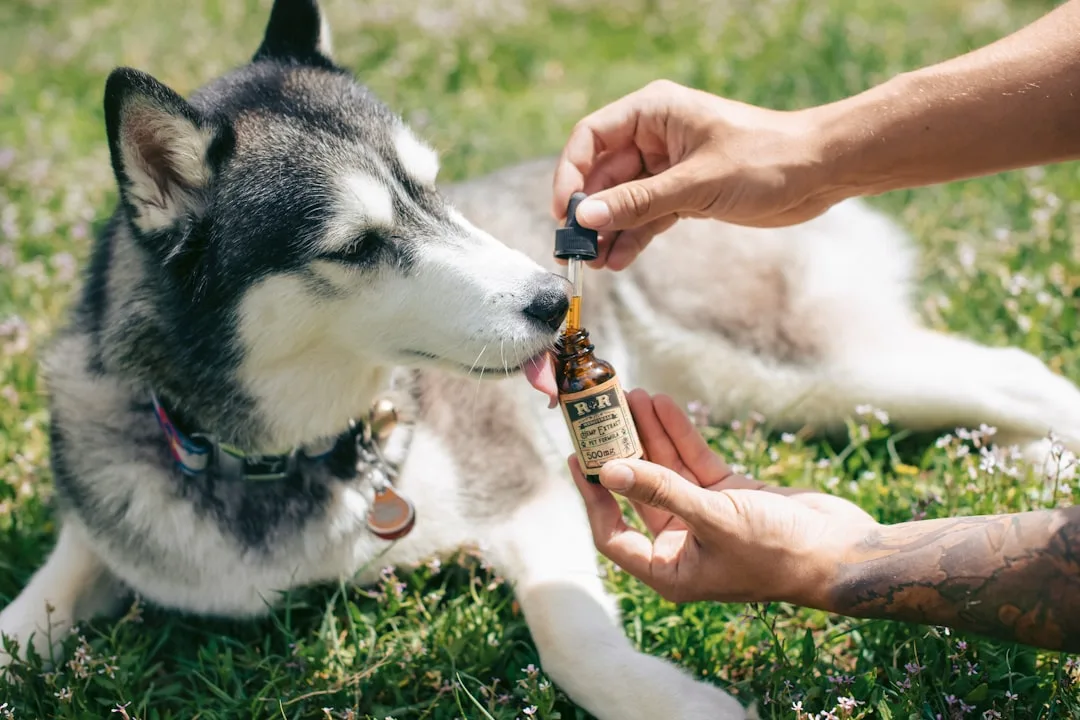
Veterinary behaviorists also link enrichment protocols to medication decisions. A pet showing mild anxiety might start with intensive enrichment before moving to supplements or pharmaceuticals. This sequencing honors the neuroplasticity of younger animals—their brains respond faster to environmental intervention than medication alone.
For aging pets, enrichment works synergistically with proper nutrition. A senior dog receiving cognitive enrichment alongside optimized senior pet nutrition plans reshape aging animal wellness in 2026 maintains mental sharpness and emotional stability far longer than diet or enrichment alone could achieve.
Designing enrichment into your home and routine
The 2026 shift demands nothing radical—it requires intentionality. Allocate 30 minutes daily to structured enrichment, budget $15-25 monthly for rotating toys and puzzle feeders, and track what works for your specific animal.
Keep enrichment visible and accessible. A puzzle toy in a closet shelf offers zero benefit; it needs to live where you see it and can deploy it quickly. Designated enrichment baskets in your living space serve as visual reminders and keep items organized.
Pets thrive on predictability wrapped around novelty. Same time, different toy. Same activity structure, varied execution. Your pet learns to anticipate enrichment and engages proactively rather than waiting for entertainment to happen.