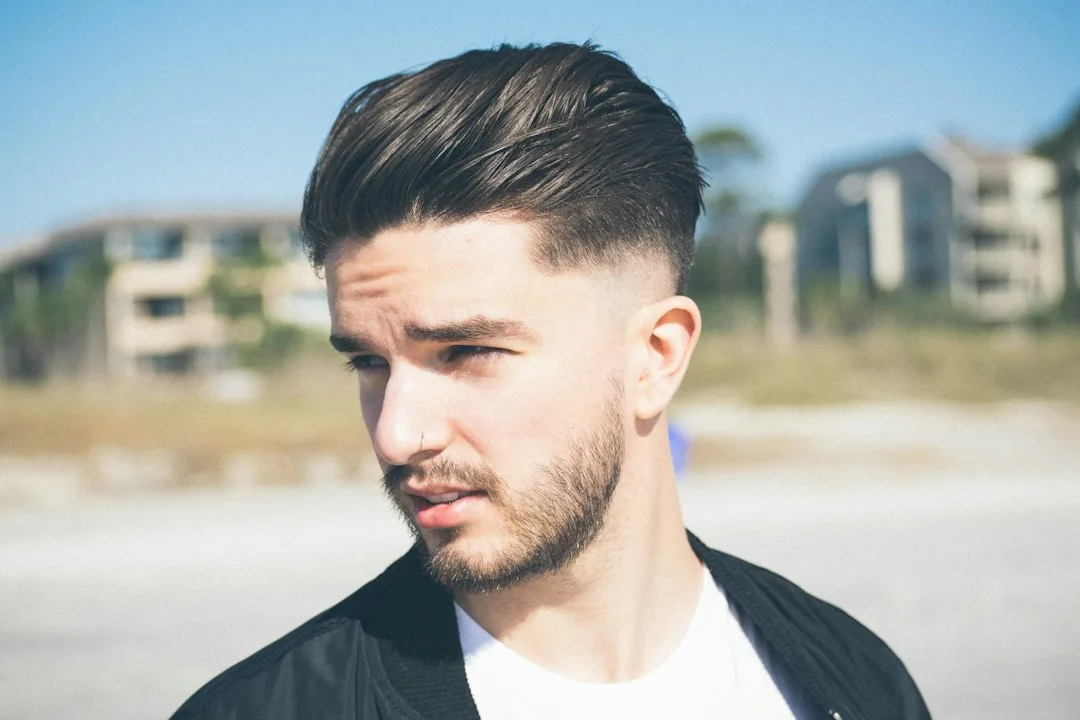
Walk into any major salon right now and you’ll hear the same request: textured undercut hairstyles. The precision undercut—a defined separation between ultrashort sides and textured length on top—has moved beyond barbershop territory into mainstream territory across genders and ethnicities. This isn’t a fade that disappears. It’s a statement.
Why now? Because the textured undercut solves two competing demands: edge and wearability. The contrast reads as intentional and modern, while the textured top (not slicked, not smooth) feels effortless. No product-heavy wet-look required.
The Fade Precision That Makes Textured Undercuts Work
Clipper artistry has reached a level where the undercut line itself becomes a design detail. A barber using a 0.5mm or 1mm blade on the sides creates a near-skin-fade, while the top stays anywhere from 1.5 inches to 3 inches depending on hair texture and face shape. The line between them matters more than the length of either section.
Brands like Wahl Clippers and Andis Master have popularized adjustable blade systems that let barbers execute micro-gradations within the fade itself. A true textured undercut shows at least two visible fade levels—not a hard line, but a gradient that suggests precision without looking painted-on. This takes 20-35 minutes at a skilled shop.
Finding Your Ideal Fade Depth
The fade spectrum runs from skin-tight to barely-there, and where you land depends on face shape, hair density, and how often you’re willing to visit the barber. A low fade sits above the ear and nape, leaving roughly half an inch of length at the sides. A mid fade transitions at temple level, offering more versatility for both casual and formal settings. High fades reach near the top of the head, creating maximum contrast between sides and top.
Men with round faces often benefit from mid or high fades that elongate the profile, while those with longer face shapes can work with low fades that add width at the sides. The key is discussing these proportions during your consultation. Bring reference photos from Instagram or TikTok—barbers appreciate visual clarity over vague descriptions like “clean” or “fresh.”

Maintenance Between Barber Visits
A quality undercut fade lasts 2-4 weeks before requiring a touch-up, depending on how fast your hair grows and how sharp your hairline is. During that window, the gradient softens slightly, but the overall shape holds if you’ve got a skilled barber doing the work. Some men schedule appointments every three weeks; others stretch to four and accept a slightly softer transition.
At home, invest in a decent beard trimmer or clipper set to maintain edge definition around the hairline and neck. You won’t replicate the barber’s precision, but you can keep things looking intentional. Many barbershops sell professional-grade clippers specifically for home maintenance, and using the same blade sizes your barber uses ensures consistency.
Styling Products That Enhance the Undercut
Once you’ve got the cut, product choice matters for how the top sits and how visible the fade becomes. Pomades and waxes add hold and shine, emphasizing texture and length variation. Matte clays and pastes create a more relaxed, modern look that lets the undercut breathe without heavy shine. Cream-based products offer middle ground—hold without gloss.
For textured undercuts with longer hair on top, a lightweight sea salt spray can define natural waves and make the fade more prominent through contrast. Apply styling products to damp hair for better distribution, and avoid over-application, which reads as heavy rather than intentional. The undercut itself is dramatic enough; the product should complement, not compete. Explore 10+ Trendy Short Black Hairstyles for a Bold Look to see how different fade depths and product choices create distinct aesthetic outcomes.
Adapting Your Undercut Across Seasons and Settings
The beauty of undercuts is their adaptability across different contexts. In professional environments, keep the top length conservative—1.5 to 2 inches—and request a tight fade that reads as polished and controlled. Summer heat often calls for shorter overall length and sharper fades that emphasize clean geometry. Winter styling allows slightly more length on top without appearing unkempt.
Social settings and creative fields offer more room for experimentation. Longer tops with textured styling, bleached sections, or deliberately messier arrangements all work within the undercut framework. The versatility is precisely why this cut has stayed relevant across decades and trend cycles. Short Black Hairstyles: 11 Cuts That Hold Shape All Day demonstrates how fade variations maintain their form and visual impact through different environments and styling approaches.

Product recommendations for maintaining undercut definition
Keeping an undercut looking sharp requires specific grooming products designed for the texture and style goals. A quality fade requires regular trims every two to three weeks, but the right styling products between appointments matter equally.
Pomades like Baxter of California Hard Clay or Layrite Superhold offer different hold levels depending on how sculptured you want the top section to appear. Hard clays provide a matte finish with lighter hold, ideal for textured styles that shouldn’t look slicked back. Traditional pomades deliver shine and stronger hold, working better for sleeker arrangements where every strand sits intentionally in place.
Beard oil and stubble care products matter too, especially when the undercut exposes the sides and neck. Jack Black Beard Lube or Proraso Pre-Shave Formula keeps these visible areas conditioned and comfortable, preventing irritation from frequent trimming.
Undercut styling for different hair textures
The undercut adapts across straight, wavy, and curly hair types, though each requires different product weights and styling techniques. Straight hair shows fade geometry most dramatically, making the clean lines and contrast the primary visual appeal.
Wavy hair creates texture naturally on top while maintaining the undercut structure underneath. Products like Olaplex No. 6 Bonding Hair Leave-In or SheaMoisture products provide definition without weighing waves down, allowing them to maintain movement while the fade stays visible. Curly hair benefits from cream-based products such as Cantu Shea Butter Leave-In Conditioning Repair Cream, which defines curls while keeping undercut sides neat.
Coily and textured hair creates stunning visual contrast with undercuts, as the voluminous texture on top emphasizes the sharp lines underneath. Flaxseed gel or lightweight curl creams maintain shape definition throughout the day while the fade remains crisp and intentional. The key difference across textures is recognizing that heavier pomades work for straight hair, while lighter, moisture-rich products prevent frizz and maintain curl definition without adding unwanted weight.